Cracks in artificial stone countertops can be a major concern for homeowners and businesses alike. This comprehensive guide will help you understand the causes, solutions, and preventive measures to keep your artificial stone countertops in pristine condition. Divided into two parts, the first part will cover the initial steps to take when you notice cracks and the importance of timely action. The second part will delve into long-term solutions, maintenance tips, and preventive measures to extend the life of your artificial stone surfaces.

artificial stone countertops, cracks in countertops, countertop repair, countertop maintenance, stone countertop care, countertop solutions, prevent countertop cracks, countertop longevity, fix cracks in countertops
Part 1
What to Do About Cracks in Your Artificial Stone Countertops: Immediate Steps
Artificial stone countertops are known for their durability, sleek appearance, and low maintenance. However, despite their resilience, they are not invulnerable. When cracks appear, it’s essential to take immediate action to prevent further damage and to ensure the longevity of your countertop.
1. Understand the Causes of Cracks
Before diving into the solutions, it’s important to understand what can cause cracks in artificial stone countertops. Common causes include:
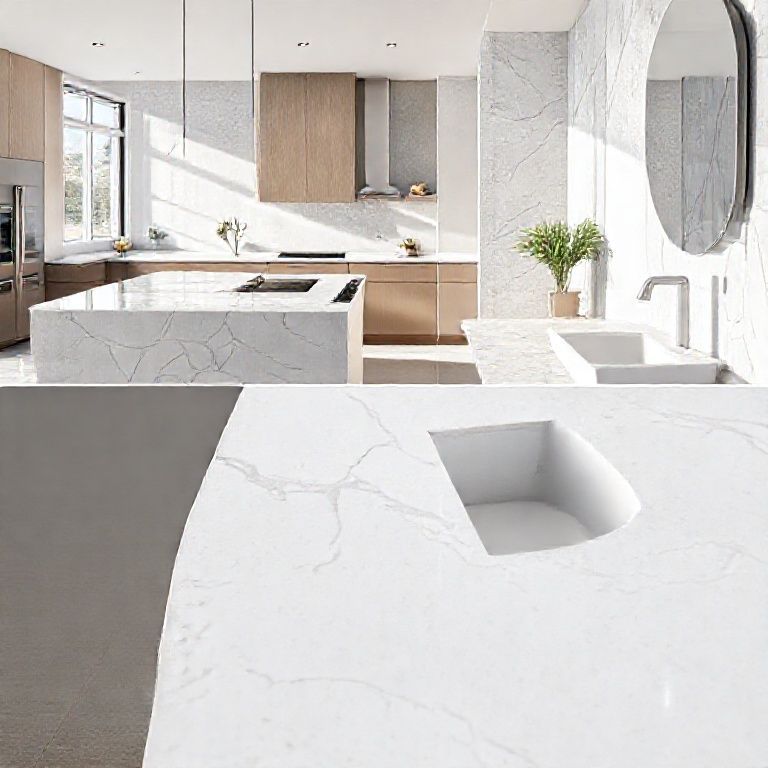
Impact Damage: Dropping heavy objects on the countertop or using it as a makeshift tool can lead to cracks. Thermal Stress: Rapid temperature changes, such as pouring hot liquids on a cold surface, can cause the material to expand and contract unevenly, leading to cracks. Manufacturing Defects: Though rare, some artificial stone can have imperfections from the manufacturing process. Poor Installation: Improper installation can cause stress points where cracks are more likely to develop.
2. Assess the Severity of the Crack
Once you’ve identified a crack, the next step is to assess its severity. Small, superficial cracks may be easier to fix than larger, deep ones. Here’s how to evaluate:
Surface Cracks: These are cracks that only affect the surface layer and may not significantly impact the integrity of the countertop. Deep Cracks: These go deeper into the stone and can compromise the structural integrity of the countertop.

3. Immediate Action Steps
Regardless of the crack’s severity, here are some immediate steps to take:
Clean the Area: Clean the cracked area to remove any debris or spills that might exacerbate the crack. Stop Using the Countertop: Avoid using the countertop until the issue is resolved to prevent further damage. Document the Damage: Take clear photos of the crack to show to professionals and to track any changes over time.
4. Temporary Fixes
For minor cracks, there are temporary fixes you can try before considering professional repair:
Epoxy Resin: Some non-professional epoxy resins can fill in small cracks. Apply carefully and smooth the surface. Sealant: Apply a high-quality sealant over the crack to protect it from spills and to hide it from a visual standpoint.
5. When to Call a Professional
For cracks that are deeper or if you’re unsure about handling the repair yourself, it’s best to call a professional. Professionals have the right tools and expertise to ensure the repair is done correctly. Here’s what to expect:

Assessment: The professional will assess the crack and provide an estimate for repair. Repair Techniques: Depending on the crack’s severity, the repair could involve filling the crack, polishing the surface, or even replacing the damaged section. Long-term Solutions: Professionals can also offer advice on long-term solutions to prevent future cracks.
Taking immediate action when you notice cracks in your artificial stone countertops can save you from more significant problems down the line. By understanding the causes, assessing the severity, and taking appropriate action, you can ensure your countertops remain beautiful and functional for years to come.
Part 2
What to Do About Cracks in Your Artificial Stone Countertops: Long-Term Solutions and Preventive Measures
After taking the immediate steps to address cracks in your artificial stone countertops, it’s crucial to focus on long-term solutions and preventive measures to ensure the longevity of your countertops. By following these guidelines, you can keep your artificial stone looking pristine and functioning optimally.
1. Professional Repairs and Restorations
Once minor repairs have been done, it’s important to invest in professional repairs for more significant damage. Here’s why professional repairs are essential:
Precision: Professionals use specialized equipment and techniques to ensure that repairs are precise and durable. Quality Materials: They use high-quality materials that match your countertop’s original finish and composition. Long-term Integrity: Professional repairs help maintain the structural integrity of the countertop, preventing further cracks and damage.
2. Regular Maintenance
Regular maintenance can prevent cracks from forming in the first place. Here’s how to keep your artificial stone countertops in top condition:
Cleaning: Use a mild soap and water solution to clean your countertop regularly. Avoid using harsh chemicals that can damage the stone. Drying: Always dry the surface after washing to prevent water spots and stains. Spill Management: Clean up spills immediately to prevent them from seeping into the stone and causing damage.
3. Protective Measures
Taking additional protective measures can go a long way in preventing cracks. Here are some effective strategies:
Place Mats and Trivets: Use place mats and trivets when placing hot pots, pans, or dishes on the countertop. Cutting Boards: Use cutting boards to protect the surface from scratches and impact. Weight Distribution: Distribute the weight evenly when placing heavy objects on the countertop to avoid stress points.
4. Proper Installation
Proper installation is key to preventing cracks. Here’s what to consider:
Professional Installation: Always hire a professional to install your artificial stone countertops. They have the expertise to ensure proper alignment, sealing, and weight distribution. Follow Manufacturer’s Instructions: Adhere to the manufacturer’s guidelines for installation to avoid common mistakes that can lead to cracks.
5. Use Appropriate Tools
Using the correct tools can prevent damage to your countertops. Here are some tips:
Cutting Tools: Use proper cutting tools like tile nippers for small cuts and avoid using heavy-duty saws that can cause impact damage. Kitchen Utensils: Avoid using metal utensils that can scratch the surface. Use silicone spatulas and wooden spoons instead.
6. Avoid Extreme Temperatures
Managing temperature changes is crucial to prevent thermal stress:
Avoid Hot Liquids: Don’t pour hot liquids directly on the countertop. Use a heat-proof trivet or placemat. Gradual Heating: If you need to heat the countertop, do so gradually to avoid sudden temperature changes.
7. Regular Inspections
Regular inspections can help you catch small cracks early before they become larger issues. Here’s how to inspect your countertops:
Visual Checks: Regularly check for any signs of cracks or damage. Professional Inspections: Have a professional inspect your countertops annually to ensure they are in good condition.
By focusing on long-term solutions and taking preventive measures, you can extend the life of your artificial stone countertops and avoid the hassle of dealing with cracks. Regular maintenance, proper installation, and protective measures are key components of a comprehensive approach to keeping your countertops beautiful and functional.
Taking action promptly when you notice cracks in your artificial stone countertops, combined with long-term maintenance and preventive measures, will ensure your countertops remain a stunning and durable feature in your home or business for years to come.