When your countertop cracks, it can feel like a daunting problem. These cracks might appear suddenly, or they might have developed over time due to a variety of reasons. Knowing what to do when your countertop cracks is essential not only to maintain the appearance of your space but also to ensure the functionality and longevity of your countertops. Here’s a detailed guide to help you understand and address this issue.

Understanding the Causes of Cracks
Cracks in countertops can occur due to a multitude of reasons. Some of the most common causes include:
Physical Impact: This is one of the most common reasons for countertop cracks. Dropping heavy objects or using the countertop as a workbench can cause significant damage. Thermal Stress: Different types of countertops react differently to heat. For instance, natural stone countertops like granite or marble can crack when exposed to sudden temperature changes, such as placing a hot pot directly on the surface. Manufacturing Defects: Some cracks can be a result of imperfections during the manufacturing process, especially with composite materials like quartz. Aging and Wear: Over time, even the most durable countertops can show signs of wear and tear, leading to cracks.
Immediate Steps to Take
When you first notice a crack in your countertop, it’s important to act quickly to prevent further damage. Here are some immediate steps you should take:
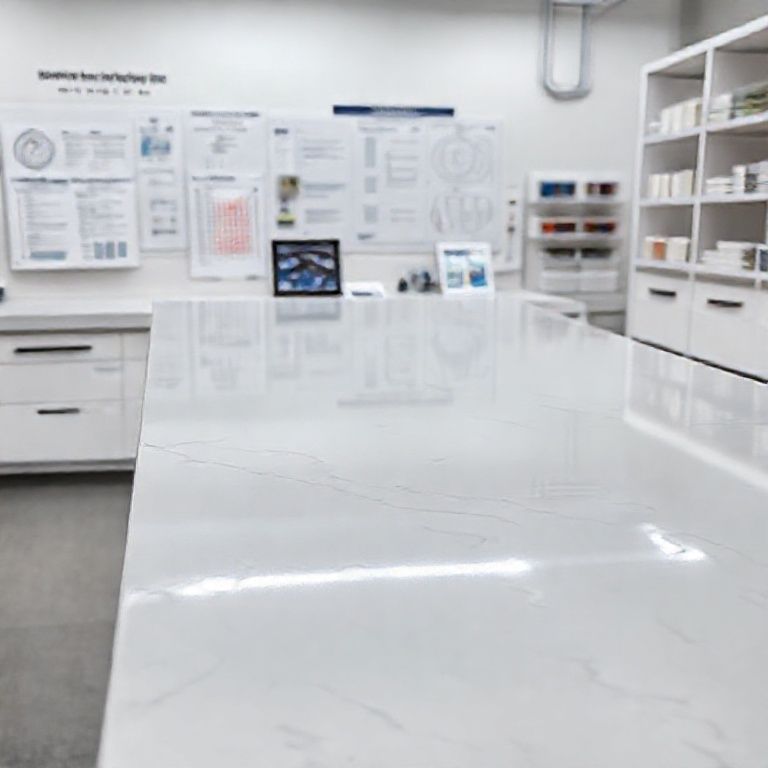
Stop Using the Countertop: If the crack is large or spreading, avoid using the countertop until it is repaired. Continuing to use it can exacerbate the damage. Clean the Area: Remove any debris or food particles around the crack to prevent bacteria from settling in and to give you a clear view of the crack. Inspect the Crack: Determine the size and depth of the crack. This will help you decide on the best repair method.
Repair Methods for Small Cracks
For minor cracks, there are several effective repair methods you can try yourself:
Epoxy Resin
Epoxy resin is a popular choice for repairing cracks in countertops. It’s strong, durable, and available in a variety of colors to match your countertop.
Clean the Area: Make sure the crack is clean and dry before applying the epoxy. Mix the Resin: Follow the instructions on the epoxy resin kit to mix the resin. Apply the Resin: Using a syringe or a putty knife, fill the crack with the epoxy resin. Smooth the Surface: Once the resin has been applied, smooth it out to blend it with the surrounding countertop. Cure the Resin: Allow the resin to cure as per the manufacturer’s instructions. This usually takes several hours.
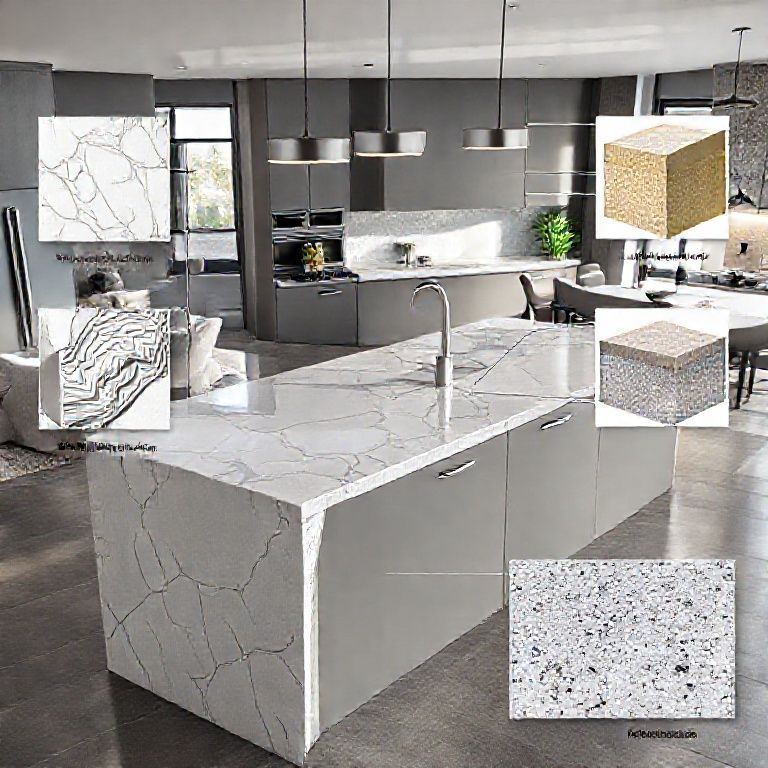
Polyurethane Sealant
A polyurethane sealant is another effective option for small cracks. It’s easy to use and provides a strong bond.
Clean and Dry: Ensure the area is clean and dry. Apply Sealant: Use a caulking gun to apply the polyurethane sealant into the crack. Smooth the Sealant: Smooth out the sealant to ensure it blends well with the countertop. Cure: Allow the sealant to cure as per the product instructions.
Repair Methods for Larger Cracks
For larger cracks, professional repair services might be necessary. However, there are still some DIY methods that can help:
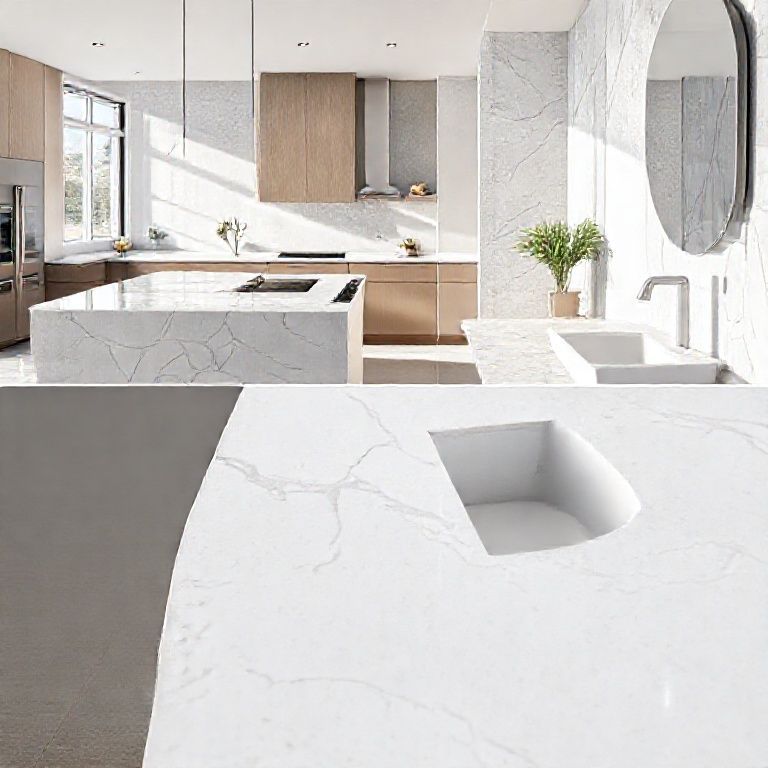
Composite Repair Kits
Composite repair kits are designed specifically for repairing cracks in countertops. They are easy to use and provide a durable repair.
Clean the Crack: Ensure the crack is clean and free of debris. Apply Repair Compound: Follow the instructions to apply the repair compound to the crack. Blend and Smooth: Blend the compound into the crack and smooth it out to match the countertop surface. Cure: Allow the repair compound to cure as per the manufacturer’s instructions.
Replacing the Damaged Section
For very large or deep cracks, replacing the damaged section of the countertop might be the best DIY option.
Cut Out the Damaged Area: Carefully cut out the damaged section using a utility knife or a saw. Prepare the Edges: Smooth the edges of the cut-out area. Apply Adhesive: Use a strong adhesive to attach a replacement piece of countertop material. Smooth and Finish: Once the adhesive has cured, smooth and finish the surface to blend it with the rest of the countertop.
Professional Repair Services
If you’re not comfortable with DIY repairs or if the crack is too severe, it’s best to call in a professional. Professional repair services can provide:
Expertise: Professionals have the skills and experience to handle any type of crack. High-Quality Materials: They use high-quality materials to ensure the repair is durable. Customization: They can customize the repair to match the exact color and texture of your countertop.
Prevention Tips
Preventing cracks in your countertops is always better than repairing them. Here are some tips to help you keep your countertops in good condition:
Use Cutting Boards: Always use a cutting board when cutting food to avoid damaging the countertop. Heat Protection: Avoid placing hot pots or pans directly on the countertop. Use heat-resistant pads or trivets. Clean Properly: Clean your countertop regularly with appropriate cleaning solutions to prevent stains and damage. Avoid Sharp Objects: Don’t use the countertop as a workspace for hammering or using sharp tools.
By understanding the causes of cracks and taking prompt action, you can effectively repair minor damages and extend the life of your countertops. In the next part, we will delve deeper into advanced repair techniques and additional tips to ensure your countertops remain in pristine condition.
In this part, we will delve deeper into advanced repair techniques for countertops, ensuring they not only look beautiful but also last for many years. From sophisticated DIY methods to professional services, we’ll cover everything you need to know to keep your countertops in pristine condition.
Advanced DIY Repair Techniques
While minor repairs can often be handled at home, some cracks and damages require more advanced techniques. Here are some sophisticated DIY methods to consider:
Advanced Epoxy Repair
For larger cracks, an advanced epoxy repair can provide a durable and aesthetically pleasing fix.
Materials Needed: Advanced epoxy resin, epoxy hardener, a mixing container, a syringe, a putty knife, sandpaper, and a primer. Mix the Epoxy: Follow the instructions on the epoxy kit to mix the resin and hardener. For larger cracks, you might need more material. Apply the Epoxy: Using the syringe, fill the crack with epoxy. For larger cracks, use the putty knife to spread the epoxy evenly. Smooth the Surface: Once the epoxy has been applied, use sandpaper to smooth the surface and blend it with the countertop. Prime and Paint: To match the countertop’s color, apply a primer and then paint the repaired area with a matching color.
Composite Material Patching
Composite material patching is an effective method for larger cracks or damaged areas.
Materials Needed: Composite material, a mixing container, a putty knife, sandpaper, and a primer. Mix the Composite: Follow the instructions to mix the composite material. Apply the Composite: Use the putty knife to apply the composite material to the crack or damaged area. Smooth and Blend: Smooth the composite material to blend it with the surrounding countertop. Prime and Paint: To match the color, apply a primer and then paint the area with a matching color.
Professional Repair Services
For severe damage or if you’re not confident in your DIY skills, professional repair services are highly recommended. Here’s why:
Expertise: Professionals have the skills and experience to handle any type of crack or damage. High-Quality Materials: They use high-quality materials to ensure the repair is durable and long-lasting. Customization: Professionals can customize the repair to match the exact color and texture of your countertop. Warranty: Many professional services offer a warranty on their repairs, providing you with peace of mind.
Choosing the Right Repair Materials
材料匹配性:确保修复材料与原始台面材料的颜色、纹理和硬度相匹配。例如,如果你的台面是花岗岩,那么修复材料也应该是花岗岩或与其颜色和质地相近的材料。
耐久性:选择耐用且适合特定材料的修复材料。例如,对于石材台面,应选择专门为石材设计的修复材料。
易用性:选择易于使用的材料和工具。如果你计划自己进行修复,那么选择那些操作简单、成分安全、容易获得的材料会更好。
环保性:选择环保型材料,这不仅对环境友好,对使用者的健康也更安全。
常见的修复材料
环氧树脂(Epoxy Resin):广泛用于石材、玻璃和合成石台面的修复。它具有高强度和良好的颜色匹配性。
聚氨酯树脂(Polyurethane Resin):适用于各种硬质台面,包括石材和玻璃。它的修复效果光滑美观,并且易于处理。
填缝剂(Caulking):用于修复细小的裂缝和边缝,可以选择色彩匹配的填缝剂。
复合材料(Composite):适用于大面积的损坏修复,提供了强大的修复效果。
修复前后的保养建议
无论使用什么材料进行修复,保养也是确保修复效果持久的关键。
定期清洁:使用温和的清洁剂和软布对台面进行定期清洁,避免使用含有强腐蚀性的清洁剂。
涂抹保护剂:对于石材和玻璃台面,可以涂抹专门的保护剂,增加其耐污和耐磨性能。
避免尖锐物品:尽量避免使用尖锐或重物直接压在台面上,防止再次出现裂缝。
及时处理溢出物:及时清除台面上的液体溢出物,以防止其渗入裂缝或损坏台面材质。
通过正确的修复方法和保养,你可以有效地延长台面的使用寿命,保持其美观和功能性。希望这些信息对你有所帮助!如果你有任何其他问题或需要进一步的指导,请随时提出。