In the heart of our homes, the kitchen often stands as a central hub of activity, where culinary magic happens daily. Central to this domain is the countertop, a place where ingredients are prepped, meals are crafted, and memories are made. However, over time, even the most durable countertops can suffer from the wear and tear of daily use, leading to unsightly cracks. Knowing what to do when your countertop cracks is essential for maintaining both the functionality and the aesthetics of your space.

Understanding the Nature of Countertop Cracks
Before diving into repair techniques, it’s crucial to understand why cracks occur. Countertops, made from materials like granite, quartz, concrete, or composite, can crack due to various factors including:
Impact Damage: Dropping heavy objects or placing hot items on the surface can cause immediate cracks. Thermal Stress: Sudden temperature changes can lead to thermal stress, especially in materials like granite. Material Defects: Sometimes, cracks can be inherent to the material, caused during manufacturing or from poor-quality materials. Chronic Wear: Over time, the natural use of the countertop can lead to gradual wear and micro-cracks.
Immediate Actions to Take
When you notice a crack, it’s important to act quickly to prevent further damage:
Clean the Area: Gently clean the cracked area to remove any debris or dust. This ensures that you can properly assess the extent of the damage and apply any repair materials effectively.
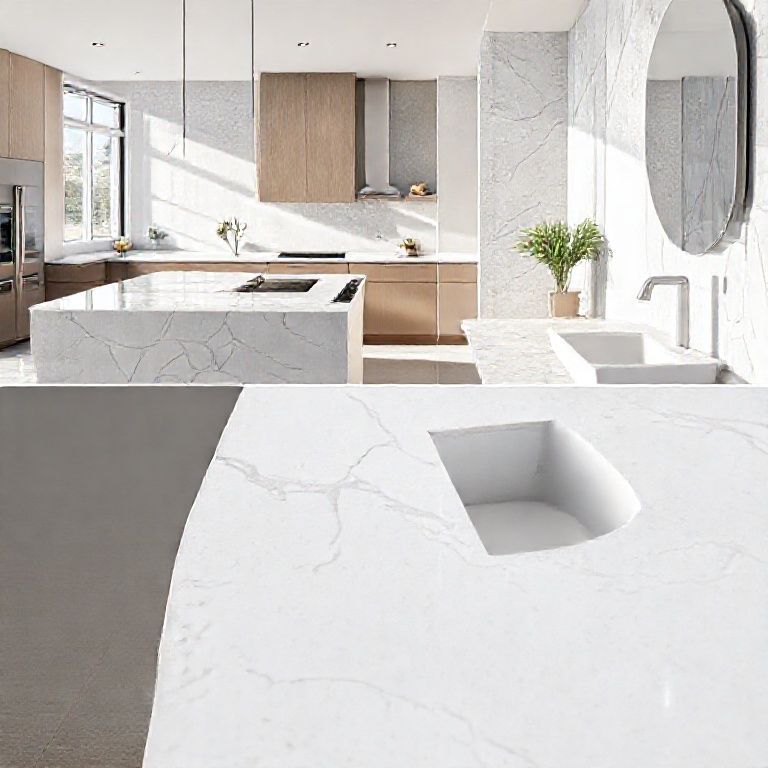
Assess the Crack: Determine the size and depth of the crack. Small, superficial cracks might be manageable with simple repairs, while larger or deep cracks may require more substantial intervention.
Stop Using the Area: Avoid using the cracked section until it’s properly repaired to prevent further damage.
Minor Repair Solutions
For minor cracks, several DIY repair solutions can be effective. Here are some methods to consider:
1. Epoxy Resin
Epoxy resin is a popular choice for repairing cracks in countertops due to its strong bonding properties. Follow these steps for a successful repair:

Clean the Crack: Thoroughly clean the crack to remove any grease or debris. Mix the Epoxy: Follow the manufacturer’s instructions to mix the epoxy resin and hardener. Apply the Epoxy: Using a small brush or applicator, fill the crack with the mixed epoxy, ensuring it penetrates deeply. Smooth the Surface: Once the epoxy is in place, smooth the surface with a clean cloth to avoid any uneven spots. Cure the Epoxy: Allow the epoxy to cure completely as per the instructions before using the countertop again.
2. Polyurethane Sealant
Polyurethane sealants are another excellent option for minor repairs. They are flexible and can handle slight movement in the countertop without cracking again.
Prepare the Area: Clean the crack thoroughly and let it dry. Apply Sealant: Use a small brush or applicator to fill the crack with polyurethane sealant. Smooth the Surface: Wipe off any excess sealant and smooth the surface with a cloth. Cure the Sealant: Allow the sealant to cure fully before using the countertop again.

Preventive Measures
Preventing cracks in the first place is always better than dealing with repairs. Here are some tips to prolong the life of your countertops:
Use Cutting Boards: Always use cutting boards when preparing food to prevent knives from directly impacting the countertop. Heat Protection: Place trivets or heat-resistant pads under hot pots and pans to prevent thermal shock. Avoid Acidic Foods: Acidic foods and drinks can weaken countertop materials over time. Use bowls for preparation instead. Regular Maintenance: Regularly clean and maintain your countertops to keep them in good condition.
When to Call in the Pros
While minor repairs can often be handled at home, larger or more complex cracks may require professional intervention. Here’s when it’s time to call in the experts:
Deep or Wide Cracks: If the crack is deep, wide, or extends in multiple directions, professional repair might be necessary to ensure a durable fix. Multiple Cracks: If you have multiple cracks or a crack network, it’s best to consult a professional to assess the overall integrity of the countertop. Material-Specific Repairs: Certain materials may require specific repair techniques or products that only professionals can provide.
Professional Repair Solutions
Professionals can offer several advanced repair solutions depending on the type and extent of the damage:
1. Crack Filling
For larger cracks, professionals might use a specialized filler that matches the countertop’s color and texture. This method involves:
Cleaning the Crack: Thoroughly cleaning and preparing the crack. Applying Filler: Using a filler that matches the countertop’s material and color to fill the crack. Polishing: Smoothing and polishing the area to ensure it blends seamlessly with the rest of the countertop.
2. Epoxy Injection
For deep cracks, epoxy injection is a common method. This involves:
Cleaning and Drilling: Cleaning the crack and drilling small holes into it. Injecting Epoxy: Filling the crack with epoxy through the drilled holes. Cure and Finish: Allowing the epoxy to cure and then finishing the surface to match the countertop.
3. Replacement
In cases where the crack is irreparable or the countertop is too damaged, replacement might be the best option. Professionals can carefully remove the old countertop and install a new one, ensuring a seamless transition.
Long-Term Solutions and Replacement
While minor repairs can address small cracks, long-term damage or aesthetic concerns might necessitate a more comprehensive approach. Here’s what you need to consider for a lasting solution.
1. Full Replacement
In cases where the countertop is beyond repair or if the crack is too severe, a complete replacement might be the best option. Here’s what to expect:
Assessment: Professionals will assess the extent of the damage and recommend the best course of action. Dismantling: Carefully removing the old countertop without damaging surrounding areas. Installation: Installing a new countertop, ensuring it’s securely attached and fits well with the existing cabinetry and design. Finishing Touches: Professionals will finish the new countertop, ensuring a seamless and polished look.
2. Resurfacing
Resurfacing is an excellent option for maintaining the appearance of your countertop without the need for a full replacement. This process involves:
Cleaning and Preparing: Thoroughly cleaning and preparing the surface of the countertop. Applying a Resin or Polymer: A specialized resin or polymer is applied to the surface, filling in the cracks and creating a smooth, new surface. Polishing: The surface is polished to achieve a shiny, uniform finish.
Tips for Choosing the Right Countertop Material
Choosing the right material for your countertop is crucial for preventing future cracks. Here are some material-specific tips:
1. Granite
Granite is known for its durability but can still crack due to impact or thermal stress.
Use Protective Pads: Always use cutting boards and trivets to prevent impact damage. Avoid Acidic Foods: Acidic foods can weaken granite over time.
2. Quartz
Quartz is a popular choice for its strength and low maintenance.
Heat Protection: Use trivets for hot items to prevent thermal shock. Regular Cleaning: Keep quartz clean to maintain its appearance and prevent minor scratches from becoming more significant issues.
3. Concrete
Concrete countertops are durable but can crack due to impact or poor mixing during installation.
Proper Installation: Ensure professional installation to prevent structural cracks. Heat and Impact Protection: Use trivets and cutting boards to protect the surface.
4. Composite
Composite materials can crack due to impact but are generally more forgiving than natural stone.
Use Cutting Boards: Prevent direct impact from knives. Regular Maintenance: Clean and maintain to prevent minor scratches and stains.
Future-Proofing Your Countertops
To ensure your countertops last as long as possible, consider these future-proofing tips:
1. 定期清洁和维护
大理石:用软布和温和的清洁剂擦拭,避免使用酸性清洁剂。定期使用专用的大理石保养油进行保护。 花岗岩:用温水和中性清洁剂清洁,避免使用过多的水以防止材料软化。可以定期用花岗岩保养剂进行保护。 不锈钢:用温水和中性清洁剂清洁,避免使用研磨性清洁剂。
定期用不锈钢专用保养剂保持光泽。 玻璃石英:用温和的清洁剂和软布擦拭,避免使用粗糙的清洁工具。
2. 使用防护垫
在放置热锅、压力壶等热物品时,使用热防护垫,避免直接接触台面。这样可以有效防止热损伤,尤其是对石材台面。
3. 避免使用钢丝球
钢丝球虽然清洁效果好,但它对大多数台面材料都会造成划痕,最好避免使用。
4. 及时处理溢出物
台面上的液体溢出,特别是酸性或碱性液体,可能会对台面造成损伤。及时用干布擦干,并用适当的清洁剂进行清洁。
5. 合理使用厨具
避免用锋利的刀具直接划过台面,尤其是石材台面。可以在使用前在刀具上放置一个厨房纸巾或垫片。
6. 定期检查
定期检查台面的紧固情况,尤其是固定台面的螺丝或胶水是否松动或老化。如果发现任何松动或损坏,及时进行修复。
7. 选择适当的厨具
使用适当的厨具,比如不粘锅,可以减少台面的磨损。在烹饪时尽量避免使用过多的热量和压力。
8. 小心放置物品
在台面上放置重物时,尽量选择带有软垫或垫片的容器,以防止对台面的直接压力。
9. 环境保护
尽量减少使用含有强烈化学物质的清洁剂,保护环境和健康。使用天然的清洁材料,如白醋、小苏打等,也是一种环保且有效的选择。
10. 保修和售后服务
如果你购买的台面有保修或售后服务,一定要了解相关政策和步骤,以便在需要时进行维修或更换。