Discover the ultimate guide to addressing cracks in your artificial stone countertops. Learn about causes, prevention, and repair techniques to keep your kitchen or bathroom looking pristine. Our detailed two-part article will equip you with the knowledge to handle any crack issue effectively.

Understanding Cracks in Artificial Stone Countertops: Causes and Prevention
${part1}
Introduction to Artificial Stone Countertops
Artificial stone countertops have become a popular choice for kitchens and bathrooms due to their durability, aesthetic appeal, and relatively low maintenance. However, even these resilient surfaces are not immune to damage, and one common issue that can occur is cracking. Understanding the causes of these cracks and learning how to prevent them is crucial for maintaining the beauty and functionality of your artificial stone countertop.
Common Causes of Cracks in Artificial Stone Countertops
Physical Impact: Dropped Objects: Even a small, heavy object can cause significant damage. Glass bottles, pots, pans, and even large items like vacuum cleaners can create cracks if they fall onto the countertop. Heavy Items: Placing heavy items directly on the surface without a cutting board or trivet can cause stress points that lead to cracks. Thermal Stress: Sudden Temperature Changes: Rapid changes in temperature, such as placing a hot pot or pan directly on a cold countertop, can cause the surface to crack. Heating Elements: Using hot water heaters or cooking appliances directly on the surface can cause thermal stress. Construction Flaws: Improper Installation: If the countertop was not installed correctly, it may be more susceptible to cracking. This includes not using the proper adhesive or not allowing adequate curing time. Material Defects: Manufacturing Defects: Sometimes, cracks can occur due to defects present from the factory. This is relatively rare but can happen.
Preventative Measures for Crack-Free Countertops
Use Cutting Boards and Trivets: Always use cutting boards or trivets when placing heavy objects or hot items on your countertop. This simple step can prevent a lot of potential damage. Avoid Extreme Temperature Changes: Try to avoid placing extremely hot or cold items directly on the surface. If you must do so, allow the item to cool down first or use a trivet. Proper Installation: Ensure that your countertop is installed by a professional who understands the specific requirements for artificial stone. Proper adhesive and curing time are essential. Regular Maintenance: Clean your countertop regularly to remove any substances that can weaken the surface over time. Use appropriate cleaning agents recommended for artificial stone. Protective Coverings: Consider using a protective covering, such as a silicone mat or a heavy-duty plastic sheet, on areas where heavy items are frequently placed.

Conclusion
Cracks in artificial stone countertops can be a significant concern, but they are often preventable with careful use and maintenance. By understanding the common causes and implementing preventative measures, you can extend the life of your countertop and keep it looking beautiful for years to come. In the next part of this article, we will delve into the repair techniques and steps to effectively address any cracks that do occur.
Repairing Cracks in Artificial Stone Countertops: Techniques and Solutions
${part2}
Introduction
Despite all precautions, cracks may still occur in artificial stone countertops. Knowing how to repair these cracks effectively is essential to restore the countertop to its original condition. This second part of our comprehensive guide will provide you with detailed steps and techniques to repair cracks in your artificial stone countertop.
Assessing the Crack
Before beginning any repair, it’s crucial to assess the extent and type of the crack:
Minor Cracks: If the crack is small and does not significantly impact the functionality of the countertop, it can often be repaired with a simple fix. Major Cracks: Larger cracks that extend over a significant area or compromise the structural integrity of the countertop may require more advanced repair techniques.
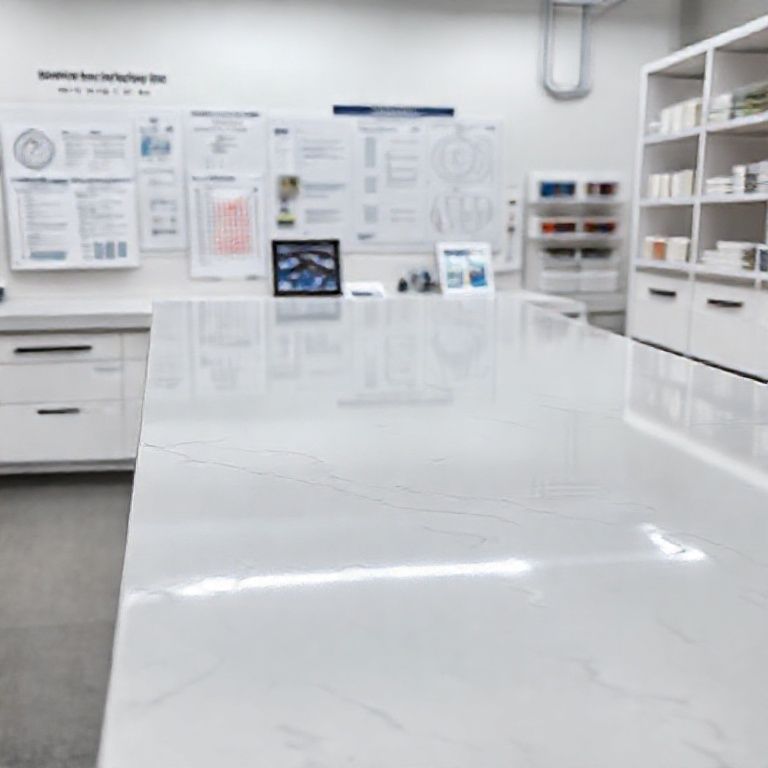
Repairing Minor Cracks
Clean the Area: Start by thoroughly cleaning the area around the crack with a mild soap and water solution. Dry the surface completely to ensure there is no moisture that could interfere with the repair. Use a Crack Filler or Sealant: There are specific fillers and sealants designed for artificial stone countertops. Apply the product according to the manufacturer’s instructions, filling the crack completely. Smooth and Polish: Once the filler has dried, use a polishing compound to blend the filler with the surrounding surface. This will give the repaired area a seamless appearance.
Repairing Major Cracks
Disassemble and Clean: For larger cracks, it might be necessary to disassemble the countertop if possible. Clean the area thoroughly and dry it completely. Use a Two-Part Epoxy: A two-part epoxy system is often the best choice for repairing larger cracks. Mix the epoxy according to the instructions and apply it to the crack. Use a putty knife to fill the crack completely and smooth it out. Allow to Cure: Let the epoxy cure for the recommended time. This is critical to ensure the repair holds and does not crack again. Grind and Polish: Once the epoxy has cured, use a grinder to smooth the surface. Polish the area to blend it with the rest of the countertop. You may need to repeat the polishing process several times to achieve a seamless finish.
Professional Repair Services
In some cases, especially with extensive damage, it may be best to consult a professional repair service. Professionals have the tools and expertise to handle complex repairs and can often restore your countertop to its original condition.
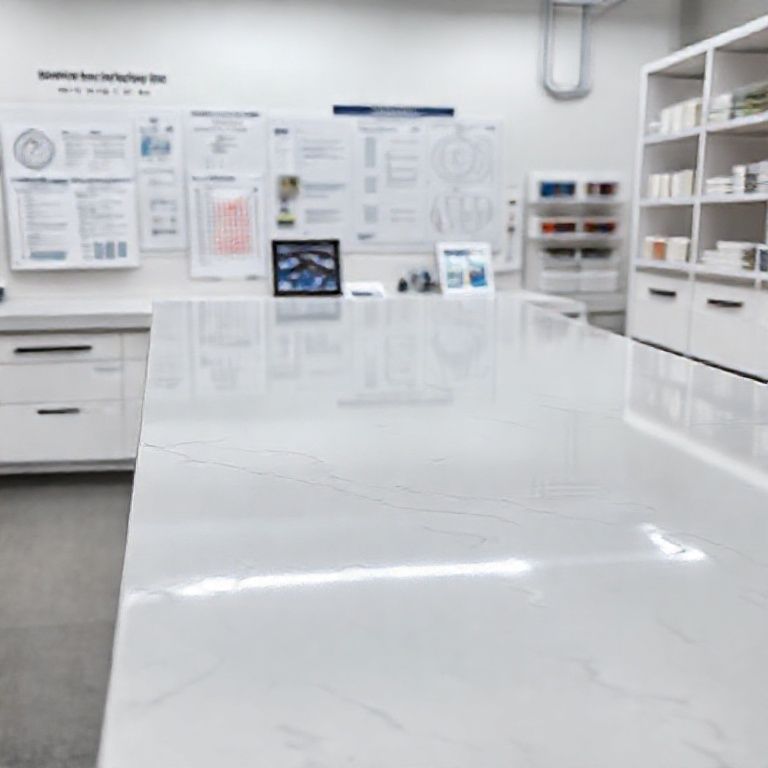
Identify a Reliable Service: Look for a company that specializes in artificial stone countertop repair. Check reviews and ask for recommendations from other homeowners or contractors. Assess the Cost: Understand the potential costs involved. While professional repair might be more expensive, it can be worth it for extensive damage. Get a Quote: Obtain a detailed quote that includes the scope of work, materials to be used, and estimated time for completion.
Preventative Maintenance Post-Repair
After successfully repairing your countertop, it’s essential to maintain it properly to prevent future cracks:
Continue Using Protective Coverings: Keep using cutting boards, trivets, and other protective coverings to prevent further stress on the surface. Regular Cleaning: Maintain a regular cleaning schedule to remove any substances that could weaken the surface over time. Avoid Extreme Temperature Changes: Be mindful of the temperature changes when using your countertop. Routine Inspections: Periodically inspect your countertop for any signs of new cracks or damage.
Conclusion
Cracks in artificial stone countertops can be a significant concern, but with the right knowledge and techniques, they can be effectively repaired. By understanding the causes, implementing preventative measures, and knowing how to repair both minor and major cracks, you can ensure your countertop remains functional and beautiful for years to come. Regular maintenance and professional assistance when needed will help keep your artificial stone countertop in pristine condition.
This comprehensive two-part guide aims to equip you with the necessary knowledge to handle cracks in your artificial stone countertops, ensuring they remain a stunning feature in your home.