What To Do When Your Countertop Has Cracks: A Comprehensive Guide
When it comes to the aesthetics and functionality of your kitchen or bathroom, your countertops play a crucial role. However, even the most durable materials can develop cracks over time. Whether it’s a small hairline crack or a larger fissure, dealing with countertop cracks can be a daunting task. But don’t worry—this comprehensive guide will walk you through the best ways to tackle this issue effectively.

Understanding the Causes of Countertop Cracks
Before we delve into repair options, it’s essential to understand why cracks occur in the first place. Countertops, regardless of whether they’re made from granite, quartz, marble, or composite materials, can develop cracks due to various factors:
Impact Damage: Dropping heavy objects or sharp items on the countertop can cause immediate cracking. Thermal Stress: Rapid temperature changes can lead to thermal shock, causing the material to crack. Material Flaws: Some cracks can be inherent to the material, especially in natural stone countertops like granite and marble. Maintenance Issues: Inadequate cleaning or the use of harsh chemicals can weaken the surface over time, leading to cracks.
Knowing the cause can help you choose the best repair method and prevent future issues.
Prevention is Better than Cure
Prevention is always better than repair, so here are some tips to keep your countertops crack-free as long as possible:

Use Cutting Boards: Always use cutting boards when chopping hard foods to protect your countertop from sharp impacts. Avoid Heat Sources: Place trivets under pots and pans when placing them on the countertop. Avoid leaving hot pots and pans directly on the surface. Proper Cleaning: Use mild soap and water to clean your countertops. Avoid abrasive cleaners and scrubbers that can scratch the surface. Seal Your Countertops: Regular sealing can protect natural stone countertops from stains and weaken over time.
Immediate Steps When Cracks Appear
If cracks do appear, it’s important to act quickly to prevent them from worsening. Here’s what to do immediately:
Stop Using the Area: Avoid using the cracked area to prevent further damage. Clean the Crack: Wipe the area clean to remove any dirt or debris that could worsen the crack. Assess the Crack: Determine the size and depth of the crack to identify the best repair method.
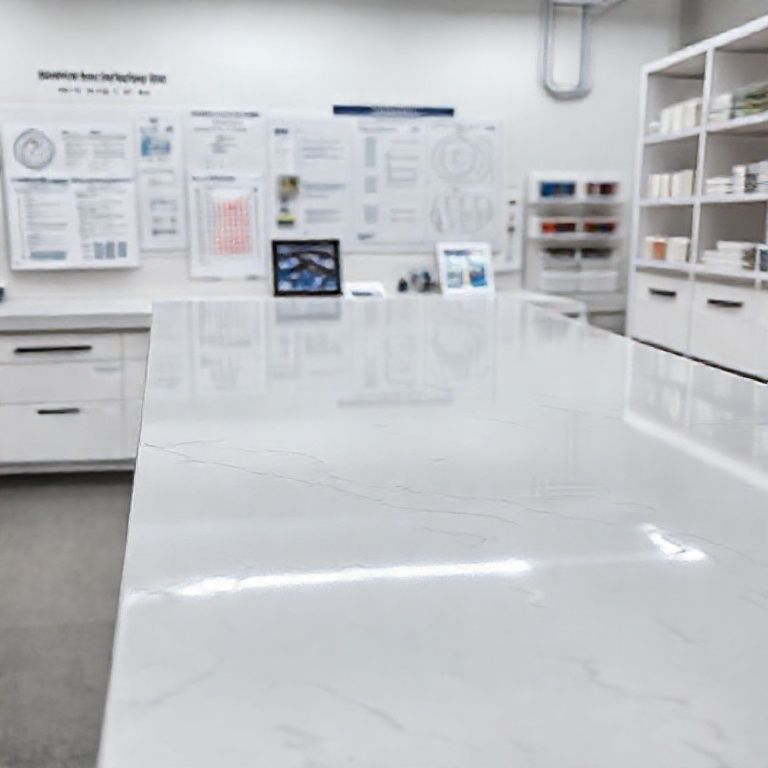
Repair Options for Cracked Countertops
Depending on the severity of the crack, there are several repair options available. Let’s explore the most effective methods for different types of countertops.
1. Minor Cracks in Composite Countertops:
Composite countertops, like quartz and some stone composites, often come with a repair kit that includes epoxy resin and a mixing tool. Here’s how to repair minor cracks:
Clean the Area: Thoroughly clean the crack with soap and water. Mix the Epoxy: Follow the instructions on the repair kit to mix the epoxy resin. Apply the Epoxy: Carefully apply the epoxy into the crack using a syringe or a toothpick. Smooth the Surface: Use a soft cloth to smooth the epoxy once it has hardened. Polish: Finally, polish the area to blend the repair seamlessly with the rest of the countertop.
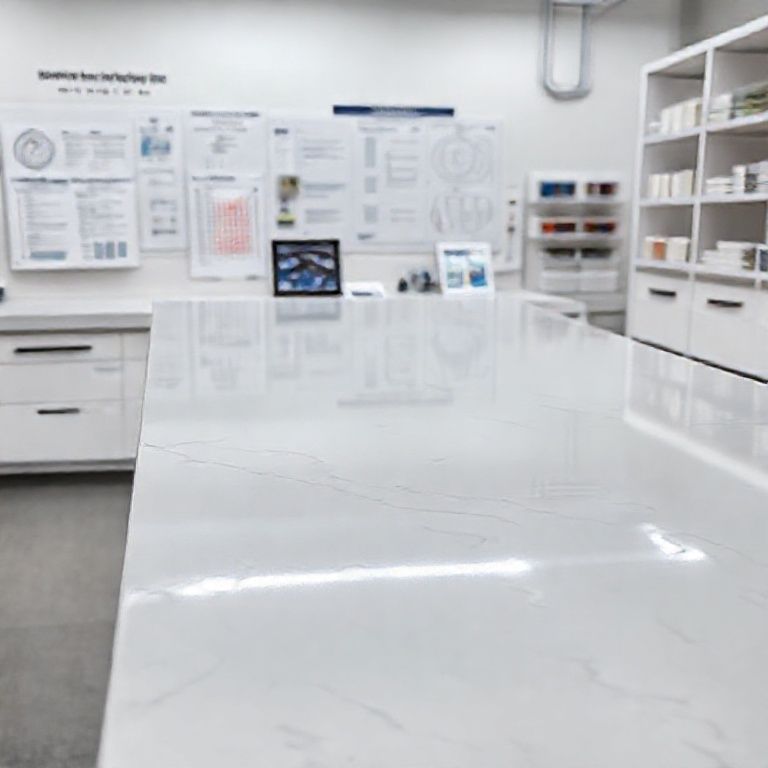
2. Cracks in Natural Stone Countertops:
For natural stone countertops like granite and marble, professional repair is often the best option. However, here’s a basic guide for small cracks:
Clean the Crack: Use a mixture of vinegar and water to clean the crack. Fill the Crack: Use a stone crack filler or epoxy designed for stone. Apply it carefully into the crack. Blend: Once dried, blend the filler into the surrounding surface using a polishing tool.
3. Large or Deep Cracks:
For larger or deep cracks, especially in natural stone, it’s best to consult a professional. Professionals can use techniques like crack sealing and epoxy resin to repair extensive damage.
Maintaining Your Countertops to Prevent Future Cracks
To keep your countertops looking pristine and prolong their life, follow these maintenance tips:
Regular Cleaning: Clean your countertops regularly with mild soap and water. Avoid abrasive cleaners. Seal Annually: For natural stone countertops, reseal them annually to protect against stains and wear. Use Coasters: Always use coasters for hot drinks to protect the surface from thermal shock. Avoid Sharp Objects: Keep sharp objects away from the countertop to prevent impact damage.
Conclusion
Cracks in countertops can be a significant concern, but with the right knowledge and techniques, you can repair and maintain your countertops effectively. By understanding the causes of cracks, taking preventive measures, and knowing the best repair methods, you can ensure your countertops remain beautiful and functional for years to come. Remember, for severe cracks, professional help is always the best option. Keep your countertops crack-free and looking great!
What To Do When Your Countertop Has Cracks: A Comprehensive Guide (Continued)
Continuing from our previous discussion on tackling countertop cracks, this second part will delve deeper into advanced repair techniques, professional services, and additional maintenance tips to ensure your countertops remain in pristine condition.
Advanced Repair Techniques for Severe Cracks
When it comes to severe cracks, especially in natural stone countertops, advanced techniques are often necessary. Here’s a closer look at some specialized methods used by professionals:
1. Crack Sealing:
Crack sealing is a technique used primarily for natural stone countertops. Here’s how it works:
Clean the Crack: The crack is thoroughly cleaned to remove any debris. Apply the Sealant: A specialized sealant is applied into the crack using a syringe or a brush. Drying: The sealant is allowed to dry according to the manufacturer’s instructions. Polish: Once dried, the sealant is polished to blend seamlessly with the countertop surface.
2. Epoxy Injection:
Epoxy injection is another advanced method, especially effective for large or deep cracks. This technique involves:
Clean and Drill: The crack is cleaned, and small holes are drilled into the crack. Inject Epoxy: Epoxy resin is injected into the crack through the drilled holes. Cure: The epoxy is left to cure, filling the crack completely. Finish: Once cured, the area is polished to match the surrounding surface.
3. Countertop Replacement:
In some cases, replacing the countertop may be the best solution. This is particularly true for extensive damage where the repair cost is close to the cost of a new countertop. Professional installers can seamlessly integrate new countertops, ensuring a smooth transition.
Professional Repair Services
While DIY repair kits are available for minor cracks, professional services are recommended for severe damage. Here’s why:
Expertise: Professionals have the experience and tools to handle complex repairs. Quality: They use high-quality materials to ensure long-lasting repairs. Warranty: Many professional services come with warranties, providing peace of mind.
When hiring a professional, look for someone with good reviews, proper licensing, and experience in handling the specific type of countertop you have.
Additional Maintenance Tips
To prolong the life of your countertops and prevent future cracks, consider these additional maintenance tips:
Use Cutting Boards and Trivets: Always use cutting boards and trivets to protect the surface from sharp objects and heat sources. Avoid Acidic Foods: Acidic foods like citrus fruits can weaken natural stone countertops. Use cutting boards to prepare these items. Regular Cleaning: Stick to mild soap and water for cleaning. Avoid harsh chemicals that can damage the surface. Immediate Cleaning: Clean up spills immediately to prevent stains and potential cracks from weakened areas. Seal Natural Stone Annually: Reseal natural stone countertops annually to maintain their protective barrier against stains and wear.
Long-Term Solutions for Crack Prevention
Preventing cracks in the long term involves a combination of proper use, maintenance, and choosing the right materials. Here are some long-term solutions:
1. Choose Durable Materials:
Quartz: Quartz is known for its durability and resistance to stains and scratches, making it a popular choice for countertops. Composites: Composite materials offer excellent durability and can be repaired with DIY kits. High-Quality Granite: While natural stone can crack, choosing high-quality granite with minimal internal flaws can reduce the risk.
2. Proper Installation:
Professional Installation: Always have countertops installed by professionals to ensure they’re properly set and secured. Flexible Sealant: Use a flexible sealant at the edges of the countertop to absorb movement and reduce stress.
3. Regular Maintenance:
对于石材台面的维护
定期密封: 对于大理石、花岗岩等天然石材台面,建议每6到12个月密封一次。密封剂可以防止液体渗入石材中,减少污渍和颜色褪色的风险。 避免酸性和碱性物质: 尽量避免在石材台面上使用酸性或碱性的清洁剂,比如漂白剂、洗碗液等,这些物质可能会损害石材表面。
使用专用工具: 使用钢制或硅胶刀片切割石材,避免使用钢制刀具,这样可以避免划伤石材表面。
对于复合材料台面的维护
保持清洁: 使用中性清洁剂和温水清洗台面,避免使用醋、漂白剂等强酸强碱的清洁剂。 及时处理溢出物: 任何液体溢出物应及时擦干,否则可能会渗入台面并留下污渍。 避免热源直接接触: 使用烤盘或其他热源时,应该使用适当的烤盘垫或隔热垫,避免直接将热源放在台面上。
对于玻璃台面的维护
防止划伤: 避免使用硬质清洁布或硬质清洁剂,使用柔软的海绵和中性清洁剂进行清洁。 及时清理液体: 液体溢出应及时擦干,以防止污渍和划伤。 避免热源直接接触: 使用热源时,建议使用烤盘垫,避免直接将热源放在台面上。
日常小贴士
使用切菜板: 在石材台面上使用切菜板,可以有效减少划伤。 避免重物直接放置: 尽量避免在台面上放置过重的物品,这样可以减少压力导致的损坏。 定期检查: 定期检查台面是否有裂缝或损坏,发现问题及时处理。
通过以上方法,你可以有效地延长台面的使用寿命,并保持其美观和功能性。如果有更多具体问题或需要更多详细的建议,欢迎继续提问!