Artificial stone countertops are renowned for their durability, beauty, and low maintenance. However, like any other material, they can occasionally encounter issues, such as sinking. When this happens, it’s essential to act promptly to prevent further damage and maintain the aesthetic appeal of your kitchen. Here’s what you need to know about what to do when your artificial stone countertop sinks.

Understanding the Issue: Causes of Sinking
Before diving into the solutions, it’s important to understand why artificial stone countertops might sink in the first place. Several factors can contribute to this problem:
Improper Installation: If the countertop wasn’t installed correctly, it might not sit flush with the surrounding cabinetry, leading to unevenness and potential sinking over time. Weight Distribution: Heavy items placed on the countertop can cause localized pressure, leading to warping or sinking. Material Defects: Although rare, some artificial stone can have manufacturing defects that cause it to sink over time. Moisture: Excessive moisture can weaken the adhesive used to secure the countertop, causing it to lose its structural integrity.
Identifying the Problem
To determine whether your artificial stone countertop is sinking, follow these steps:
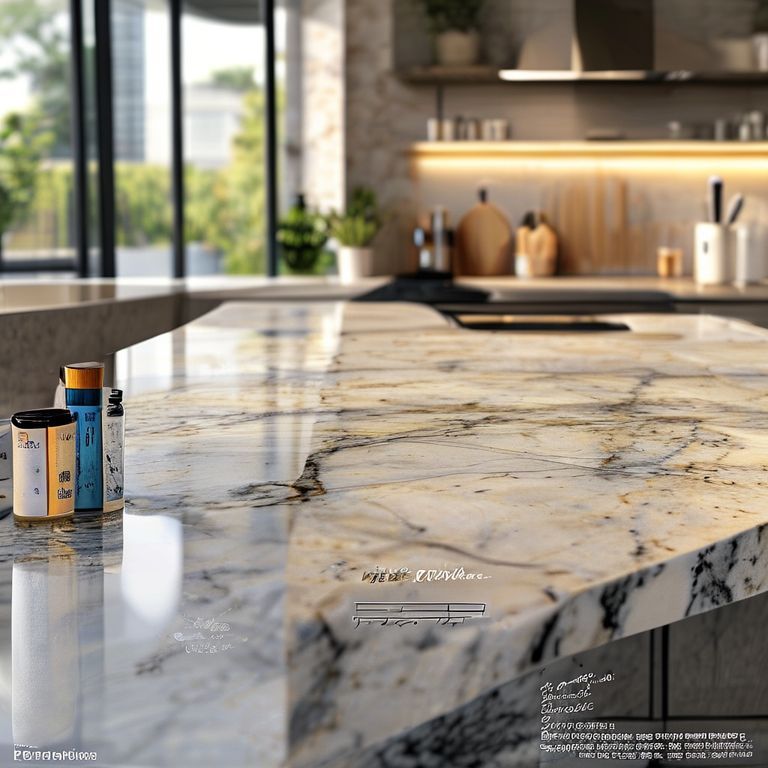
Visual Inspection: Look for gaps between the countertop and the cabinet or sink. Uneven surfaces are a clear sign of sinking. Physical Test: Place a level on the countertop to detect any dips or uneven areas. If the bubble stays in one position, it indicates a problem. Touch Test: Run your hands over the surface to feel any low spots that might not be visible.
Immediate Steps to Take
If you’ve identified that your artificial stone countertop is sinking, here’s what you should do right away:
Stop Using the Area: Avoid placing heavy items or using the affected area to prevent further damage. Consult a Professional: It’s often best to seek help from a professional who specializes in artificial stone countertop repair. They can accurately diagnose the issue and recommend the best course of action.
Temporary Fixes
While waiting for professional help, here are some temporary measures you can take to mitigate the problem:
Use Weight Distribution Pads: Place pads under the corners of the countertop to help level it temporarily. These can be found at most hardware stores. Add Extra Support: If the countertop is sinking towards the edge, place small blocks or wedges under the back edge to stabilize it.
Preventive Measures
Preventing future sinking is crucial for maintaining the longevity of your artificial stone countertop. Here are some preventive measures:
Proper Installation: Ensure that your countertop is installed by a professional who follows best practices to avoid installation-related issues. Weight Management: Avoid placing heavy items directly on the countertop. Use coasters to protect the surface and distribute weight more evenly. Moisture Control: Keep the area around the sink dry to prevent moisture damage. Use a drip pan or a sink cover to catch spills.
Conclusion
Sinking in artificial stone countertops can be a challenging issue, but understanding the causes and taking the right steps can help you address it effectively. From proper installation and maintenance to timely repairs, proactive measures are key to ensuring your countertop remains beautiful and functional for years to come. In the next part, we will delve deeper into advanced repair techniques and long-term solutions for your artificial stone countertop.
Continuing from where we left off, this part will focus on advanced repair techniques and long-term solutions for your artificial stone countertop that has sunk. Whether you prefer DIY methods or are ready to hire a professional, we’ll provide detailed guidance to ensure your countertop looks and functions as good as new.
Advanced Repair Techniques
When it comes to repairing a sunken artificial stone countertop, there are several advanced techniques that can be employed depending on the severity of the issue.
Re-adhesive Method
For moderate sinking, re-adhesive methods can often provide a quick and effective fix. Here’s how to do it:
Clean the Surface: Thoroughly clean the countertop and the area where it meets the cabinet to remove any dirt, grease, or moisture. Apply Adhesive: Use a strong adhesive designed for artificial stone. Apply it evenly to the surface where the countertop meets the cabinet. Re-secure the Countertop: Carefully place the countertop back into position and use clamps to hold it in place for at least 24 hours to ensure a strong bond. Epoxy Fill Method
For more severe cases where the countertop has significant gaps, an epoxy fill method can be effective. Here’s how to do it:
Mix Epoxy Resin: Follow the manufacturer’s instructions to mix the epoxy resin. Fill Gaps: Apply the epoxy resin into the gaps between the countertop and the cabinet. Use a putty knife to spread it evenly. Smooth the Surface: Once the epoxy has set, use a fine-grit sandpaper to smooth the surface. Polish: Finally, polish the surface to restore its original shine. Professional Reinstallation
For those who prefer a professional touch or have a particularly complex issue, hiring a professional to re-install the countertop can ensure a perfect fit and long-term stability. Professionals have the tools and expertise to handle even the most challenging cases.
Long-Term Solutions
To ensure that your artificial stone countertop remains in good condition and doesn’t sink again, consider these long-term solutions:
Regular Maintenance
Regular maintenance is key to prolonging the life of your countertop:
Cleaning: Use mild soap and water to clean your countertop. Avoid abrasive cleaners that can scratch the surface. Inspection: Regularly inspect the countertop for any signs of wear or damage. Weight Management
Proper weight management can prevent future sinking:
Distribute Weight Evenly: Avoid placing heavy items directly on the countertop. Use coasters and weight distribution pads to protect the surface. Use Cabinets for Storage: Store heavy items in cabinets instead of leaving them on the countertop. Moisture Control
Controlling moisture is essential to prevent damage:
Dry Spills Immediately: Wipe up spills immediately to prevent moisture from seeping into the countertop. Use a Drip Pan: Place a drip pan under the sink to catch any overflow. Professional Touch-Ups
Periodic professional touch-ups can help maintain the countertop’s appearance and structural integrity:
Sealing: Have a professional apply a sealant to protect the countertop from stains and scratches. Re-adhesive Work: If minor sinking occurs, a professional can perform re-adhesive work to keep the countertop secure.
Conclusion
Taking the right steps to repair and maintain your artificial stone countertop can save you from a lot of hassle and ensure a beautiful, functional kitchen. From advanced repair techniques to long-term solutions, this comprehensive guide has provided you with the tools and knowledge to address sinking issues effectively. By following these steps, you can enjoy a stunning countertop that stands the test of time. If you need further assistance, don’t hesitate to reach out to professionals who specialize in artificial stone countertop repair. With the right care, your kitchen will always look its best.