Unveiling the Truth: Does Artificial Stone Countertop Change Color? A Comprehensive Exploration
In the realm of modern home renovation, artificial stone countertops have emerged as a popular choice for kitchens, bathrooms, and other high-traffic areas. Renowned for their stunning aesthetics, durability, and low maintenance, these countertops are designed to mimic the appearance of natural stone while offering superior functionality. However, a common concern arises: does artificial stone change color over time? In this first part of our comprehensive exploration, we will delve into the nature of artificial stone, its resistance to color change, and the factors that might influence its appearance.

Understanding Artificial Stone: The Basics
Artificial stone, also known as synthetic stone, is a composite material made primarily from quartz and other minerals, bound together by a resin binder. This combination creates a material that is not only visually similar to natural stone but also boasts remarkable strength and resistance to wear and tear. The process of creating artificial stone involves mixing powdered quartz with a polymer resin, which is then poured into molds to achieve the desired shape and design.
Color Fastness of Artificial Stone
One of the most significant advantages of artificial stone is its exceptional color fastness. Unlike natural stone, which can be susceptible to fading, staining, and discoloration due to exposure to sunlight, chemicals, and everyday use, artificial stone maintains its vibrant appearance over time. The resin binder used in artificial stone acts as a protective layer, sealing the surface and preventing external elements from penetrating the material.
Factors That Might Influence Color Change
While artificial stone is highly resistant to color change, there are a few factors that might influence its appearance:
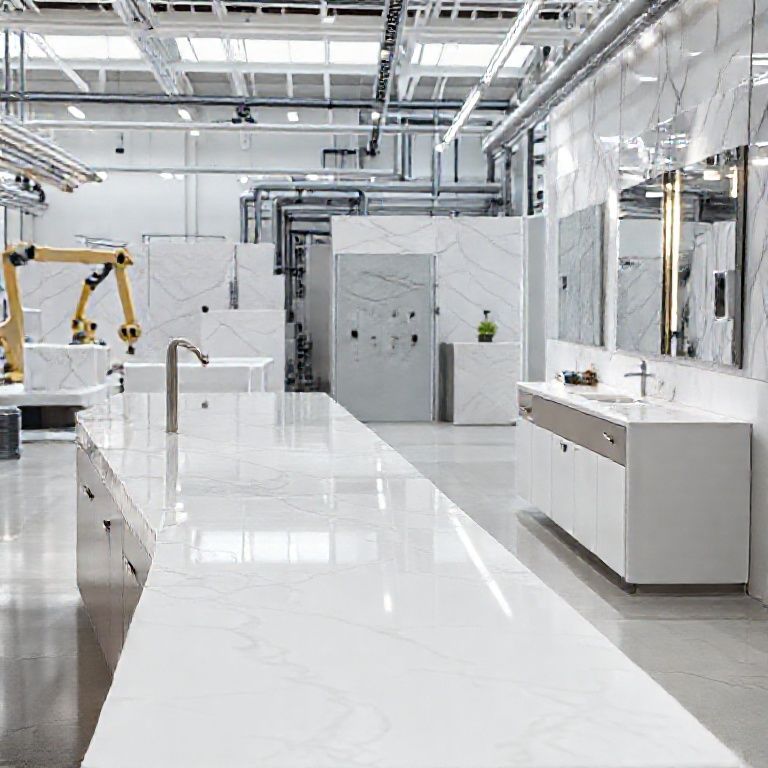
Extreme Temperatures: Exposure to extreme temperatures, such as prolonged direct sunlight or intense heat from cooking appliances, can cause slight variations in color. However, this effect is minimal and typically does not result in a significant change in the overall appearance of the countertop.
Chemical Exposure: Although artificial stone is resistant to most chemicals, prolonged exposure to harsh cleaning agents or acidic substances can cause minor discoloration. It is essential to use appropriate cleaning products and avoid abrasive tools that might scratch the surface.
Abrasive Damage: Physical damage, such as scratches or chips, can affect the appearance of artificial stone. While the material itself does not change color, any surface imperfections can be more noticeable and might require professional repair or resurfacing.
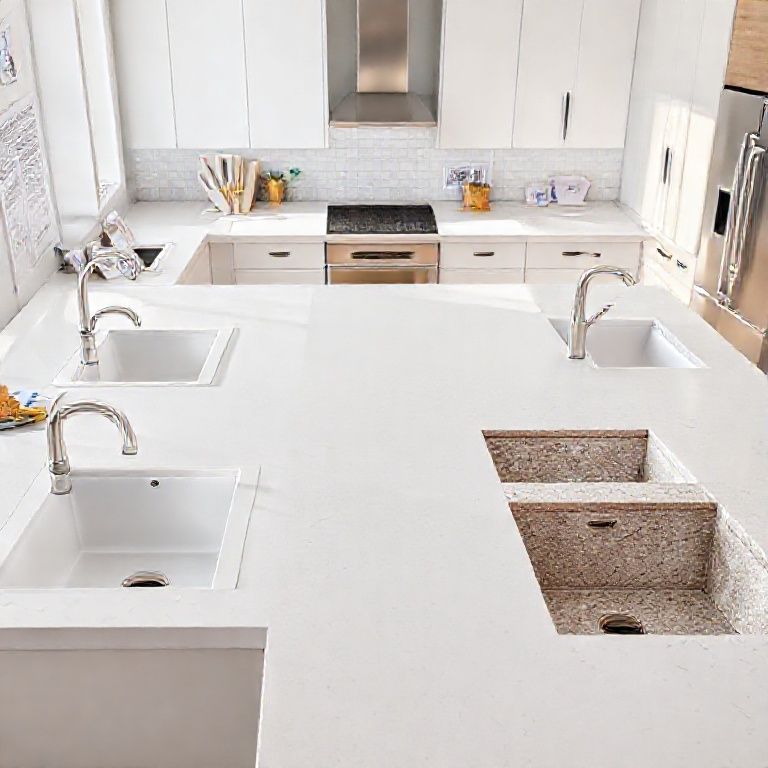
Maintenance Tips for Artificial Stone Countertops
To ensure that your artificial stone countertop retains its pristine appearance, follow these maintenance tips:
Use Appropriate Cleaning Products: Opt for mild, non-abrasive cleaning products specifically designed for artificial stone. Avoid using harsh chemicals or abrasive pads that can scratch the surface.
Regular Cleaning: Clean your countertop regularly to remove spills and stains promptly. A gentle wipe with a damp cloth followed by a dry cloth will keep the surface looking its best.
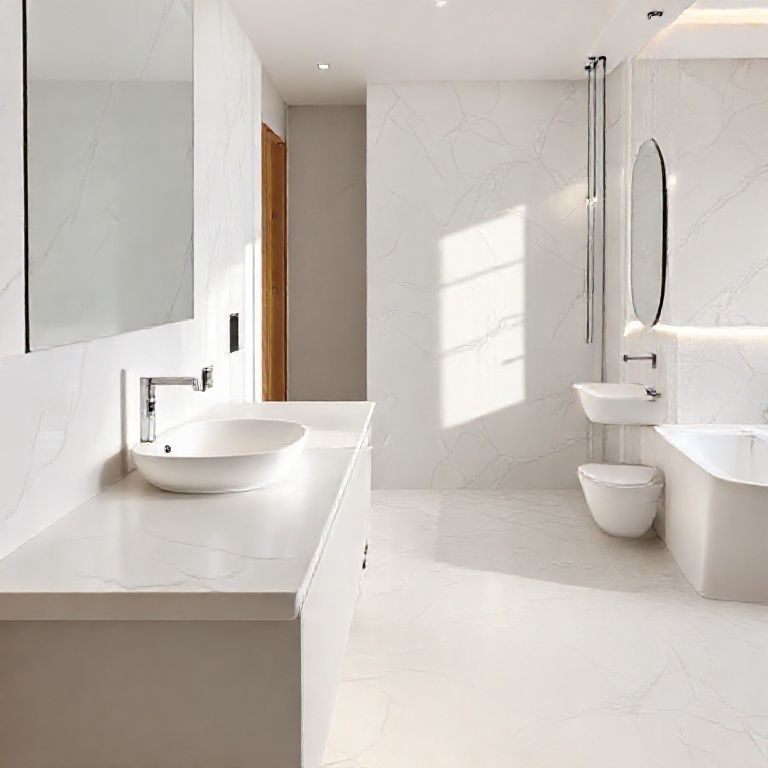
Immediate Spill Management: Address spills immediately to prevent stains from setting in. For liquid spills, blot the area with a clean cloth and then wipe it clean with a damp cloth.
Avoid Overheating: To prevent any potential color variation due to extreme temperatures, avoid placing hot pots or pans directly on the countertop when it is not in use.
Conclusion
In conclusion, artificial stone countertops are renowned for their durability and resistance to color change. The resin binder used in their construction provides a robust protective layer that shields the material from external elements that might cause discoloration. While extreme temperatures, chemical exposure, and abrasive damage can influence the appearance of the countertop, these factors typically result in minimal changes. By following proper maintenance practices, you can ensure that your artificial stone countertop remains a stunning focal point in your home for years to come.
Stay tuned for the second part of our exploration, where we will further delve into the advantages of artificial stone countertops, compare them with other countertop materials, and provide expert insights on choosing the best option for your home renovation project.
Unveiling the Truth: Does Artificial Stone Countertop Change Color? A Comprehensive Exploration
In our previous discussion, we explored the remarkable durability and color resistance of artificial stone countertops. Now, let’s continue our comprehensive exploration by diving deeper into the advantages of artificial stone, comparing it with other countertop materials, and offering expert insights on selecting the perfect option for your home renovation project.
Advantages of Artificial Stone Countertops
Artificial stone countertops offer a myriad of benefits that make them an excellent choice for modern homes. Here are some key advantages:
Aesthetic Versatility: Artificial stone comes in an extensive range of colors, patterns, and textures, allowing homeowners to choose designs that closely resemble natural stone or opt for unique, custom looks. This versatility enables you to create a kitchen or bathroom that perfectly aligns with your aesthetic preferences.
Durability and Strength: Artificial stone is known for its exceptional strength and durability. It is resistant to scratches, chips, and dents, making it an ideal choice for high-traffic areas where durability is paramount. Unlike natural stone, which can be prone to fractures, artificial stone offers a more robust and long-lasting solution.
Water Resistance: One of the standout features of artificial stone is its water resistance. It does not absorb water or moisture, which makes it easy to clean and maintain. This characteristic is particularly beneficial in kitchens and bathrooms, where water exposure is common.
Low Maintenance: Artificial stone countertops require minimal maintenance. Unlike natural stone, which may need sealing periodically to prevent staining and discoloration, artificial stone does not require such treatments. A simple wipe-down with a damp cloth is usually sufficient to keep the surface looking pristine.
Cost-Effective: Artificial stone is often more cost-effective than natural stone, especially when considering the additional costs associated with natural stone maintenance, such as sealing and occasional repairs. This affordability makes artificial stone an attractive option for budget-conscious homeowners.
Comparing Artificial Stone with Other Countertop Materials
To help you make an informed decision, let’s compare artificial stone countertops with other popular countertop materials:
Quartz: Durability: Both quartz and artificial stone are highly durable, but quartz offers slightly higher resistance to scratches and dents. Maintenance: Quartz requires periodic sealing to maintain its appearance, while artificial stone requires minimal maintenance. Cost: Quartz countertops tend to be more expensive than artificial stone. Granite: Durability: Granite is durable but can be prone to scratches and stains, especially from acidic foods and beverages. Maintenance: Granite needs regular sealing to prevent staining and discoloration. Cost: Granite countertops are generally more costly than artificial stone. Marble: Durability: Marble is less durable compared to artificial stone, as it can easily scratch, chip, and stain. Maintenance: Marble requires regular sealing and care to maintain its appearance. Cost: Marble countertops are typically the most expensive option. Slate: Durability: Slate is durable but can be prone to cracking under heavy pressure. Maintenance: Slate requires periodic sealing to prevent staining. Cost: Slate countertops are generally more affordable than marble and granite but still more expensive than artificial stone.
Expert Insights: Choosing the Best Option for Your Home Renovation
When selecting a countertop material for your home renovation, it is essential to consider your specific needs and preferences. Here are some expert insights to help you make the best choice:
Assess Your Needs: Consider the areas where the countertop will be used most frequently. If the countertop will be in a high-traffic kitchen area, prioritize durability and low maintenance. For a more decorative bathroom, aesthetic versatility might be more important.
Budget Considerations: Evaluate your budget and weigh the long-term costs of maintenance and potential repairs. Artificial stone often provides a cost-effective solution with minimal ongoing maintenance.
Aesthetic Preferences: Choose a material that aligns with your design vision. Artificial stone offers extensive color and texture options, allowing you to create a custom look that complements your home’s overall style.
Installation and Compatibility: Ensure that the chosen material is compatible with your existing cabinetry and kitchen design. Artificial stone is versatile and can be installed in various configurations.
Professional Advice: Consult with a professional contractor or designer who can provide expert advice tailored to your specific project. They can help you understand the pros and cons of different materials and guide you in making an informed decision.
Conclusion
Artificial stone countertops are a remarkable choice for modern home renovation, offering durability, low maintenance, and aesthetic versatility. While the material is highly resistant to color change, understanding the factors that might influence its appearance and following proper maintenance practices will ensure that your artificial stone countertop remains stunning for years to come.
By considering the advantages of artificial stone and comparing it with other countertop materials, you can make an informed decision that aligns with your needs, budget, and design preferences. Remember, the right choice will not only enhance the functionality of your space but also add timeless beauty and value to your home.
在这里,我将继续探讨如何更好地利用人造石台面,以及其在不同家居设计中的应用和实际操作。
实际应用与设计建议
厨房设计: 耐用性:人造石台面在厨房中特别受欢迎,因为它能够承受高温和日常烹饪过程中的污渍和溅水。虽然它不会轻易变色,但定期清洁仍然是保持其最佳状态的关键。 多样性:人造石的多种颜色和纹理允许设计师创造独特的视觉效果,从经典大理石风格到现代极简设计。
易清洁:用湿布擦拭即可清除大部分污渍,无需复杂的处理步骤。 浴室设计: 防水性:人造石材的防水特性使其成为浴室台面和壁板的理想选择。这种材料不会因水汽或化学清洁剂而变质或发霉。 防溅设计:在浴室中,人造石台面经常与防溅背板结合使用,以最大限度地减少水溅和清洁难度。
装饰效果:浴室台面可以设计成各种颜色和纹理,以与整体浴室风格完美融合。 客厅与其他公共空间: 高耐磨性:在客厅或办公室等高流量区域,人造石台面的耐磨性能是其主要优势。它能够承受日常的使用和碰撞。 现代设计:可以用作咖啡桌、书桌或展示台面,提供一个现代且耐用的表面。
维护与保养技巧
定期清洁:每天使用温和的清洁剂和水清洁人造石台面,避免使用酸性或碱性的清洁剂,以免损害表面。
处理污渍:遇到顽固污渍时,可以使用专门的人造石清洁剂。轻擦即可,避免刮伤表面。
避免重物冲击:虽然人造石台面非常坚固,但仍应避免在其上放置过重或尖锐物品,以防止表面损坏。
防止热损伤:尽量避免将热锅或热物品直接放在台面上,使用隔热垫或垫子可以进一步保护表面。
环保与可持续性
人造石材的生产过程通常比自然石材更加环保,因为它不需要开采,减少了对自然资源的破坏。由于其耐用性,人造石的使用寿命长,从而减少了更换的频率,这对环境也有积极影响。
结论
人造石台面以其优异的耐用性、美观性和易于维护的特点,成为了现代家居设计中的热门选择。无论是厨房、浴室还是其他公共空间,人造石都能提供一种既实用又美观的解决方案。通过正确的维护和保养,你的人造石台面将长期保持其最佳状态,为你的家居增添持久的美感和价值。