The Composition and Benefits of Artificial Stone Countertops
Introduction to Artificial Stone Countertops
In recent years, artificial stone countertops have revolutionized the way we think about kitchen and bathroom surfaces. These countertops combine the aesthetic appeal of natural stone with the durability and practicality of synthetic materials. But what exactly are they made of? Let’s explore the composition of these innovative surfaces and uncover the benefits they bring to modern renovations.

The Composition of Artificial Stone
Artificial stone countertops are primarily composed of a unique blend of minerals, polymers, and other materials. The most popular type of artificial stone is quartz, which is a composite material made from 90% natural quartz particles and 10% resin binder. This blend creates a product that is both visually stunning and exceptionally durable.
Key Components:
Natural Quartz: The primary ingredient in artificial stone is natural quartz, which provides the stone with its characteristic beauty. Quartz is a mineral that is abundant and versatile, lending itself to a wide range of colors and patterns.
Resin Binder: A polymer resin is used as a binder to hold the quartz particles together. This resin is responsible for the stone’s strength and durability. High-quality resins are used to ensure that the countertops can withstand heavy use and resist stains, scratches, and other forms of damage.
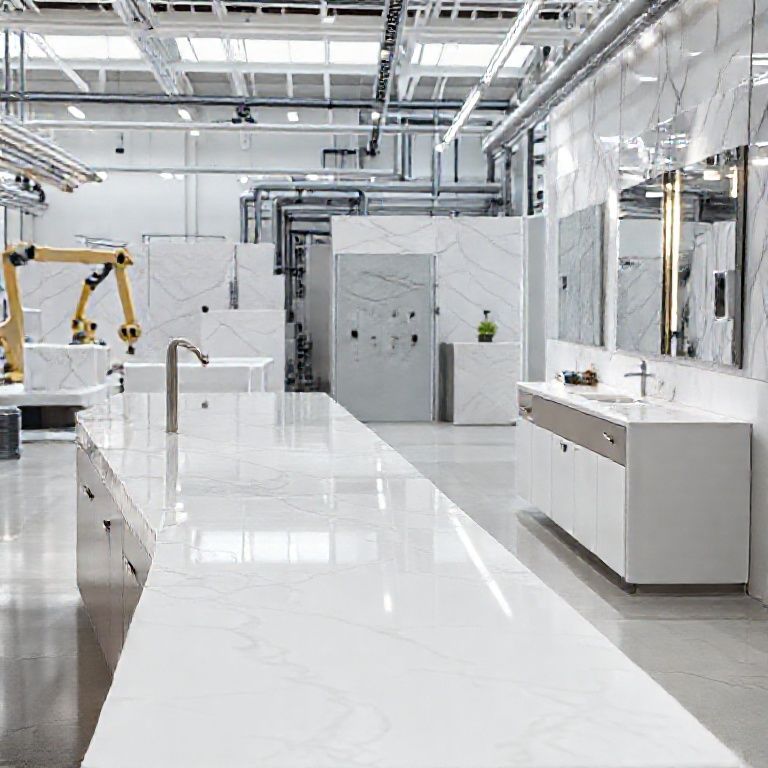
Colorants and Pigments: To achieve the wide variety of colors and patterns seen in artificial stone, colorants and pigments are added to the mixture. These are carefully formulated to produce vibrant and long-lasting results.
Other Additives: Various other additives can be included to enhance the properties of the artificial stone. This might include UV stabilizers to prevent fading, mold inhibitors to ensure sanitary conditions, and additives that improve the stone’s thermal properties.
Benefits of Artificial Stone Countertops
Artificial stone countertops offer numerous advantages over traditional materials like granite, marble, and solid surfaces. Here are some of the key benefits:
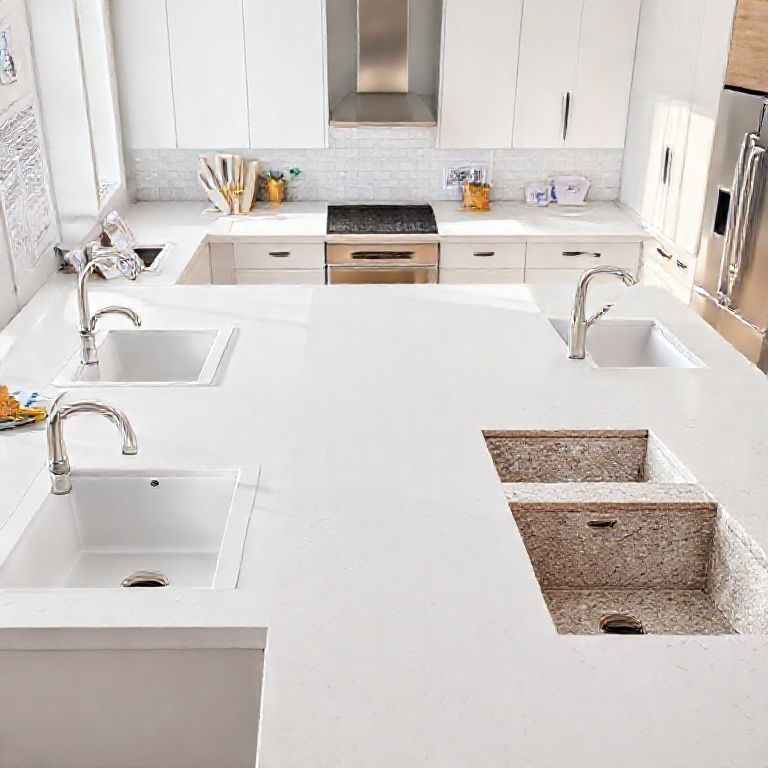
Durability: Artificial stone is highly resistant to scratches, chips, and stains. The resin binder ensures that the surface remains smooth and intact, even with heavy use.
Aesthetic Variety: With thousands of colors and patterns available, artificial stone provides almost limitless design possibilities. This makes it a versatile choice for any kitchen or bathroom style.
Maintenance: Unlike natural stone, artificial stone countertops do not require sealing. They are easy to clean with simple household cleaners, making them a low-maintenance option.
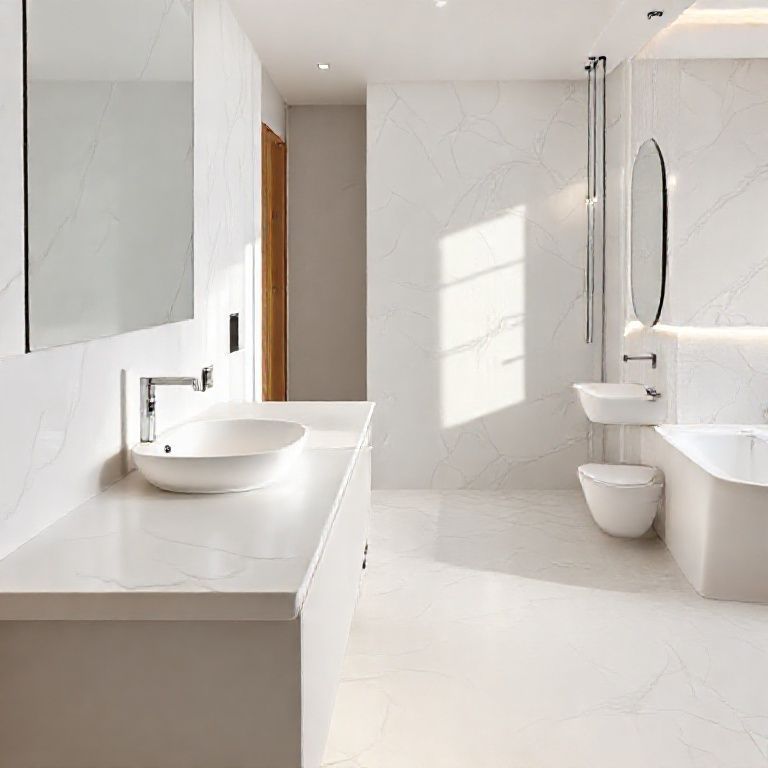
Cost-Effective: Artificial stone is often more affordable than natural stone, while still offering a luxurious appearance. This makes it an attractive choice for homeowners looking to upgrade their countertops without breaking the bank.
Environmentally Friendly: The production of artificial stone generates less waste compared to natural stone. Additionally, the use of recycled materials in some artificial stone products further reduces environmental impact.
Weight: Artificial stone is lighter than natural stone, making it easier to handle during installation.
Conclusion to Part 1
The composition of artificial stone countertops is a fascinating blend of natural quartz and synthetic materials that combine to create a product that is both beautiful and highly functional. The benefits of these countertops, including their durability, aesthetic variety, and low maintenance, make them an appealing option for modern home renovations. In the next part, we will delve deeper into the different types of artificial stone and explore their specific applications in various settings.
Different Types of Artificial Stone and Their Applications
Introduction to Different Types of Artificial Stone
While quartz is the most popular material used in artificial stone countertops, there are other types of artificial stone as well. Each type has its own unique set of properties and is suited to different applications. In this part, we will explore various types of artificial stone and their specific uses in residential and commercial settings.
Types of Artificial Stone
Quartz Composites:
Quartz composites are the most widely used type of artificial stone. These countertops are made from a combination of 90% natural quartz and 10% polymer resin. The high quartz content ensures a natural stone look and feel, while the resin binder provides strength and durability.
Granite Composites:
Granite composites are similar to quartz composites but use granite particles instead of quartz. These countertops offer a granite-like appearance and are known for their durability and resistance to scratches and stains.
Marble Composites:
Marble composites combine marble dust with polymer resin to create a countertop that mimics the look of natural marble. These countertops are popular in upscale settings for their elegant appearance.
Concrete Composites:
Concrete composites use cement as the binder instead of resin. These countertops are often used for their rugged, industrial look and are highly resistant to wear and tear.
Applications of Artificial Stone
Residential Settings
Kitchens:
Artificial stone countertops are a top choice for modern kitchens. They offer the aesthetic appeal of natural stone without the maintenance and cost. Quartz countertops, in particular, are favored for their sleek, contemporary look and exceptional durability.
Bathrooms:
In bathrooms, artificial stone countertops provide a luxurious yet practical surface. Their resistance to moisture and stains makes them ideal for wet environments like bathrooms, where natural stone would typically require more maintenance.
Living Rooms and Home Offices:
Beyond kitchens and bathrooms, artificial stone countertops can be used in living rooms and home offices to add a touch of elegance and sophistication. Their neutral colors and versatile patterns make them suitable for various interior styles.
Commercial Settings
Restaurants and Cafés:
In commercial kitchens, such as those found in restaurants and cafés, artificial stone countertops are highly valued for their durability and ease of cleaning. Their resistance to spills and stains ensures that they can withstand the high traffic and demanding conditions of a commercial kitchen.
Offices and Retail Spaces:
Artificial stone is also popular in offices and retail spaces. The sleek, modern look of these countertops complements a wide range of business environments, from sleek corporate offices to bustling retail stores.
Healthcare Facilities:
In healthcare facilities, such as hospitals and clinics, artificial stone countertops are favored for their hygienic properties. Their resistance to bacteria and ease of cleaning make them an ideal choice for environments where cleanliness is paramount.
Installation and Maintenance
Installation:
Installing artificial stone countertops is generally straightforward. Unlike natural stone, which often requires specialized cutting and fitting, artificial stone can be cut and shaped using standard tools. The lightweight nature of artificial stone makes it easier to handle during installation, and it can often be adhered directly to the substrate with standard adhesives.
Maintenance:
Maintaining artificial stone countertops is simple and requires minimal effort. Regular cleaning with a mild soap and water solution is usually sufficient to keep the surface looking its best. For more stubborn stains, a specialized cleaner can be used. It’s important to avoid using abrasive cleaners or scrubbers, as they can scratch the surface of the stone.
Conclusion to Part 2
The world of artificial stone countertops is vast and varied, offering a wide range of options for different applications in both residential and commercial settings. From quartz to granite composites, each type of artificial stone brings unique benefits and aesthetic possibilities. Whether you’re looking to upgrade your kitchen, bathroom, or office space, artificial stone provides a durable, low-maintenance, and visually stunning solution. By understanding the composition and applications of these innovative materials, you can make an informed decision that will enhance the beauty and functionality of your space.
This comprehensive exploration of artificial stone countertops has highlighted their composition, benefits, and various applications. Whether you’re considering a kitchen renovation or looking to add a touch of elegance to your commercial space, artificial stone offers a versatile and durable option that continues to gain popularity in the world of interior design.