${part1}
${part1}
Unveiling the Mysteries of Mold Formation on Synthetic Stone Countertops: A Comprehensive Exploration

In today’s modern kitchens, synthetic stone countertops have become a popular choice for their durability, aesthetic appeal, and ease of maintenance. However, even these resilient surfaces are not immune to the problem of mold formation, especially when moisture seeps into the material. This two-part article aims to unravel the complexities behind why synthetic stone countertops can develop mold and how to prevent it effectively.
Understanding Synthetic Stone Countertops
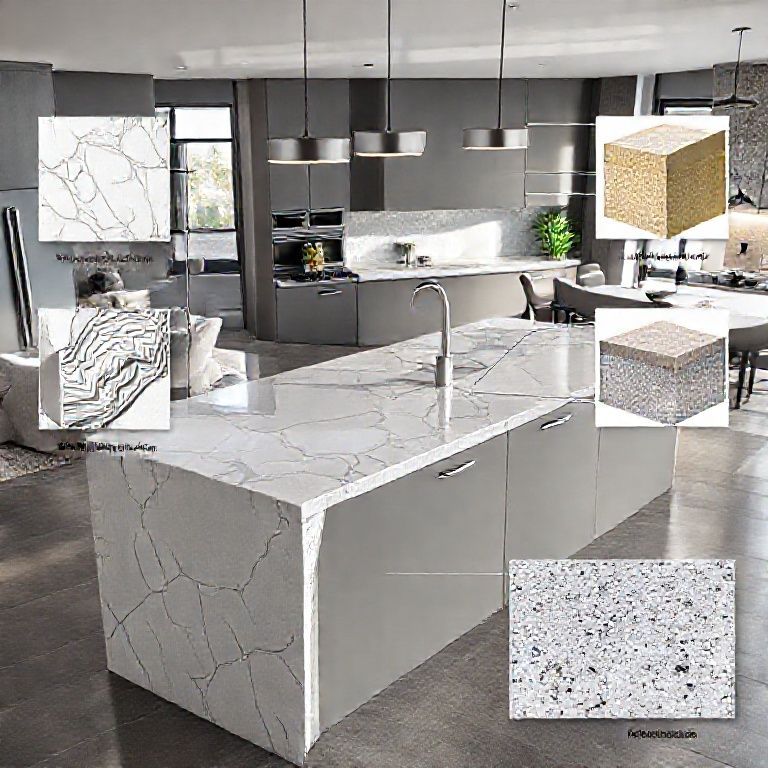
Before diving into the reasons behind mold formation, it is essential to understand the composition of synthetic stone countertops. These countertops are primarily made from a combination of natural stone powders, such as quartz, marble, or calcite, which are bonded together with a resin. The result is a material that mimics the look of natural stone while offering enhanced durability and resistance to scratches and stains.
The Role of Moisture
Water and moisture are the primary culprits behind mold growth on any surface, including synthetic stone countertops. When water seeps into the pores of the material, it can create an environment conducive to mold spores. These spores thrive in warm, damp conditions, leading to the formation of mold colonies.
Factors Leading to Mold Formation
Several factors can contribute to mold formation on synthetic stone countertops. Let’s explore these in detail:
Leaks and Water Infiltration: The most common cause of mold on synthetic stone countertops is water leakage from sinks, faucets, or under-cabinet areas. Even minor leaks can lead to moisture seeping into the countertop, creating a breeding ground for mold.
Poor Drainage: If your kitchen sink or dishwasher drainage is not functioning correctly, water can accumulate under the countertop, leading to moisture buildup and mold growth.
High Humidity: Kitchens with high humidity levels, such as those in tropical climates or poorly ventilated spaces, can contribute to mold formation on synthetic stone countertops.
Food Spills and Stains: Although synthetic stone is resistant to many stains, spills from acidic foods like tomatoes or citrus can penetrate the surface and create a favorable environment for mold growth.
Inadequate Cleaning: Failure to clean synthetic stone countertops regularly can lead to the buildup of grease, food particles, and other residues. These residues can trap moisture, promoting mold growth.
Prevention Tips for Mold Formation
To keep your synthetic stone countertops mold-free, it is crucial to implement effective prevention strategies. Here are some practical tips:
Regular Cleaning: Clean your countertops regularly with a mild soap and water solution. Avoid using harsh chemicals that can damage the surface. Dry the surface thoroughly after cleaning to prevent moisture buildup.
Prompt Leak Repairs: Address any leaks or water infiltration issues promptly. Repairing minor leaks can prevent significant moisture accumulation and mold growth.
Ventilation: Ensure proper ventilation in your kitchen. Use exhaust fans to remove excess moisture and reduce humidity levels.
Drainage Maintenance: Regularly check and clean your sink and dishwasher drains to prevent water accumulation under the countertop.
Humidity Control: Use dehumidifiers in high-humidity areas to maintain optimal moisture levels and prevent mold growth.
Food Spill Management: Wipe up food spills immediately to prevent residues from trapping moisture and promoting mold growth.
In the next part of this series, we will delve deeper into the specific cleaning and maintenance techniques to prevent mold formation on synthetic stone countertops, along with advanced solutions to address existing mold issues.
${part2}
Advanced Techniques and Solutions for Preventing Mold on Synthetic Stone Countertops
In the previous part of this series, we discussed the factors that contribute to mold formation on synthetic stone countertops and provided basic prevention tips. In this part, we will delve deeper into advanced cleaning and maintenance techniques to ensure your countertops remain mold-free. We will also explore effective anti-mold solutions and maintenance strategies to keep your synthetic stone surfaces pristine.
Advanced Cleaning Techniques
To maintain the integrity of your synthetic stone countertops and prevent mold growth, it is essential to follow advanced cleaning techniques:
Proper Cleaning Products: Use pH-neutral cleaning products specifically designed for synthetic stone. Harsh chemicals can damage the surface, while gentle cleaners will effectively remove residues without harming the material.
Microfiber Cloths: Opt for microfiber cloths for cleaning as they are gentle on the surface and effective at removing dirt and grime without scratching the countertop.
Brush Cleaning: For intricate designs and hard-to-reach areas, use a soft-bristle brush to clean around the edges and intricate patterns of the countertop.
Avoid Scrubbing: Avoid scrubbing the surface with abrasive materials or brushes that can scratch the synthetic stone. Instead, use gentle circular motions to clean the surface.
Rinse Thoroughly: Always rinse the countertop thoroughly after cleaning to remove any residual cleaning solution that could attract moisture and mold spores.
Anti-Mold Solutions
To further prevent mold growth on your synthetic stone countertops, consider incorporating anti-mold solutions into your maintenance routine:
Anti-Mold Spray: Use an anti-mold spray designed for stone surfaces. These sprays contain natural ingredients that inhibit mold growth and can be applied regularly to maintain a mold-free environment.
Silicone Sealant: Apply a silicone sealant around the edges of the countertop where water is most likely to seep in. This barrier can help prevent moisture from penetrating the surface and causing mold.
Tea Tree Oil: Tea tree oil is a natural antifungal agent that can be diluted and used as a cleaning solution. It is effective at preventing mold growth without damaging the synthetic stone.
Vinegar Solution: A mixture of equal parts water and vinegar can be used as a cleaning solution. Vinegar is a natural disinfectant and can help prevent mold growth when used regularly.
Maintenance Tips for Long-Term Mold Prevention
To ensure long-term mold prevention on your synthetic stone countertops, consider the following maintenance tips:
Regular Inspections: Regularly inspect your countertops for any signs of water infiltration, mold, or damage. Early detection can prevent significant mold growth and damage.
Proper Ventilation: Maintain proper ventilation in your kitchen to reduce humidity levels. Use exhaust fans and open windows when possible to keep the air circulating.
Sealant Renewal: Reapply sealants periodically to maintain a barrier against moisture. Depending on the product, sealants may need to be refreshed every six months to a year.
Clean Drains: Regularly clean kitchen sink and dishwasher drains to prevent water accumulation under the countertop. Use a drain cleaner designed for stone surfaces to avoid damage.
Food Storage: Store food properly to prevent spills and residues on the countertop. Use containers with tight-fitting lids to minimize the risk of contamination.
Mold Remediation: If mold does develop, act quickly to remediate it. Use anti-mold cleaning solutions and ensure proper ventilation to prevent the mold from spreading.
By following these advanced techniques and maintenance tips, you can effectively prevent mold formation on your synthetic stone countertops and keep them looking pristine and beautiful.
In conclusion, maintaining the integrity of your synthetic stone countertops requires a combination of regular cleaning, proper maintenance, and the use of effective anti-mold solutions. By understanding the factors that contribute to mold growth and implementing preventive strategies, you can ensure your countertops remain mold-free and in excellent condition for years to come.