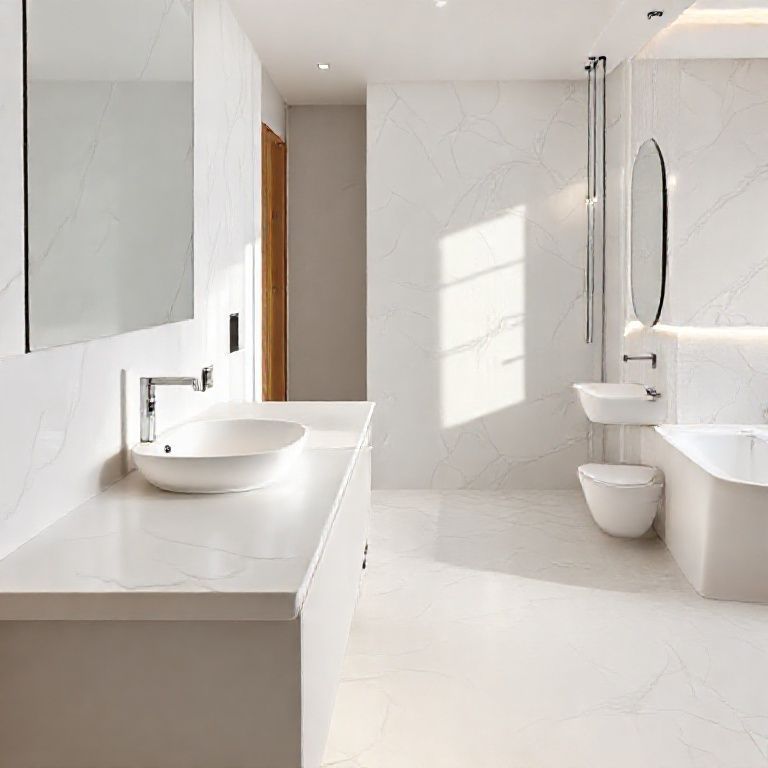
${part1} Understanding the Radiation in Artificial Marble: How Long Does It Take to Fade?
Artificial marble, a stunning and versatile material that has revolutionized modern interiors, is often praised for its durability, aesthetic appeal, and cost-effectiveness. However, one question that has frequently arisen is about the radiation levels in artificial marble and how long it takes for any potential radiation to dissipate. In this first part of our guide, we will delve into the science behind artificial marble, its sources of radiation, and the factors that influence the longevity of this radiation.
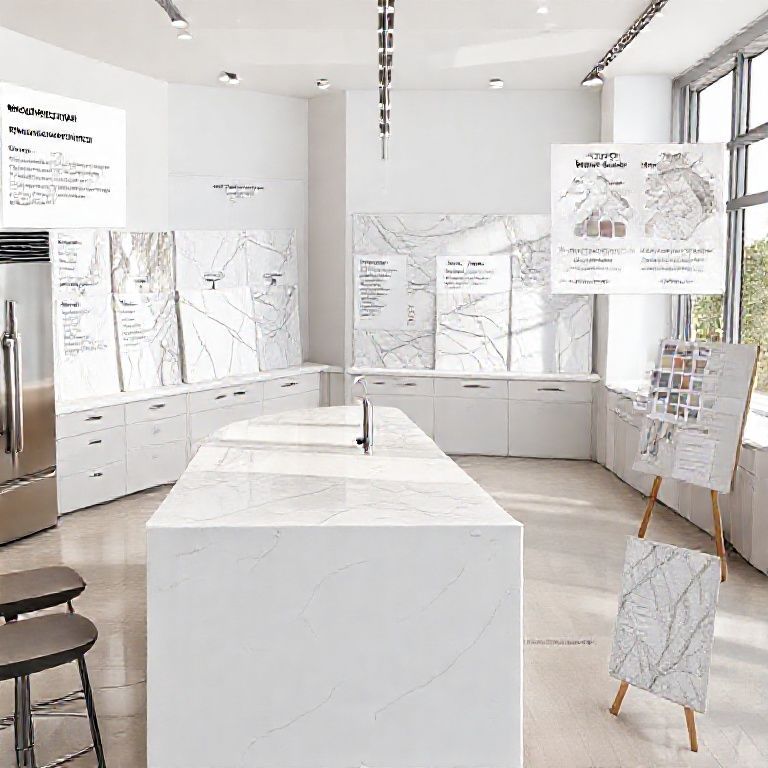
What is Artificial Marble?
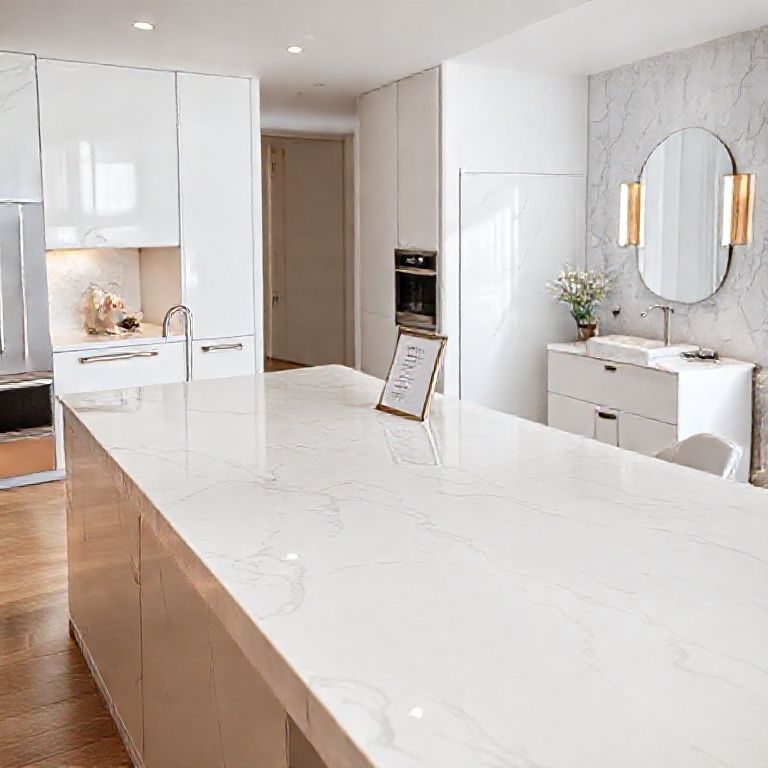
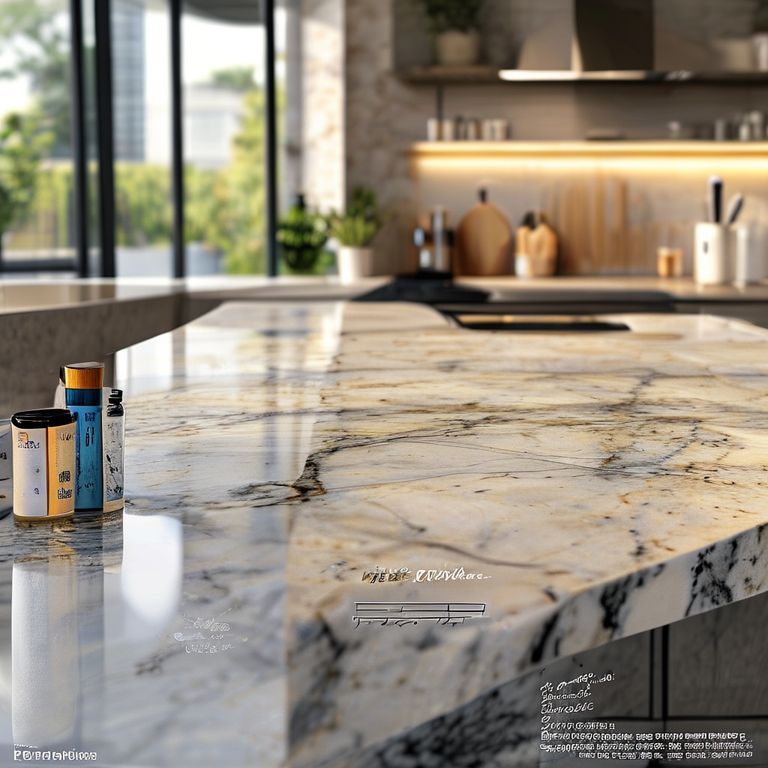
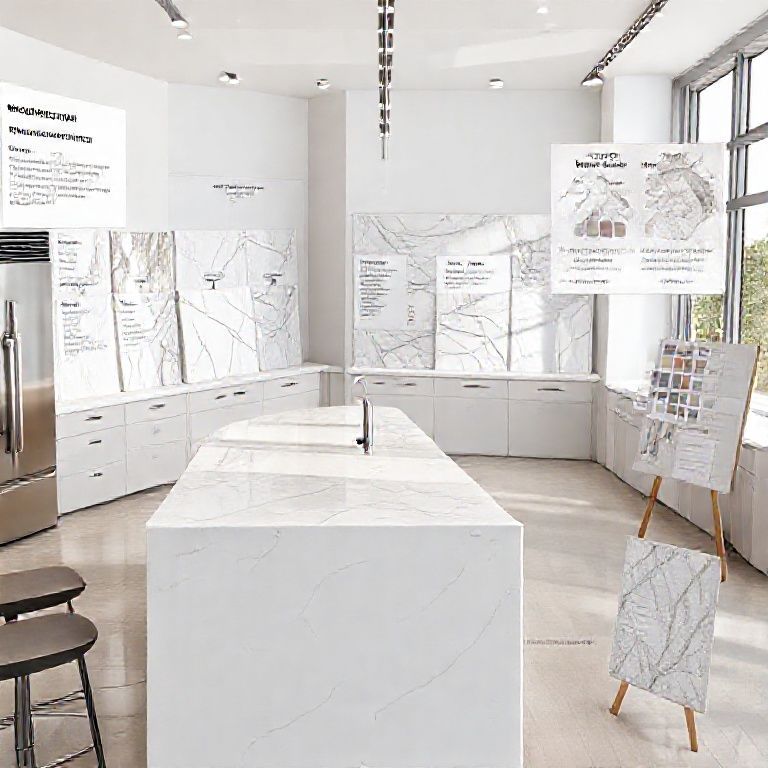
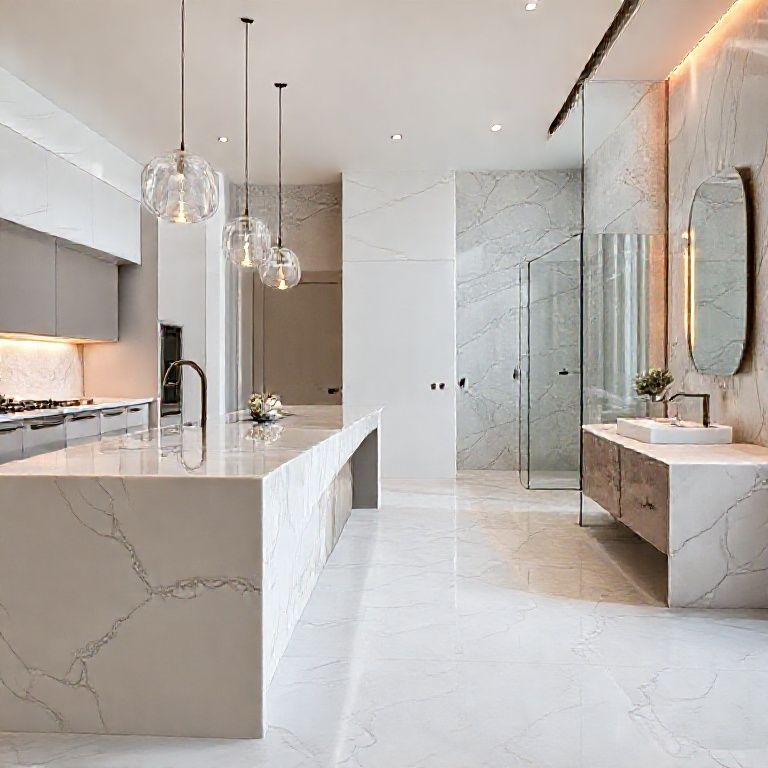
Artificial marble, also known as cultured marble, is a composite material made from a mixture of water, limestone, marble chips, and a polymer resin. This innovative material is designed to mimic the appearance of natural marble while offering superior strength and resistance to scratches, stains, and other forms of damage. Unlike natural marble, which is a naturally occurring stone with unique patterns and textures, artificial marble provides a more uniform and consistent aesthetic.
The Source of Radiation in Artificial Marble
Radiation concerns often arise when discussing materials that are composed of natural elements or contain certain types of minerals. However, artificial marble, being a synthetic product, does not inherently possess the same natural radioactive properties as some natural stones. The primary concern with radiation in artificial marble typically stems from the inclusion of certain types of pigments or additives used during its production process.
Factors Influencing Radiation Levels
Pigments and Additives: Some pigments used in the production of artificial marble may contain elements like lead, barium, or other heavy metals, which can contribute to radiation levels. However, reputable manufacturers use non-toxic, low-radiation materials to ensure safety.
Production Techniques: The methods used to create artificial marble can also influence radiation levels. High-pressure and high-temperature processes may lead to the incorporation of radiation-emitting particles, although modern manufacturing processes have significantly reduced these risks.
Storage and Handling: The way artificial marble is stored and handled during production and transportation can affect radiation exposure. Proper storage in controlled environments minimizes the potential for increased radiation levels.
Safety Standards and Regulations
To ensure consumer safety, artificial marble products are subject to stringent safety standards and regulations. Manufacturers are required to comply with various guidelines set by health and safety organizations, such as the Occupational Safety and Health Administration (OSHA) and the Environmental Protection Agency (EPA). These regulations help to ensure that artificial marble products do not pose significant health risks.
How Long Does Radiation Take to Fade?
When discussing the dissipation of radiation in artificial marble, it’s important to clarify that this material does not emit radiation in the same way natural radioactive materials do. Instead, the term “radiation” in this context generally refers to potential chemical emissions from additives used during manufacturing. These emissions can include volatile organic compounds (VOCs), which may pose health risks if not properly managed.
VOCs and Their Dissipation
The primary concern with artificial marble in terms of “radiation” is typically related to VOCs. These compounds can off-gas from the material during the curing process, which solidifies and hardens the artificial marble. The curing period varies depending on the specific formulation and production process but generally takes several days to weeks.
Curing Time: During the curing process, artificial marble undergoes a transformation where the polymer resin binds with the mineral aggregates. This process can take anywhere from 24 hours to several weeks, depending on the product and environmental conditions.
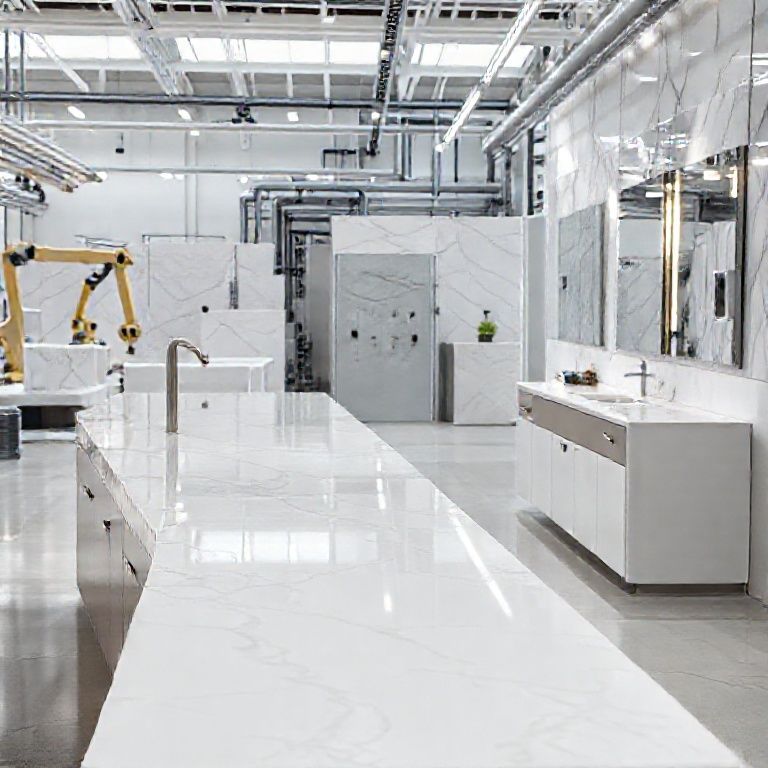
Ventilation: Proper ventilation during and after the curing process is crucial for allowing VOCs to dissipate. This involves ensuring that the area where the artificial marble is installed is well-ventilated to facilitate the release of these compounds.
Time: As time passes, the concentration of VOCs in the artificial marble decreases, leading to lower levels of radiation-like emissions. Typically, it can take up to several months for the VOC levels to significantly decrease, ensuring that the material is safe for use.
Conclusion
While artificial marble does not emit radiation in the traditional sense, understanding the factors that influence radiation-like emissions is essential for ensuring its safe use. By adhering to safety standards, proper curing techniques, and ensuring adequate ventilation, manufacturers and consumers can minimize potential health risks associated with this versatile material.
Stay tuned for the second part of our guide, where we will explore more about the long-term safety and environmental impact of artificial marble, and provide additional tips for maintaining its quality and safety.
${part2} Ensuring Long-Term Safety and Environmental Impact of Artificial Marble
In the second part of our guide, we continue to explore the fascinating world of artificial marble. This versatile material has gained popularity due to its aesthetic appeal and practical benefits. However, it’s equally important to understand its long-term safety and environmental impact. In this section, we will discuss the sustainability of artificial marble, its health effects, and how to maintain its safety and quality over time.
Sustainability of Artificial Marble
Artificial marble is often touted as a more sustainable alternative to natural stone due to several reasons:
Resource Conservation: Artificial marble is produced using a combination of limestone, marble chips, and polymer resins. This process requires fewer natural resources compared to the extraction and transportation of natural marble, which can have significant environmental impacts.
Waste Reduction: The production of artificial marble can result in lower waste compared to natural stone. Since it is a manufactured product, the manufacturing process can be optimized to minimize waste and emissions.
Recyclability: Many components of artificial marble can be recycled, further reducing its environmental footprint. Manufacturers are increasingly incorporating recycled materials into their production processes.
Health Effects of Artificial Marble
While artificial marble does not emit radiation in the traditional sense, understanding its health effects is crucial for long-term safety:
VOC Emissions: As previously mentioned, artificial marble can emit volatile organic compounds (VOCs) during the curing process. These compounds can have adverse health effects if not properly managed. Long-term exposure to high levels of VOCs can lead to respiratory issues, headaches, and other health problems.
Additives and Chemicals: Some additives used in the production of artificial marble, such as pigments and sealants, may contain chemicals that pose health risks. However, reputable manufacturers use non-toxic, low-VOC materials to minimize these risks.
Surface Contamination: Although artificial marble is resistant to stains and bacteria, surfaces can still become contaminated with harmful substances. Proper cleaning and maintenance can help to prevent the buildup of harmful contaminants.
Maintaining the Safety and Quality of Artificial Marble
To ensure that artificial marble remains safe and of high quality over time, follow these best practices:
Proper Curing: Follow the manufacturer’s instructions for curing the artificial marble. Proper curing ensures that the material reaches its full strength and reduces the risk of surface defects.
Ventilation: Ensure adequate ventilation during and after the curing process to allow VOCs to dissipate. This helps to minimize health risks associated with VOC emissions.
Regular Cleaning: Clean artificial marble surfaces regularly using mild, non-abrasive cleaners. Avoid using harsh chemicals that can damage the surface or attract contaminants.
Avoiding Heat Sources: Protect artificial marble from direct heat sources, such as open flames or high-temperature appliances. Heat can cause the material to warp or crack, compromising its integrity.
Inspecting for Damage: Regularly inspect artificial marble surfaces for signs of damage, such as chips, cracks, or scratches. Promptly address any damage to prevent further deterioration.
Long-Term Safety and Environmental Impact
The long-term safety and environmental impact of artificial marble depend on several factors, including manufacturing practices, product formulation, and user maintenance:
Manufacturing Practices: Reputable manufacturers follow sustainable practices and use materials that minimize environmental impact. Choosing products from manufacturers that prioritize sustainability can help reduce the overall environmental footprint of artificial marble.
Product Formulation: Advances in material science have led to the development of artificial marble formulations that are more environmentally friendly and safer for long-term use. Look for products that use low-VOC resins, non-toxic pigments, and eco-friendly additives.
User Maintenance: Proper maintenance and care of artificial marble can significantly extend its lifespan and ensure its safety over time. By following best practices for cleaning, handling, and storage, you can minimize the risk of damage and contamination.
Conclusion
Artificial marble offers numerous benefits, including aesthetic appeal, durability, and cost-effectiveness. However, understanding its long-term safety and environmental impact is crucial for ensuring its safe and sustainable use. By继续探讨如何保持人造大理石的长期安全性和环境影响,我们需要更深入地了解其在使用和维护过程中的具体挑战和最佳实践。
长期使用中的挑战
化学损伤:尽管人造大理石抗污性能强,但它仍然可能受到某些化学物质的损伤。强酸、强碱和某些清洁剂可能会腐蚀人造大理石的表面,导致颜色变化或损坏。使用时应避免直接接触这些化学物质。
机械损伤:虽然人造大理石比天然大理石更耐用,但它仍然对剧烈的机械冲击和高温有一定的敏感性。避免让热水或炽热物品直接接触表面,以防止热膨胀和热应力造成的裂纹。
污渍和细菌:虽然人造大理石不易沾染污渍,但长期积累的油脂、食物残渣和细菌仍可能对其表面造成损害。特别是在厨房和浴室等高湿度和高污染的环境中,需要特别注意清洁和消毒。
维护和保养技巧
使用温和清洁剂:选择温和的清洁剂来保持人造大理石的光泽和颜色。避免使用含有研磨颗粒或强碱的清洁产品。可以选择专门针对人造石材设计的清洁剂。
及时清除污渍:任何掉落的食物、饮料或化学物质应立即清除,以防止污渍渗入材料并难以去除。使用干净的布或海绵轻轻擦拭干净。
定期消毒:特别是在厨房和浴室等高污染区域,定期使用消毒剂进行清洁和消毒可以有效预防细菌滋生。可以使用专门的石材消毒剂,确保其成分对人造大理石无害。
保护措施:在使用过程中,可以考虑在人造大理石表面安装保护垫或垫圈,特别是在放置炉具、炉灶或其他热源时,这样可以减少热损伤的风险。
环境影响与可持续发展
材料选择:选择使用环保材料制成的人造大理石产品,这些材料在生产过程中尽量减少对环境的影响。选择低VOC、无毒的材料,这不仅对人体健康有益,也对环境更为友好。
生产工艺:关注生产工艺,选择那些采用绿色制造技术、节能减排的制造商。这些工艺不仅能减少生产过程中的污染,还能降低材料的使用量,从源头上减少环境影响。
产品寿命:人造大理石的耐用性使其成为一次性投资。其长寿命不仅减少了更换的频率,也降低了因频繁更换带来的环境负担。
回收与再利用:尽管人造大理石在制造时对环境影响较小,但在其生命周期结束时,如何处理废弃材料仍是一个挑战。支持和参与材料的回收和再利用计划,可以进一步减少环境影响。
结论
人造大理石在现代建筑和装饰中的应用越来越广泛,其美观和耐用性使其成为许多人的首选。为了确保其长期安全性和对环境的可持续影响,我们需要在选择材料、使用方法和维护保养方面做出明智的决策。通过选择环保材料、正确使用和维护人造大理石,我们不仅能够享受其优异的性能,还能为环境保护做出贡献。
希望这些信息能帮助你更好地了解和管理人造大理石的使用。