Understanding the Radiation Range of Synthetic Marble: A Comprehensive Guide
In today’s world, synthetic marble has become an incredibly popular choice for home and commercial spaces due to its aesthetic appeal, durability, and low maintenance. However, a topic often overlooked is the radiation range of synthetic marble. This comprehensive guide aims to shed light on this subject, ensuring you are well-informed and can make educated decisions about this modern marvel.
What is Synthetic Marble?
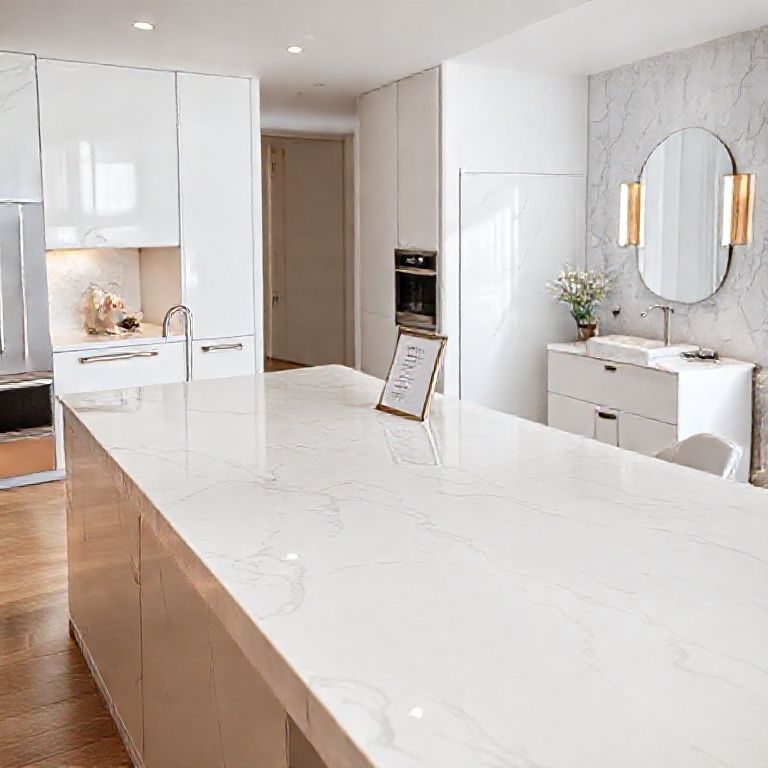
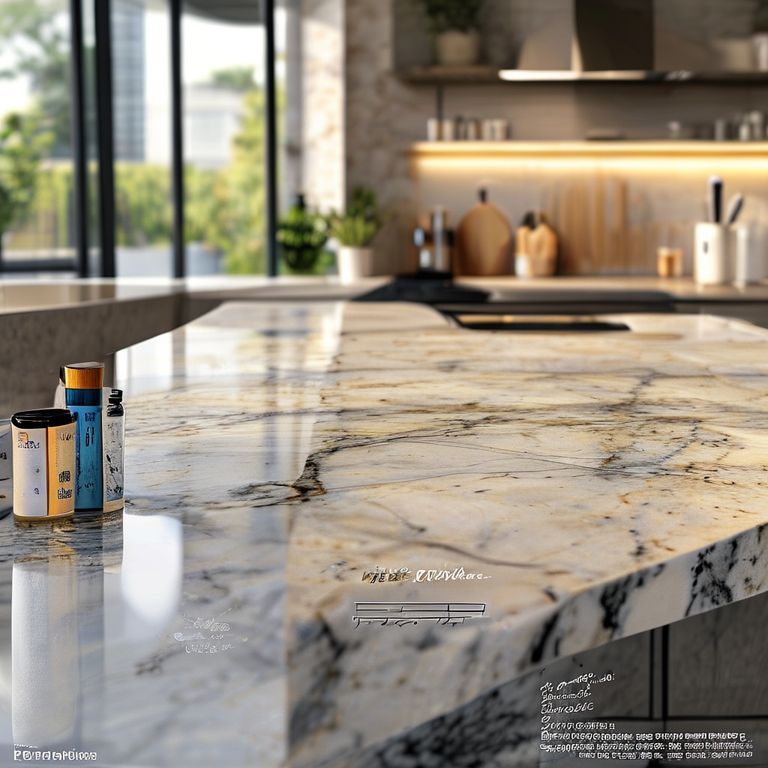
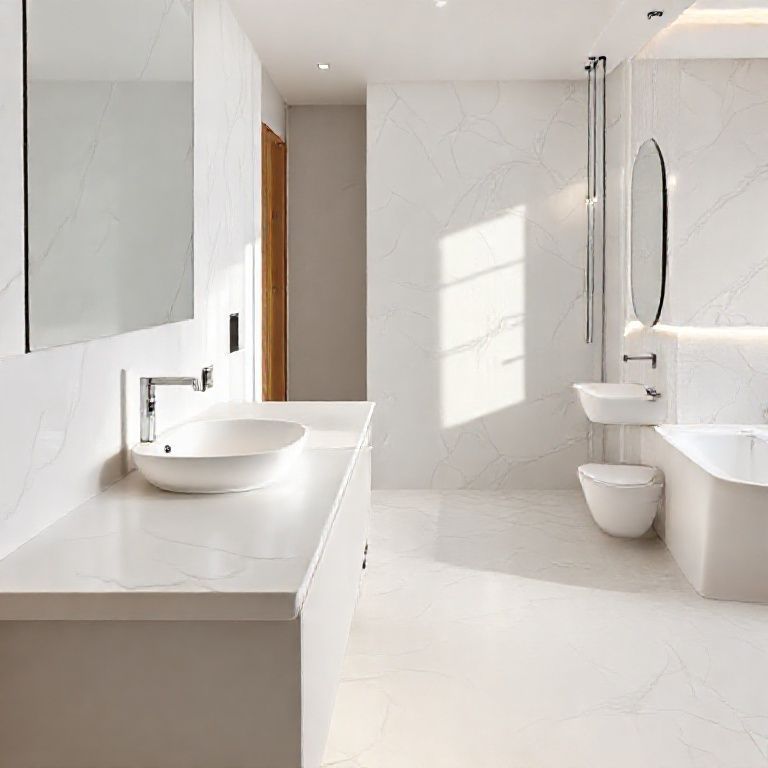
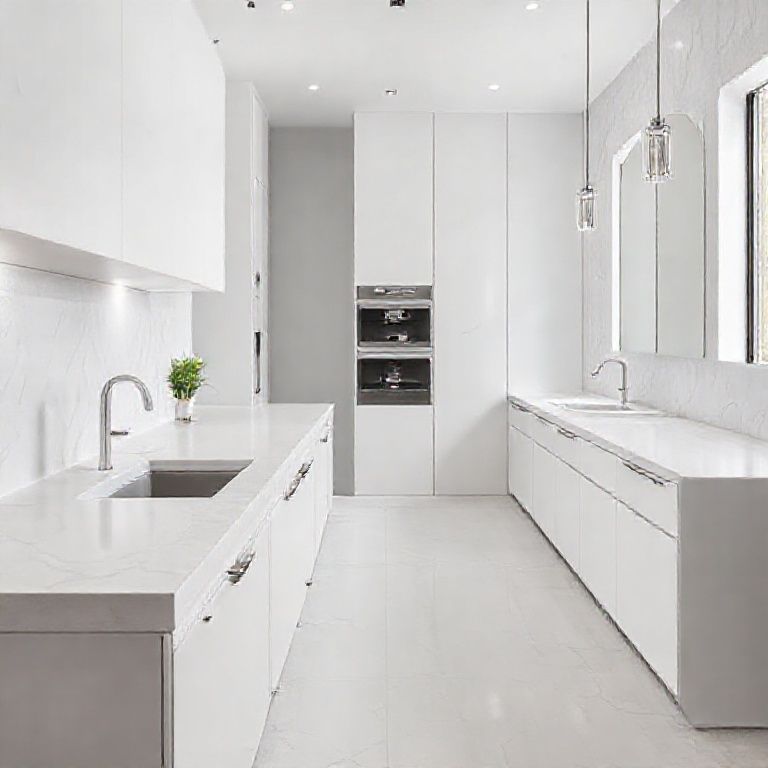
Synthetic marble, often referred to as cultured marble, is a composite material made from limestone, marble dust, and other minerals bonded together with a resin. It is renowned for its beautiful appearance, mimicking natural marble while offering superior resistance to scratches, stains, and heat. Its versatility makes it suitable for countertops, sinks, fountains, and various other applications.
The Radiation Concern
The term “radiation” in the context of synthetic marble often sparks concern. However, it’s important to clarify that radiation here does not refer to the harmful kind emitted by radioactive materials. Instead, it pertains to the ultraviolet (UV) radiation that synthetic marble may emit during its manufacturing process.
How Radiation Range is Measured
To understand the radiation range of synthetic marble, it’s crucial to delve into how radiation is measured. The radiation emitted by synthetic marble is generally very low and falls within the UVA spectrum. The UVA radiation emitted is often negligible compared to the UV radiation we receive from the sun.

The radiation range can be measured using specific scientific equipment, such as UV meters. These devices can detect the levels of UV radiation emitted by the material. For synthetic marble, the measurements typically show minimal radiation, often well within safe limits.
Health Implications
The health implications of synthetic marble’s radiation are minimal. The UV radiation emitted is not strong enough to cause harm to human skin or eyes. In fact, the levels are so low that they do not pose any significant health risks. It’s worth noting that the primary concern with UV radiation is from natural sources like sunlight, which our bodies are naturally adapted to handle.
Safety Standards and Regulations
Synthetic marble manufacturers adhere to strict safety standards and regulations. These standards ensure that the materials used and the manufacturing processes employed do not emit harmful radiation levels. Regulatory bodies such as the Environmental Protection Agency (EPA) in the United States and similar organizations worldwide oversee these standards to ensure consumer safety.
Real-World Applications and Safety
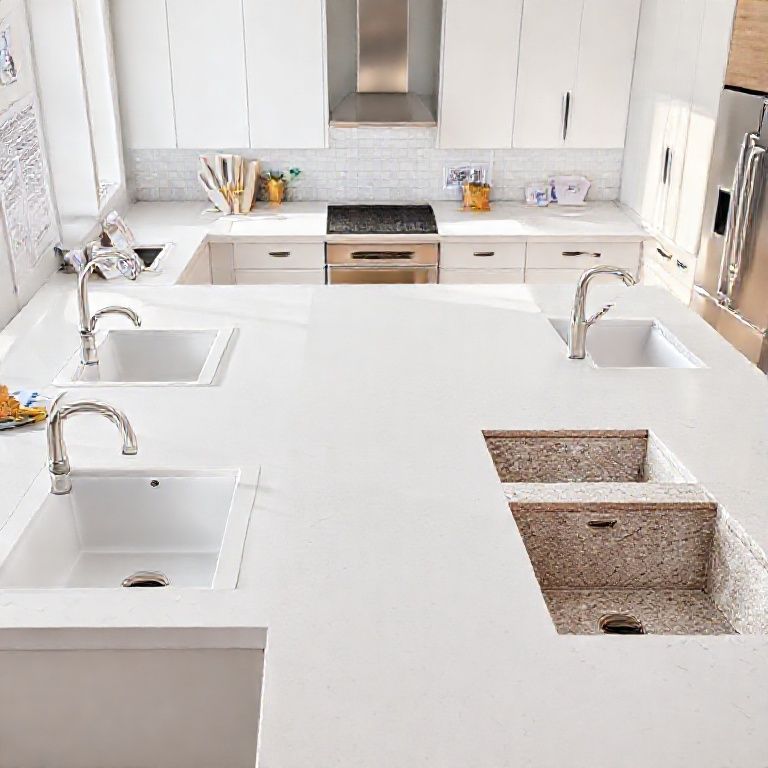
In real-world applications, synthetic marble is used extensively in various settings, from high-end kitchens and bathrooms to commercial spaces like offices and restaurants. Despite its widespread use, there have been no reported cases of adverse health effects directly linked to the radiation emitted by synthetic marble. This widespread usage further underscores the safety and reliability of synthetic marble as a material.
Managing Radiation Exposure
While the radiation emitted by synthetic marble is minimal, it’s always good practice to manage any potential exposure. Here are some tips:
Regular Monitoring: If you’re particularly concerned about radiation levels, consider using UV meters to monitor the levels emitted by your synthetic marble surfaces.
Proper Ventilation: Ensure good ventilation in areas where synthetic marble is used to minimize any potential build-up of any minor emissions.
Awareness: Stay informed about the latest research and guidelines related to synthetic marble and radiation. Knowledge is power when it comes to ensuring a safe living environment.
Conclusion
The radiation range of synthetic marble is a topic that has garnered attention, but the facts are reassuring. Synthetic marble’s UV radiation emissions are minimal and well within safe limits, posing no significant health risks. With stringent safety standards and extensive use in various settings, synthetic marble continues to be a trusted choice for those seeking durability, beauty, and ease of maintenance in their living spaces.
In the next part of our guide, we will delve deeper into the environmental impact of synthetic marble, its sustainability, and how you can choose eco-friendly options without compromising on quality.
Understanding the Radiation Range of Synthetic Marble: A Comprehensive Guide
In the previous part of our guide, we explored the minimal radiation emitted by synthetic marble and its negligible health implications. Now, let’s delve deeper into the environmental impact, sustainability, and how you can choose eco-friendly options without compromising on the superior qualities of synthetic marble.
Environmental Impact of Synthetic Marble
Understanding the environmental impact of synthetic marble is essential in today’s eco-conscious world. While synthetic marble is often seen as a modern marvel, it’s important to consider its life cycle from production to disposal.
Production Process
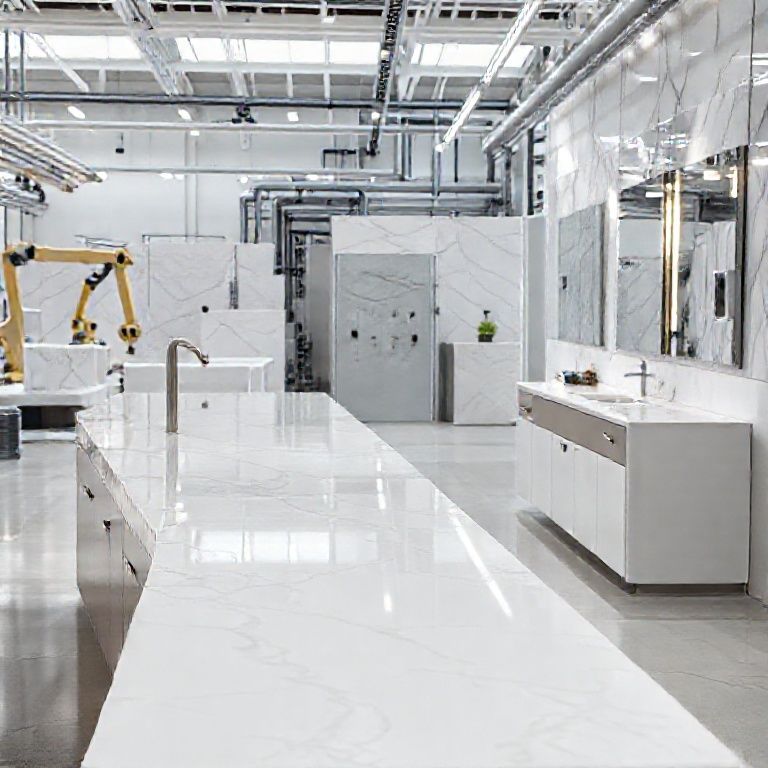
The production of synthetic marble involves several steps, starting from the extraction of limestone to the blending and mixing with resin. While the materials used are natural, the production process can have environmental implications:
Resource Extraction: Limestone, the primary ingredient, is extracted from quarries. While this process can impact local ecosystems, it is a natural resource that can be sustainably managed.
Manufacturing Emissions: The manufacturing process of synthetic marble can emit certain volatile organic compounds (VOCs). However, modern manufacturing techniques aim to minimize these emissions through advanced filtration and ventilation systems.
Lifespan and Durability
One of the significant advantages of synthetic marble is its durability. It is resistant to scratches, stains, and heat, which means it requires less frequent replacement compared to other materials. This longevity reduces the need for constant raw material extraction and manufacturing, thereby lowering the overall environmental footprint.
End-of-Life Disposal
When it comes to the disposal of synthetic marble, it’s important to note that it is not biodegradable. However, it is a recyclable material. Many manufacturers offer take-back programs where old synthetic marble can be recycled into new products. Proper disposal methods ensure that synthetic marble does not contribute to landfill waste.
Sustainability Considerations
Sustainability in material selection involves considering not just the immediate environmental impact but also the long-term ecological effects. Synthetic marble, when produced and disposed of responsibly, can be a sustainable choice.
Eco-Friendly Manufacturing
Many manufacturers are adopting greener practices in the production of synthetic marble. This includes:
Low VOC Formulas: Developing formulations with lower VOC emissions to minimize air pollution.
Energy Efficiency: Implementing energy-efficient manufacturing processes to reduce carbon footprint.
Renewable Resources: Using renewable resources and sustainable mining practices for the extraction of raw materials.
Sustainable Choices
Choosing synthetic marble from manufacturers who prioritize sustainability can make a significant difference. Look for certifications and eco-labels that indicate responsible manufacturing practices.
Making Eco-Friendly Choices
If you’re keen on making an eco-friendly choice without compromising on the benefits of synthetic marble, consider the following tips:
Select Certified Products: Opt for synthetic marble products that have eco-certifications such as LEED (Leadership in Energy and Environmental Design) or other sustainability certifications.
Support Local Manufacturers: When possible, choose products from local manufacturers who have a smaller carbon footprint due to reduced transportation emissions.
Recycling Programs: Participate in recycling programs offered by manufacturers or local recycling facilities to ensure that old synthetic marble is properly disposed of and recycled.
Maintenance: Regular maintenance of synthetic marble surfaces can extend their lifespan, reducing the need for replacements and the associated environmental impacts.
The Future of Sustainable Synthetic Marble
The future of synthetic marble looks promising with ongoing research and development focused on making the material even more sustainable. Innovations in low-VOC formulations, energy-efficient manufacturing, and recycling technologies are paving the way for a greener future.
Research and Development
Researchers and manufacturers are constantly exploring new ways to make synthetic marble production more sustainable. This includes developing new eco-friendly materials, improving manufacturing processes, and enhancing recycling technologies.
Policy and Regulation
Government policies and regulations are increasingly focusing on environmental sustainability. Manufacturers are adapting to these regulations to ensure compliance and promote sustainable practices.
Conclusion
In conclusion, synthetic marble, when produced and disposed of responsibly, can be a sustainable choice. While the radiation emitted by synthetic marble is minimal and poses no significant health risks, it’s essential to consider its environmental impact throughout its life cycle. By choosing eco-friendly options and supporting sustainable manufacturing practices, you can enjoy the beauty and durability of synthetic marble while contributing to a healthier planet.
As we move forward, continued advancements in sustainable practices and innovations will ensure that synthetic marble remains a viable and responsible choice for modern living spaces.