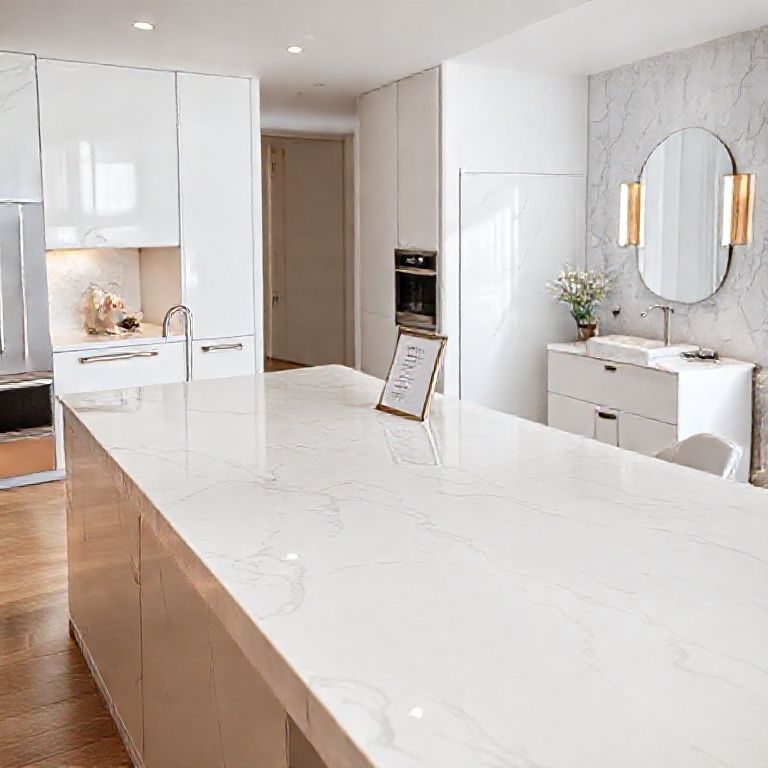
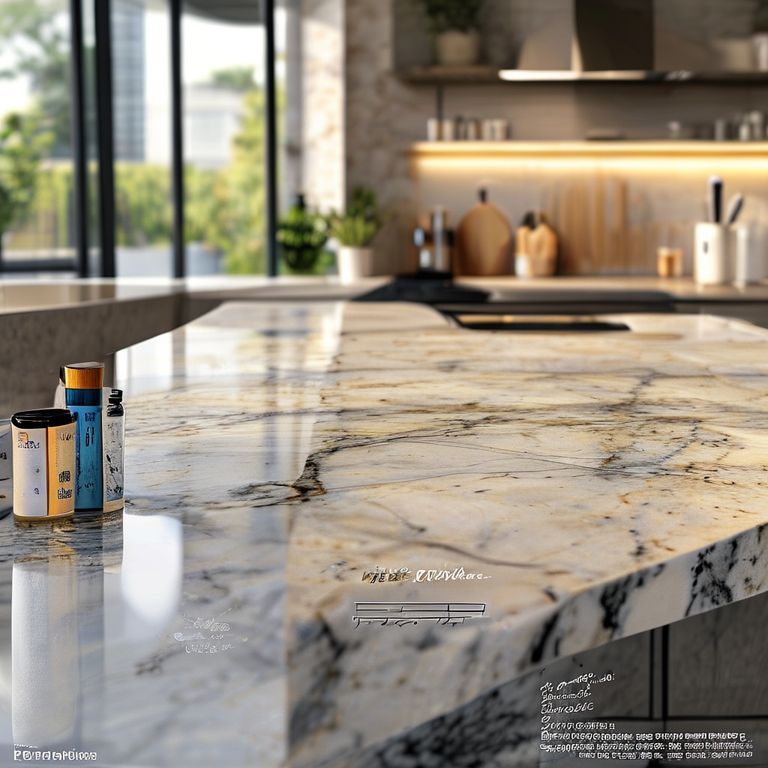
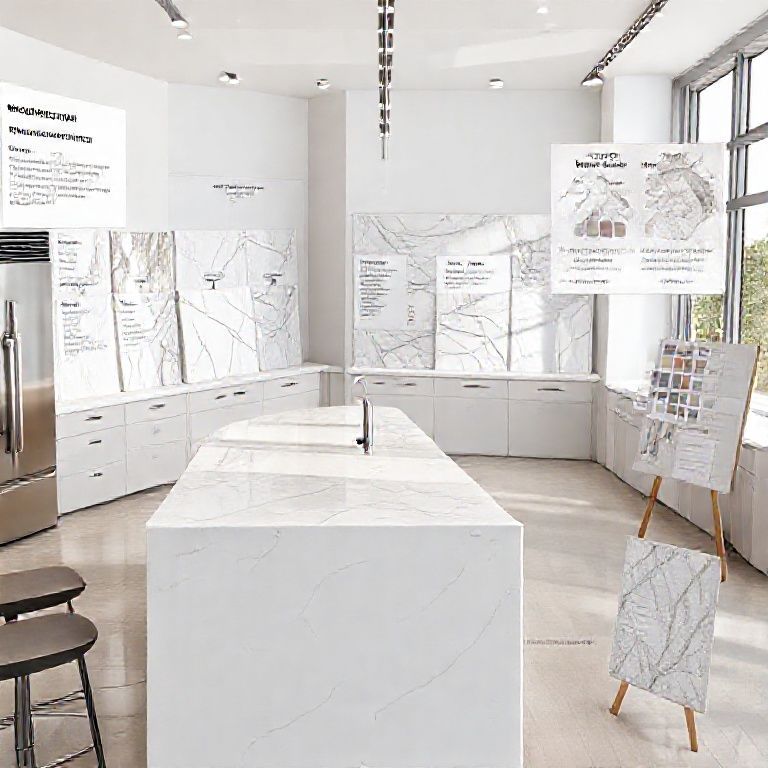
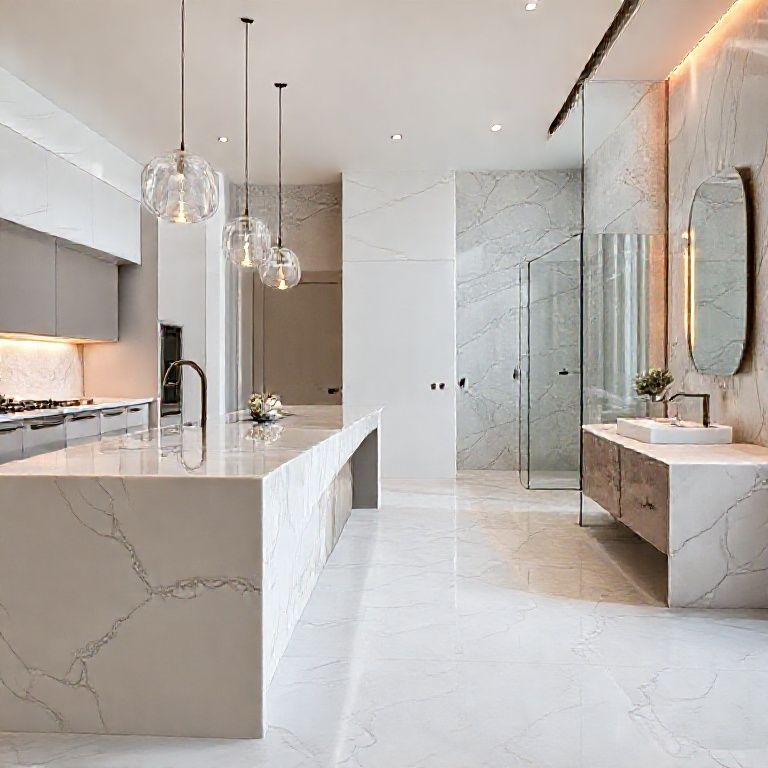
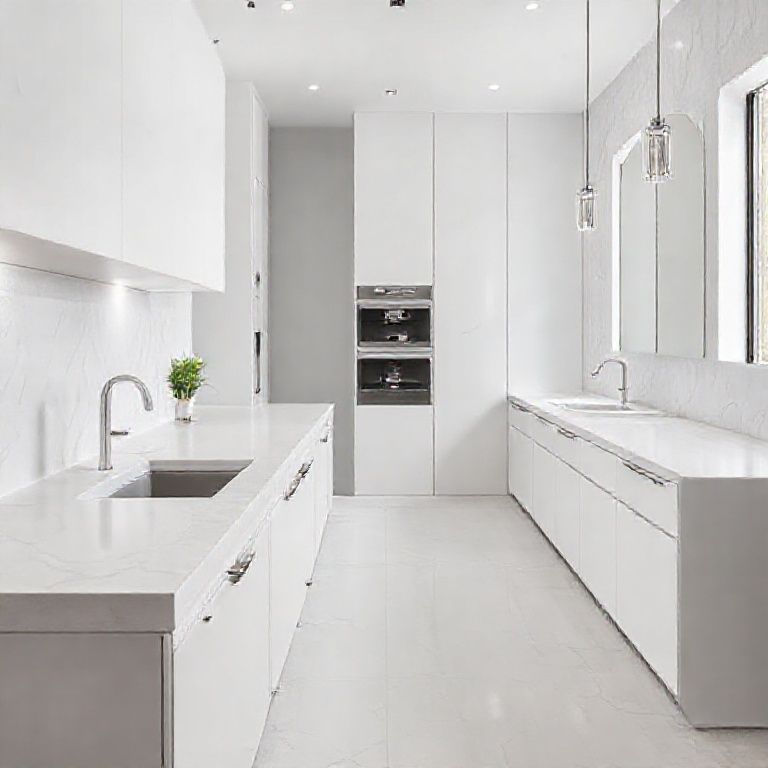
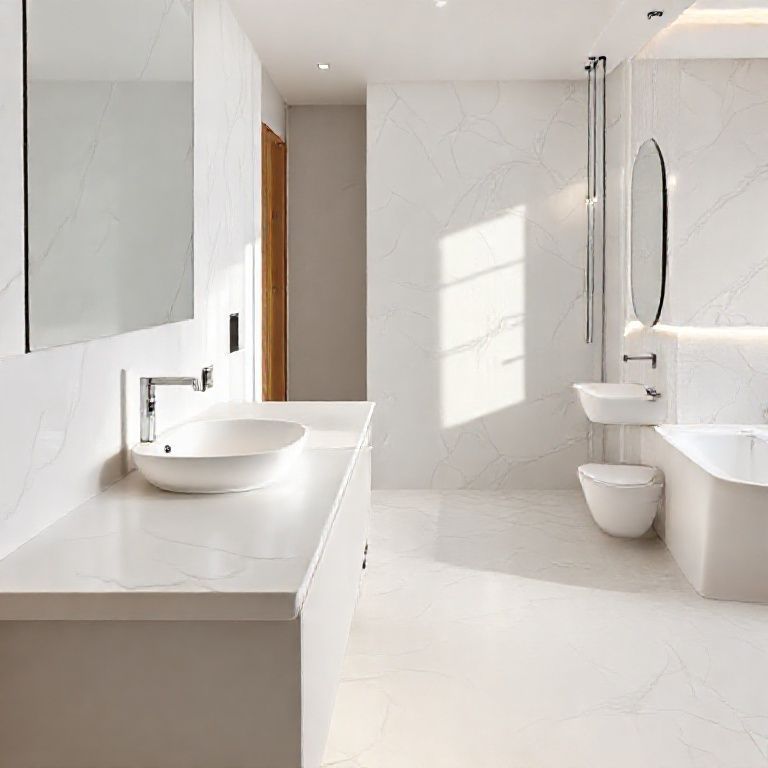
In this in-depth exploration, we delve into the intricate world of formaldehyde release from artificial marble. Understanding the timeline and factors influencing the release of this chemical is crucial for ensuring a safe living environment. This article aims to provide clear, informative, and engaging insights into the subject, helping you make well-informed decisions regarding artificial marble installations in your home or office.
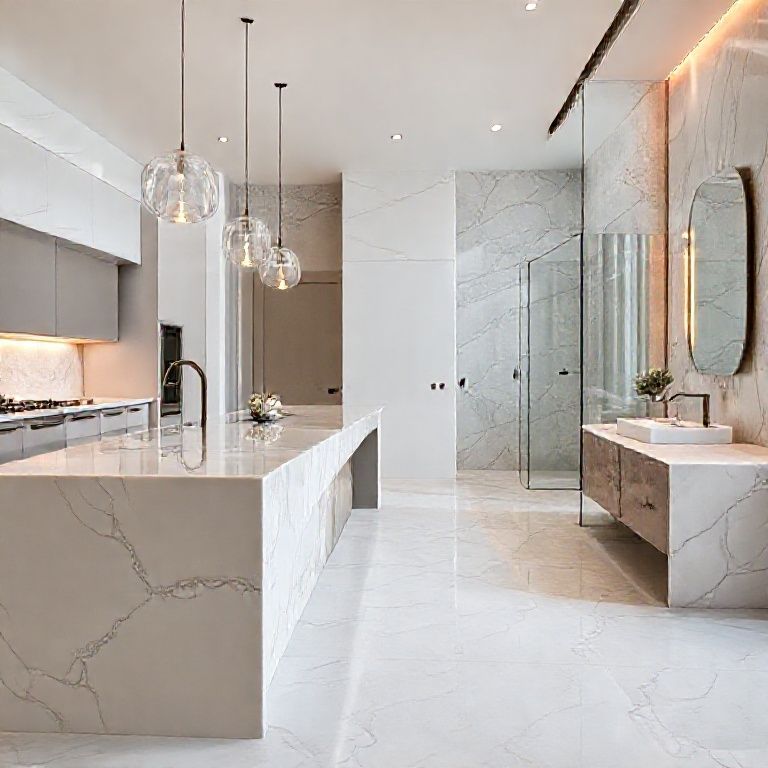
formaldehyde, artificial marble, release timeline, indoor air quality, health risks, safety measures, installation guidelines, environmental factors, maintenance tips
Part 1
Understanding the Release of Formaldehyde from Artificial Marble
Artificial marble, a popular choice for countertops, sinks, and other interior applications, has gained significant popularity due to its aesthetic appeal and durability. However, concerns about formaldehyde release from these materials have raised questions about their safety. Formaldehyde, a chemical used in the production of artificial marble, can pose health risks if not properly managed.
The Composition of Artificial Marble
Artificial marble, also known as cultured marble, is primarily composed of natural stone powders, resins, and pigments. The process involves mixing these components and pouring the mixture into molds. Once hardened, it forms a surface that closely mimics the appearance of natural marble. Despite its advantages, the resin used in its creation can release formaldehyde over time.
How Formaldehyde is Released
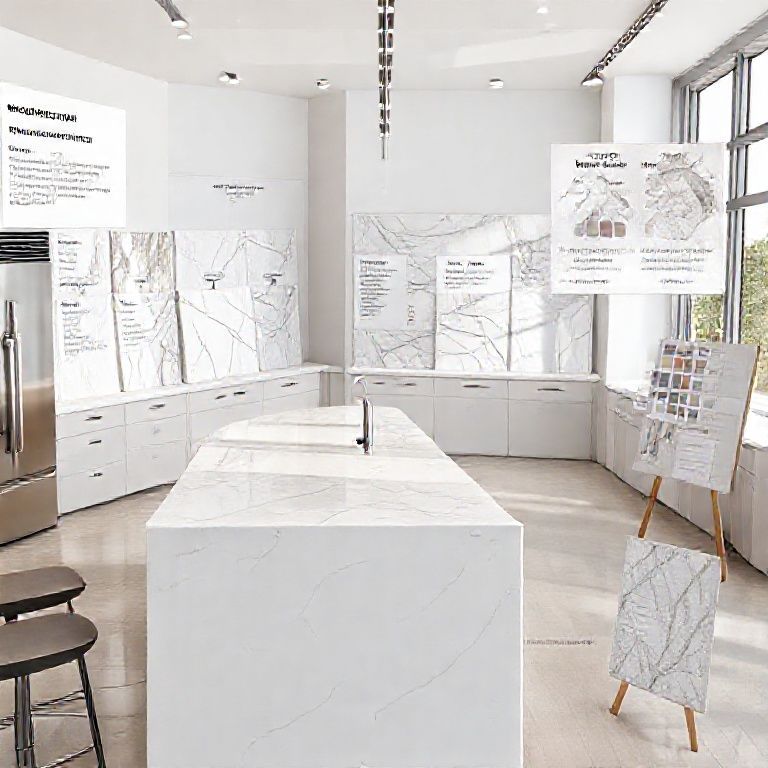
Formaldehyde release from artificial marble typically occurs in two stages. Initially, during the manufacturing and early installation phases, the material can emit higher levels of formaldehyde. Over time, the rate of release decreases as the formaldehyde trapped within the material gradually dissipates. Several factors influence the extent and duration of formaldehyde release, including:
Environmental Conditions: Temperature and humidity levels play a significant role. Higher temperatures and humidity accelerate formaldehyde evaporation, while cooler, drier environments slow it down. Material Quality: The quality and composition of the artificial marble can affect formaldehyde release. Higher-quality materials with better resin formulations tend to release formaldehyde more slowly. Installation Practices: Proper installation techniques, such as ensuring good ventilation during the initial curing period, can help minimize formaldehyde emissions.
Health Implications
Understanding the health implications of formaldehyde exposure is crucial. Formaldehyde is a known carcinogen and can cause respiratory issues, skin irritation, and eye irritation. Long-term exposure can lead to more severe health problems, making it essential to manage its release effectively.

Regulatory Standards
Various regulatory bodies worldwide have established guidelines to limit formaldehyde emissions from building materials. For example, the California Air Resources Board (CARB) has set stringent standards for formaldehyde emissions from synthetic stone products. Compliance with these standards ensures that manufacturers produce safer materials, reducing the risk of formaldehyde release.
Initial Release Period
The initial release period of formaldehyde from artificial marble is typically the most critical phase. Studies suggest that the highest levels of formaldehyde emission occur within the first few months of installation. During this period, it’s essential to take proactive measures to ensure indoor air quality.
Safety Measures
To mitigate formaldehyde release, several safety measures can be implemented:
Ventilation: Ensuring adequate ventilation during and after installation is crucial. Open windows, use exhaust fans, and consider portable air purifiers to enhance air circulation. Curing Period: Allow the artificial marble to cure properly by following the manufacturer’s recommended curing period. This typically involves keeping the area well-ventilated for several weeks. Monitoring: Regularly monitor indoor air quality using formaldehyde detectors. This helps ensure that levels remain within safe limits.
Conclusion
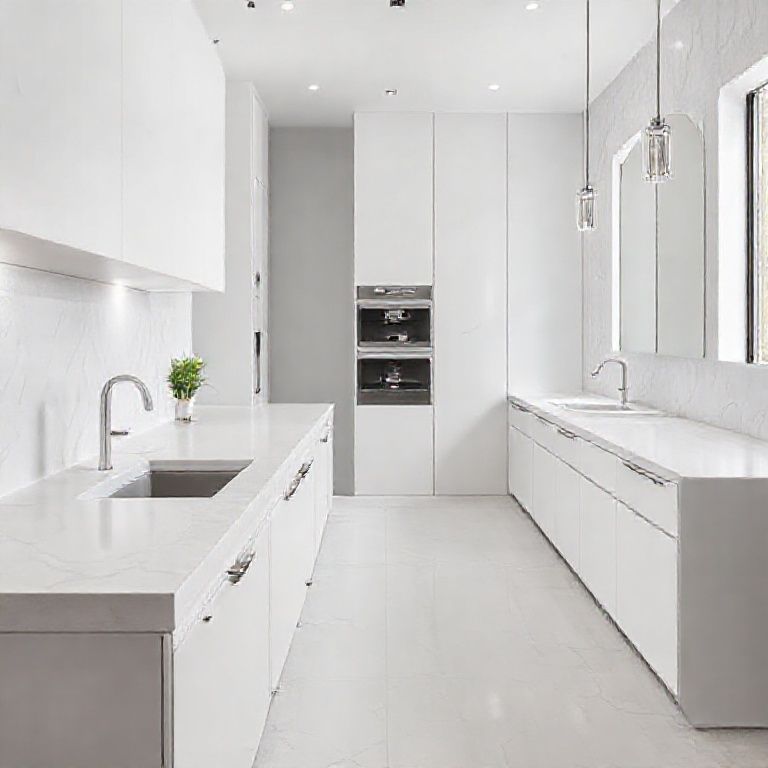
Understanding the release of formaldehyde from artificial marble is essential for maintaining a safe and healthy living environment. While the initial release period is the most critical, long-term management practices are necessary to ensure ongoing safety. By adopting proper installation practices, ensuring adequate ventilation, and monitoring indoor air quality, you can significantly reduce the risks associated with formaldehyde exposure.
Part 2
Long-Term Management and Maintenance of Artificial Marble
Once the initial release period of formaldehyde from artificial marble has passed, it’s important to focus on long-term management and maintenance to ensure continued safety and durability. While the immediate concerns of formaldehyde emissions are typically addressed within the first few months, ongoing practices are crucial for preserving the integrity and appearance of artificial marble surfaces.
Ongoing Ventilation and Air Quality
Even after the peak release period, maintaining good ventilation in areas where artificial marble is installed is essential. This practice helps to keep formaldehyde levels in check and ensures a healthier indoor environment. Here are some tips for ongoing ventilation:
Regular Air Circulation: Keep windows open whenever possible and use fans to promote air circulation. This is especially important in areas with high humidity or during hot weather. Air Purifiers: Consider using air purifiers with activated carbon filters. These devices can effectively remove formaldehyde and other volatile organic compounds (VOCs) from the air. Avoiding Smoking: Smoking indoors can introduce additional VOCs into the air, potentially increasing formaldehyde levels. Keeping smoking outside of living spaces is a good preventive measure.
Maintenance Practices
Proper maintenance of artificial marble surfaces is crucial for their longevity and appearance. Here are some key maintenance tips:
Regular Cleaning: Clean artificial marble surfaces with mild soap and water. Avoid using abrasive cleaners or steel wool, as these can scratch the surface. For tougher stains, specialized marble cleaning solutions are available. Sealing: While sealing artificial marble is not typically recommended because it can trap formaldehyde inside, it’s important to follow the manufacturer’s guidelines. If sealing is necessary, ensure it’s done in a well-ventilated area and follow the curing period. Damage Prevention: Protect artificial marble from spills, heat, and sharp objects. Use cutting boards and trivets to prevent scratches and stains. Address any chips or cracks promptly to prevent further damage.
Long-Term Health Considerations
While the initial release of formaldehyde is the most significant concern, long-term exposure to any level of this chemical can still pose health risks. Here are some additional considerations:
Indoor Plants: Certain indoor plants, such as spider plants and peace lilies, have been shown to absorb formaldehyde from the air. Placing these plants in areas with artificial marble surfaces can help improve air quality. Alternative Materials: For individuals particularly sensitive to formaldehyde, exploring alternative materials that do not release this chemical may be a prudent choice. Natural stone, for example, does not contain formaldehyde, though it may not offer the same aesthetic and durability benefits as artificial marble. Professional Assessments: If you have concerns about formaldehyde levels in your home, consider hiring a professional to conduct an air quality assessment. This can provide peace of mind and help identify any potential sources of indoor air pollution.
Environmental and Sustainability Factors
In addition to health considerations, it’s also important to think about the environmental impact of artificial marble and its production process. While the material itself is not inherently harmful, its production does involve the use of resins and other chemicals that can contribute to environmental pollution.
Sustainable Practices: Look for manufacturers that employ sustainable practices, such as using eco-friendly resins and minimizing waste during production. Supporting companies that prioritize environmental responsibility can help reduce the overall ecological footprint of artificial marble. Recycling and Disposal: When artificial marble needs to be replaced or disposed of, consider recycling options. Many materials used in its production can be recycled, and proper disposal methods can help minimize environmental impact.
Conclusion
Managing the long-term release of formaldehyde from artificial marble involves a combination of ventilation, maintenance, and health-conscious practices. While the initial release period is the most critical, ongoing efforts are necessary to ensure a safe and healthy living environment. By understanding the factors that influence formaldehyde release and adopting proactive measures, you can enjoy the aesthetic and practical benefits of artificial marble while minimizing health risks.
This comprehensive guide aims to provide clear, informative, and engaging insights into the release of formaldehyde from artificial marble, helping you make well-informed decisions regarding its use in your home or office.