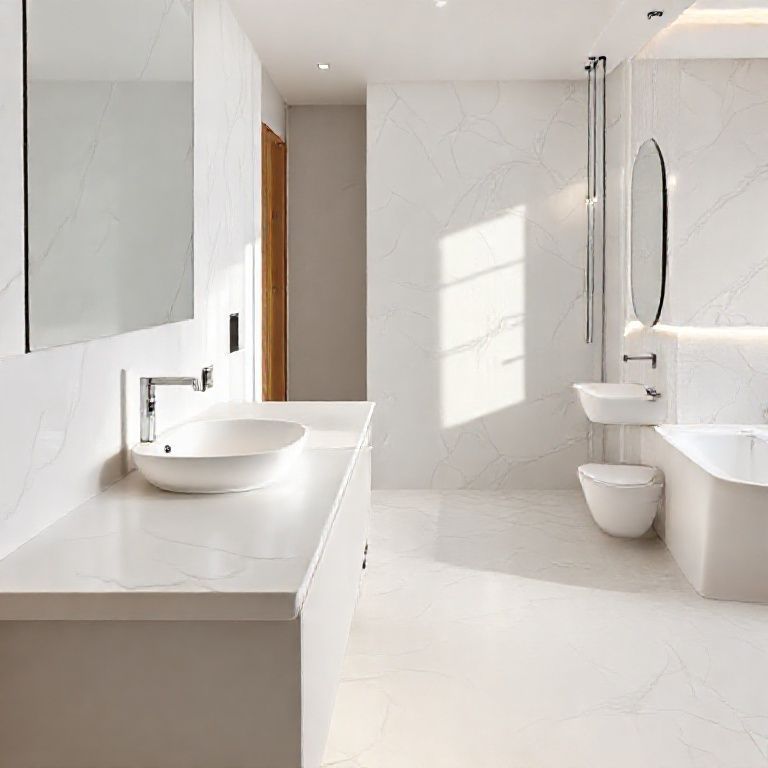
Understanding Artificial Marble: An Overview
Artificial marble, often referred to as engineered stone or synthetic stone, has become a popular choice in the world of interior design. This material is renowned for its durability, aesthetic appeal, and versatility, making it a preferred option for countertops, sinks, and other surfaces in both residential and commercial spaces. However, as with any material used in close proximity to daily living, questions often arise regarding its safety, particularly concerning radiation and potential health hazards.
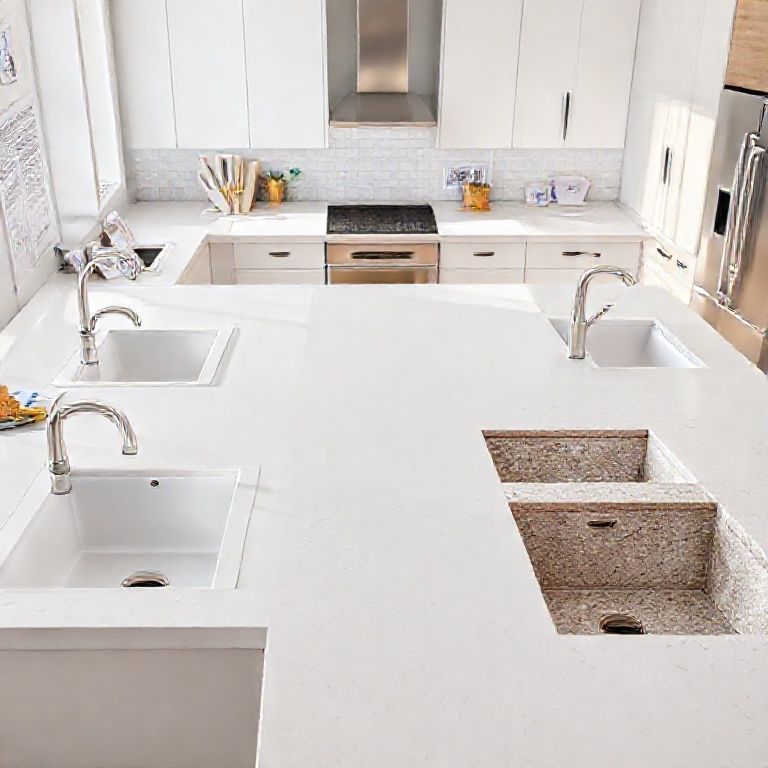
The Composition of Artificial Marble
Artificial marble is composed of natural stone powders such as quartz, calcite, and feldspar, which are bonded together using resins or polymers. This process results in a material that mimics the look and feel of traditional marble while offering superior resistance to scratches, stains, and heat. Unlike natural marble, which can contain varying amounts of minerals and elements, artificial marble is designed to have a consistent composition throughout.
Radiation Concerns: Myths and Facts
One of the most prevalent concerns regarding artificial marble revolves around radiation. Specifically, people often question whether artificial marble emits radiation that could pose health risks. To address this concern, it is essential to understand that radiation typically refers to ionizing radiation, such as that emitted by radioactive materials like uranium or radon.
Artificial marble, made from non-radioactive materials, does not emit ionizing radiation. The components used in its production—natural stone powders and synthetic resins—are not radioactive. Therefore, artificial marble does not contribute to radiation exposure in the traditional sense. However, it is always wise to ensure that all materials used are certified safe by relevant health and safety organizations.
Health Implications of Artificial Marble
Artificial marble is generally considered safe for human health. The materials used in its production are non-toxic and do not release harmful substances when used in normal conditions. However, it’s crucial to consider how the material is manufactured and processed. During the production of artificial marble, the powders and resins are mixed and cured under heat and pressure. In rare instances, if these processes are not strictly controlled, some volatile organic compounds (VOCs) may be released. These compounds can include formaldehyde and phenol, which are used in some adhesives and resins.
To mitigate these risks, manufacturers are increasingly using low-VOC or VOC-free resins, and high-quality production techniques ensure that any potential emissions are minimized. Moreover, choosing products from reputable brands that adhere to stringent safety standards can provide an additional layer of assurance regarding the health implications of using artificial marble.
Environmental and Safety Standards
To ensure that artificial marble is safe for everyday use, manufacturers often adhere to various international safety and environmental standards. For instance, products might be tested and certified by organizations such as the American National Standards Institute (ANSI), the European Committee for Standardization (CEN), or other regional bodies that focus on material safety.
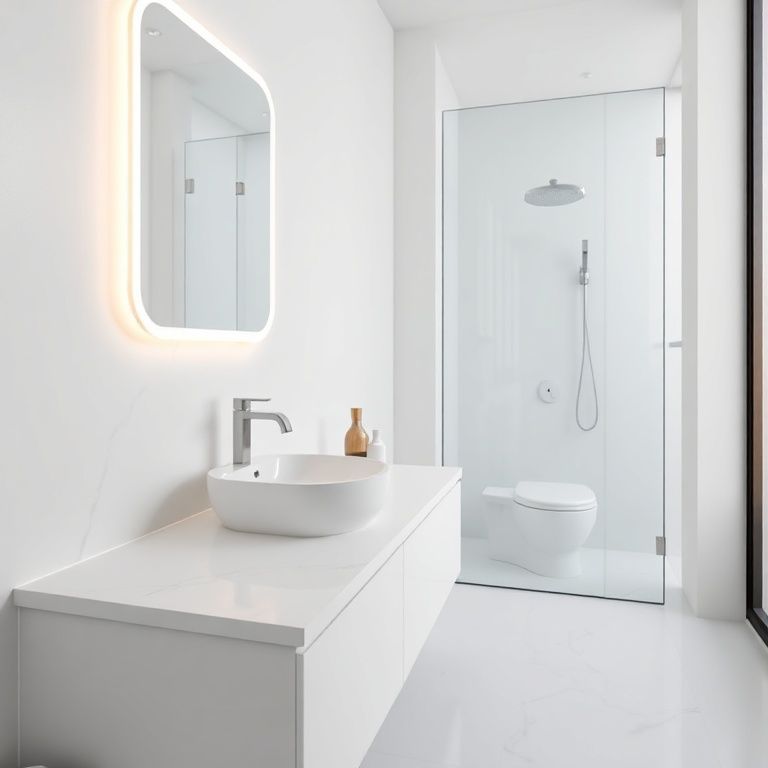
Certifications like ISO (International Organization for Standardization) often reflect rigorous testing for various properties, including chemical safety. These certifications indicate that the product has been evaluated for its potential impact on health and the environment, providing consumers with confidence in its safety.
Real-Life Applications and User Experience
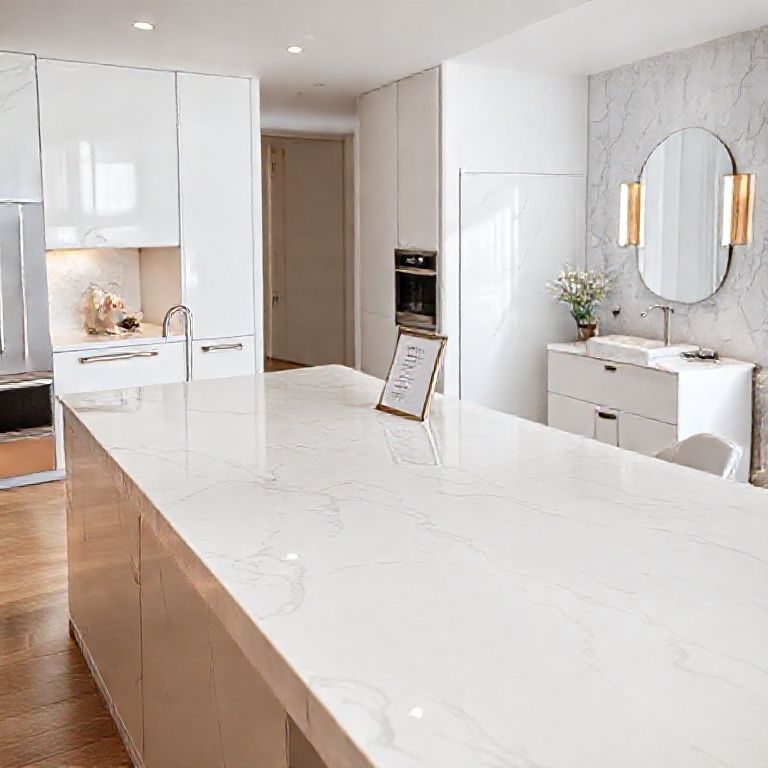
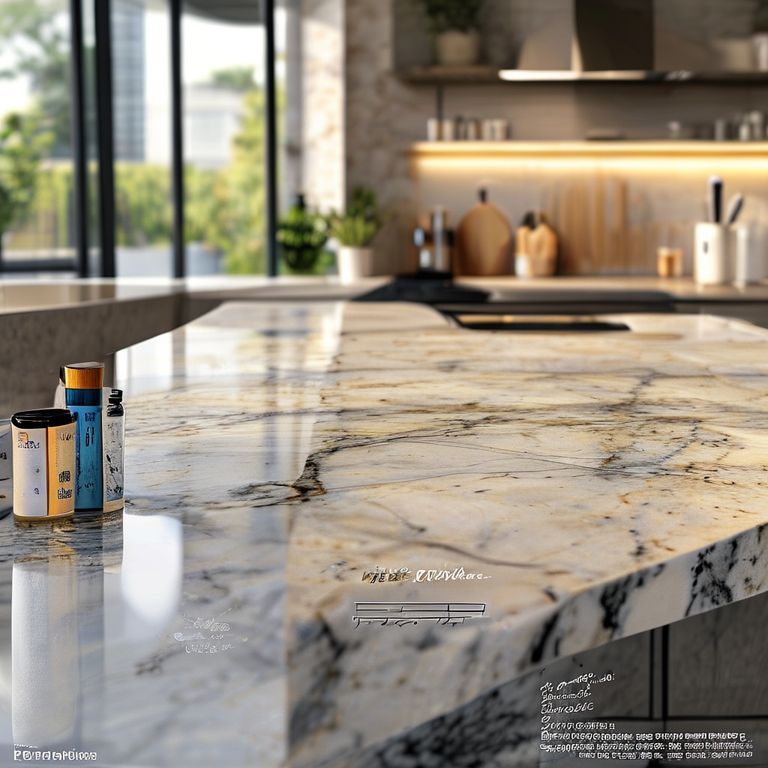
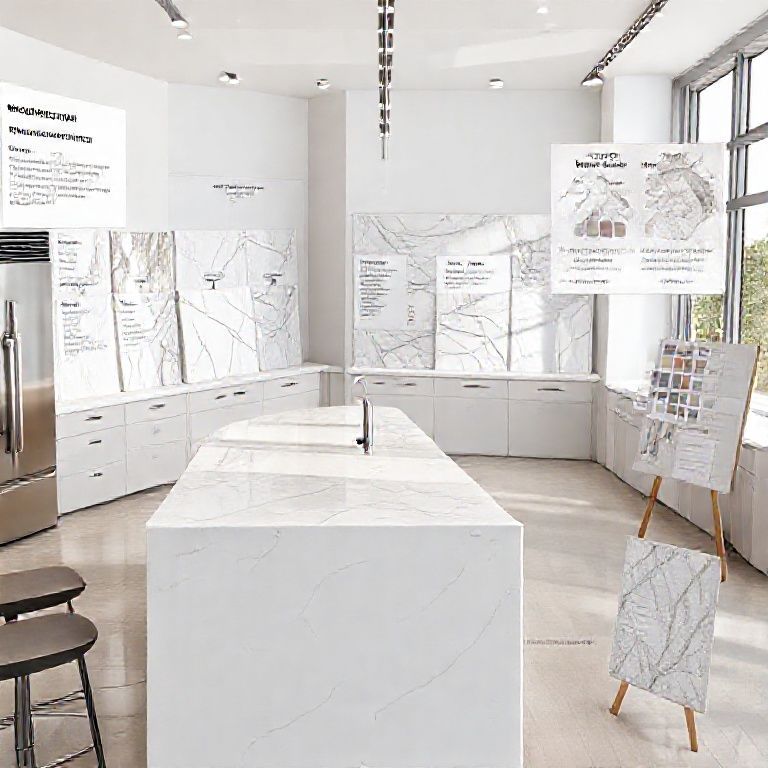
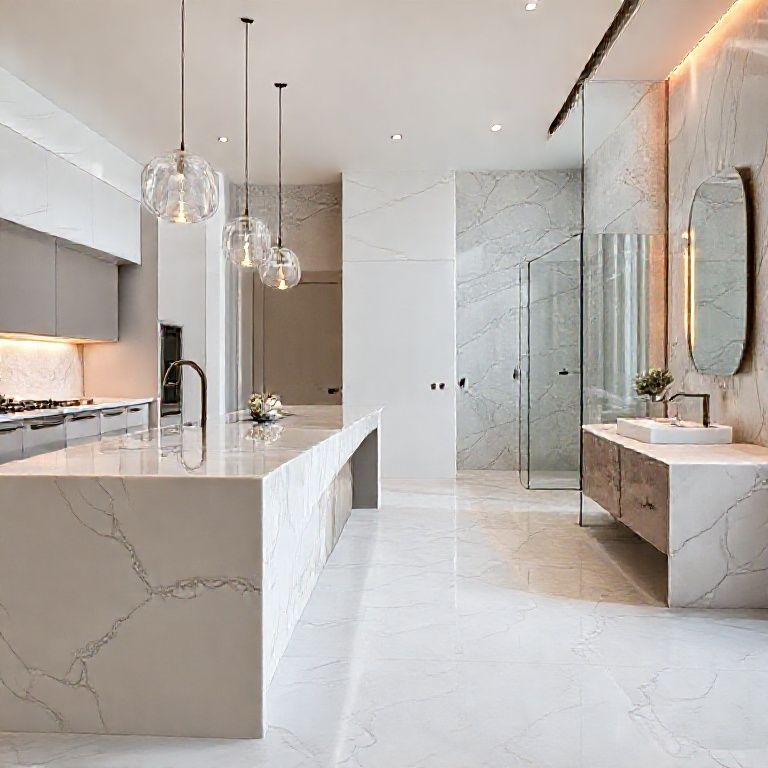
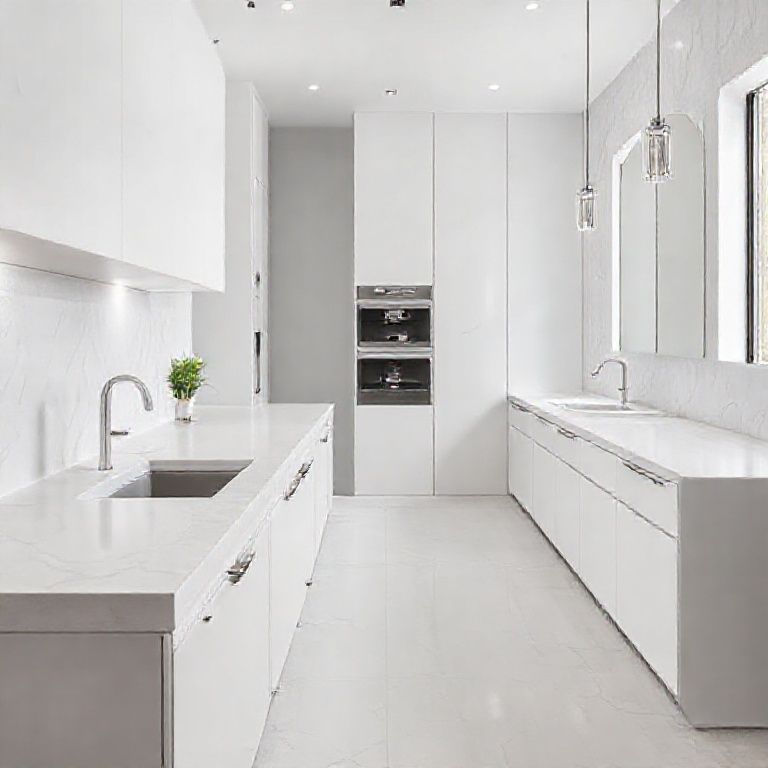
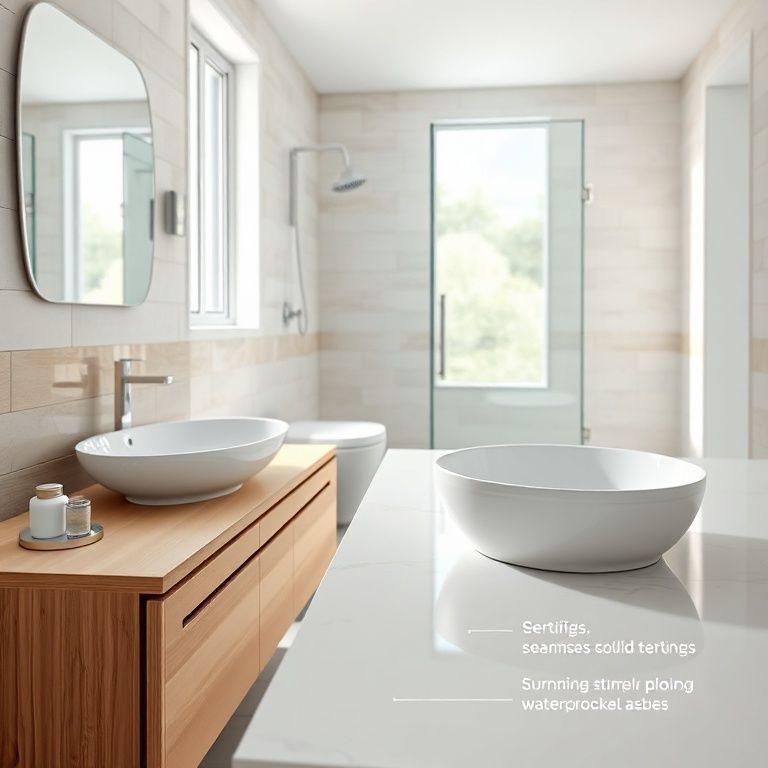
In practice, artificial marble is used extensively in kitchens, bathrooms, and commercial spaces. Users often report high satisfaction with its aesthetic qualities, ease of maintenance, and durability. Many modern kitchens feature countertops made from artificial marble, which resists the wear and tear of daily use without the high maintenance typically associated with natural stone.
From a health perspective, users generally experience no adverse effects when interacting with artificial marble. The material’s smooth, non-porous surface also makes it easy to clean, reducing the risk of bacterial growth that could potentially pose health concerns.
Conclusion to Part 1
In summary, artificial marble is a safe and reliable material for various applications in interior design. It is composed of non-radioactive, non-toxic materials and does not emit ionizing radiation. While there are minor concerns regarding VOCs in some manufacturing processes, advancements in production techniques and the use of low-VOC resins have significantly mitigated these risks. With proper certification and adherence to safety standards, artificial marble stands as a durable, beautiful, and safe option for those looking to enhance their living or working spaces.
Long-Term Safety and Considerations for Users
Durability and Maintenance
One of the standout features of artificial marble is its durability. Unlike natural stone, which can be prone to scratches, chips, and stains, artificial marble offers a robust surface that is highly resistant to these common issues. This resilience not only enhances the longevity of the material but also reduces the need for frequent repairs or replacements.
Maintenance of artificial marble is straightforward. Regular cleaning with mild soap and water, or using specialized stone cleaners, ensures that the surface remains pristine. Unlike natural stone, artificial marble does not require sealing or regular maintenance treatments, which can be a significant advantage for users who prefer low-maintenance surfaces.
Potential Chemical Exposure
While the primary concerns regarding artificial marble revolve around radiation and general health hazards, it’s also worth noting that some chemicals used in its production could potentially pose risks if not properly managed. As mentioned earlier, volatile organic compounds (VOCs) are a minor consideration, especially in the manufacturing process. To address this, manufacturers have increasingly adopted low-VOC or VOC-free resins.
Consumers can further ensure safety by choosing products that have undergone rigorous testing and certification. Labels indicating compliance with safety standards such as ISO, ANSI, or CEN can be reassuring indicators of a product’s safety profile. Additionally, opting for brands that openly disclose their manufacturing processes and materials can provide peace of mind regarding the chemical exposure risks.
Environmental Impact
The production of artificial marble does have some environmental implications. The extraction and processing of natural stone powders, while generally sustainable, contribute to the environmental footprint of the material. However, advancements in recycling and the use of secondary materials are helping to mitigate these impacts.
When considering the environmental impact, it’s also important to factor in the lifecycle of artificial marble. Its durability means that it can last for decades with minimal need for replacement, which can result in a lower overall environmental impact compared to materials that require frequent updating and disposal.
Health Risks in Specific Scenarios
In specific scenarios, the safety of artificial marble can be further examined. For instance, in areas where the material is subjected to high heat, such as under cooktops, there could be concerns about the stability of the resins used. However, reputable manufacturers test their products under various conditions to ensure they remain safe and functional.
In cases where the material is cut or worked on, there could be minor risks associated with dust or small particles. It is advisable to follow safety guidelines when cutting or shaping artificial marble, such as wearing a dust mask and working in a well-ventilated area.
User Experience and Testimonials
The user experience with artificial marble often reflects its benefits. Many users report satisfaction with its appearance, durability, and ease of maintenance. Testimonials frequently highlight the material’s resistance to stains and its ability to maintain a clean, professional look over time.
Professional reviews and expert opinions also support the safety and practicality of artificial marble. Interior designers and architects frequently recommend it for various applications, citing its versatility and safety as key factors in their design choices.
Conclusion to Part 2
In conclusion, artificial marble is a safe and practical material for a wide range of interior design applications. Its durability, ease of maintenance, and resistance to common issues like scratches and stains make it a popular choice among consumers and professionals alike. While minor concerns regarding VOCs and chemical exposure exist, advancements in manufacturing and certification processes have significantly mitigated these risks. The material’s long-term safety is further supported by positive user experiences and expert endorsements.
For those considering artificial marble, it is advisable to choose products from reputable manufacturers that adhere to stringent safety standards. By doing so, users can confidently enjoy the benefits of this beautiful and durable material without undue concern for radiation or other health hazards. Whether for a kitchen countertop, bathroom vanity, or commercial workspace, artificial marble offers a reliable and aesthetically pleasing option that stands the test of time.