Part 1
Understanding the Release of Formaldehyde from Artificial Marble
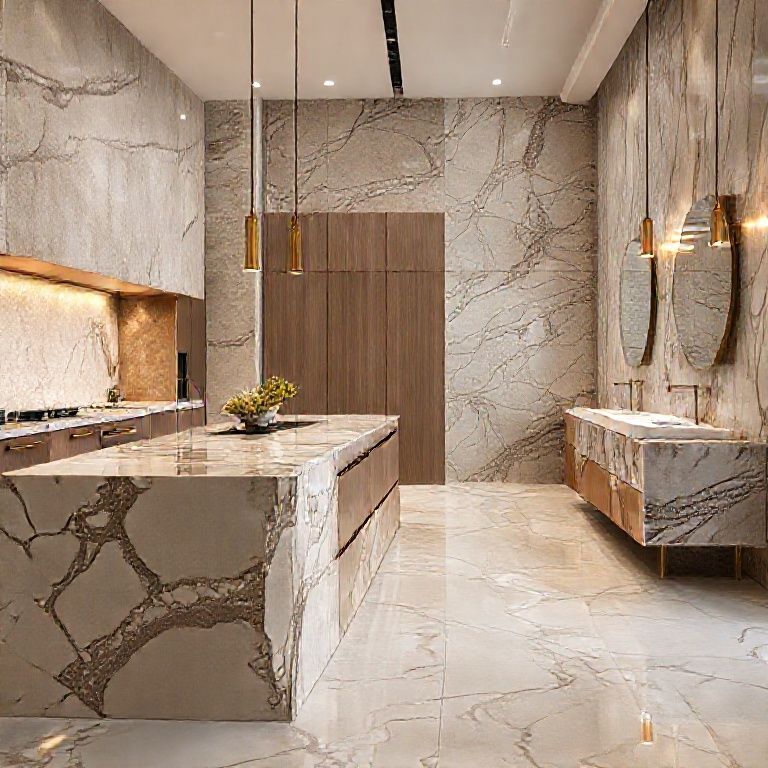
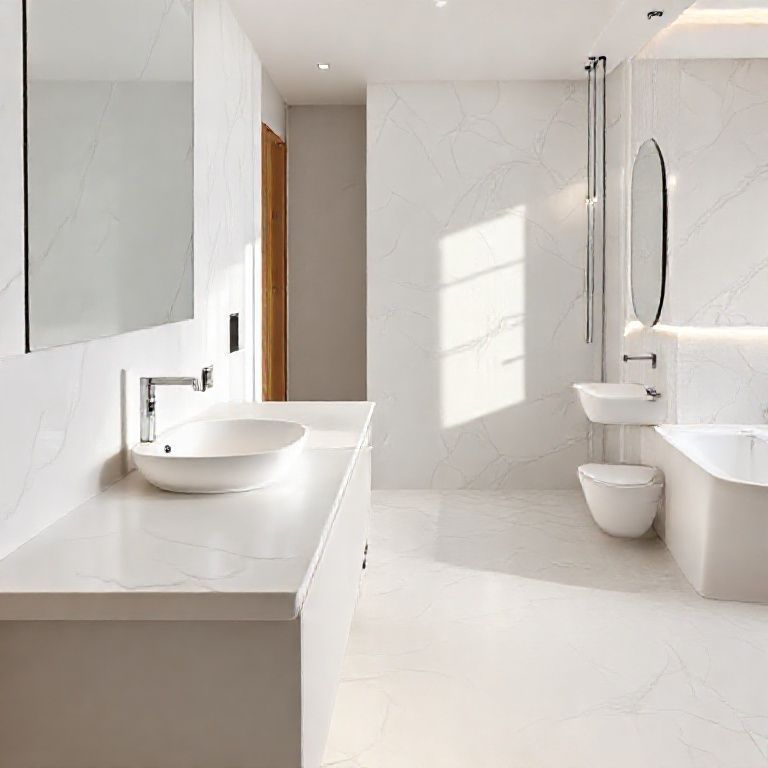
Artificial marble, also known as cultured stone or synthetic marble, has become a popular choice for countertops, tabletops, and other surfaces in both commercial and residential settings. This material is prized for its durability, aesthetic appeal, and relatively low maintenance. However, a lurking concern often overshadows its benefits: the potential release of formaldehyde. This ubiquitous chemical, known for its use in various industrial applications, can pose significant health risks when present indoors.

The Composition of Artificial Marble
Artificial marble is composed of a combination of natural stone powders, such as quartz, marble, and limestone, which are bonded together with resins. These resins, often made from urea-formaldehyde or melamine-formaldehyde, play a crucial role in binding the stone particles and giving the material its strength and durability. Unfortunately, these resins are also a source of formaldehyde, a volatile organic compound (VOC) that can be released into the air over time.
Why Formaldehyde Matters
Formaldehyde is a known carcinogen and can cause a variety of health issues, including respiratory problems, skin irritation, and eye irritation. Long-term exposure can lead to more severe health effects. Hence, understanding how and when formaldehyde is released from artificial marble is essential for maintaining a safe indoor environment.
Factors Influencing Formaldehyde Release
Several factors can influence the rate at which formaldehyde is released from artificial marble:
Manufacturing Process: The type of resin used and the manufacturing process can significantly impact formaldehyde emission rates. Environmental Conditions: Humidity and temperature play a critical role in the release of formaldehyde. Higher temperatures and humidity levels can accelerate the emission process. Surface Area and Thickness: Thicker and larger surfaces of artificial marble tend to release more formaldehyde compared to smaller, thinner pieces. Age of the Material: New installations typically have higher formaldehyde emissions compared to older pieces, which have had more time to outgas.
Detection and Measurement
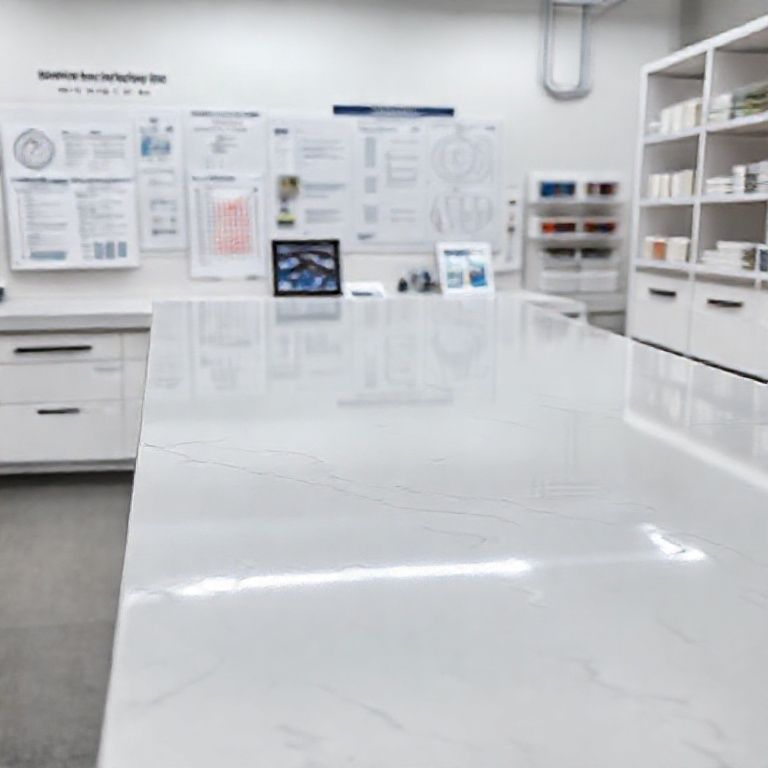
To determine the level of formaldehyde in your indoor environment, several methods are available:
Active Sampling: This method uses air pumps to draw air samples through a filter where formaldehyde is absorbed and later measured. Passive Sampling: This involves using devices like diffusion tubes that passively absorb formaldehyde over time and then analyze the collected sample. Electrochemical Sensors: These devices can provide real-time monitoring of formaldehyde levels in the air.
Health Implications and Safety Standards
While short-term exposure to low levels of formaldehyde may not cause immediate health issues, long-term exposure can lead to chronic health problems. Regulatory bodies such as the World Health Organization (WHO) and the U.S. Environmental Protection Agency (EPA) have established guidelines to limit formaldehyde exposure in indoor environments.
Strategies to Manage Formaldehyde Levels
Several strategies can be employed to manage and minimize formaldehyde emissions from artificial marble:
Proper Ventilation: Ensuring good air circulation in the room can help disperse and dilute formaldehyde in the air. Use of Activated Charcoal: This material can absorb formaldehyde and other VOCs, effectively reducing their concentration in the air. Formaldehyde-Free Alternatives: Opting for formaldehyde-free resins or artificial marble alternatives can significantly reduce the risk of formaldehyde exposure.
Conclusion
Understanding the release of formaldehyde from artificial marble is essential for maintaining a healthy indoor environment. While this material offers many benefits, being aware of its potential drawbacks and taking proactive measures to manage formaldehyde levels can help mitigate health risks. In the next part, we will explore specific case studies and practical tips to ensure your artificial marble surfaces remain safe and healthy.
Part 2
Managing Formaldehyde from Artificial Marble: Practical Tips and Case Studies
In the previous part, we discussed the factors influencing formaldehyde release from artificial marble and the importance of managing indoor air quality. Now, let’s delve deeper into practical tips and real-world case studies to help you effectively manage formaldehyde emissions in your space.
Practical Tips for Managing Formaldehyde Emissions
1. Ventilation
One of the most effective ways to manage formaldehyde levels is through proper ventilation. Here are some practical steps you can take:
Open Windows and Doors: Whenever possible, keep windows and doors open to allow fresh air to circulate. Use Exhaust Fans: Install exhaust fans in kitchens and bathrooms to help remove indoor air pollutants. Utilize Ceiling Fans: Ceiling fans can help distribute air throughout the room, aiding in the dilution of formaldehyde.
2. Use Activated Charcoal
Activated charcoal is highly effective at absorbing formaldehyde and other VOCs. Here’s how to use it:
Charcoal Air Purifiers: Consider using air purifiers equipped with activated charcoal filters. Charcoal Bags: Place small bags of activated charcoal in rooms where artificial marble is installed. These can be replaced periodically to maintain their effectiveness.
3. Dehumidifiers
Humidity can accelerate formaldehyde release. Using a dehumidifier can help maintain lower humidity levels:
Set to Optimal Levels: Aim to keep indoor humidity between 30% and 50%. Regular Maintenance: Clean and maintain your dehumidifier regularly to ensure it operates efficiently.
4. Air Plants and Greenery
Indoor plants can help absorb formaldehyde and other pollutants. Some of the best plants for this purpose include:
Spider Plant: Known for its ability to remove formaldehyde. Peace Lily: Effective at absorbing various indoor pollutants. English Ivy: Helps in reducing indoor VOC levels.
5. Regular Cleaning
Regular cleaning can help prevent dust accumulation, which can contain formaldehyde particles. Use:
Microfiber Cloths: These cloths are excellent at trapping dust without spreading it around. Vacuum Cleaners: Use vacuums with HEPA filters to capture fine particles effectively.
Case Studies: Real-World Applications
Case Study 1: Residential Kitchen Renovation
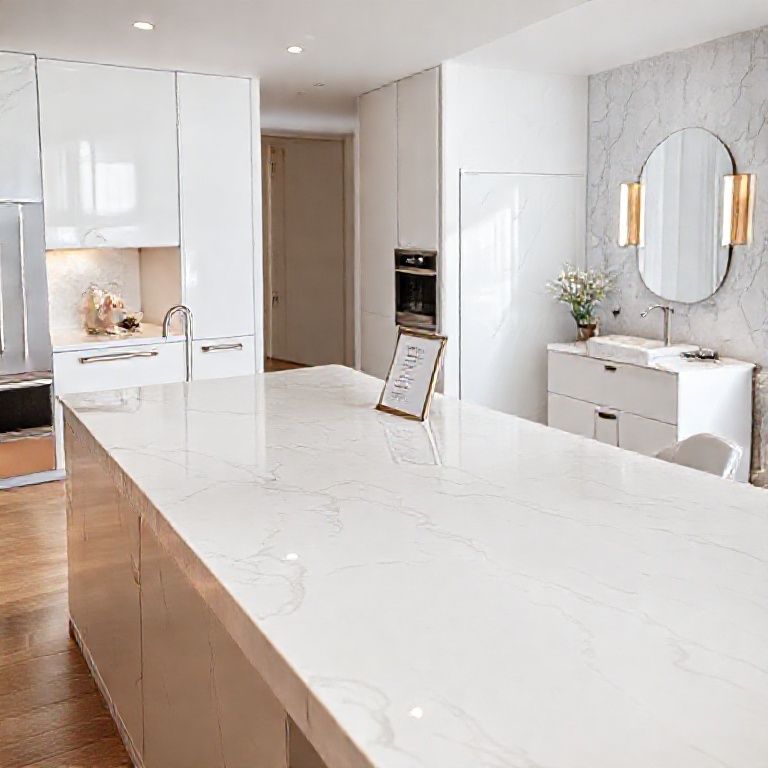
A homeowner decided to install artificial marble countertops in their kitchen. Initially, they noticed a strong chemical smell and mild irritation in their eyes and throat. Following the steps discussed above, they:
Installed an exhaust fan in the kitchen. Used activated charcoal air purifiers. Kept the kitchen well-ventilated by opening windows. Placed activated charcoal bags in the kitchen and living room.
Within a few weeks, the chemical smell dissipated, and the irritation symptoms subsided. Regular monitoring with formaldehyde detection devices confirmed a significant reduction in formaldehyde levels.
Case Study 2: Commercial Office Space
A commercial office space was undergoing a renovation that included the installation of artificial marble desks and conference tables. The management team was concerned about potential formaldehyde exposure among employees. They implemented the following measures:
Installed high-efficiency particulate air (HEPA) filters in the HVAC system. Used formaldehyde-absorbing wall panels. Deployed air purifiers with activated charcoal filters. Maintained a dehumidifier to control humidity levels.
Over time, employees reported no adverse health symptoms, and formaldehyde levels measured through passive sampling devices remained well within safe limits.
Case Study 3: School Classrooms
A school decided to upgrade its classrooms with artificial marble surfaces for durability and aesthetics. To address potential formaldehyde concerns, they:
Ensured proper ventilation by opening windows and using ceiling fans. Installed air purifiers with activated charcoal filters in each classroom. Used formaldehyde-free resins during the installation process. Conducted regular air quality monitoring.
The school reported that students and staff experienced no health issues related to formaldehyde exposure, and air quality tests showed consistently low formaldehyde levels.
Conclusion
Managing formaldehyde emissions from artificial marble requires a multifaceted approach that includes proper ventilation, the use of formaldehyde-absorbing materials, and regular monitoring of indoor air quality. By implementing these practical tips and learning from real-world case studies, you can ensure that your artificial marble surfaces remain safe and healthy for everyone in your space.
In summary, understanding and managing formaldehyde release from artificial marble is crucial for maintaining a safe indoor environment. With the right strategies and tools, you can enjoy the benefits of this durable material without compromising health and safety.