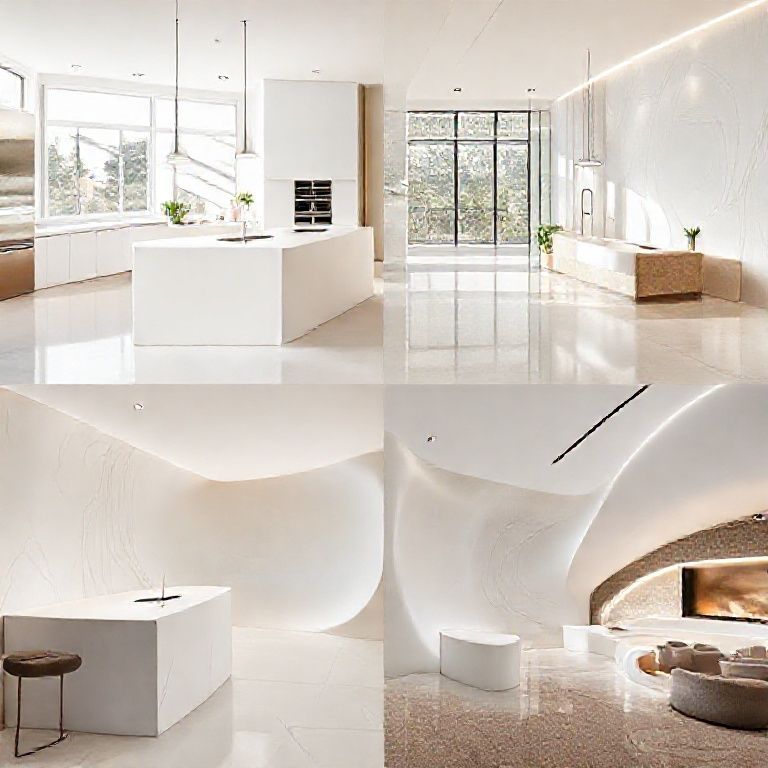
Unveiling Artificial Marble: Composition and Common Misconceptions
Introduction
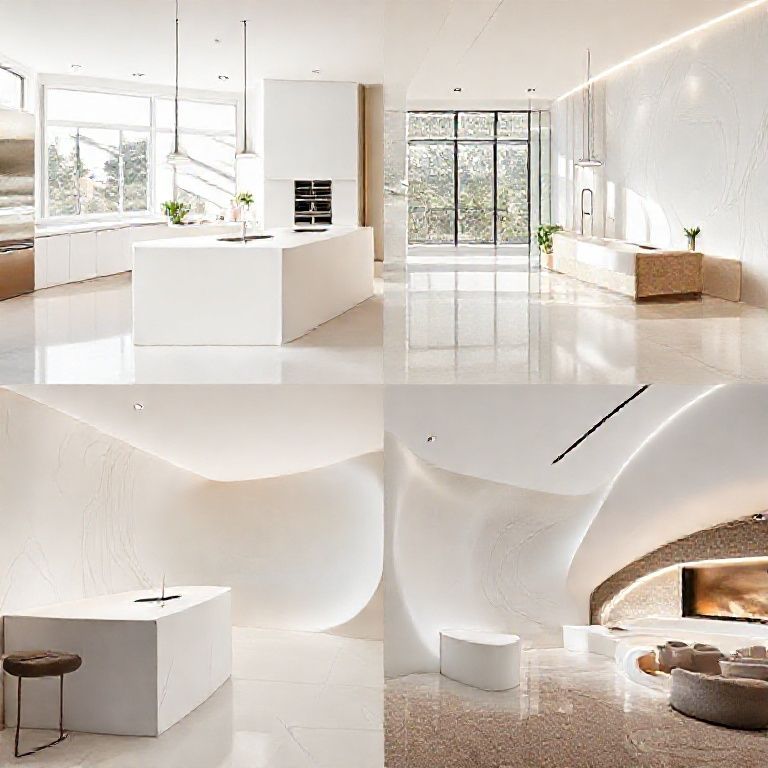
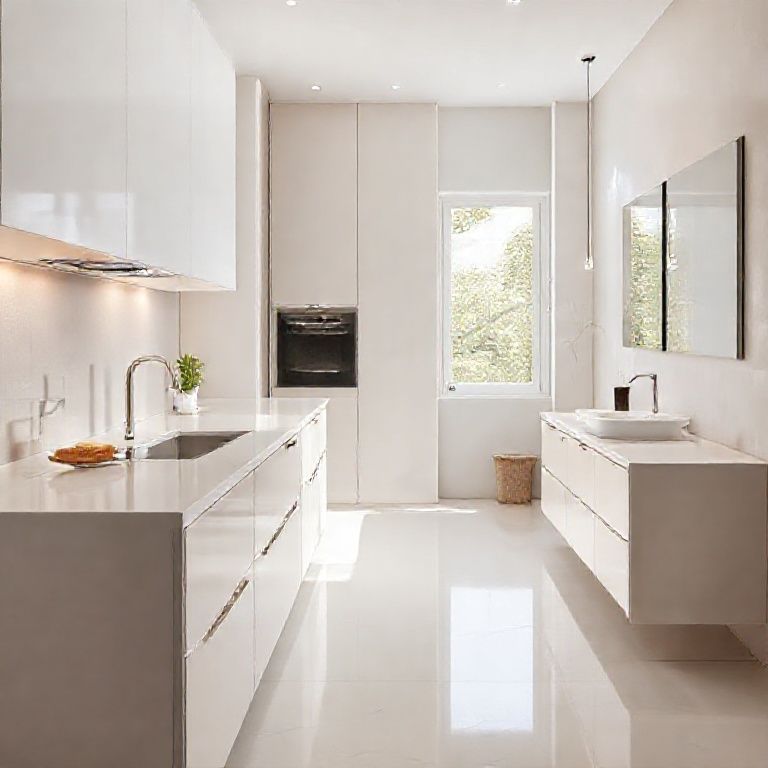
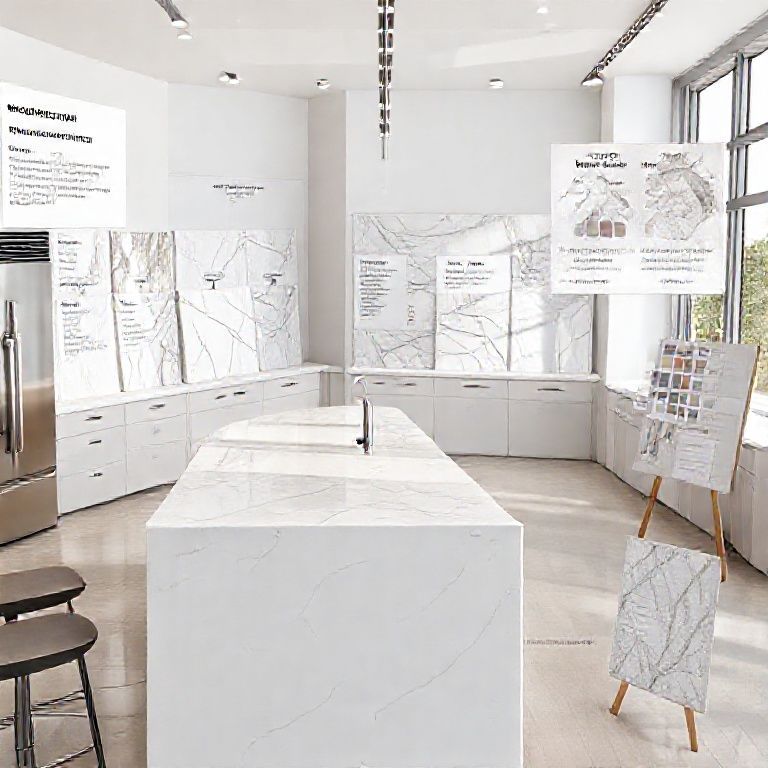
Artificial marble, often known as cultured marble or quartz, has emerged as a popular choice for countertops, decorative elements, and various interior design projects due to its aesthetic appeal and durability. However, with its rising popularity, questions have emerged about whether artificial marble has any adverse effects on human health. This part will unpack the composition of artificial marble and address the prevalent misconceptions surrounding its safety, particularly concerning radiation and health risks.

What is Artificial Marble?
Artificial marble is a composite material created by mixing marble dust with resin and other additives. The primary components include:
Marble Dust: Crushed marble, often sourced from natural marble quarries. Resin: Polymers that bind the marble dust together to form a solid, cohesive material. Additives: Colors, pigments, and other chemicals that enhance the aesthetic appeal.
The mixture is then poured into molds, where it cures and hardens to form the final product. Unlike natural stone, artificial marble is not a single material but a conglomerate designed to mimic the look of natural marble.
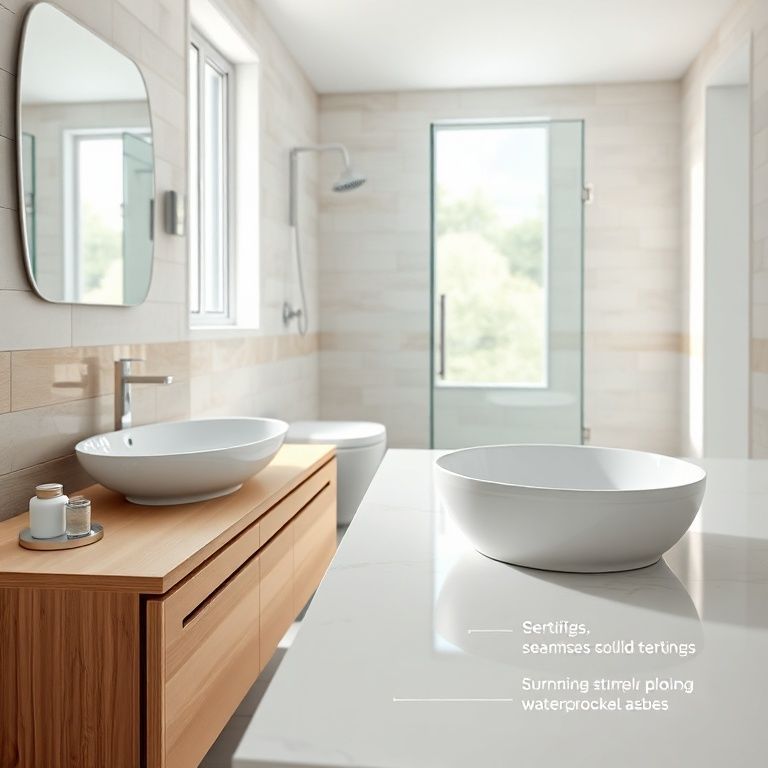
Common Misconceptions About Artificial Marble
Radiation Emission: One of the most persistent myths is that artificial marble emits harmful radiation. This stems from a misunderstanding of the material’s composition. Artificial marble does not contain radioactive elements like those found in natural stone. It is made from marble dust and resin, which do not emit radiation. Therefore, concerns about radiation exposure are unfounded.
Toxicity and Health Risks: Some people worry that artificial marble may release harmful chemicals into the air or water. While it is true that some resins and additives can off-gas volatile organic compounds (VOCs) during the manufacturing process, modern production methods have significantly reduced this risk. Additionally, reputable manufacturers follow strict regulations to minimize any potential health hazards.
Benefits of Artificial Marble
Durability: Artificial marble is highly resistant to stains, scratches, and heat, making it a practical choice for high-traffic areas. Aesthetic Versatility: The ability to customize colors and patterns allows for a wide range of design possibilities. Cost-Effectiveness: Compared to natural stone, artificial marble is often more affordable and easier to maintain.
Conclusion
Understanding the composition and production process of artificial marble helps dispel many myths surrounding its safety. With no evidence suggesting it emits radiation or poses significant health risks, artificial marble can be considered a safe and practical material for various applications. In the next part, we will delve deeper into the materials and processes used, providing further insights into its safety and health implications.
The Science Behind Artificial Marble: Materials, Processes, and Health Implications
Introduction
Having addressed the basic composition and dispelled common myths about artificial marble, it is essential to delve deeper into the materials and processes involved in its creation. This part will explore the scientific aspects of artificial marble, focusing on the materials used, the manufacturing process, and the scientific evidence regarding its impact on human health.
Materials and Composition
Marble Dust: The primary component, marble dust, is a finely ground form of natural marble. It is derived from crushed marble and is typically mixed with resin to form artificial marble.
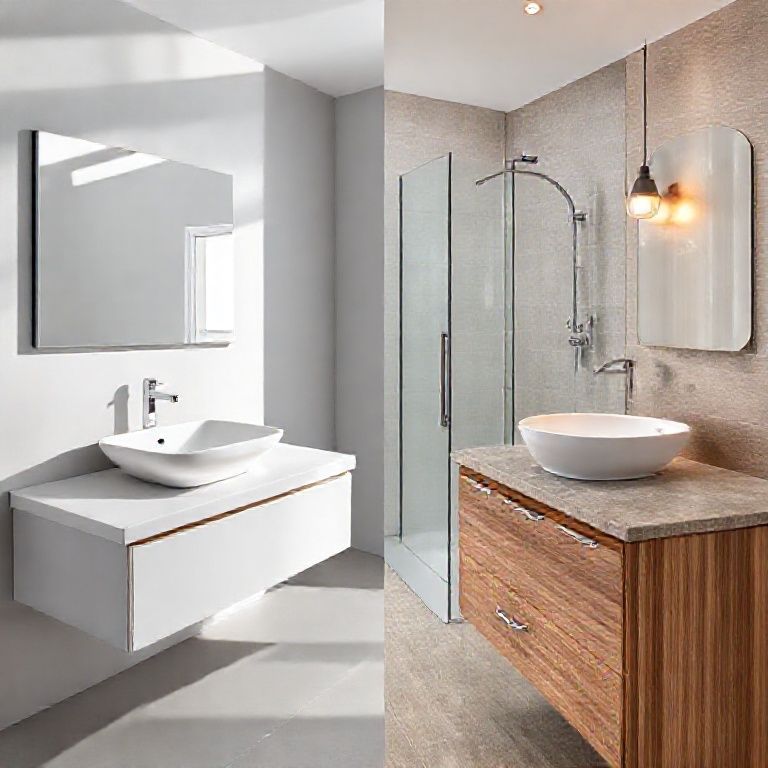
Resin: The resin used in artificial marble is usually a type of polymer that provides the necessary binding properties. The most common types include:
Acrylic Resin: Known for its durability and resistance to chemicals. Epoxy Resin: Offers high strength and is resistant to heat and abrasion. Additives: These can include pigments, dyes, and other chemicals to enhance the visual appeal of the material. While some additives might raise concerns about potential health risks, modern formulations are designed to minimize these issues.
Manufacturing Process
The creation of artificial marble involves several key steps:
Mixing: Marble dust and resin are combined in a controlled environment to ensure a uniform mixture. Molding: The mixture is poured into molds, where it cures and hardens. Curing: The material is left to cure under specific conditions to achieve the desired strength and durability. Finishing: Once cured, the artificial marble is polished and finished to achieve the desired texture and appearance.
Scientific Evidence and Health Implications
Radiation: As previously mentioned, artificial marble does not contain radioactive elements. Therefore, it does not emit radiation. Scientific studies have confirmed that artificial marble does not pose any radiation-related health risks.
Chemical Emissions: During the manufacturing process, some volatile organic compounds (VOCs) might be released. However, modern production techniques and regulatory standards have significantly reduced the levels of these compounds. The Environmental Protection Agency (EPA) and other regulatory bodies have set guidelines to limit VOC emissions from manufactured materials.
Toxicology: Studies on the toxicological effects of the materials used in artificial marble have shown that when produced and used correctly, the material does not release harmful chemicals in quantities that pose a risk to human health. The resins and additives used are typically non-toxic and safe for indoor use.
Expert Opinions and Recommendations
Industry Standards: The manufacturing of artificial marble adheres to strict industry standards designed to ensure safety and quality. These standards are enforced by various organizations, including the American Society for Testing and Materials (ASTM) and the International Organization for Standardization (ISO).
Health and Safety Guidelines: Experts recommend ensuring proper ventilation during the installation and initial curing phase to minimize any potential off-gassing of VOCs. Additionally, manufacturers often provide guidelines for the safe use and maintenance of artificial marble to prevent any potential issues.
Conclusion
The scientific evidence and expert opinions strongly suggest that when properly manufactured and used, artificial marble does not pose any significant health risks, including radiation exposure. Its durability, aesthetic versatility, and cost-effectiveness make it a popular choice for various applications. As with any material, it is essential to follow manufacturer guidelines and industry standards to ensure safe usage. With this comprehensive understanding, you can confidently incorporate artificial marble into your design projects, knowing it is a safe and practical material for your needs.