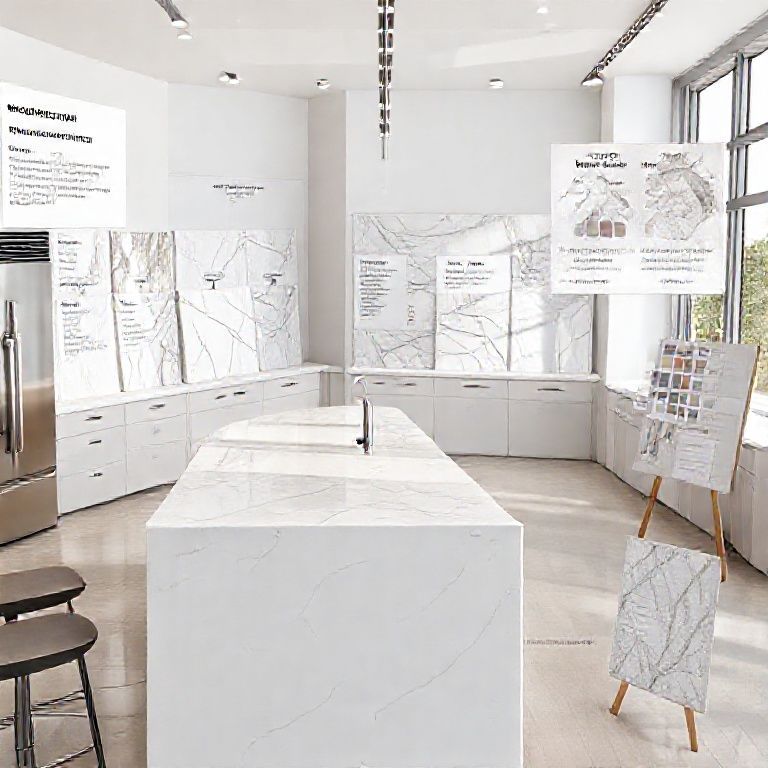
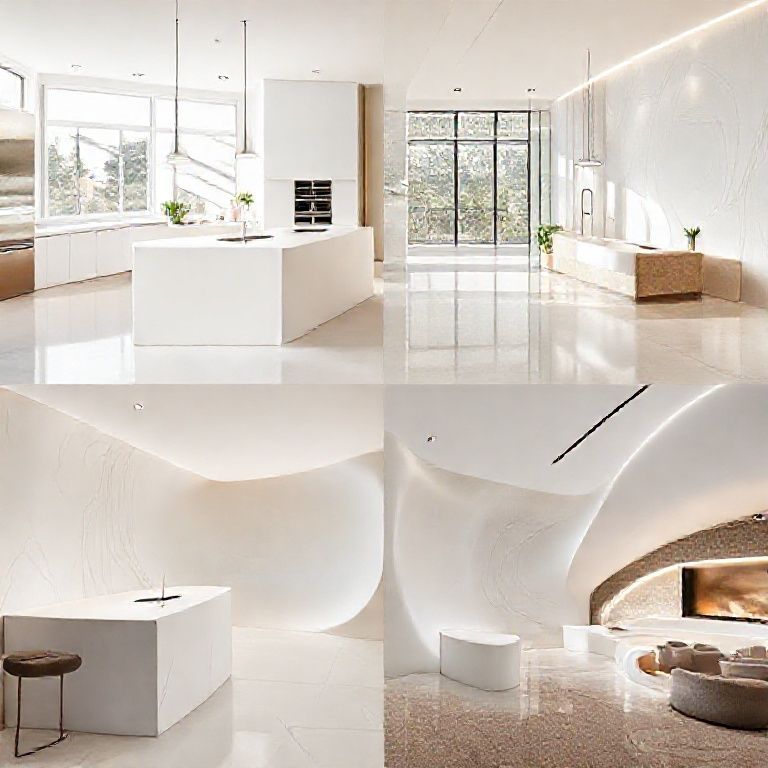
Dive into the world of Kenali boards, a revolutionary material that is transforming the construction industry with its strength and sustainability. This article provides a comprehensive overview of what Kenali boards are made of, their benefits, and the reasons behind their growing popularity. Divided into two parts, this detailed guide will help you understand why Kenali boards are the future of eco-friendly construction.

Kenali board, sustainable construction, eco-friendly materials, durable building materials, renewable resources, construction innovation, composite board, Kenali wood, bamboo construction
Understanding the Versatile and Durable Kenali Board: An In-Depth Exploration
What is Kenali Board?
In the quest for sustainable and durable building materials, Kenali boards have emerged as a game-changer. Also known as Kenali composite boards, these innovative materials are revolutionizing the construction industry by combining the best attributes of natural resources with modern technology.
Material Composition
Kenali boards are primarily made from Kenali wood, a fast-growing and highly adaptable tree species native to Indonesia. This wood is known for its strength, durability, and fast regeneration rate, making it an excellent candidate for sustainable construction materials. The Kenali wood is processed and combined with a natural adhesive derived from the tree itself, which ensures that the entire production process remains eco-friendly.
Production Process
The production of Kenali boards involves several meticulous steps to ensure that the final product is both strong and sustainable. Here’s a glimpse into the process:
Harvesting and Processing: Kenali trees are harvested in a controlled manner to ensure sustainable growth. The wood is then carefully processed to remove any impurities and prepare it for the next stages.
Lamination: The processed Kenali wood is cut into thin layers and stacked together. These layers are then compressed and bonded using the natural Kenali adhesive, which is derived from the tree’s sap. This bonding process creates a high-strength composite material that retains the natural beauty and texture of the wood.

Finishing: The laminated Kenali boards undergo a finishing process where they are cut to specific sizes and surfaces are sanded and polished. This results in a smooth, uniform product ready for construction use.
Benefits of Kenali Boards
Kenali boards offer numerous benefits that make them an attractive choice for modern construction projects:
Sustainability: One of the most significant advantages of Kenali boards is their sustainability. The fast-growing nature of Kenali trees means that the resource is renewable. Moreover, the use of natural adhesives in the production process ensures that the boards are eco-friendly, reducing the carbon footprint associated with construction.
Durability: Kenali boards are known for their exceptional strength and durability. The lamination process enhances the wood’s natural properties, making the boards resistant to moisture, pests, and decay. This durability ensures that Kenali boards can withstand the rigors of construction and provide long-lasting performance.
Aesthetic Appeal: Kenali boards retain the natural beauty and texture of Kenali wood, offering a visually appealing option for both interior and exterior construction. The boards can be finished in various ways to suit different design preferences, from rustic to modern aesthetics.
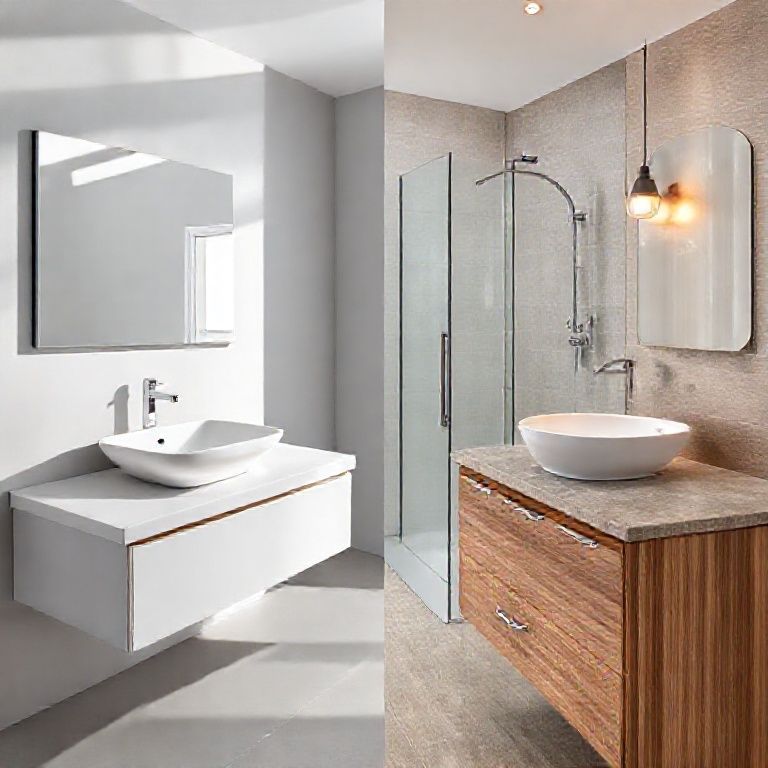
Versatility: Kenali boards are highly versatile and can be used in a wide range of construction applications. They are suitable for flooring, wall cladding, furniture, and even large structural components. This versatility makes Kenali boards a versatile choice for architects and builders looking for a multi-purpose material.
Low Maintenance: Due to their durability and resistance to moisture and pests, Kenali boards require minimal maintenance. This reduces the need for frequent repairs and replacements, saving both time and cost in the long run.
Applications in Construction
Kenali boards are making significant inroads into various sectors of the construction industry due to their unique properties and benefits. Here are some key applications:
Flooring: Kenali boards are an excellent choice for flooring due to their durability and resistance to wear and tear. They provide a long-lasting, low-maintenance solution for both residential and commercial flooring.
Wall Cladding: The aesthetic appeal and durability of Kenali boards make them ideal for wall cladding. They offer a natural, attractive finish that enhances the overall look of a building while providing protection against environmental factors.
Furniture: Kenali boards can be used to create high-quality, sustainable furniture. Their natural beauty and durability ensure that the furniture remains attractive and functional for years to come.
Structural Components: In modern construction, Kenali boards are increasingly being used for structural components due to their strength and resistance to environmental factors. This makes them a valuable material for both traditional and innovative building designs.
Environmental Impact
The production and use of Kenali boards have a significantly lower environmental impact compared to traditional building materials. The fast-growing nature of Kenali trees ensures that the resource is renewable, reducing the pressure on other, slower-growing forests. Additionally, the use of natural adhesives in the production process minimizes chemical pollution and carbon emissions.
Conclusion
Kenali boards are a testament to the power of combining natural resources with modern technology to create sustainable and durable construction materials. Their unique properties make them an excellent choice for a wide range of construction applications, from flooring and wall cladding to furniture and structural components. As the construction industry continues to seek out eco-friendly solutions, Kenali boards are poised to play a crucial role in shaping the future of sustainable building practices.
The Future of Sustainable Construction: Kenali Boards
Advancements in Kenali Board Technology
As the construction industry evolves, so do the materials used in building. Kenali boards are at the forefront of this transformation, thanks to continuous advancements in production technology and material science.
Innovative Production Techniques
The production process of Kenali boards has seen significant improvements, enhancing their quality and efficiency. Here are some of the key advancements:
Precision Lamination: Modern lamination techniques allow for precise stacking and bonding of Kenali wood layers. This ensures uniform thickness and strength across the board, resulting in a more consistent and reliable product.
Advanced Adhesion: The natural adhesive used in Kenali board production has been refined to improve bonding strength and reduce the risk of delamination. This advancement ensures that the boards maintain their integrity over time, even under heavy use and environmental stress.
Surface Finishing: Advanced finishing techniques have been developed to create smoother, more aesthetically pleasing surfaces on Kenali boards. This includes a range of finishes, from natural wood grain to polished and stained options, catering to diverse design preferences.
Sustainability Enhancements
The sustainability of Kenali boards continues to be a focal point of research and development. Here’s how advancements are being made:
Renewable Resources: Efforts are ongoing to ensure that Kenali trees are harvested in a sustainable manner. This includes implementing forest management practices that promote the health and regeneration of Kenali forests, ensuring a continuous supply of raw material.
Eco-friendly Processes: The production process is continuously optimized to minimize waste and reduce environmental impact. This includes recycling water and other materials used in the production process, as well as reducing energy consumption through efficient manufacturing techniques.
Future Prospects
The future of Kenali boards looks promising, with ongoing research and development focused on further enhancing their properties and applications. Here are some of the key areas of future development:
Enhanced Durability: Research is being conducted to further improve the durability of Kenali boards, making them even more resistant to environmental factors such as moisture, pests, and UV radiation. This will extend the lifespan of Kenali boards and increase their reliability in various construction applications.
New Applications: As the construction industry continues to innovate, Kenali boards are being explored for new applications beyond traditional uses. This includes potential uses in advanced engineering projects, such as high-strength structural components and innovative architectural designs.
Sustainable Practices: Efforts to further enhance the sustainability of Kenali boards are ongoing. This includes exploring alternative adhesives and finishes that are even more eco-friendly, as well as improving the overall efficiency of the production process to reduce waste and energy consumption.
Case Studies and Real-World Applications
To understand the real-world impact of Kenali boards, let’s look at some case studies where these boards have been successfully implemented:
Green Building Projects: Kenali boards have been used in several green building projects around the world. These projects aim to reduce environmental impact and promote sustainability. The use of Kenali boards in these projects showcases their ability to provide a sustainable, durable, and aesthetically pleasing solution.
Commercial Construction: In commercial construction, Kenali boards have been employed in office buildings, shopping malls, and other commercial spaces. Their durability and low maintenance requirements make them an attractive choice for these high-traffic areas.
Residential Homes: Kenali boards are increasingly being used in residential construction, providing homeowners with a sustainable and attractive flooring and wall cladding option. Their natural beauty and durability ensure that they remain a popular choice for eco-conscious homeowners.
Comparative Analysis
To better understand the advantages of Kenali boards, let’s compare them to other common building materials:
Kenali vs. Hardwood: While hardwood is known for its aesthetic appeal and durability, it is typically slower-growing and less sustainable than Kenali. Kenali boards, on the other hand, offer similar durability and aesthetics while being sourced from a fast-growing, renewable resource.
Kenali vs. Plywood在进一步探讨Kenali板(可耐力板)的优势和未来发展方向时,我们可以从多个角度来看待其在建筑和装修行业的应用前景。
Kenali板的市场潜力
1. 建筑行业的转型
随着全球对可持续发展的重视,建筑行业正在逐步向更环保的材料和技术转型。Kenali板作为一种高效、可再生且低环境影响的材料,正迎合这一市场趋势。建筑业界越来越多的开始采用Kenali板来减少碳排放,降低建筑过程中的环境影响。
2. 全球市场需求
由于其环保特性和优异的物理性能,Kenali板在全球范围内的需求正在迅速增长。特别是在那些对环保要求高的市场,如欧洲和北美,Kenali板已经逐渐受到关注和采用。
Kenali板的技术创新
1. 加强耐久性和抗环境性能
未来的技术创新将进一步增强Kenali板的耐久性和抗环境性能。例如,通过改进粘合剂的配方,可以使板材更具抗湿性和抗虫性,进一步延长其使用寿命。
2. 新型表面处理
随着表面处理技术的进步,Kenali板可以通过多种方法实现更多样化的外观效果,如高光泽、抗指纹涂层等。这将满足不同建筑和装修项目对美观和功能性的多样化需求。
3. 智能化建筑
随着智能建筑的兴起,Kenali板也可能在这一领域发挥作用。例如,通过集成传感器和智能技术,Kenali板可以用于智能家居系统,实现环境监控和节能管理。
商业模式和经济效益
1. 垂直整合
为了进一步提高竞争力,Kenali板的生产商可以采用垂直整合的商业模式,从原材料的采购到产品的销售都进行一体化管理。这不仅能提升效率,还能确保产品的高质量和可持续性。
2. 定制化服务
建筑和装修行业对材料的需求多种多样,生产商可以通过提供定制化服务来满足客户的特定需求。例如,根据建筑项目的具体要求,提供不同尺寸、厚度、表面处理等定制化的Kenali板。
3. 市场推广和教育
为了进一步拓展市场,生产商需要加强市场推广和教育工作。通过举办研讨会、提供培训和技术支持,帮助建筑师、设计师和施工团队了解Kenali板的优势和应用技术,从而提高其市场认可度。
挑战和应对策略
1. 市场接受度
尽管Kenali板具有诸多优势,但在一些市场,建筑材料的选择仍受传统观念和成本考虑影响。为此,生产商需要通过展示产品的长期经济效益和环境效益来提升其市场接受度。
2. 生产成本
高效、可持续的生产技术虽然能提升产品质量,但可能导致生产成本的增加。为此,需要通过技术创新和规模化生产来降低成本,使Kenali板在价格上具有竞争力。
3. 法规和认证
在某些国家和地区,新型建筑材料可能需要通过严格的法规和认证过程。生产商需要提前做好相关准备,确保产品符合各项法规要求,以便顺利进入市场。
结论
Kenali板作为一种新兴的高效、可再生、环保的建筑材料,具有广阔的市场前景和发展潜力。通过技术创新、商业模式优化和市场推广,Kenali板有望在全球建筑和装修行业占据一席之地。尽管面临一些挑战,但通过持续的努力和创新,Kenali板将为实现更加可持续的建筑未来做出重要贡献。