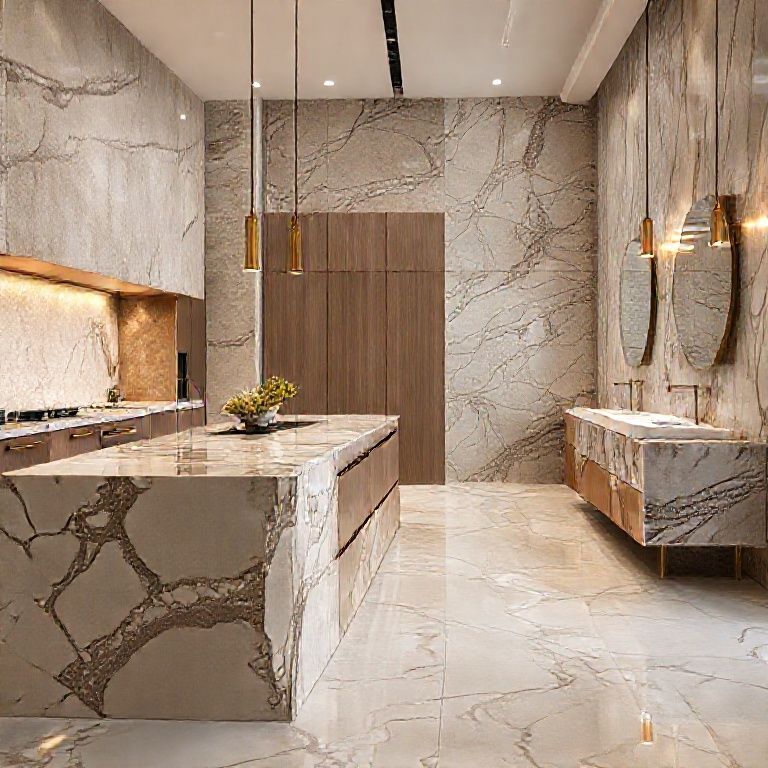
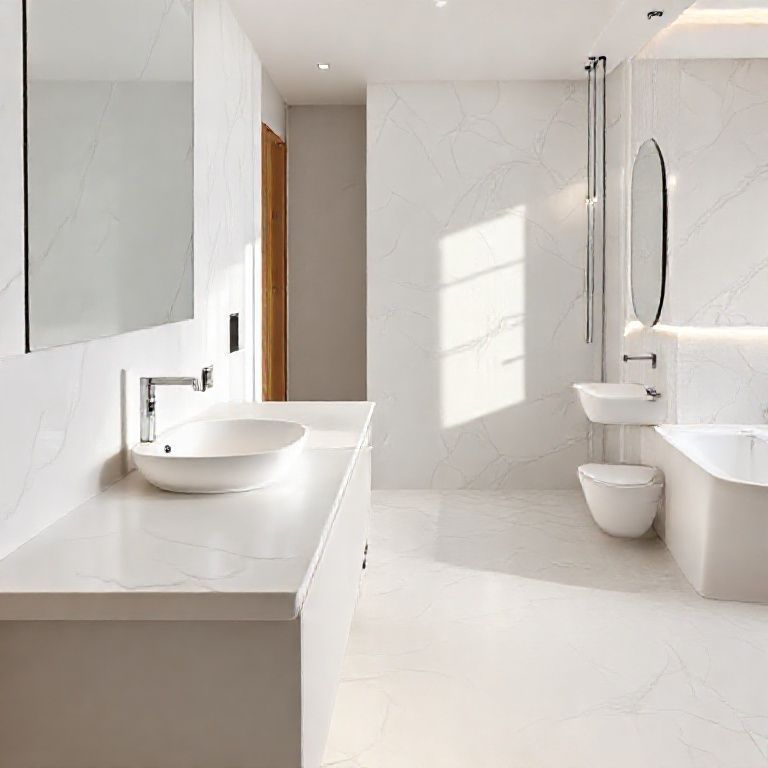
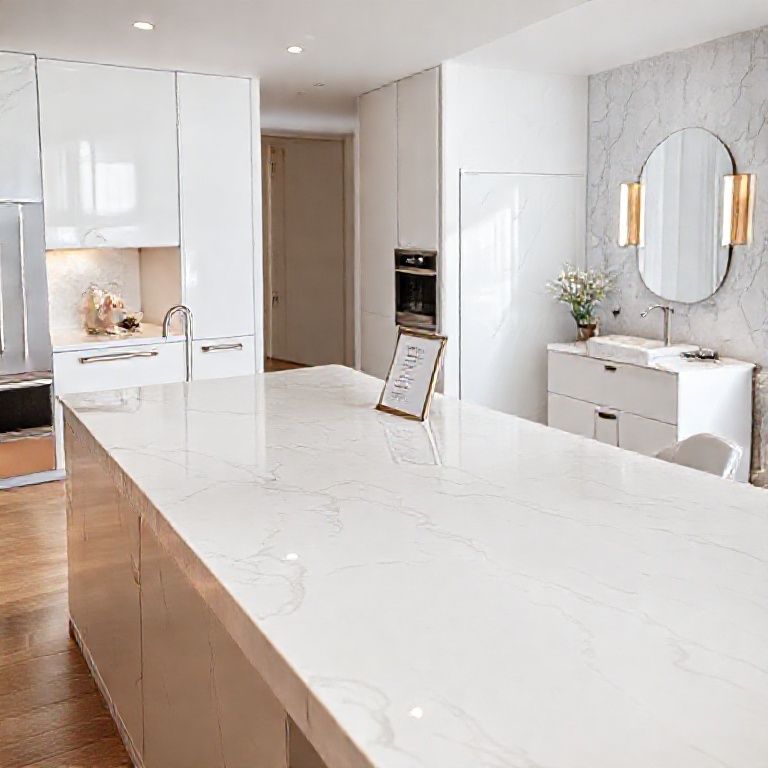
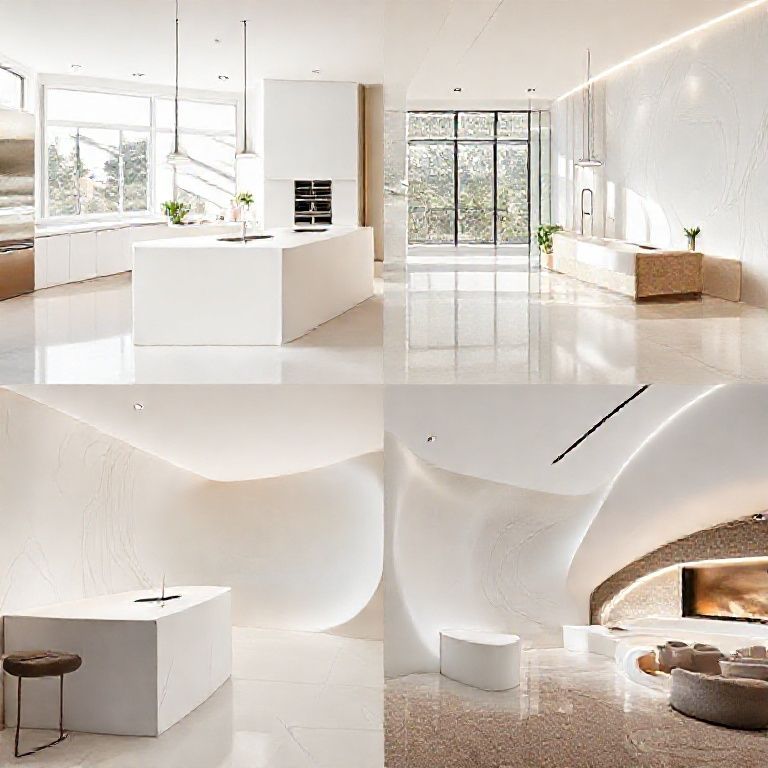
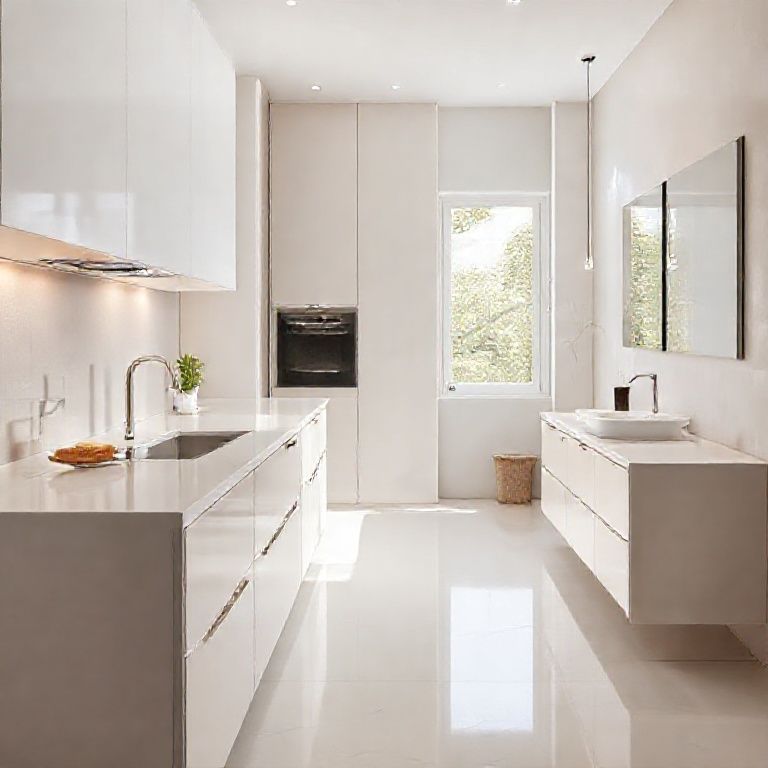
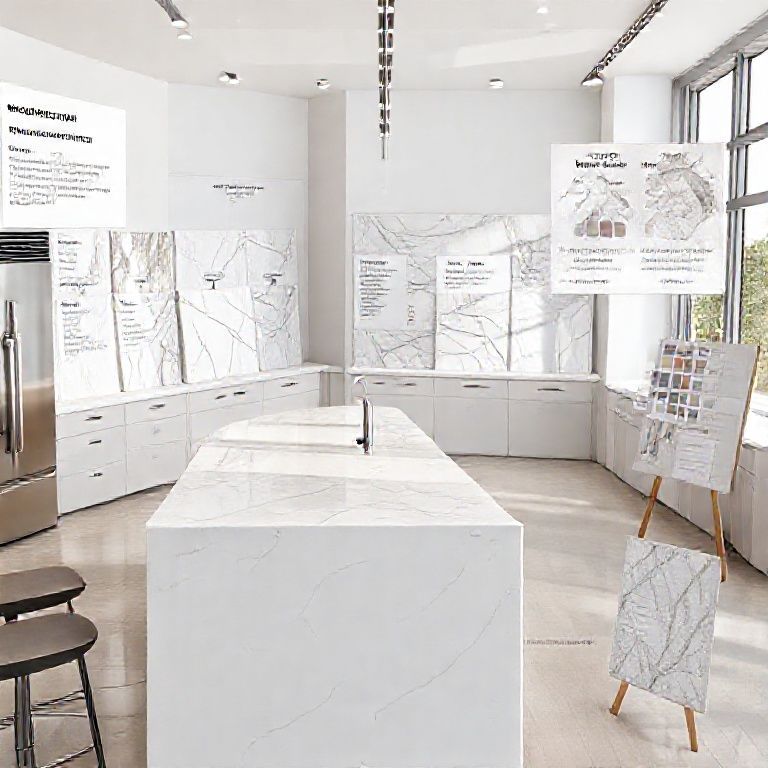
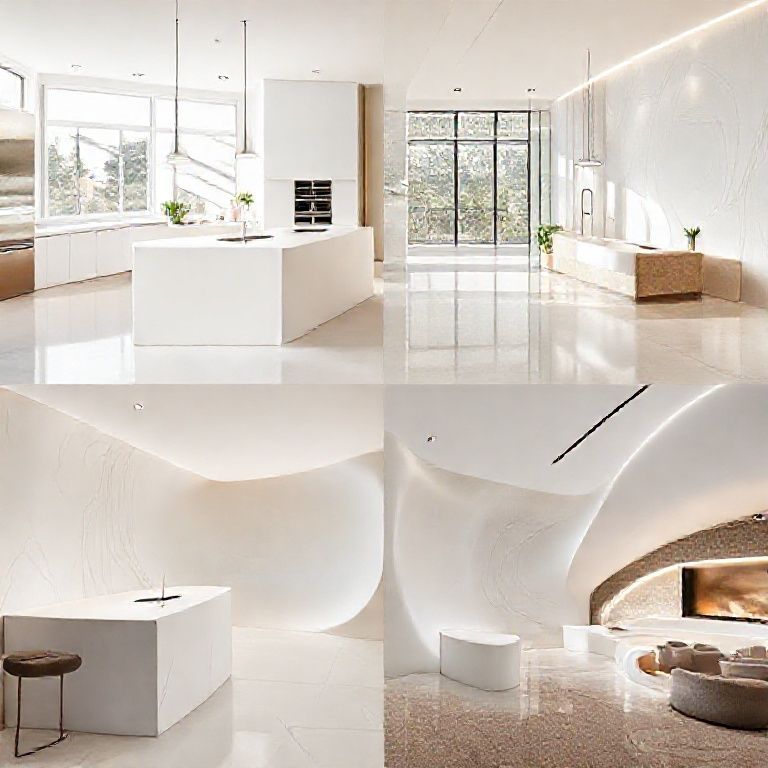
When it comes to flooring solutions, Granite Tile Flooring stands out for its unparalleled durability, aesthetic appeal, and longevity. Granite, a natural stone, offers a unique combination of beauty and resilience that few materials can match. But how much does this exquisite flooring cost per square foot? Let’s explore the multifaceted factors that influence the price and why investing in Granite Tile Flooring might be one of the best decisions for your space.

Understanding Granite Tile Flooring
Granite Tile Flooring is renowned for its robust nature and stunning visual appeal. Derived from the Earth’s mantle, granite is a metamorphic rock composed of minerals such as quartz, mica, and feldspar, providing a high level of resistance to scratching, staining, and chipping. This inherent strength makes granite tiles an excellent choice for high-traffic areas like kitchens, bathrooms, and commercial spaces.
Factors Influencing the Cost
Material Quality The primary determinant in the cost per square foot of Granite Tile Flooring is the quality of the granite used. Different granite types, such as Black Friday, Emperor Grey, and Red Granite, vary in price based on their rarity, color, and texture. Higher-end granites with unique patterns or colors will generally cost more than standard varieties.
Tile Size and Format The size of the tiles plays a significant role in the overall cost. Larger tiles cover more area with fewer pieces, reducing the labor and material costs. Conversely, smaller tiles might require more pieces and additional cutting, thereby increasing the cost per square foot. Custom formats and special cuts also add to the expense.
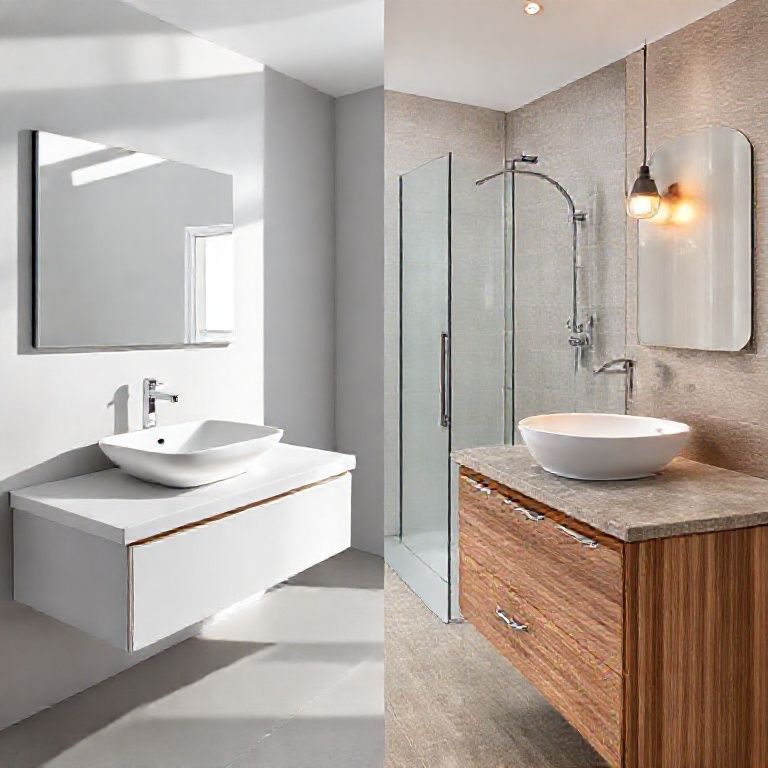
Installation Costs Professional installation is crucial to ensure the longevity and aesthetic appeal of Granite Tile Flooring. The cost of installation can vary widely based on the complexity of the project, the skill level of the installers, and the location. For instance, installing tiles in a basement or on a sloped surface will incur additional labor costs.
Labor Costs Labor costs are a significant component of the total price. Highly skilled installers command higher rates, and complex installations, such as those involving intricate patterns or mosaic designs, will require more time and expertise, thereby driving up the cost.
Shipping and Handling For projects located far from the granite quarry or manufacturing facility, shipping and handling costs can add to the overall price. These costs depend on the distance and the weight of the granite tiles.
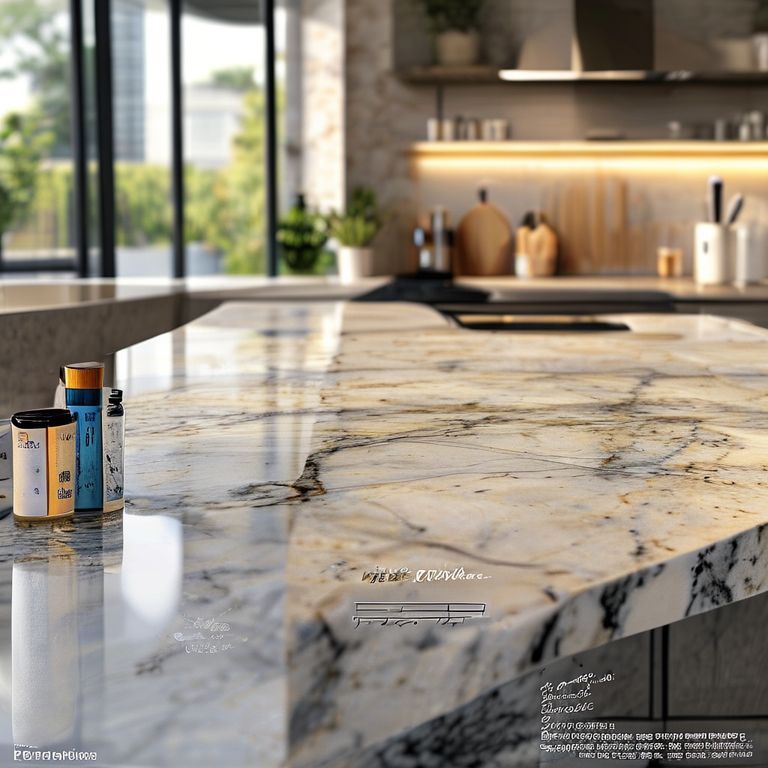
Why Granite Tile Flooring is Worth the Investment
Granite Tile Flooring is not just about aesthetics; it’s a long-term investment in durability and value. Here’s why:
Durability Granite tiles are exceptionally durable, capable of withstanding heavy foot traffic and resisting scratches, stains, and water damage. This longevity means less frequent replacement and lower long-term costs.
Low Maintenance Unlike some other flooring materials, granite tiles require minimal maintenance. They can be easily cleaned with a damp cloth and mild detergent, and periodic sealing helps maintain their natural shine and repels stains.
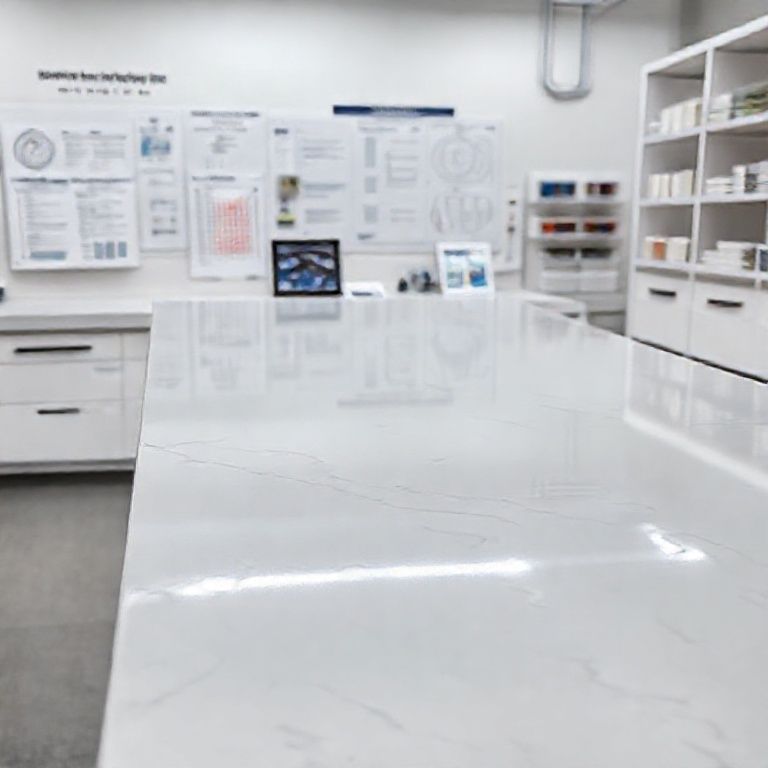
Versatility Granite tiles are versatile and can complement a wide range of interior design styles, from modern to traditional. Their natural beauty and wide range of colors and patterns make them adaptable to various settings.
Increased Property Value High-quality flooring like Granite Tile Flooring can significantly enhance the value of your property. Homes and businesses with well-installed granite flooring often see increased interest from potential buyers or tenants.
Conclusion
Understanding the cost per square foot of Granite Tile Flooring involves considering several factors, including the quality of the granite, tile size, installation complexity, and labor costs. Despite the upfront investment, the durability, low maintenance, and aesthetic appeal of granite tiles make them a wise choice for long-term value and satisfaction.
In the next part of our series, we will delve deeper into the installation process, maintenance tips, and additional considerations to help you make an informed decision about Granite Tile Flooring for your space.
Building upon the foundation laid in the first part, this section will provide a deeper dive into the nuances of installing Granite Tile Flooring, the maintenance required to keep it looking its best, and additional considerations to ensure you get the most value for your investment.
Installation Process
Preparation Proper preparation is crucial for the successful installation of Granite Tile Flooring. This involves cleaning the subfloor to remove any dust, debris, or old adhesives. The subfloor must be level, dry, and free of any moisture. If the subfloor is uneven, leveling compounds or self-leveling underlayment may be necessary.
Layout and Design Before the installation begins, it’s essential to plan the layout and design. This includes deciding on the tile pattern, starting from the center of the room or from an edge, and marking the tiles accordingly. Using a tile spacer can help maintain consistent gaps between tiles, ensuring a professional finish.
Adhesion and Cutting A high-quality adhesive is applied to the subfloor, and tiles are placed according to the layout plan. Precision is key during this step, as cutting tiles to fit around obstacles like doorways or plumbing requires skill and experience. Tile cutters or wet saws are typically used for this purpose.
Grouting and Sealing Once the tiles are set, a grout is applied to fill the spaces between them. Grouting not only secures the tiles but also adds to the aesthetic appeal. After grouting, the tiles are typically sealed to protect them from stains and moisture. Regular sealing is recommended to maintain the floor’s condition.
Maintenance Tips
Regular Cleaning Granite tiles are relatively low-maintenance, but regular cleaning is essential to maintain their beauty and longevity. Use a soft, damp cloth and a mild detergent to clean the surface. For tougher stains, a granite-specific cleaner can be used as needed.
Avoiding Abrasive Cleaners It’s important to avoid abrasive cleaners and scrubbing pads, which can scratch the surface of the tiles. Always use non-abrasive cleaning tools to prevent damage.
Periodic Sealing While granite is naturally resistant to stains, periodic sealing is recommended to maintain its protective qualities. Typically, sealing should be done every 1-2 years, depending on the level of traffic and exposure to moisture.
Repairing Chips and Cracks In the rare event that a tile chips or cracks, it’s best to repair it promptly to prevent further damage. Professional tile repair services can restore the integrity and appearance of the flooring.
Additional Considerations
Budgeting for Future Needs When budgeting for Granite Tile Flooring, consider not just the initial cost but also future maintenance and potential replacement. Setting aside a contingency fund for unforeseen expenses can provide peace of mind.
Professional vs. DIY Installation While DIY installations can be tempting due to cost savings, professional installation is highly recommended. Skilled installers ensure proper adherence, alignment, and sealing, which can prevent future issues and extend the life of the flooring.
Environmental Impact Consider the environmental impact of your flooring choice. Opting for high-quality, durable materials like granite can reduce the need for frequent replacements, thereby minimizing waste and environmental footprint.
Warranties and Guarantees Check for warranties and guarantees offered by tile manufacturers and installers. A good warranty can provide protection against manufacturing defects and installation errors, offering peace of mind and added value.
Conclusion
Granite Tile Flooring offers a blend of durability, beauty, and low maintenance that makes it a standout choice for both residential and commercial spaces. By understanding the factors that influence the cost per square foot, the intricacies of installation, and the maintenance required, you can make an informed decision that maximizes value and satisfaction.
Investing in Granite Tile Flooring is more than just a flooring choice; it’s an investment in the longevity和美观。从长远来看,这种投资不仅能够提升空间的整体价值,还能为您提供一种耐用且美观的地板解决方案。
选择合适的设计风格
在选择Granite Tile Flooring时,您还需要考虑如何与现有的设计风格相协调。无论是现代简约、传统经典,还是乡村温馨,Granite Tile都能够适应各种设计风格。这意味着您可以根据自己的喜好和空间的功能,选择合适的颜色、图案和大小,以创造出理想的视觉效果。
考虑实际使用情况
不同的房间和空间有不同的使用需求。例如,厨房和浴室通常需要更耐污、防水的材料,而客厅和卧室可能更注重美观和舒适。因此,在选择Granite Tile时,要根据具体使用情况进行适当的选择,以确保地板在日常使用中的表现最佳。
职业安装与后期服务
专业的安装和后期服务是确保Granite Tile Flooring长久美观和功能性的关键。专业的安装团队不仅能够确保地板的正确铺设和固定,还能提供专业的建议和指导。很多安装公司还提供后期的维护和保养服务,确保您的地板长久保持最佳状态。
环保与健康
如今,越来越多的人关注环保和健康问题。选择高质量的Granite Tile不仅对环境更友好,还能提供更健康的生活环境。Granite天然石材,不含有害化学物质,使用过程中不会释放有害物质,对家庭成员的健康更加安全。
总结
Granite Tile Flooring的价格因其材质、尺寸、设计等因素而有所不同,但其独特的美观和耐用性使其成为许多人心目中的首选。通过了解其成本因素、安装要点和维护方法,您可以更好地规划和享受这一优质的地板选择。
无论是在家庭装修还是商业空间设计中,Granite Tile Flooring都能为您带来无与伦比的美感和持久性。因此,在做出最终决定前,建议您充分考虑以上因素,并可能咨询专业人士以获取更多的建议和信息。