Unlocking Culinary Charm: Designing Your Dream 2.2-Meter Wide Kitchen
Sure, I can help you with that! Here’s a soft article about designing a 2.2-meter-wide kitchen, presented in two parts as you requested.

The allure of a spacious kitchen is undeniable, often depicted in magazines with sprawling islands and generous counter space. However, for many of us, reality presents a different canvas – a narrower footprint, like the common 2.2-meter width. Far from being a limitation, a 2.2-meter wide kitchen offers a unique opportunity for ingenious design and a surprisingly cozy, efficient culinary haven. It’s about embracing the constraints and transforming them into strengths, resulting in a space that is not only highly functional but also brimming with personality and charm. Think of it as a perfectly tailored suit – designed to fit you impeccably, maximizing every inch for comfort and style.
The primary challenge with a 2.2-meter wide kitchen is, of course, the limited floor space. This means every design decision needs to be carefully considered to avoid a cramped or impractical environment. The most common and often most effective layout for such dimensions is the galley kitchen. This linear arrangement places cabinetry, countertops, and appliances along two parallel walls, creating a central walkway. The key here is to ensure this walkway remains comfortable, ideally between 1.2 to 1.5 meters wide, allowing for easy movement and the possibility of two people working side-by-side without feeling like they’re in each other’s way.
When considering the two-wall configuration, think about how you can maximize the functionality of each side. One wall can house the primary cooking zone: the stove, oven, and essential prep space. The opposite wall can then focus on the sink, dishwasher, and refrigerator, often referred to as the “work triangle” – though in a galley kitchen, it’s more of a “work line.” Strategic placement is vital. For instance, placing the refrigerator at one end of the galley can prevent it from interrupting the flow when opened, especially if it’s a counter-depth model that sits flush with your cabinetry. Similarly, positioning the dishwasher next to the sink streamlines cleanup.
Vertical space becomes your greatest ally in a narrow kitchen. Instead of opting for standard-height upper cabinets, consider extending them all the way to the ceiling. This not only provides significantly more storage for less frequently used items but also draws the eye upward, making the kitchen feel taller and more expansive. Think about incorporating open shelving above a certain height for decorative items or frequently accessed spices and oils. This can break up the visual weight of solid cabinets and add a touch of personality. Pegboards are also fantastic for organizing utensils and small tools, keeping countertops clear and within easy reach.
Appliances in a 2.2-meter kitchen need to be chosen with purpose. Opt for slimmer, more compact models where possible. For instance, a 45cm-wide dishwasher instead of a standard 60cm one can save precious inches without drastically sacrificing capacity. Integrated appliances that blend seamlessly with your cabinetry can also contribute to a cleaner, more streamlined look, making the space feel less cluttered. Consider a slim-line refrigerator or even a under-counter model if your needs are modest. When it comes to the cooktop, a 2 or 4-burner induction hob often suffices for most home cooks and frees up valuable counter space.
Lighting is another crucial element in making a narrow kitchen feel more inviting and functional. A combination of ambient, task, and accent lighting is ideal. Under-cabinet lighting is a non-negotiable for illuminating your countertops, banishing shadows, and making prep work a pleasure. Pendant lights above a small dining nook or a central island (if space permits a very narrow one) can add a decorative touch and define zones. Ensure the overall lighting is bright and even to prevent the space from feeling dark or claustrophobic.
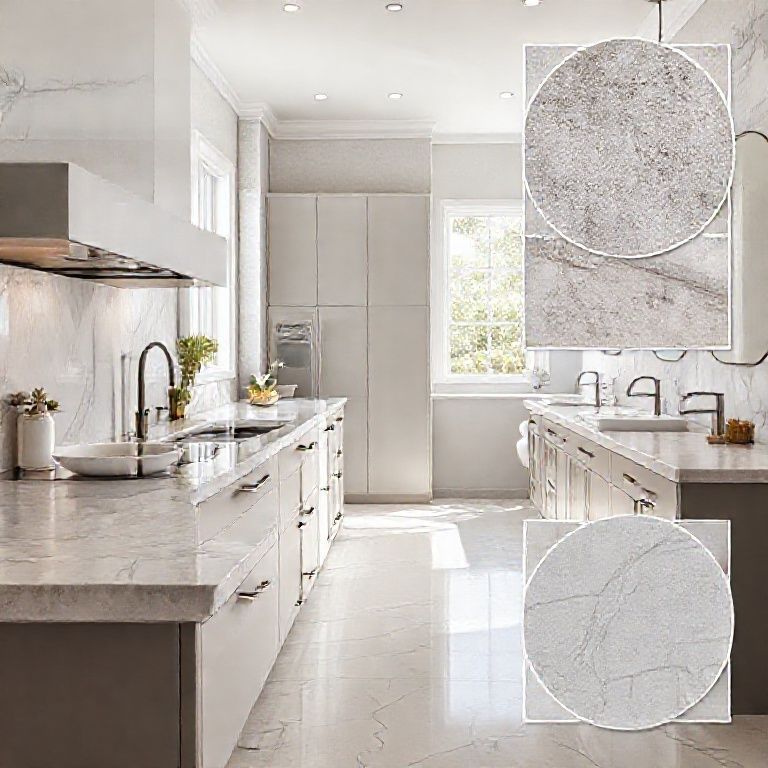
Material choices play a significant role in the perception of space. Light-colored countertops and cabinetry are excellent for reflecting light and making the kitchen appear larger. High-gloss finishes on cabinets can also contribute to this effect. Conversely, dark or heavily patterned materials can make a narrow space feel smaller and more enclosed. Think about a sleek, minimalist aesthetic with clean lines and understated hardware to enhance the sense of openness. Natural light, if available, should be maximized by using sheer window treatments or, if privacy isn’t an issue, no treatments at all. Mirrored backsplashes or strategically placed mirrors can also work wonders in bouncing light and creating an illusion of depth.
When it comes to storage, think outside the box. Pull-out pantries, narrow cabinets with rotating shelves (carousels), and drawer organizers are your best friends. Wall-mounted knife racks, spice racks, and pot organizers can free up valuable drawer and cabinet space. Consider a fold-down table that can be used for quick meals or extra prep space and then neatly tucked away. Even the space above the refrigerator can be utilized with a cabinet. The goal is to make every inch work harder for you, ensuring that clutter is kept to a minimum, which is paramount in a narrow kitchen.
The overall aesthetic of your 2.2-meter kitchen can be anything you desire, but cohesive design is key. Whether you lean towards modern minimalism, a cozy farmhouse vibe, or a sleek industrial look, stick to a consistent palette and style. Avoid overwhelming the space with too many competing elements. A thoughtful selection of finishes, colors, and accessories can transform a functional galley into a stylish and inviting culinary retreat. It’s about creating a space that feels personal and joyful to cook and spend time in, regardless of its dimensions. This initial exploration into layouts, vertical space, appliances, lighting, materials, and storage lays the groundwork for a beautifully optimized narrow kitchen.
Continuing our journey into the world of 2.2-meter kitchens, let’s delve deeper into specific strategies and aesthetic considerations that will truly elevate your compact culinary space. We’ve established the foundational principles of maximizing function and creating an illusion of space, but now it’s time to inject personality and refine the details that make a house feel like a home. The beauty of a narrow kitchen lies in its potential for intimacy and focused design, allowing you to curate a space that is both a joy to use and a pleasure to behold.
One of the most impactful ways to enhance the perceived width of your kitchen is through the strategic use of color and finishes. While light and bright is a tried-and-true formula, don’t be afraid to introduce subtle depth or personality. Consider a two-toned cabinetry approach. For instance, lighter colors on upper cabinets can maintain that airy feel, while a slightly darker or more saturated hue on the base cabinets can ground the space and add visual interest. Alternatively, you could use a feature color on one of the end walls to draw the eye and create a focal point, effectively shortening the perceived length of the galley. Matte finishes can offer a sophisticated look, while high-gloss surfaces will amplify light. If you’re drawn to wood tones, opt for lighter species like birch, maple, or ash, or consider a whitewashed or grey-washed finish.
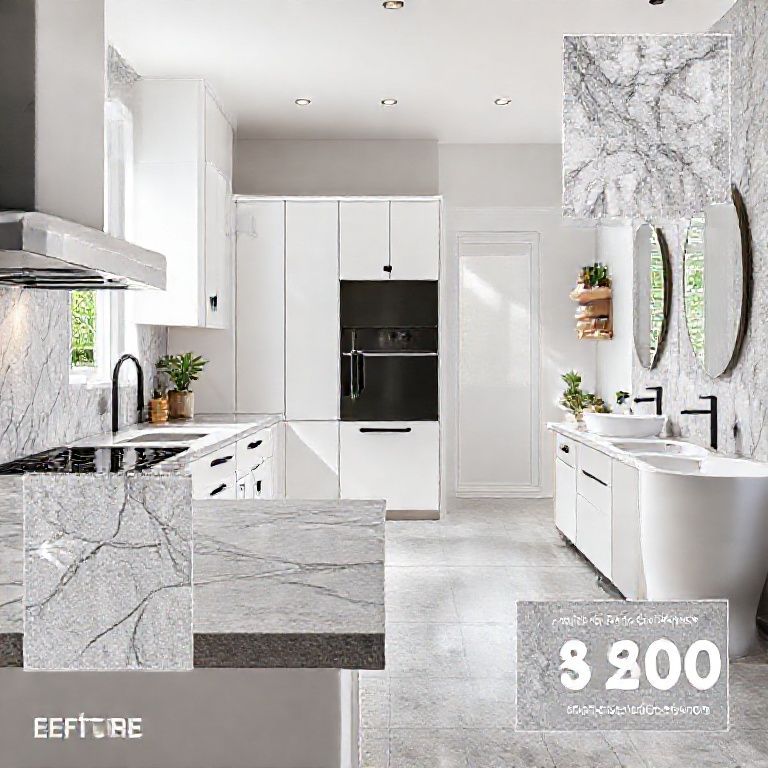
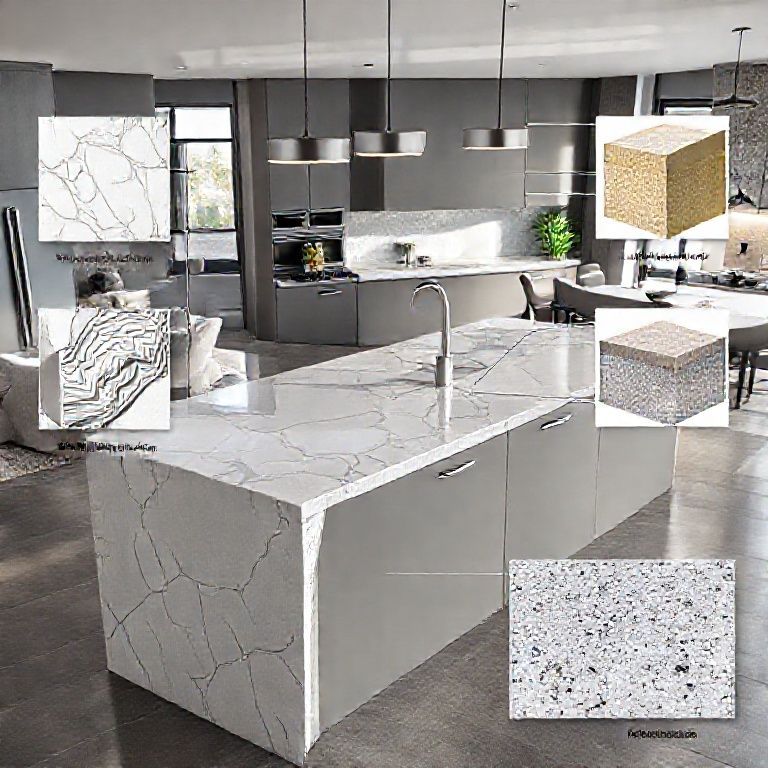
Backsplashes are an excellent opportunity to add a decorative flourish without overwhelming the space. Large-format tiles can create a seamless look, minimizing grout lines and making the wall appear more expansive. A mirrored backsplash is a classic trick for a narrow kitchen, instantly doubling the perceived depth and reflecting light. If mirrors feel too bold, consider tiles with a subtle sheen or a delicate pattern. Subway tiles are perennially popular and can be laid in a vertical stack pattern to draw the eye upwards. Alternatively, a sleek, single slab of quartz or granite can provide a sophisticated and easy-to-clean surface.
When it comes to flooring, continuity is key. Using the same flooring material throughout the adjacent living or dining areas can visually extend the kitchen, making it feel like a more integrated part of the home. Light-colored flooring, such as pale wood, light grey tiles, or even a white vinyl, will help to brighten the space. Consider a durable, low-maintenance material that can withstand the rigors of kitchen use. Patterns in flooring can sometimes make a space feel busier, so a simpler design might be preferable.
The sink area is a focal point in any kitchen. In a narrow kitchen, consider a single, deep basin sink rather than a double bowl. This allows for easier washing of larger pots and pans. A pull-down faucet can be incredibly practical for reaching all corners of the sink and for rinsing vegetables. Incorporating a small cutting board that fits over the sink can also provide an instant extension of your prep space when needed.
Beyond the galley layout, other configurations are possible, though they often require more creative solutions. A U-shaped kitchen might be possible if the 2.2 meters is the width of a room, and you can utilize three walls, leaving one open. However, this can make the central walkway very narrow, so it’s generally less advisable unless the overall room length is generous. An L-shaped layout, where cabinetry is placed on two adjacent walls, leaving the other two open, can work if the kitchen is more of an alcove within a larger space. This often provides a more open feel but may reduce the amount of continuous counter space.
The social aspect of a kitchen should not be overlooked, even in a narrow space. If your kitchen opens onto a dining or living area, consider how you can create a seamless transition. A small breakfast bar or a narrow island, perhaps on wheels, can serve as a casual dining spot or an additional prep surface that can be moved out of the way when not in use. Stools that tuck neatly underneath can maximize space efficiency.
Accessorizing your narrow kitchen is where personality truly shines. Opt for streamlined, functional accessories that don’t add visual clutter. Think about magnetic knife strips, wall-mounted spice racks, and utensil crocks. If you have a small window, consider a charming herb garden to add a touch of life and freshness. When it comes to artwork or decorative items, choose pieces that complement the scale of the kitchen – perhaps a single, striking piece rather than a gallery wall.
One of the biggest mistakes in small kitchen design is over-cluttering. Be ruthless with decluttering. Regularly go through your pantry and cabinets, donating or discarding items you no longer use. Embrace the “less is more” philosophy when it comes to decorative items. Instead, focus on quality over quantity. A beautiful set of serving dishes or a stylish kettle can be both functional and decorative.
Finally, consider the overall flow and how you use your kitchen. Are you a baker who needs ample counter space? A cook who relies on quick access to spices? A family that eats most meals at home? Tailor your design to your specific needs. Perhaps a narrow pull-out spice rack is more valuable than a larger appliance. Maybe a wall-mounted fold-out ironing board or a built-in charging station for devices is a priority.
Designing a 2.2-meter wide kitchen is an exercise in thoughtful planning and creative problem-solving. It’s about understanding the limitations and, more importantly, harnessing them to create a space that is not only highly efficient but also beautiful and reflective of your personal style. By focusing on smart layouts, maximizing vertical space, choosing appropriate appliances, employing clever lighting and material choices, and embracing organized, clutter-free living, your narrow kitchen can transform from a challenge into a cherished and functional heart of your home. The images and videos you seek are not just about displaying cabinets and countertops; they are about showcasing the endless possibilities that arise when we approach design with ingenuity and a touch of flair.