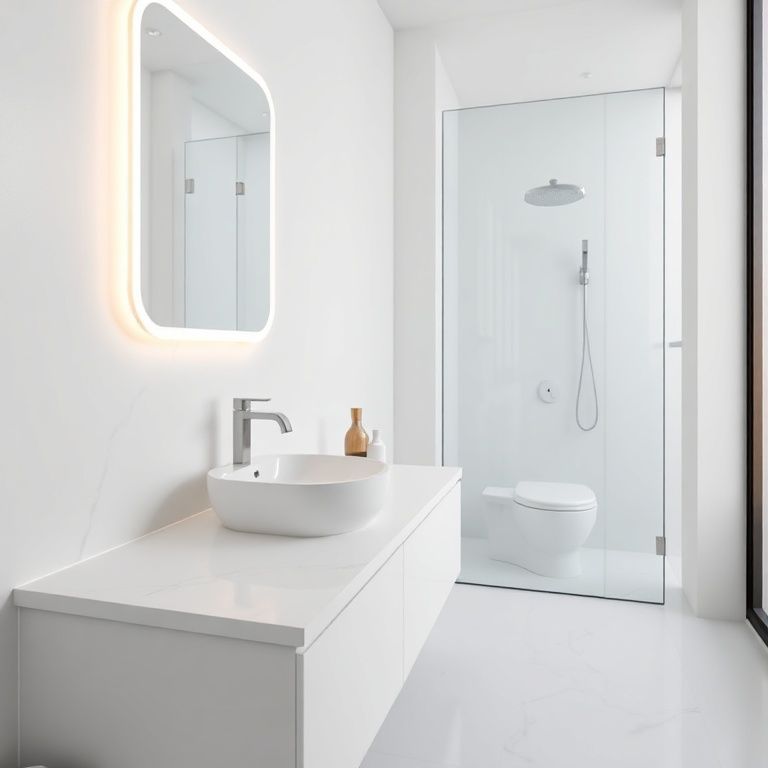
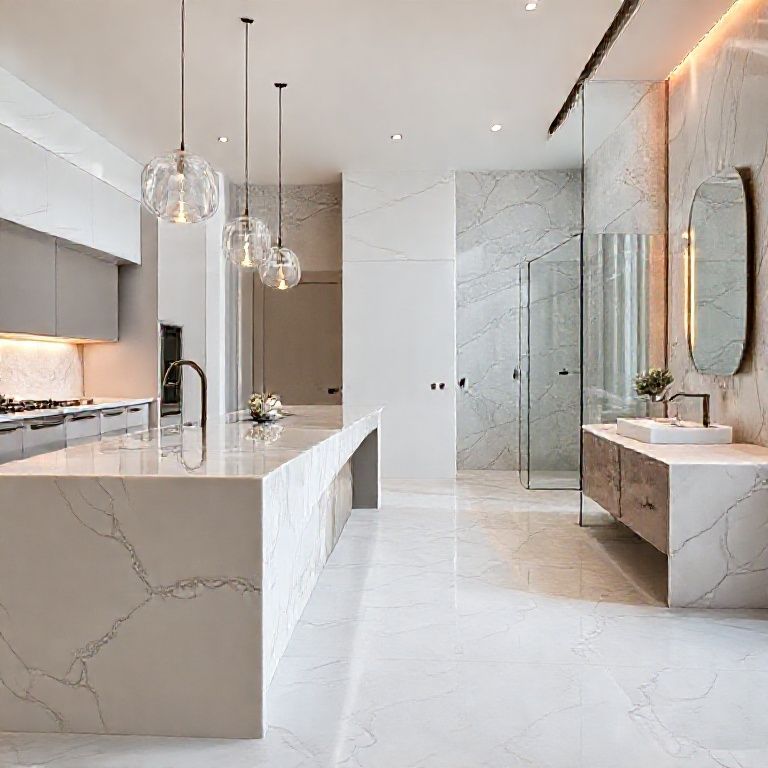
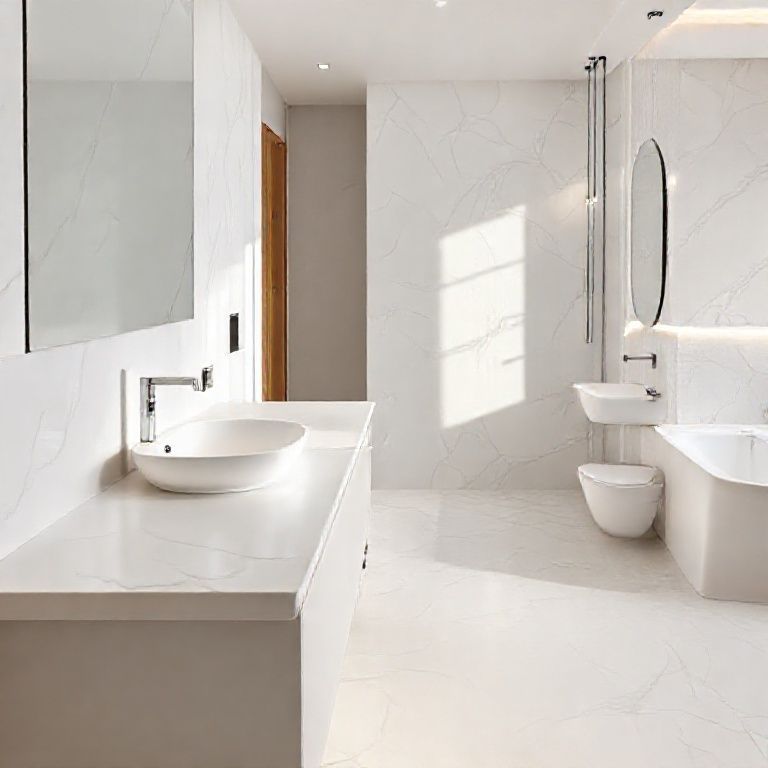
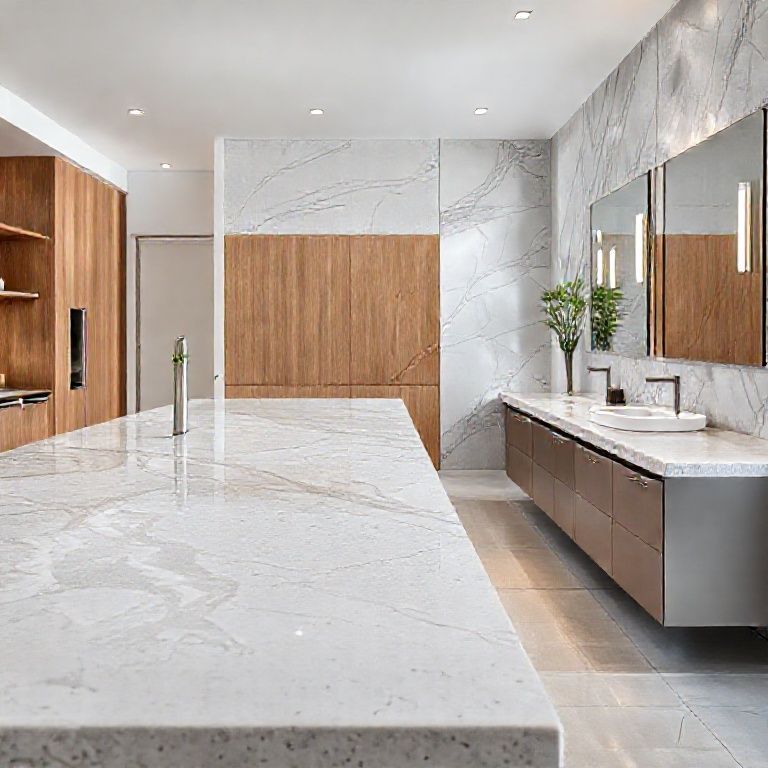
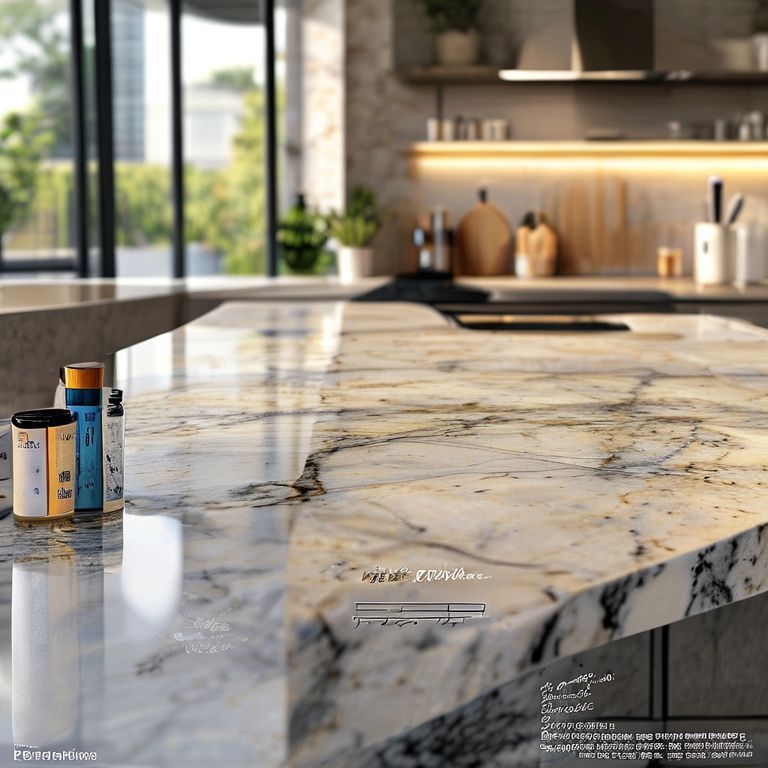
The mere mention of a 2.8-meter kitchen might conjure images of cramped countertops and a perpetual game of Tetris to store your essentials. But what if I told you that this seemingly modest footprint holds the potential to be your most efficient, stylish, and enjoyable culinary space? It’s true! With a dash of creativity and a sprinkle of smart design principles, your 2.8-meter kitchen can transform from a constraint into a canvas for your culinary aspirations. Forget the notion that small means sacrificing style or functionality; in fact, the limitations can often breed the most ingenious solutions.

Our journey begins with a fundamental understanding of the space. A 2.8-meter kitchen typically refers to the linear measurement of one wall dedicated to cabinetry and appliances. This could be a single galley-style layout, or it might be part of a larger open-plan space where this wall defines the primary kitchen zone. Regardless of the exact configuration, the core challenge is maximizing every inch without making it feel cluttered or overwhelming.
The cornerstone of any successful small kitchen design is a well-thought-out layout. For a 2.8-meter stretch, the “work triangle” – the conceptual space between the sink, refrigerator, and stovetop – becomes even more critical. While a true triangle might be a luxury, prioritizing an efficient flow between these key zones is paramount. Consider the “kitchen work zones” instead: the preparation area, the cooking area, and the cleaning area. Ensure these zones are clearly defined and easily accessible.
One of the most popular and effective layouts for a linear kitchen is the single-wall or galley kitchen. In this setup, all your cabinetry, countertops, and appliances are arranged along one wall. This is often the most practical solution for a 2.8-meter space. The key is to arrange these elements logically. Typically, the refrigerator is placed at one end, followed by the sink, then the stovetop/oven, and finally, ample countertop space for prep. This sequence minimizes steps and optimizes workflow.
However, even within a single-wall layout, there’s room for personalization and optimization. Think vertically. Most of us only utilize the lower half of our kitchen walls. By extending your cabinets all the way to the ceiling, you instantly gain a significant amount of storage. These upper cabinets can house less frequently used items, seasonal dishes, or even decorative pieces. To make them accessible, consider using a stylish step stool that can be tucked away neatly when not in use.
When it comes to cabinetry, the style and material play a huge role in how spacious your kitchen feels. Opt for sleek, minimalist designs with flat-front doors (often called slab or Shaker doors without the ornamentation). These clean lines create a sense of order and make the space feel larger and less visually busy. Light colors are your best friend here. White, off-white, pale grays, and soft pastels reflect light and make the kitchen feel airy and open. If you’re feeling a bit bolder, consider a light wood grain for a touch of warmth, but keep it subtle.
Hardware is another detail that can make a significant impact. For a modern, streamlined look, opt for handleless cabinets or simple, slim bar pulls. These create a seamless aesthetic and prevent snagging in a tight space.
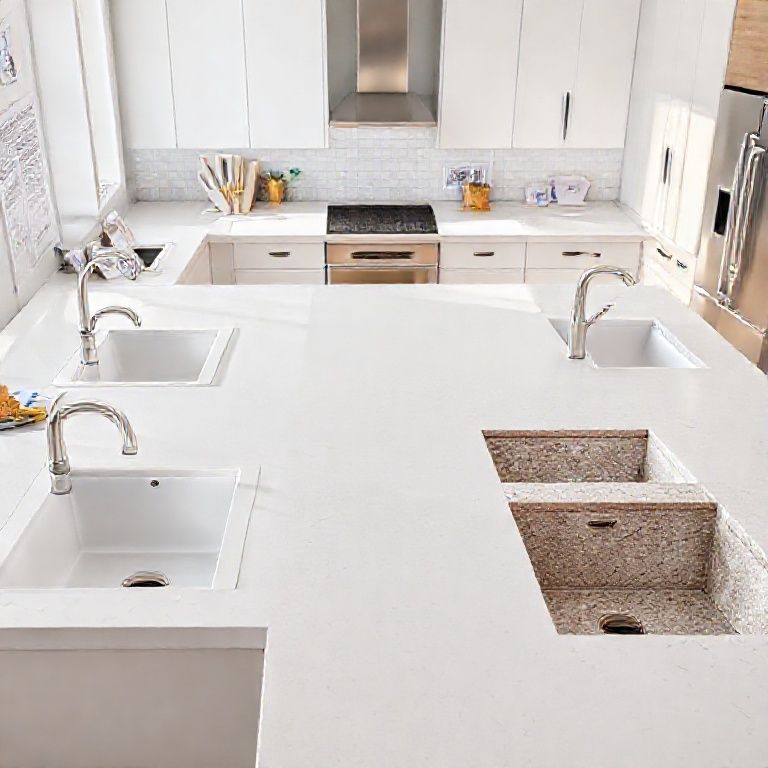
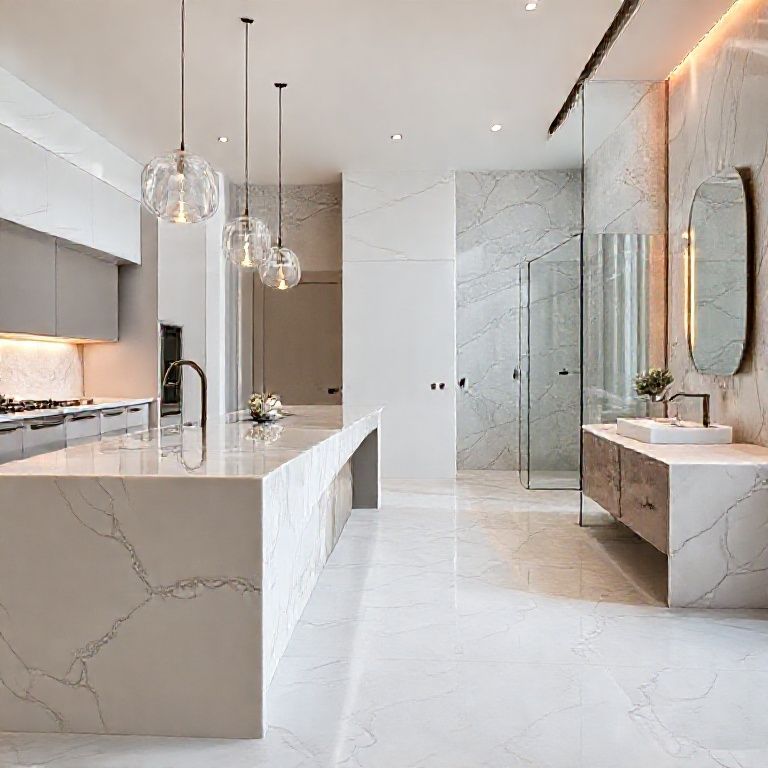
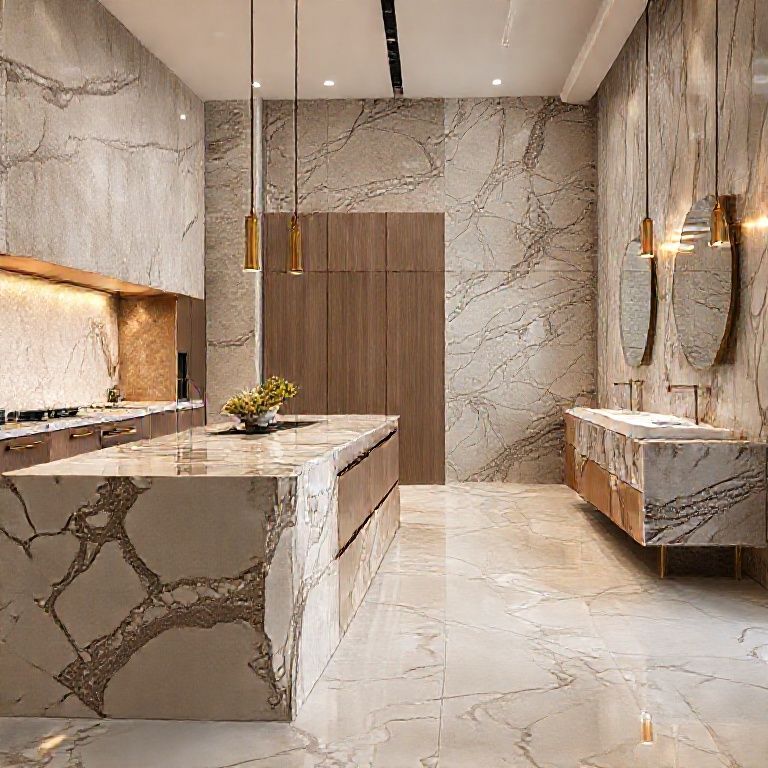
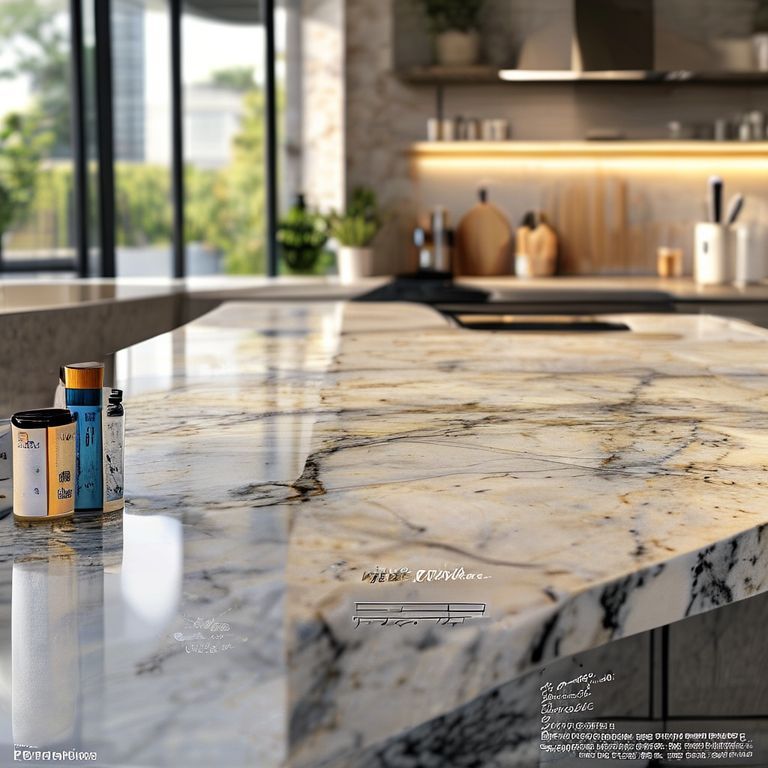
The choice of countertops is also crucial. Quartz and solid surface materials are excellent choices for their durability and non-porous nature, making them easy to clean and maintain. If you’re on a tighter budget, laminate countertops have come a long way in terms of style and durability, offering a vast array of finishes that mimic natural stone or wood. When selecting a countertop material, consider a lighter color to further enhance the feeling of space.
The backsplash is where you can inject personality and color. A mirrored backsplash can work wonders in a small kitchen, reflecting light and creating the illusion of depth. Alternatively, a light-colored subway tile, a geometric pattern in a muted tone, or even a simple sheet of glass can add a stylish touch without overwhelming the space.
Appliances are often a significant consideration in a small kitchen. For a 2.8-meter kitchen, think compact and multi-functional. Consider an under-counter refrigerator to save vertical space, or a slim refrigerator if your needs are modest. Integrated appliances that blend seamlessly with your cabinetry can create a cohesive and uncluttered look. If a full-sized oven isn’t essential, a combination microwave/convection oven can be a game-changer, offering versatility in a smaller footprint. For stovetops, a two-burner induction cooktop can be sufficient for many individuals and couples, and induction is highly energy-efficient and easy to clean.
Lighting is arguably one of the most powerful tools in your design arsenal. A well-lit kitchen feels larger, more inviting, and more functional. Layer your lighting: ambient lighting (ceiling fixtures), task lighting (under-cabinet lights for your prep surfaces), and accent lighting (perhaps in open shelving). Under-cabinet lighting is particularly effective in a linear kitchen, illuminating your primary work area and making it feel more spacious. Consider recessed ceiling lights to provide general illumination without taking up visual space.
Storage, of course, is the ultimate challenge in a small kitchen. Beyond ceiling-height cabinets, think about how you can optimize the interior of your cabinets. Pull-out shelves, lazy Susans in corner cabinets, and drawer organizers can transform chaotic spaces into neatly arranged havens. Deep drawers are often more practical than lower cabinets, as they allow you to easily see and access items stored within. For pots and pans, consider vertical dividers in drawers or pull-out organizers.
Open shelving can also be a stylish and functional addition, but it needs to be curated. Use it for frequently used items or decorative pieces. Keep it neat and tidy to avoid adding to the visual clutter. Floating shelves can add a modern touch and allow for easy access to everyday items like spices or small appliances.
Don’t underestimate the power of multi-functional furniture and accessories. A slim kitchen island or a rolling cart can provide additional prep space and storage, and can be moved out of the way when not in use. Consider a drop-leaf table that can extend for meals or prep work and fold down when space is at a premium.
Finally, before you even start looking at cabinets and countertops, declutter ruthlessly. The less you have, the more space you’ll have. Only keep what you truly use and love. This principle applies to everything from utensils to gadgets.
Part 1 has laid the groundwork, focusing on the fundamental layout, cabinetry choices, and the crucial role of lighting and smart appliance selection. We’ve explored how to maximize vertical space and the impact of colors and finishes. Now, in Part 2, we’ll delve deeper into the finer points of maximizing storage, incorporating clever design tricks, and bringing it all together to create a kitchen that is not only functional but also a true reflection of your personal style.
Now that we’ve established the foundational elements of designing your 2.8-meter kitchen – from layout and cabinetry to lighting and appliances – let’s dive into the nitty-gritty of maximizing every square inch and infusing your personality into this compact culinary space. The key to a successful small kitchen isn’t just about fitting everything in; it’s about making it work for you, intuitively and beautifully.
Storage is, and always will be, the hero of any small kitchen design. Beyond the ceiling-high cabinets we discussed, let’s explore some more advanced and often overlooked storage solutions. Think about the often-wasted space above your refrigerator. This is a prime spot for a cabinet to store rarely used items like holiday platters or extra linens. Similarly, the space between your refrigerator and the wall can often accommodate a slim, pull-out pantry, perfect for storing spices, oils, or canned goods. These are often called “appliance garages” or “spice pull-outs” and can be a lifesaver.
Toe-kick drawers are another ingenious way to maximize storage. These shallow drawers are built into the very bottom of your base cabinets and are perfect for storing flat items like baking sheets, serving trays, or even extra dish towels. They’re completely hidden from view, maintaining that sleek, uncluttered aesthetic.
For your utensils and cutlery, consider drawer inserts that maximize space and keep everything organized. Vertical dividers are fantastic for storing baking pans, cutting boards, and even cookie sheets. Imagine opening a drawer and being able to see and grab exactly what you need without rummaging – that’s the goal.
What about those awkward corners? Instead of a dead space, consider a pull-out corner unit or a carousel system. These mechanisms allow you to access items stored deep within the cabinet with ease, eliminating the frustration of reaching for things in the back. If a full corner unit isn’t feasible, even a simple lazy Susan can make a world of difference in accessing items stored in a standard corner cabinet.
Backsplash space isn’t just for aesthetics; it can be a functional area too. Magnetic knife strips are a space-saving and stylish way to store your knives, freeing up valuable drawer space. Similarly, wall-mounted racks for pots, pans, or utensils can add a decorative element while keeping essential tools within easy reach. Just be mindful of not overdoing it, as too many items on display can create a cluttered feel.
The sink area itself can be a hub of hidden storage. Consider a sink base cabinet with pull-out shelves or even a small pull-out trash and recycling bin. Many modern sink designs also offer integrated drainboards or cutting boards that fit snugly over the sink, extending your precious countertop workspace when needed.
Let’s talk about the visual trickery that can make your 2.8-meter kitchen feel so much larger. Beyond light colors and sleek lines, consider reflective surfaces. A polished chrome faucet, stainless steel appliances, or even strategically placed mirrors can bounce light around the room, creating an illusion of greater depth and space.
When it comes to flooring, lighter colors and larger tiles can also contribute to a sense of spaciousness. A continuous flooring material that flows from the kitchen into adjacent living areas can also help to visually expand the space.
The concept of “visual weight” is also important. Avoid bulky, dark, or heavily patterned elements that can make a small space feel closed in. Opt for slim profiles, clean lines, and a cohesive color palette. If you are considering open shelving, keep the items displayed neatly organized and perhaps incorporate some decorative elements like small plants or attractive canisters.
Don’t underestimate the power of a well-placed decorative element. A striking piece of art on an otherwise blank wall, a beautiful fruit bowl on the counter, or a carefully chosen rug can add personality and draw the eye, distracting from the compact dimensions of the kitchen.
Consider the flow of traffic in and out of your kitchen. If your 2.8-meter kitchen is part of an open-plan living area, ensure that the layout doesn’t create a bottleneck. This might involve positioning your island or cart strategically, or ensuring there’s enough clearance around appliances.
The “appliance garage” is a brilliant concept for hiding away less attractive but essential items like toasters, blenders, or coffee makers. These can be built into your upper cabinetry or as standalone units on the countertop, complete with power outlets inside. This keeps your countertops clear and maintains that streamlined aesthetic.
For those who love to entertain or enjoy elaborate cooking, a folding or extendable countertop can be a lifesaver. This can be a pull-out section from a cabinet or a wall-mounted surface that folds down when not in use. This provides extra prep space on demand.
Finally, think about the details that bring it all together and make it feel like your kitchen. Personal touches are what transform a functional space into a welcoming one. This could be a collection of your favorite cookbooks displayed on a shelf, a small herb garden on the windowsill, or even a colorful set of tea towels. The goal is to create a space that is not only efficient but also a joy to be in.
Designing a 2.8-meter kitchen is not about compromise; it’s about intelligent design and creative problem-solving. By embracing vertical space, choosing smart storage solutions, utilizing light and reflective surfaces, and injecting your personal style, you can create a kitchen that is both highly functional and incredibly chic. It’s about making every inch count, transforming a perceived limitation into an opportunity for innovation, and ultimately, crafting a culinary sanctuary that inspires you to cook, create, and connect. So, embrace the challenge, and get ready to fall in love with your beautifully designed small kitchen.