This is a fascinating challenge! Designing a kitchen in a limited space, specifically 2.4 meters wide, is a common design puzzle. I’m excited to craft an engaging and informative soft article in English to tackle this. Here’s the breakdown:

Unlocking Potential: Designing Your Dream Kitchen in a 2.4-Meter-Wide Space
The kitchen: it’s the heart of the home, the stage for culinary creations, and often, the bustling hub of family life. But what happens when this vital space is on the narrower side? The prospect of a 2.4-meter wide kitchen might initially conjure images of cramped countertops and a feeling of being hemmed in. However, I’m here to tell you that this seemingly restrictive dimension holds immense potential. With a blend of smart design principles, creative thinking, and a touch of modern ingenuity, your 2.4-meter kitchen can be transformed from a constraint into a celebrated feature, a testament to efficient and stylish living.
Let’s reframe the narrative. Instead of viewing the width as a limitation, consider it an invitation to be more deliberate, more resourceful, and ultimately, more innovative. A narrow kitchen, often referred to as a galley kitchen, offers a unique opportunity to create an incredibly streamlined and functional workspace. The key lies in maximizing vertical space, optimizing every linear foot, and choosing elements that enhance both utility and aesthetics.
The foundational element of any successful kitchen design is the layout. For a 2.4-meter width, a single-wall or a parallel-wall (galley) layout are typically your most effective options.

The Single-Wall Kitchen: This is precisely what it sounds like – all your cabinetry, appliances, and work surfaces are arranged along a single wall. This layout is incredibly space-efficient and can create a wonderfully open feel, especially if it faces a dining or living area. The advantage here is a clear, unobstructed path through the kitchen. However, it demands meticulous planning to ensure everything you need is within easy reach. Think of it as a well-orchestrated culinary assembly line. The ‘work triangle’ – the spatial relationship between the sink, refrigerator, and stove – becomes a linear progression. You’ll want to place these elements strategically to minimize steps. For instance, placing the sink near a dishwasher, followed by the main prep area, then the stove, and finally, the refrigerator for easy access to ingredients.
The Parallel-Wall (Galley) Kitchen: This is the classic galley layout, with two parallel walls of cabinetry and workspaces. This design offers more counter space and storage than a single-wall kitchen, as you can utilize both sides of the narrow corridor. The distance between the two parallel walls is crucial. For a 2.4-meter width, you’ll have approximately 1.2 meters between the cabinets on either side, which is generally sufficient for comfortable movement. It’s important to ensure this walkway isn’t too narrow, which can feel claustrophobic. Aim for at least 90cm to 1.2m of clear space for a comfortable flow, allowing two people to pass each other with ease or for kitchen drawers and appliance doors to open fully without obstruction. In a galley kitchen, you can often house your main working zones on one wall and perhaps secondary storage or a smaller appliance zone on the opposite wall. This separation can enhance efficiency. For example, one wall could house the sink, dishwasher, and primary prep area, while the other might hold the refrigerator, pantry storage, and oven.
Once you’ve settled on a layout, the next frontier is storage. In a narrow kitchen, every inch of vertical space becomes prime real estate. Embrace the height of your walls!
Cabinetry Solutions: Opt for full-height cabinets that extend all the way to the ceiling. This not only maximizes storage capacity, allowing you to stow away less frequently used items on the top shelves, but also draws the eye upwards, creating a sense of greater height and spaciousness. Think about the depth of your cabinets as well. Standard base cabinets are around 60cm deep, but in a narrow galley, you might consider slightly shallower base cabinets on one side to maximize walkway space, especially if the opposite wall houses less frequently used appliances or deeper storage. Wall cabinets should be well-designed, perhaps with internal organizers like pull-out shelves, corner solutions (carousels or magic corners), and tiered drawers. Consider open shelving as a strategic element. While it can make a space feel larger by reducing visual bulk, it also requires a commitment to tidiness. Strategically placed open shelves can be perfect for displaying attractive dishes or frequently used spices, adding a decorative touch.
Appliance Choices: The size and type of appliances you choose will significantly impact the feel and functionality of your narrow kitchen. Integrated appliances can create a seamless, streamlined look, making the space feel less cluttered. For refrigerators, consider slim-line models or under-counter options if you have ample cabinet space elsewhere. For ovens, a compact oven or a combination microwave-oven can be a space-saving solution. Induction hobs are generally safer and more energy-efficient than traditional electric or gas hobs, and their sleek, flat surface can also contribute to a more minimalist aesthetic. Don’t overlook smaller appliances. Built-in coffee makers or compact dishwashers can be game-changers. If a standard-sized dishwasher doesn’t fit, consider a slimline or drawer dishwasher.
Lighting and Color Palette: These are often underestimated elements that play a crucial role in making a narrow kitchen feel more inviting and spacious.
Lighting: Good lighting is paramount in any kitchen, but especially in a narrow one. Layer your lighting to create both functionality and ambiance.
Ambient Lighting: General overhead lighting, such as recessed downlights or a central pendant light, will illuminate the entire space. Task Lighting: This is critical for your work areas. Under-cabinet lighting is an absolute must for illuminating countertops, banishing shadows, and making prep work a pleasure. Accent Lighting: Consider subtle lighting within cabinets or toe-kick lighting to add a touch of sophistication and depth.
Color Palette: Lighter colors are your best friends in a narrow kitchen. They reflect light, making the space feel brighter and more expansive. Think crisp whites, soft greys, pale blues, and subtle pastels. A monochromatic scheme can be very effective, creating a cohesive and visually uninterrupted flow. However, don’t shy away from pops of color through your accessories, artwork, or even a feature wall. A well-placed splash of vibrant color can add personality and prevent the space from feeling sterile.
Material Choices: The materials you select for your countertops, backsplash, and flooring can also influence the perception of space.
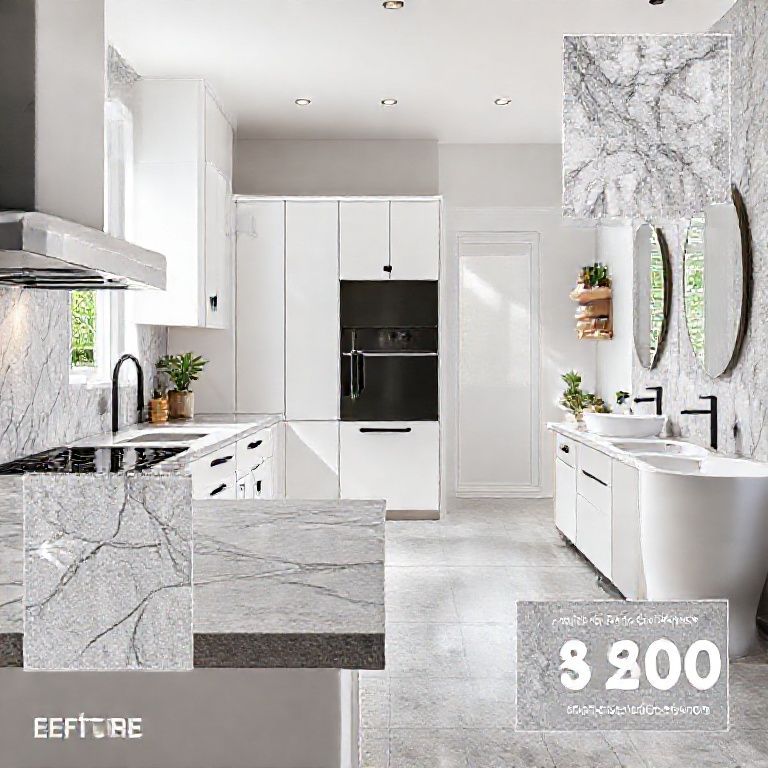
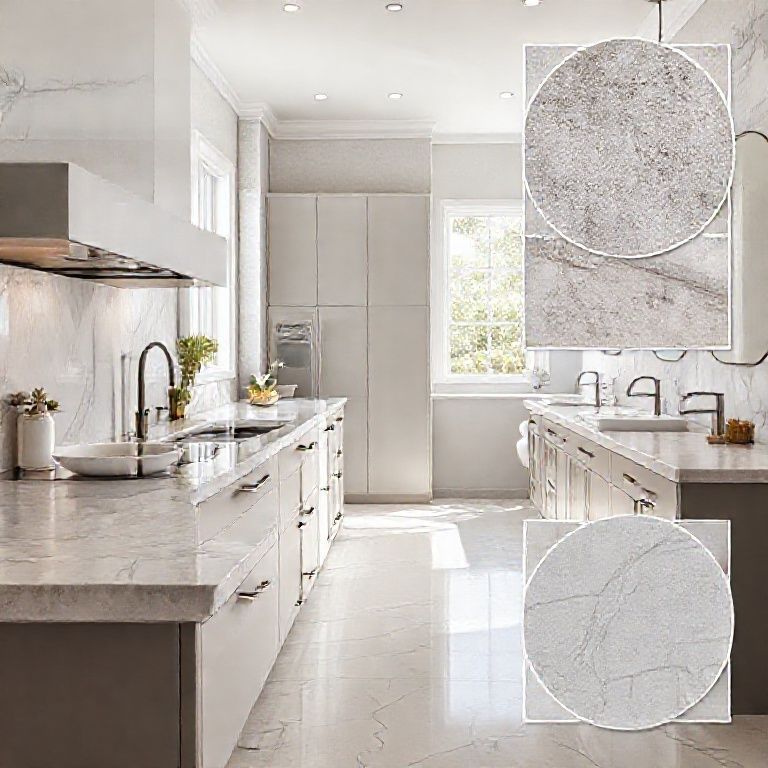
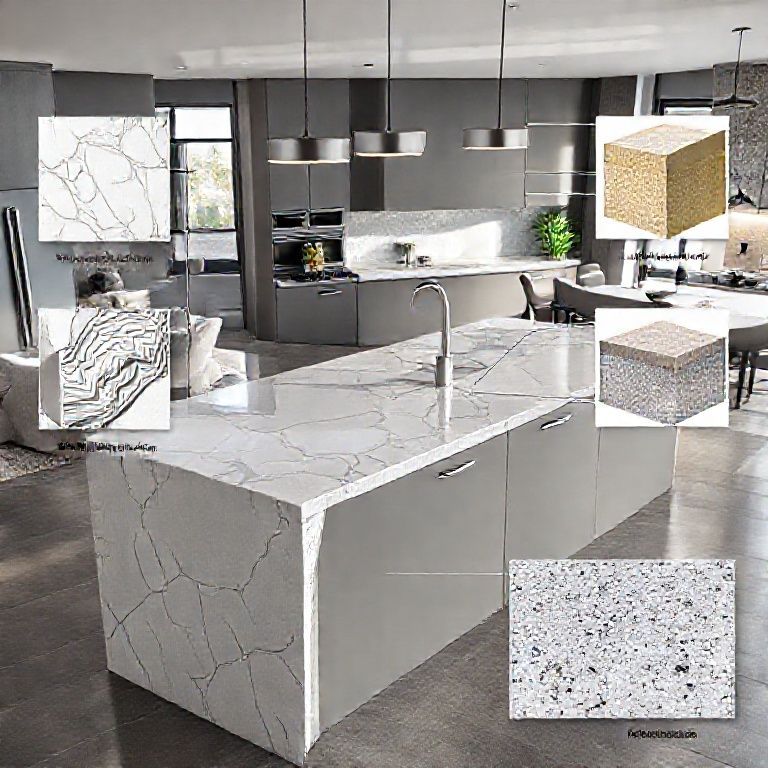
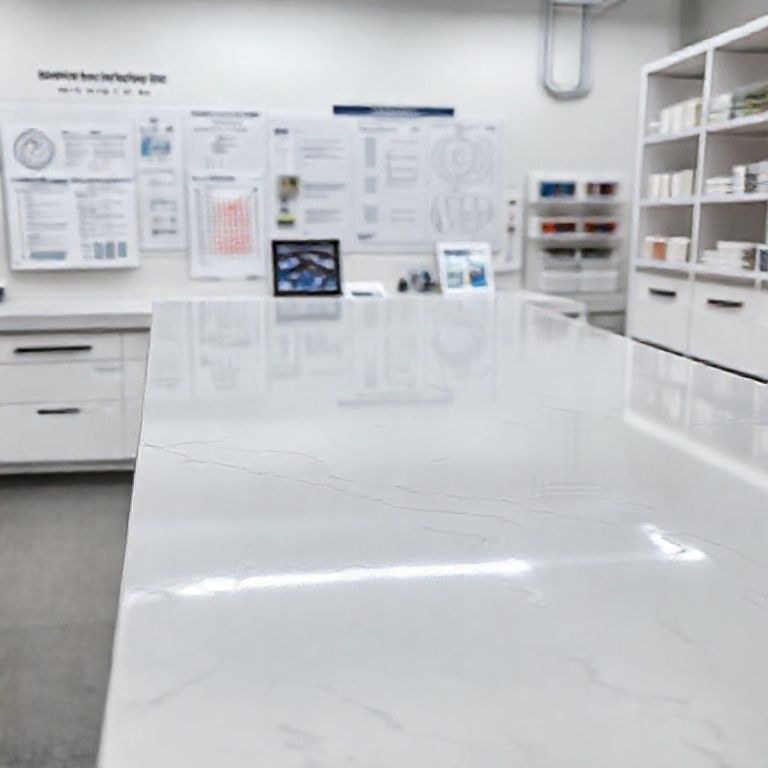
Countertops: Smooth, reflective surfaces can enhance the feeling of light and openness. Quartz and solid surface materials are excellent choices for their durability and seamless appearance. If you opt for stone, consider lighter colors and patterns. Backsplash: A mirrored backsplash can work wonders in reflecting light and creating an illusion of greater depth. Alternatively, large-format tiles with minimal grout lines can also contribute to a less cluttered and more expansive feel. Flooring: Keep flooring consistent throughout the kitchen and adjacent areas if possible, as this visually expands the space. Light-colored flooring, such as pale wood or large-format tiles, can also contribute to this effect.
As we delve deeper into the practicalities of designing your 2.4-meter kitchen, the next part will explore even more specialized solutions for maximizing functionality and embracing style, ensuring your narrow space becomes a culinary masterpiece. We’ll look at clever storage hacks, the impact of hardware, and how to balance aesthetics with everyday use.
Unlocking Potential: Designing Your Dream Kitchen in a 2.4-Meter-Wide Space (Continued)
In the first part of our exploration, we laid the groundwork for transforming a 2.4-meter wide kitchen by focusing on layout, essential storage strategies, lighting, color, and material choices. Now, let’s dive into the more nuanced details that will elevate your narrow kitchen from merely functional to truly exceptional. Every decision, no matter how small, contributes to the overall success of the design, ensuring that your compact space is not only practical but also a joy to inhabit.
Clever Storage Hacks and Maximizing Every Nook: Beyond full-height cabinets, there are countless ways to squeeze out every bit of storage potential in a narrow kitchen. The key is to think about how you use your kitchen and identify areas that can be optimized.
Pull-Out Solutions: These are game-changers for narrow spaces. Think pull-out pantries, spice racks, and even trash and recycling bins. They bring items from the back of deep cabinets to the front, making them easily accessible and preventing forgotten items from languishing in the dark. Corner Carousels and Magic Corners: If your layout includes corner cabinets, these ingenious rotating or sliding shelves are essential for utilizing that often-awkward dead space. Without them, corners can become black holes for pots and pans. Drawer Inserts and Organizers: Don’t underestimate the power of internal organization. Custom drawer inserts for cutlery, utensils, and even spices can keep things tidy and prevent rummaging. Tiered drawer organizers for pots and pans allow you to see everything at a glance. Over-the-Sink Solutions: Consider a drying rack that fits over your sink, or even a small cutting board that can be placed over a portion of the sink basin to create temporary extra prep space. Wall-Mounted Organizers: Pegboards, magnetic knife strips, and wall-mounted spice racks can free up valuable counter and cabinet space. This is particularly useful for frequently used items. Toe-Kick Drawers: These shallow drawers located at the base of your cabinets are perfect for storing flat items like baking sheets, serving platters, or even extra linens. They’re a hidden storage gem.
The Impact of Hardware and Finishes: Often overlooked, the choice of hardware – cabinet handles, knobs, and drawer pulls – can significantly impact the visual flow and perceived spaciousness of your kitchen.
Sleek and Minimalist Hardware: Opt for streamlined, minimalist hardware. Long, linear pulls in brushed nickel, matte black, or stainless steel can create a sense of continuity and elongate the appearance of your cabinets. Avoid overly ornate or bulky hardware, which can make the space feel cluttered. Integrated Handles: For an even sleeker look, consider integrated handle profiles or push-to-open mechanisms. This creates a smooth, handle-free facade that enhances the minimalist aesthetic and makes cleaning easier. Finish Consistency: Maintaining a consistent finish for your hardware, faucets, and even light fixtures can create a cohesive and polished look, which is crucial in a compact space.
Maximizing Counter Space and Workflow: In a narrow kitchen, every inch of countertop is precious. Clever design can make it feel more expansive and functional.
Integrated Appliances: As mentioned before, integrated appliances not only look sleek but also contribute to a continuous countertop surface, minimizing visual breaks. Fold-Down or Extendable Surfaces: Consider a fold-down table or a pull-out work surface that can be deployed when needed for extra prep or dining space and neatly tucked away when not in use. Appliance Garages: To keep your countertops clear of clutter, consider appliance garages or dedicated cabinets for appliances like toasters, blenders, or coffee makers. Mindful Placement of Appliances: Think about where your frequently used appliances will sit. Placing a kettle or toaster near an electrical outlet and away from the primary cooking zone can improve workflow.
Embracing Multi-Functional Furniture and Accessories: In a narrow kitchen, furniture and accessories that serve multiple purposes are invaluable.
Slim Dining Solutions: If you plan to dine in your kitchen, opt for slim, extendable dining tables or a breakfast bar integrated into your cabinetry. Stools that can be tucked completely underneath are ideal. Movable Islands/Trolleys: A small, mobile kitchen island or trolley can provide extra prep space and storage, and can be moved out of the way when not needed. Some even offer drop-leaf extensions for added surface area. Wall-Mounted Folding Furniture: Consider wall-mounted folding chairs or a small fold-down desk if you need a compact workspace within your kitchen.
The Power of Visual Tricks: Beyond color and lighting, there are other visual strategies that can make a narrow kitchen feel more open and inviting.
Mirrors: Strategically placed mirrors can work wonders. A mirrored backsplash, a large mirror on one of the walls, or even mirrored cabinet fronts can reflect light and create an illusion of greater depth. Horizontal Lines: Emphasize horizontal lines through your cabinetry, backsplash tile patterns, or even flooring. This can draw the eye outwards, making the space feel wider. Decluttering and Minimalism: This is not just a design choice; it’s a lifestyle. In a narrow kitchen, clutter can quickly make the space feel suffocating. Embrace a minimalist approach to decor and possessions. Keep surfaces clear and only display items that are both functional and beautiful.
Designing a 2.4-meter wide kitchen is not about compromise; it’s about creative problem-solving and intelligent design. By carefully considering your layout, maximizing storage through smart solutions, choosing the right appliances and finishes, and employing visual tricks, you can transform even the narrowest of spaces into a highly functional, stylish, and cherished part of your home. Your galley kitchen, with its inherent efficiency, can become a testament to your ability to create beauty and order in any space. It’s about unlocking the potential that lies within the dimensions, proving that good design knows no bounds.