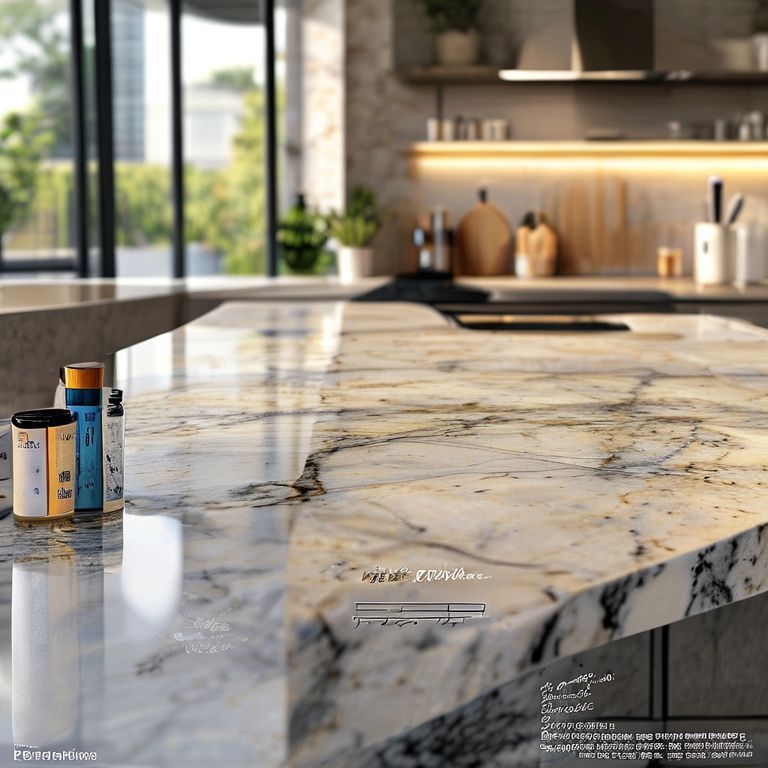
The allure of a sprawling kitchen, with its expansive countertops and room for a central island, is undeniable. However, for many, particularly those in urban dwellings or charming older homes, the reality is a more modest footprint. Enter the 2.6-meter kitchen – a space that, at first glance, might seem like a design challenge. But fear not, for within this compact canvas lies an incredible opportunity to create something truly special. A well-designed 2.6-meter kitchen isn’t just functional; it can be a testament to ingenuity, a hub of culinary creativity, and a surprisingly delightful part of your home. The key is to think smart, be strategic, and embrace the unique possibilities that a smaller space offers.

When embarking on the design journey for a 2.6-meter kitchen, the first and most critical step is a thorough assessment of your needs and habits. Before a single cabinet is chosen or a paint color is considered, ask yourself: How do you use your kitchen? Are you a gourmet chef who needs ample prep space, or more of a microwave-and-toast enthusiast? Do you entertain frequently, or is this primarily a solo or couple’s domain? Understanding your daily routines will dictate the priorities for your layout and the types of appliances and storage solutions that will best serve you. For instance, if you love baking, maximizing counter space for rolling dough will be paramount. If you rarely cook elaborate meals, perhaps a smaller, more efficient cooktop and oven combination would suffice, freeing up valuable real estate for better storage or a more integrated dining area.
The layout of a 2.6-meter kitchen is often dictated by its linear nature. Think “galley” or “one-wall” kitchen. A galley kitchen, with cabinets and appliances on two parallel walls, can be highly efficient if there’s enough width to move comfortably. However, in a 2.6-meter space, a single-wall or “linear” layout is often the most practical and visually elongating. This involves placing all your kitchen elements along one wall. This configuration inherently creates a sense of flow and openness, as there’s no dividing island or peninsula to break up the space. The challenge then becomes maximizing every inch of that linear stretch. Think vertically! Utilize the full height of your walls for storage. Tall, sleek cabinets that reach the ceiling will not only provide ample room for your kitchen essentials but also draw the eye upward, making the room feel larger than it is. Consider open shelving interspersed with closed cabinets. Open shelves can display aesthetically pleasing items like attractive dishware or plants, adding personality and reducing the visual bulk of solid cabinetry.
Appliance selection is another area where intelligent choices can make a world of difference. In a 2.6-meter kitchen, opting for multi-functional or compact appliances is a game-changer. Integrated appliances can create a seamless, streamlined look, making the space feel less cluttered. Think about a slimline dishwasher that fits neatly under the counter, or a combination microwave-oven that serves both functions. A single induction hob might be more space-efficient than a four-burner gas hob if your cooking style allows. For refrigeration, consider an under-counter fridge or a slim, tall fridge freezer. Avoid bulky, American-style models that will dominate the space. The goal is to find appliances that are powerful and efficient without being oversized. When selecting cabinets, consider deep drawers over standard cupboards. Drawers are far more accessible, allowing you to see and reach everything inside with ease, minimizing wasted space and frustration. Pull-out pantries and corner solutions like carousels or magic corners are also invaluable for maximizing awkward spaces.
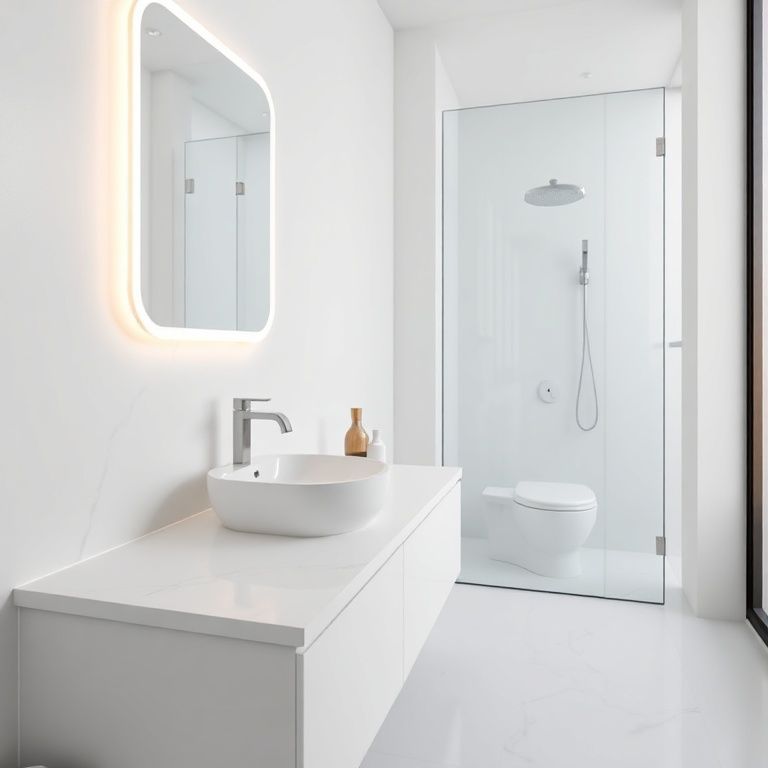
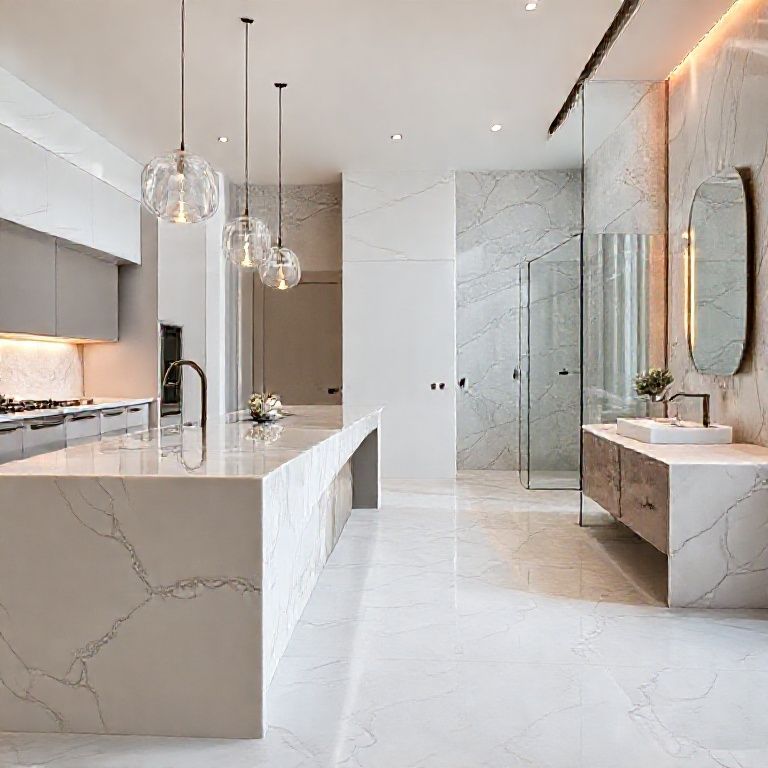
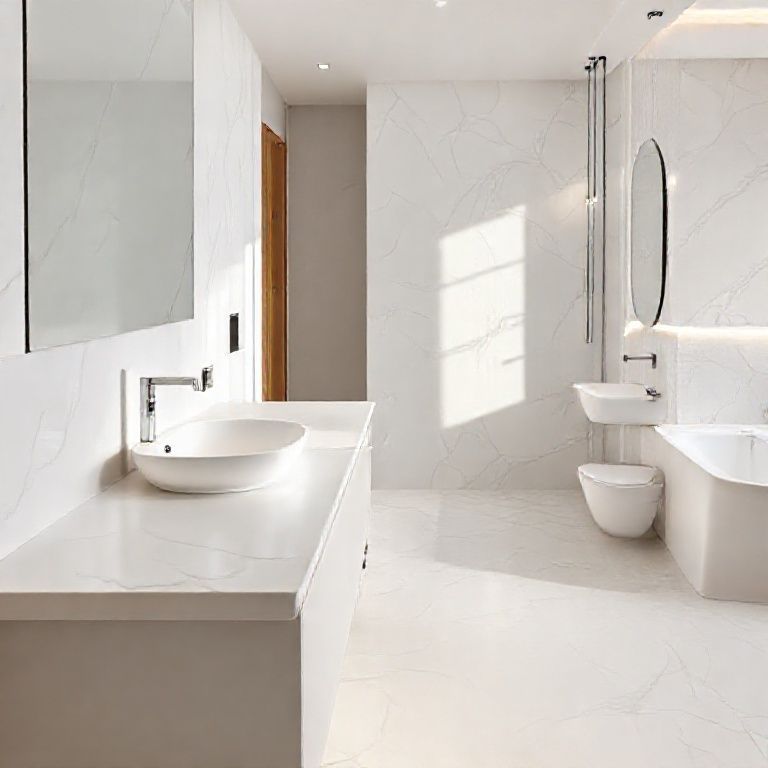
Color and lighting play a pivotal role in how a small kitchen feels. Light and bright is almost always the golden rule. Opt for light, neutral colors for your cabinetry, walls, and even countertops. Whites, creams, pale grays, and soft pastels will reflect light, making the space feel more open and airy. If you’re feeling bold, a single accent color on a feature wall or a few select cabinet fronts can add personality without overwhelming the space. When it comes to flooring, large format tiles or continuous wood planks can create a sense of spaciousness. Avoid busy patterns or small tiles that can make the floor feel fragmented. Lighting is crucial. Layer your lighting to create both task and ambient illumination. Under-cabinet lighting is a must for illuminating your work surfaces, preventing shadows that can make the space feel dim. Recessed ceiling lights provide general illumination, while a stylish pendant light over a small dining nook or a strategically placed lamp can add warmth and character.
The concept of “work zones” is vital for an efficient 2.6-meter kitchen. Even in a linear layout, you can mentally (and functionally) divide the space into distinct areas for preparation, cooking, and cleaning. This helps streamline your workflow, preventing you from constantly bumping into things or backtracking. For example, place your sink and dishwasher near each other for easy cleanup, your hob and oven together for cooking, and a clear stretch of countertop between the sink and hob for food preparation. This thoughtful arrangement ensures that every movement in your kitchen is purposeful and efficient.
Finally, don’t underestimate the power of smart storage solutions. Think creatively about how to maximize every nook and cranny. Wall-mounted racks for pots and pans, magnetic knife strips, and over-the-sink drying racks can all free up valuable countertop and cabinet space. Drawer organizers, tiered shelves within cabinets, and lazy Susans can transform cluttered cupboards into models of efficiency. Even the space above your cabinets can be utilized for storing less frequently used items in attractive baskets or containers. The less clutter you have on your countertops, the larger and more serene your kitchen will feel. In the next part, we’ll delve deeper into maximizing functionality, embracing visual tricks, and infusing personality into your 2.6-meter kitchen design.
Having laid the groundwork with smart layout, appliance choices, and a bright color palette, it’s time to elevate your 2.6-meter kitchen from merely functional to truly exceptional. This involves a deeper dive into maximizing every square inch of potential, employing visual tricks to enhance the perception of space, and injecting your personal style to make it a place you’ll love to spend time in. The goal isn’t just to fit everything in; it’s to create a harmonious and enjoyable environment that belies its compact dimensions.
One of the most impactful ways to enhance the functionality of a 2.6-meter kitchen is through clever integration of dining or seating areas. Since a full-sized dining table is out of the question, think creatively about multi-purpose solutions. A pull-out or fold-down table that is part of your countertop or cabinetry can be extended when needed for meals or extra prep space and then tucked away to reclaim valuable floor area. Alternatively, a narrow breakfast bar extending from the end of your cabinetry can provide a casual spot for quick meals, coffee, or even a place for a friend to chat while you cook. Ensure you have slim, stackable stools that can be easily stored when not in use. This transforms a utilitarian space into a more social one, making it feel more like the heart of the home.
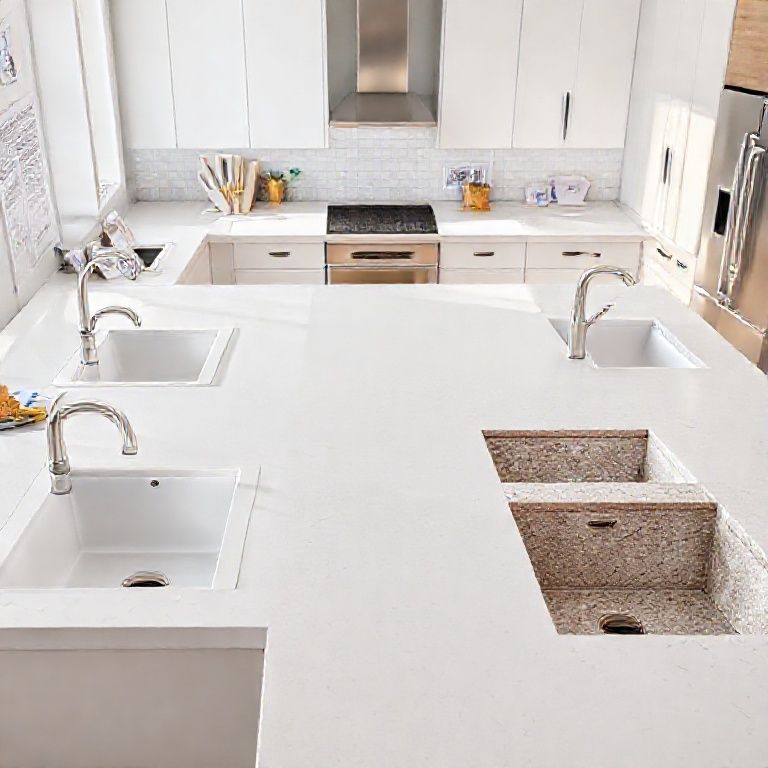
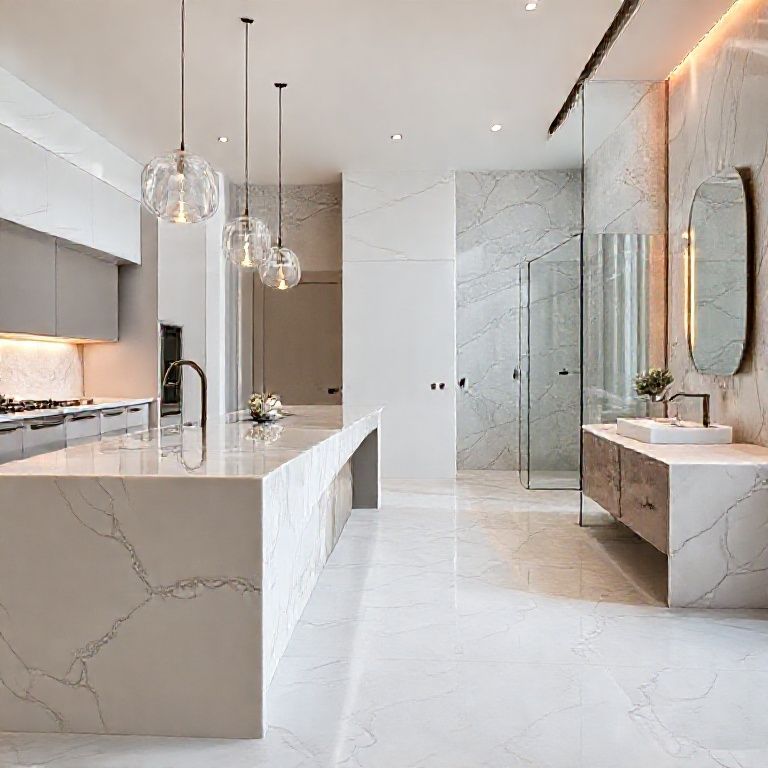
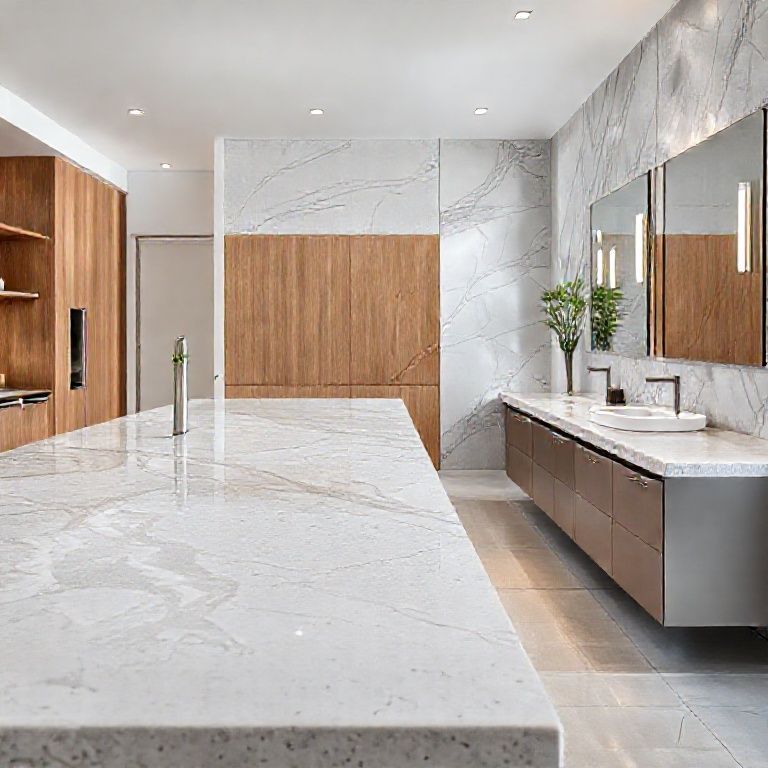
Visual tricks can work wonders in a small kitchen. Mirrors are your best friend. A strategically placed mirror, perhaps on a wall opposite a window, can reflect light and the illusion of depth, making the kitchen appear significantly larger. Backsplashes are an excellent opportunity to introduce visual interest without overwhelming the space. Consider a glossy tile that reflects light, or a mirrored backsplash for maximum impact. For the countertop, opting for a continuous material without excessive seams can create a more streamlined and expansive look. Light-colored, solid surface materials like quartz or solid wood can contribute to this effect. When choosing cabinet hardware, opt for sleek, minimalist designs. Integrated handles or slim, modern pulls will prevent visual clutter and maintain a clean aesthetic.
The concept of “decluttering” is not just about tidiness; it’s a design principle for small spaces. Every item in your 2.6-meter kitchen should earn its place. This means being ruthless about what you store. If you haven’t used a particular gadget in a year, it’s time to let it go. Invest in good quality, multi-functional tools that serve multiple purposes. For instance, a high-quality chef’s knife can replace a set of less capable knives. Think about maximizing vertical storage not just for cabinets but also for open shelves. Floating shelves can be used to display frequently used items like oils, spices, or decorative pieces, adding personality without taking up valuable counter space. However, be mindful not to over-clutter open shelves, as this can have the opposite effect.
The sink area is a prime candidate for clever space-saving. A single, deep basin sink can be more practical than a double sink, allowing you to wash larger pots and pans. Consider a sink with an integrated drainboard or a roll-up drying rack that sits over the sink, again freeing up precious counter space. A pull-out faucet can also make cleaning easier and feel more integrated.
When it comes to flooring, maintaining a consistent look is key. If your kitchen flows directly into another room, consider using the same flooring material to create a seamless transition and enhance the sense of continuous space. For instance, continuing the same hardwood or large-format tile from your living area into your kitchen can make both spaces feel larger.
The choice of materials and finishes can significantly impact the perceived size and style of your kitchen. Matte finishes tend to absorb light, while glossy or semi-gloss finishes reflect it, making the space feel brighter and more expansive. Therefore, consider a semi-gloss paint for your walls and a finish for your cabinetry that has a subtle sheen. For countertops, avoid heavily veined or busy patterns. Simple, solid colors or subtle patterns will contribute to a more unified and open feel.
Don’t forget the details. The handles on your cabinets, the style of your faucet, the lighting fixtures – these are all opportunities to inject personality and refine the overall aesthetic. Even in a small kitchen, you can achieve a high-end look with thoughtful selection of these elements. Consider a striking pendant light over your dining nook or a unique backsplash tile to create a focal point.
Finally, maintaining your 2.6-meter kitchen’s design is an ongoing process. Regularly decluttering and organizing will ensure that your hard work in design doesn’t go to waste. Embrace the efficiency and charm of your compact space. A 2.6-meter kitchen, when designed with intention and creativity, can be a testament to the fact that great things truly do come in small packages. It’s a space that encourages mindful consumption, efficient living, and a focus on what truly matters – the joy of cooking and sharing meals.