Unlocking the Potential of Your 2.2-Meter-Wide Kitchen: A Gallery of Brilliant Design Ideas
The 2.2-meter-wide kitchen. For some, these dimensions might conjure images of cramped countertops and a perpetual game of Tetris just to prepare a meal. But what if I told you that this seemingly restrictive space holds immense potential for innovation, style, and surprising functionality? The beauty of a narrow kitchen lies in its inherent focus. It demands thoughtful design, encouraging a curated approach that prioritizes efficiency and elegance. Forget sprawling islands and elaborate U-shaped layouts; in a 2.2-meter canvas, every element must earn its place. This is where creativity truly shines, transforming perceived limitations into unique advantages.

Imagine stepping into a space that, despite its width, feels open, airy, and effortlessly chic. This isn’t a fantasy; it’s the reality achievable with smart design choices and a clear understanding of how to work with your specific dimensions. The key is to move beyond thinking about the width as a deficit and instead embrace it as a design challenge, a blank slate upon which to craft a culinary haven. We’re not just talking about fitting in the essentials; we’re talking about creating a kitchen that is a joy to be in, a space that inspires culinary adventures, no matter its footprint.
Let’s delve into the fundamental strategies that lay the groundwork for a successful 2.2-meter-wide kitchen. The most impactful decision you’ll make is the layout. For this particular width, the most tried-and-true and often the most effective configuration is the single-wall kitchen. Picture all your cabinetry, appliances, and countertops lined up along one wall. This arrangement maximizes the usable floor space, keeping the opposite side clear for movement, dining, or even a small, strategically placed pantry. It creates a clean, uninterrupted flow that can make the kitchen feel wider than it actually is.
Within the single-wall layout, the “work triangle” – the relationship between the sink, refrigerator, and stove – is condensed but can still be highly efficient. Think about the logical sequence of tasks: retrieve ingredients from the fridge, wash them at the sink, and then cook on the stove. Arranging these elements in a practical order along the wall is paramount. A common and effective flow is refrigerator, then sink, then stove. This minimizes steps and creates a streamlined cooking experience. However, consider your personal cooking habits. If you do a lot of prep work, you might want a slightly larger continuous countertop space between the sink and stove.
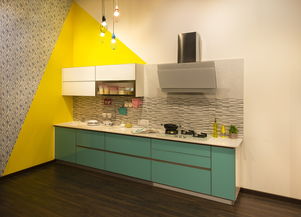
Beyond the single-wall layout, a galley kitchen is also a viable option, especially if you have a passage at either end. This involves two parallel walls of cabinetry and countertops. For a 2.2-meter width, this would mean approximately 1.1 meters of space between the two runs of cabinets. This is a more generous width than some galley kitchens, offering more flexibility. In this scenario, you could potentially place your sink and stove on one wall, and your refrigerator and primary prep area on the opposite wall. The key here is to ensure adequate clearance for comfortable movement and to avoid making the space feel like a tunnel. If you opt for a galley, consider visual tricks to widen the perception of the space, such as using lighter colors and reflective surfaces.
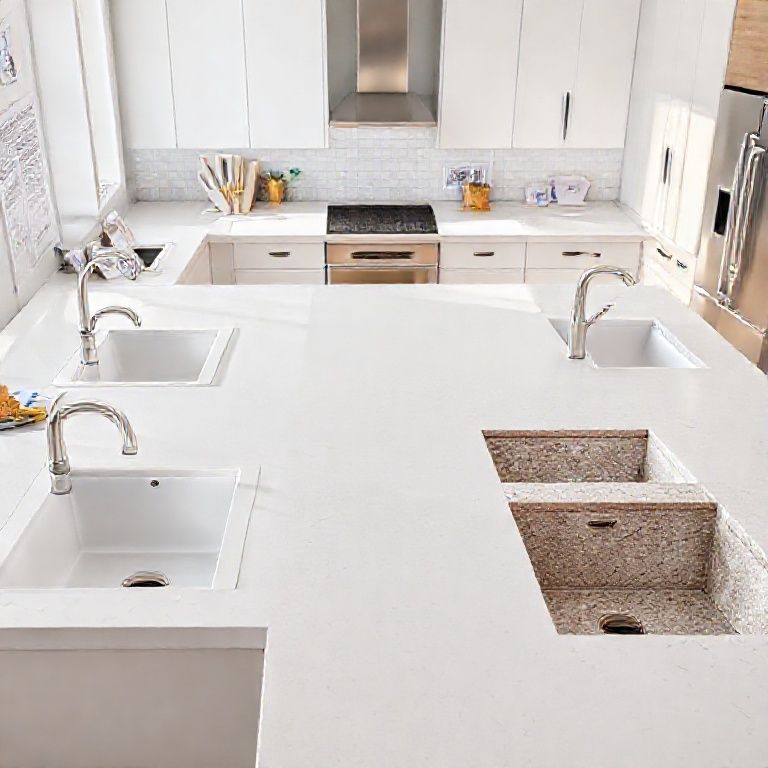
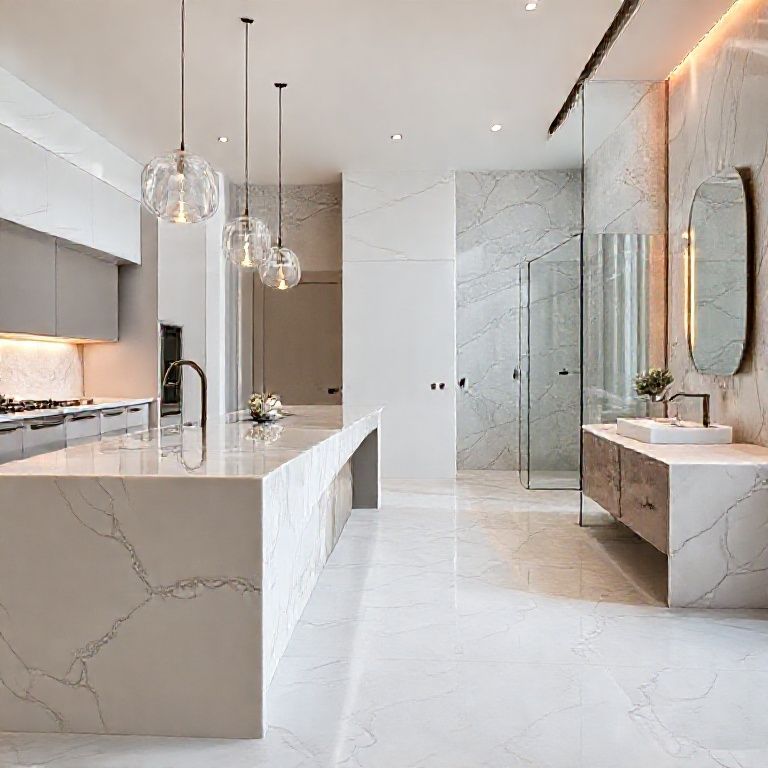
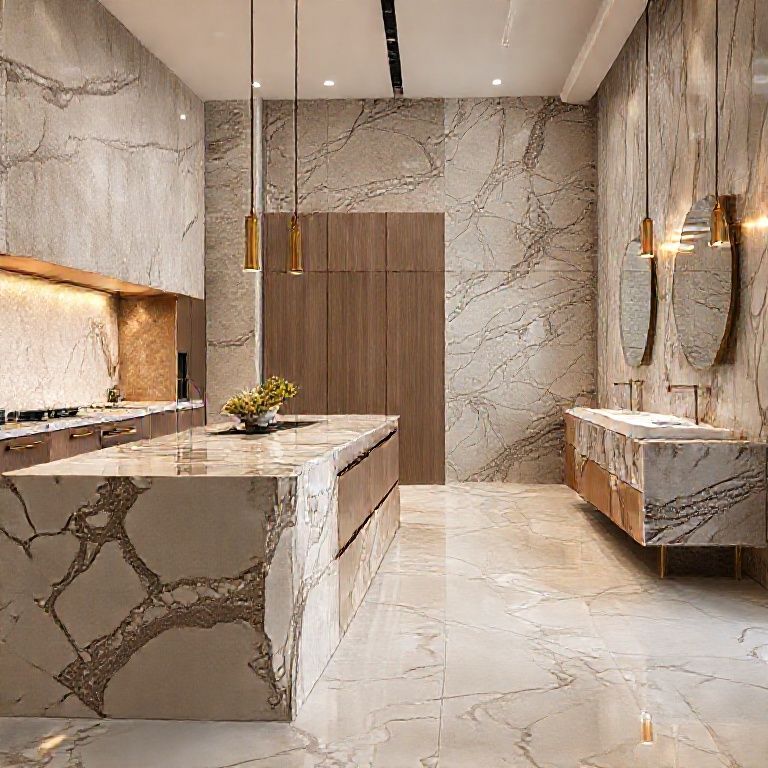
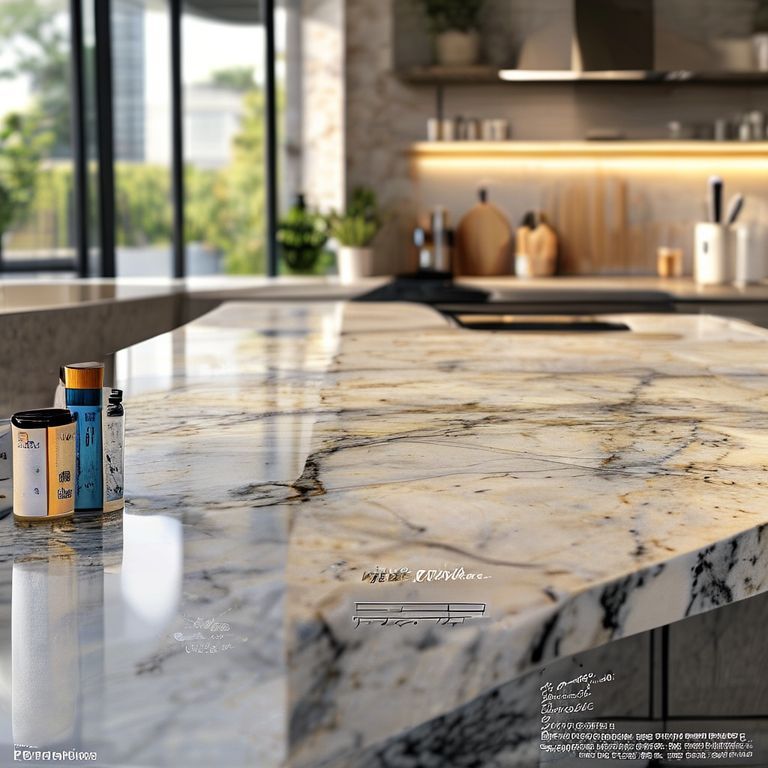
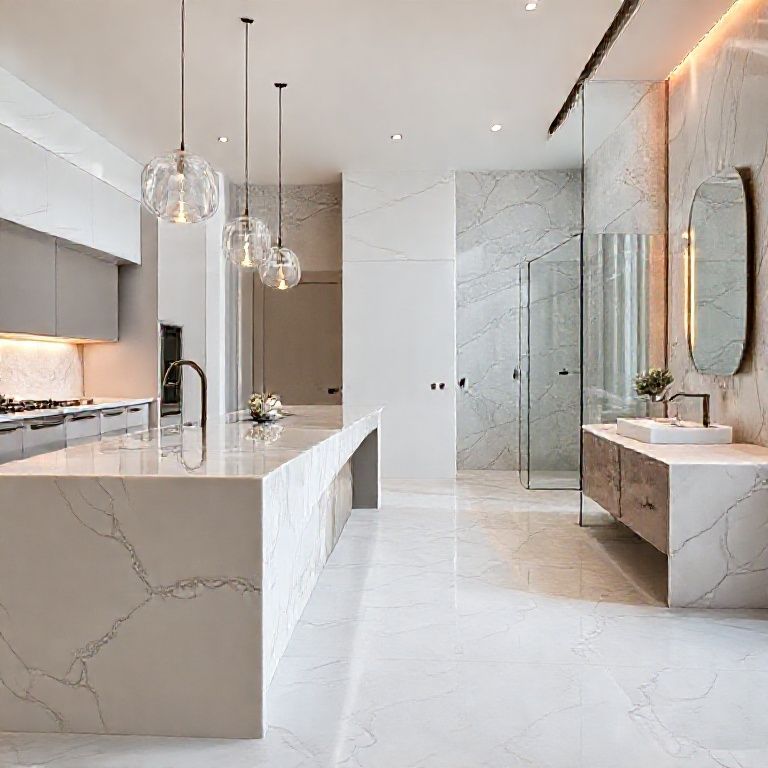
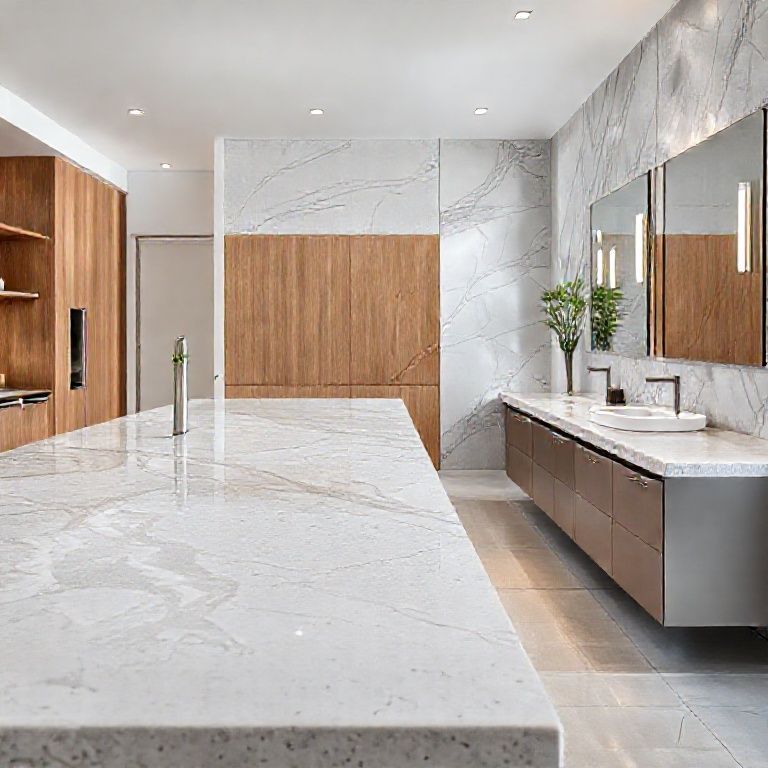
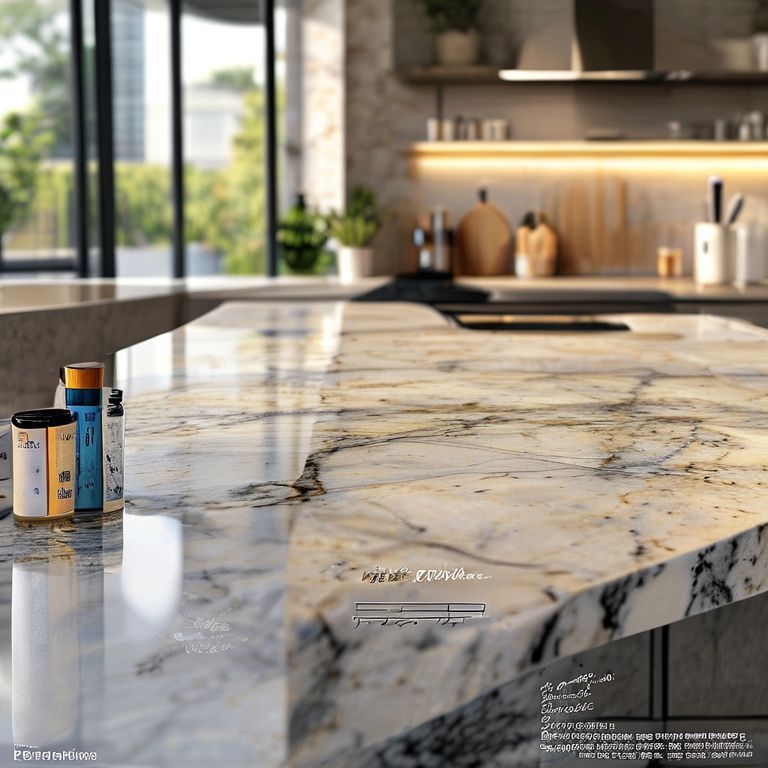
Now, let’s talk about the heart of any kitchen: the countertops. In a narrow space, every inch of counter real estate is precious. Opt for durable, low-maintenance materials that can withstand daily use. Quartz, granite, and solid surface materials are excellent choices. Consider the depth of your countertops. Standard depths are usually around 60-65 cm. If space is exceptionally tight, you might explore slightly shallower depths, but ensure it doesn’t compromise the usability of your base cabinets or the placement of appliances.
When it comes to cabinetry, think vertically. Tall, slim cabinets that extend to the ceiling are your best friends. They provide a significant amount of storage without encroaching on valuable floor space. Utilize every inch of verticality. Consider open shelving for items you use frequently or for displaying decorative pieces. However, be mindful of visual clutter. In a narrow kitchen, too much open shelving can make the space feel smaller and more chaotic. A good balance is often a mix of closed cabinets and a few well-placed open shelves.
The type of cabinet doors also plays a role. Slab or flat-panel doors offer a sleek, modern aesthetic and are easier to keep clean. They also contribute to a sense of visual continuity, making the kitchen feel less broken up. For a narrow kitchen, it’s often beneficial to have a consistent style and color palette for your cabinetry to create a cohesive and expansive feel.
Appliances are another area where thoughtful selection is crucial. Opt for compact or slimline appliances. Many manufacturers now offer refrigerators, dishwashers, and ovens specifically designed for smaller spaces. A 60cm-wide range or cooktop is standard, but you might find narrower options if needed. Consider a built-in microwave or a microwave that can be integrated into cabinetry to free up counter space. For dishwashers, a 45cm-wide model can be a game-changer in a narrow kitchen, offering sufficient capacity for daily needs without taking up excessive width.
Think about the placement of your refrigerator. Ideally, it should be positioned at one end of the kitchen to avoid interrupting the flow of the countertops. Ensure there’s enough clearance for the door to open fully without hitting anything. If you have the option, consider a counter-depth refrigerator to maintain a sleeker profile and prevent it from protruding too far into the walkway.
Lighting is an often-overlooked but incredibly powerful tool in maximizing the perceived size and functionality of a narrow kitchen. A well-lit space automatically feels larger and more inviting. Layer your lighting with a combination of ambient, task, and accent lighting. Ambient lighting can come from ceiling fixtures. Task lighting, such as under-cabinet LED strips, is essential for illuminating your work surfaces and preventing shadows. Accent lighting, perhaps a stylish pendant over a small breakfast bar or inside glass-front cabinets, can add personality and depth. Natural light is your most valuable asset, so keep window treatments simple and light-filtering to allow as much daylight to enter as possible.
Color plays a significant role in the perception of space. Light and neutral colors are your best friends in a narrow kitchen. Think crisp whites, soft grays, pale blues, and muted greens. These colors reflect light and create an airy, open feel. Avoid dark, heavy colors on the walls or in large cabinet expanses, as they can make the space feel smaller and more enclosed. If you desire a touch of color, consider incorporating it through accessories, a backsplash, or a statement appliance.
The backsplash is an opportunity to add personality and visual interest without overwhelming the space. Mirrored backsplashes can create a stunning illusion of depth, reflecting light and making the kitchen feel significantly larger. Glossy tiles, in a subway tile pattern or a more modern mosaic, also reflect light beautifully. Consider a simple, clean design that complements your overall color scheme rather than competing with it.
Finally, let’s not forget the flooring. Lighter-colored flooring, such as light wood, pale tile, or even vinyl in a similar tone, can contribute to the sense of openness. Ensure the flooring material is durable and easy to clean, as kitchens are high-traffic areas. Continuous flooring throughout adjacent spaces can also help to visually expand the kitchen.
The concept of “2.2米宽的厨房怎么布置图片大全” is not just about finding images; it’s about understanding the principles behind successful narrow kitchen design. It’s about embracing constraint as a catalyst for creativity, transforming a potentially challenging space into a highly functional and aesthetically pleasing hub of your home. In the following section, we will delve deeper into clever storage solutions, the art of illusion, and specific design elements that can elevate your 2.2-meter-wide kitchen from functional to fabulous.
Building upon the foundational principles of layout, color, and lighting, we now turn our attention to the art of maximizing every square centimeter in your 2.2-meter-wide kitchen, drawing inspiration from the wealth of “2.2米宽的厨房怎么布置图片大全.” This is where we get creative, transforming perceived limitations into opportunities for ingenious solutions. Storage is, without a doubt, the most critical element in a narrow kitchen. The goal is to make everything accessible, organized, and out of sight when not in use.
Let’s start with the cabinets. Drawer organizers are essential for keeping the contents of your drawers tidy and easy to find. Think about dividing utensils, cutlery, and even spices into designated compartments. For pots and pans, consider pull-out shelves or carousels within lower cabinets. These allow you to access items at the back without having to rummage through the entire cabinet. Lazy Susans are also invaluable for corner cabinets, making awkward spaces surprisingly accessible.
When it comes to wall cabinets, don’t underestimate the power of vertical dividers for baking sheets, cutting boards, and platters. These keep items upright and prevent them from sliding into a jumbled mess. For smaller items like spice jars or small containers, tiered organizers or risers can double your storage capacity within a single shelf.
Think outside the traditional cabinet box. Wall-mounted organizers can be incredibly effective. Magnetic knife strips, utensil racks, and even small spice racks that attach to the wall can free up valuable counter and drawer space. Consider a pegboard system for hanging pots, pans, and utensils. These can be incredibly versatile and customizable, allowing you to arrange your tools exactly where you need them.
The space above your refrigerator can often be overlooked. This is an ideal spot for storing less frequently used items in attractive baskets or bins. Similarly, the narrow space between a refrigerator and a wall can sometimes accommodate a slide-out pantry or a narrow shelving unit, perfect for storing cans, bottles, or cleaning supplies.
When it comes to open shelving, as mentioned previously, moderation is key. However, if you choose to incorporate it, use it strategically. Perhaps a single shelf above the sink for displaying a few attractive items or a shelf above the stove for frequently used spices and oils. Keep these displays curated and tidy to avoid visual clutter.
The concept of multi-functional furniture is also a lifesaver in narrow kitchens. If you have space for a small dining area, consider a fold-down table that attaches to the wall and can be folded away when not in use. Alternatively, a narrow console table placed against a wall can serve as an extended prep surface or a small dining spot with a couple of stools that tuck underneath.
When choosing your sink, consider a single, deep basin rather than a double sink. This allows you to wash larger pots and pans more easily, and a single basin often takes up less overall counter space. A cutting board designed to fit over the sink is another brilliant space-saving hack, instantly creating more prep area.
Now, let’s talk about creating an illusion of space. This is where design tricks come into play, making your 2.2-meter kitchen feel grander and more expansive than it is. As discussed, light colors are paramount. Think beyond just walls and cabinets. Even your appliances can be chosen in lighter finishes like stainless steel, white, or even pastels to contribute to the airy feel.
Reflective surfaces are your secret weapon. A polished tile backsplash, a mirrored backsplash, or even high-gloss cabinet finishes can bounce light around the room, creating a sense of depth and openness. Consider a glass-front cabinet or two. When styled thoughtfully with attractive dishware, they can break up solid expanses of cabinetry and add a touch of visual interest, drawing the eye further into the space.
The style of your cabinets can also influence perceived width. Horizontal lines in cabinetry or backsplashes can visually widen the space. Think about cabinet doors with horizontal paneling or a backsplash laid in a horizontal pattern. Conversely, vertical lines can draw the eye upward, making the ceiling feel higher, which can also contribute to a sense of spaciousness.
Flooring patterns can also play a trick on the eye. Laying tiles or wood planks in a way that draws the eye towards the longest dimension of the room can make it feel longer. A continuous flooring material that extends into an adjacent room or hallway will also create a seamless flow and make both spaces feel larger.
Decluttering is not a design choice, but it is an absolute necessity in a narrow kitchen. Embrace a minimalist approach to your countertops. Store as much as possible behind closed doors. Keep only the essential items readily accessible. A tidy kitchen, no matter its size, will always feel more inviting and spacious.
Consider the scale of your accessories. Oversized artwork or decor can overwhelm a narrow space. Opt for smaller, carefully chosen decorative items that add personality without taking up too much visual real estate.
The placement of your appliances can also impact the perception of space. If possible, integrate appliances as seamlessly as possible into your cabinetry. Built-in ovens and microwaves, for instance, create a much sleeker look than freestanding units. A panel-ready dishwasher that matches your cabinetry will virtually disappear, making the kitchen feel less broken up.
If your 2.2-meter kitchen has a window, maximize its impact. Keep window treatments minimal and light. Sheer curtains or simple blinds will allow natural light to flood in, making the space feel brighter and more open. Avoid heavy drapes that can visually shrink the room.
Think about the flow of traffic. In a narrow kitchen, it’s crucial to have clear pathways. Avoid placing furniture or appliances in a way that obstructs movement. If you have a galley kitchen, ensure there is ample space between the two runs of cabinets for two people to pass each other comfortably, or for someone to work at the counter while another person walks by.
Finally, don’t be afraid to personalize your space. Even in a small kitchen, a few well-chosen touches can make it feel like your own. A colorful rug, some fresh herbs on the windowsill, or a piece of artwork can add warmth and character. The key is to be intentional with your choices, ensuring that every element contributes to a cohesive and functional whole.
The “2.2米宽的厨房怎么布置图片大全” isn’t just about looking at pictures; it’s about understanding the philosophy of making the most of what you have. It’s about intelligent design, creative storage, and a keen eye for illusion. By implementing these strategies, your 2.2-meter-wide kitchen can be transformed into a highly efficient, stylish, and enjoyable space that defies its dimensions. It’s proof that even the most constrained spaces can become the heart of a beautiful and functional home.