Unlocking the Potential of Your 2.2-Meter Wide Kitchen: Big Style in Small Spaces
The reality of modern living often means embracing smaller footprints, and for many, this translates to a galley kitchen, a narrow space often measuring around 2.2 meters wide. It’s a common scenario, and one that can initially feel like a design constraint. But what if we told you that this seemingly limiting width is actually an invitation to get creative, to be ingenious, and to unlock a surprising amount of potential? Forget the notion that a small kitchen must mean sacrificing style or functionality. With the right approach, your 2.2-meter wide kitchen can become a testament to smart design, a place where every element is thoughtfully considered, and a space that feels both efficient and utterly charming.

The very nature of a narrow kitchen often lends itself to the classic galley layout. This is where the primary work zones – the sink, the cooker, and the refrigerator – are arranged along parallel walls. It’s a layout that, when executed well, can be incredibly efficient, minimizing unnecessary steps between tasks. Think of it as a streamlined culinary highway. The key here is to optimize the flow. You want to ensure there’s adequate circulation space, typically at least 1.2 to 1.5 meters between the opposing countertops, to comfortably move around, open cabinets, and even have a companion in the kitchen without feeling cramped.
One of the first considerations for a 2.2-meter wide kitchen is the placement of your appliances. The refrigerator, often the largest item, can sometimes feel like a bulky intruder. If possible, opt for a counter-depth refrigerator to reduce its protrusion into the walkway. Alternatively, consider integrating it into a cabinet run, making it blend seamlessly with the cabinetry. The sink and cooker are the heart of the kitchen, and their placement is crucial. Often, they’ll reside on opposite walls to facilitate the work triangle. However, in a very narrow space, you might find it more practical to have both along one wall, with the other wall dedicated to prep space and storage. This can create a more open feel and a more direct flow.
When it comes to cabinetry, think vertically. Walls are prime real estate in a small kitchen. Extend your cabinets all the way to the ceiling. This not only provides a wealth of storage for less frequently used items but also creates a sense of height, drawing the eye upwards and making the space feel less confined. Consider a mix of closed and open shelving. Open shelves can be excellent for displaying attractive dishware or frequently used items, adding personality and a visual lightness. However, be mindful of clutter; open shelves require a certain level of neatness to maintain their aesthetic appeal. For closed cabinets, opt for sleek, handleless designs or slim profiles to avoid visual noise.
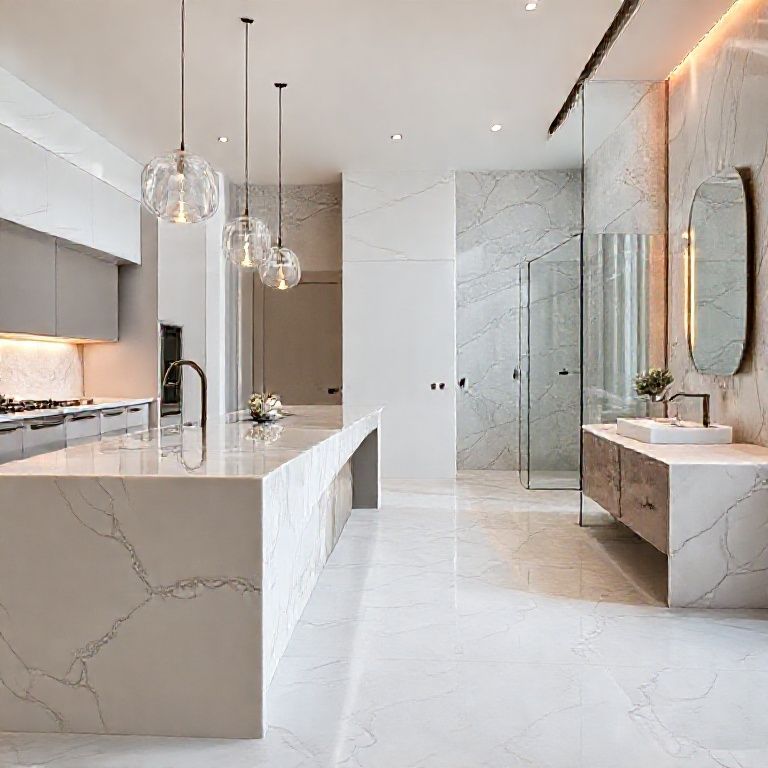
Lighting is another transformative element. In a narrow kitchen, a single overhead light can cast shadows and make the space feel dim. Layer your lighting. Under-cabinet lighting is a game-changer, illuminating your countertops for task work and adding a warm glow. Consider spotlights or recessed lighting in the ceiling for general illumination. If you have the opportunity, a strategically placed pendant light over a small dining nook or an island can add a focal point and a touch of elegance. Natural light, of course, is always the most desirable. Maximize any windows you have by keeping window treatments simple and light.
Color plays a significant role in how we perceive space. Lighter colors, such as whites, creams, pale grays, and soft pastels, have a magical ability to reflect light and make a room feel larger and more airy. This doesn’t mean your kitchen has to be devoid of personality. You can introduce color through your backsplash, accessories, or even a statement piece of art. A bold backsplash can act as a vibrant focal point, drawing the eye and adding a touch of your unique style without overwhelming the space.
The concept of a work island in a narrow kitchen might seem counterintuitive, but it’s not entirely out of the question. A very slim, mobile island on wheels can offer extra prep space and storage, and crucially, it can be moved out of the way when not in use, preserving circulation. Alternatively, a peninsula that extends from one of the walls can provide seating and a natural division of space if your kitchen opens into another room. The key is to ensure it doesn’t impede the primary traffic flow.
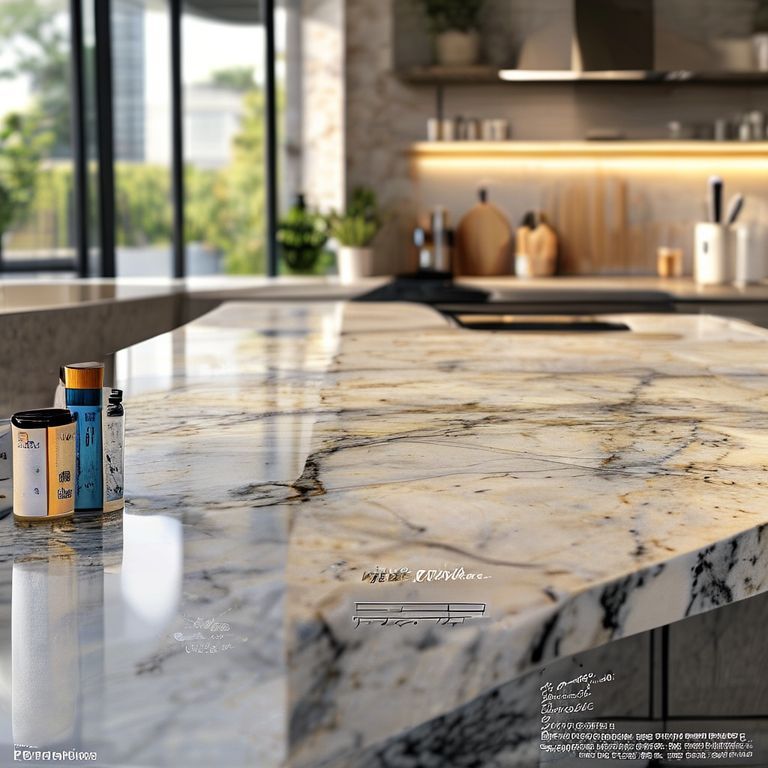
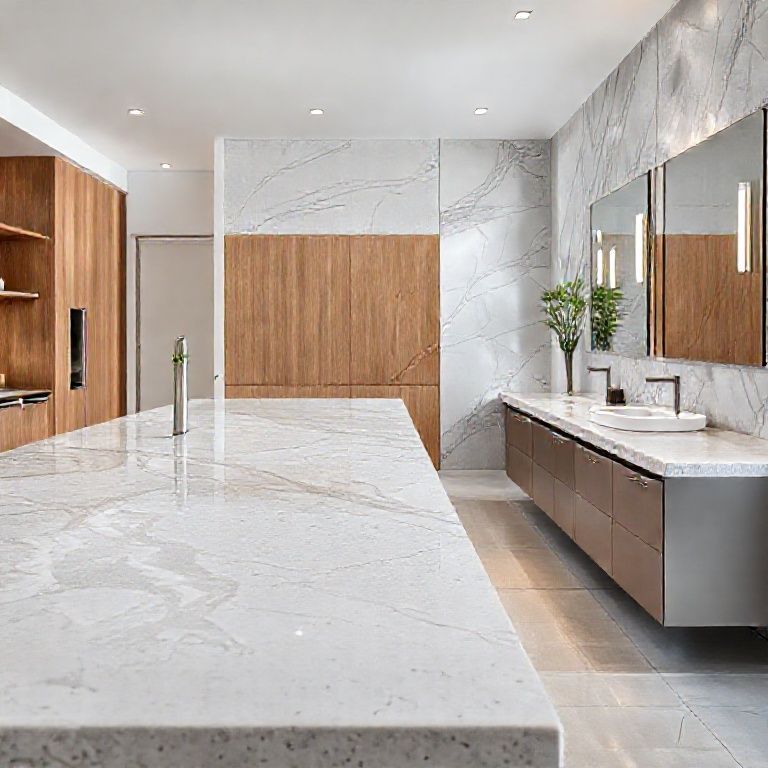
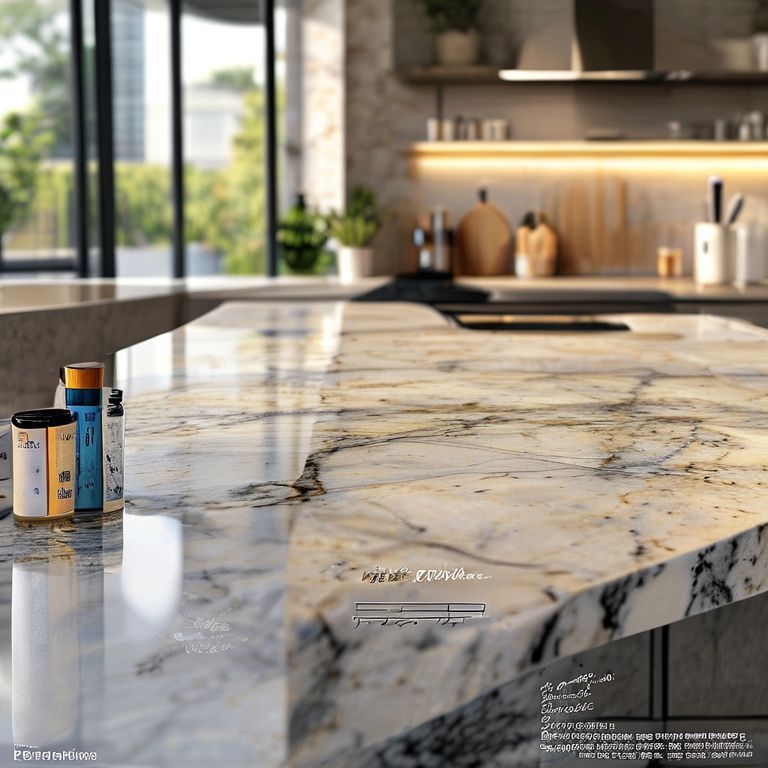
Material choices also matter. Opt for durable, easy-to-clean surfaces. Quartz and granite are excellent choices for countertops, offering both beauty and resilience. For flooring, consider large-format tiles or continuous flooring like luxury vinyl plank, which can create a sense of expanse by minimizing grout lines. Reflective surfaces, such as a mirrored backsplash or high-gloss cabinetry, can also help bounce light around the room, making it feel more open.
When thinking about storage, go beyond the obvious. Think about the often-underutilized space above the refrigerator or the narrow slivers of space beside appliances. Pull-out pantries, narrow spice racks that fit into cabinet doors, and tiered organizers for shelves can maximize every cubic inch. Wall-mounted pot racks or magnetic knife strips can free up valuable drawer and counter space. Don’t underestimate the power of well-organized drawers. Drawer dividers and custom inserts can transform a jumble into an efficient system. The goal is to have a place for everything, and everything in its place, to maintain a sense of calm and order in your compact culinary domain.
Continuing our exploration of maximizing your 2.2-meter wide kitchen, let’s delve deeper into the strategies that transform a narrow space into a highly functional and aesthetically pleasing environment. We’ve touched upon layout, cabinetry, lighting, and color, but the magic truly lies in the details and the smart integration of every element. The objective is to create a space that feels generous, not cramped, and allows for effortless movement and enjoyment.
Consider the concept of “zones” within your narrow kitchen. Even with a limited width, you can delineate areas for specific tasks. For instance, the “prep zone” might be the longest stretch of countertop, ideally located between the sink and the cooker, allowing for easy washing, chopping, and cooking. The “storage zone” encompasses your cabinets and drawers, meticulously organized for efficiency. The “cleaning zone” centers around the sink and dishwasher. If space allows, a small “dining zone” can be incorporated, perhaps with a narrow breakfast bar or a fold-down table. The key is to ensure these zones don’t encroach on the primary circulation path.
When it comes to appliances, think about multi-functionality. A combination microwave oven can serve as both a microwave and a conventional oven, saving valuable space. Slimline dishwashers, often only 45cm wide, are perfect for smaller households and can fit neatly into a standard cabinet run. For cooking, a two-burner induction hob can be sufficient for many, freeing up counter space compared to a larger four-burner model. Integrated appliances, where the appliance is hidden behind a cabinet door, offer a clean, seamless look that visually expands the space.
The humble backsplash is more than just a protective surface; it’s an opportunity for style. In a narrow kitchen, a visually interesting backsplash can draw the eye and distract from the room’s dimensions. Consider reflective materials like glass or polished stone, which bounce light around. A mosaic tile can add texture and intricate detail, creating a focal point. Alternatively, a large-format tile with minimal grout lines can create a cleaner, more expansive look. Subway tiles, laid in a classic or herringbone pattern, offer a timeless appeal and can be surprisingly versatile.
The choice of hardware can also make a difference. In a narrow galley kitchen, sleek, integrated handles or push-to-open mechanisms on cabinetry can prevent snagging and contribute to a streamlined aesthetic. If you opt for visible handles, choose slim, unobtrusive designs that don’t protrude excessively. These small details can contribute to a smoother visual flow and prevent the feeling of being “in the way.”
When designing your cabinetry, consider the depth of your base cabinets. Standard base cabinets are typically 60cm deep. In a very narrow kitchen, reducing this depth slightly, perhaps to 50cm or even 45cm, can gain you a precious few centimeters of walkway space. This might mean sacrificing a small amount of interior storage capacity, but the improved circulation can be well worth it. For wall cabinets, you can explore shallower depths as well, especially if they are only intended for lighter items like glassware or crockery.
Think about the flow of movement. In a galley kitchen, the path between the two parallel walls is critical. Ensure there are no obstructions that break this flow. Doors from appliances, such as ovens or dishwashers, should open fully without hitting anything. Cabinet doors and drawers should also operate smoothly. If you have the opportunity to install sliding doors on your cabinets, this can be an excellent space-saving solution, as they don’t require outward swing space.
The dining solution in a narrow kitchen requires careful planning. If you can’t accommodate a full table, consider a pull-out or fold-down table that can be integrated into your cabinetry or countertop. This provides a convenient spot for meals or extra prep space when needed, and can be tucked away when not in use. A narrow breakfast bar extending from a countertop or a small, round table with slim chairs can also work, provided it doesn’t obstruct traffic. Stools that can be tucked completely underneath a counter are ideal.
For flooring, consistency is key. Using the same flooring material throughout the kitchen and even extending it into an adjacent dining area can create a sense of continuity and make the space feel larger. Avoid busy patterns or small tiles that can visually chop up the floor. Large-format tiles, continuous wood or laminate, or polished concrete can all contribute to a more expansive feel.
Finally, let’s talk about the intangible elements: making your narrow kitchen feel inviting and personal. Even in a compact space, you can inject personality. Consider adding a small herb garden on a windowsill or a set of hanging plants. A colorful rug can add warmth and define a zone. Displaying a few cherished items on open shelves or a small ledge can make the space feel lived-in and loved. The goal is to create a kitchen that is not just a functional workspace, but a place where you genuinely enjoy spending time. By thoughtfully considering every aspect, from the grand layout to the smallest detail, your 2.2-meter wide kitchen can be a triumph of design, proving that good things truly do come in compact packages.