Introduction to Engineered Marble
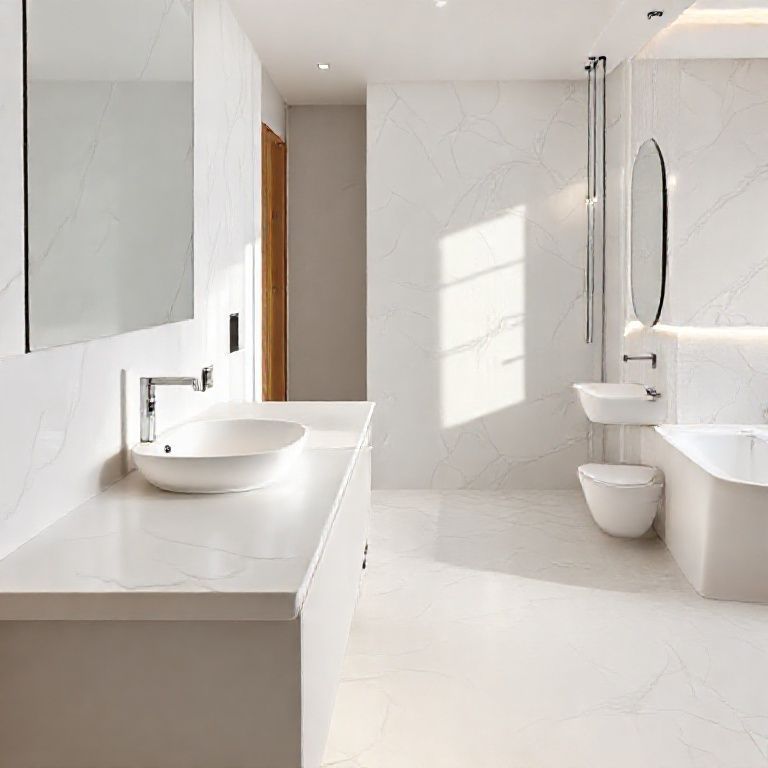
Engineered marble, also known as synthetic marble, has revolutionized the world of stone materials. This type of marble is created by bonding layers of natural stone, typically limestone or marble, with a resin binder. The result is a material that offers the beauty and elegance of natural stone while providing additional benefits. This article will explore the numerous advantages and some drawbacks of engineered marble, helping you make an informed decision for your next project.
Aesthetic Appeal and Versatility
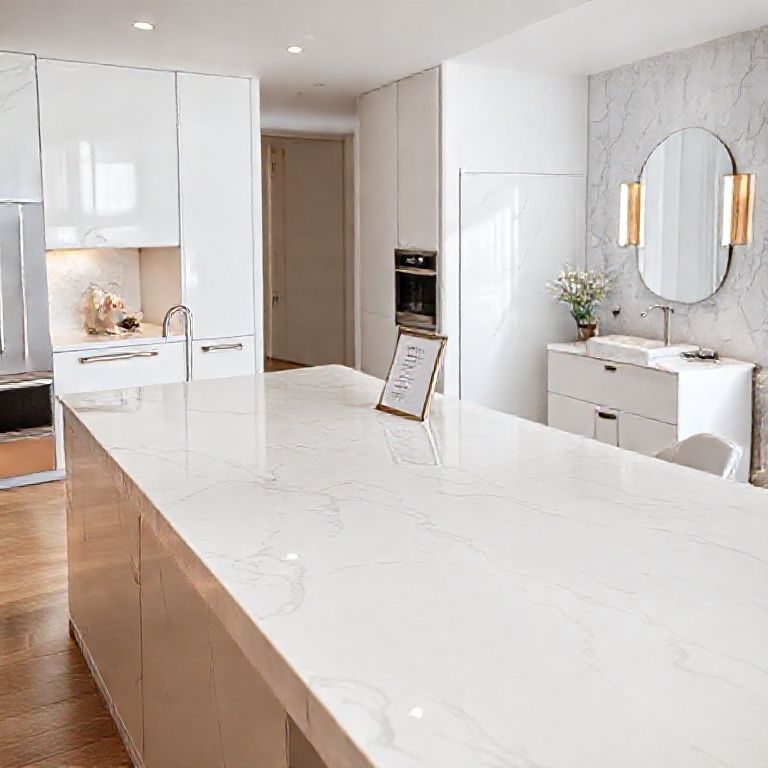
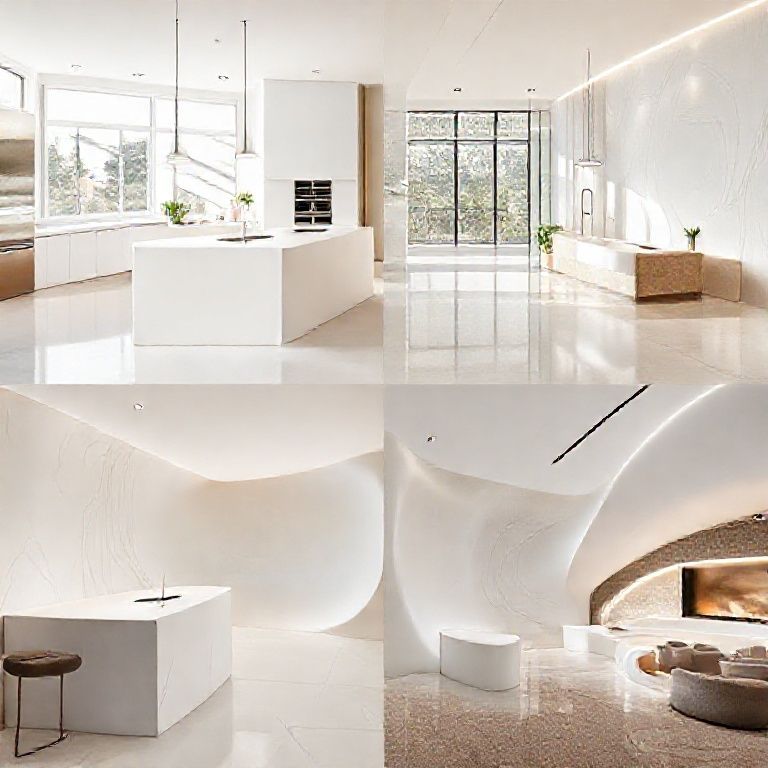
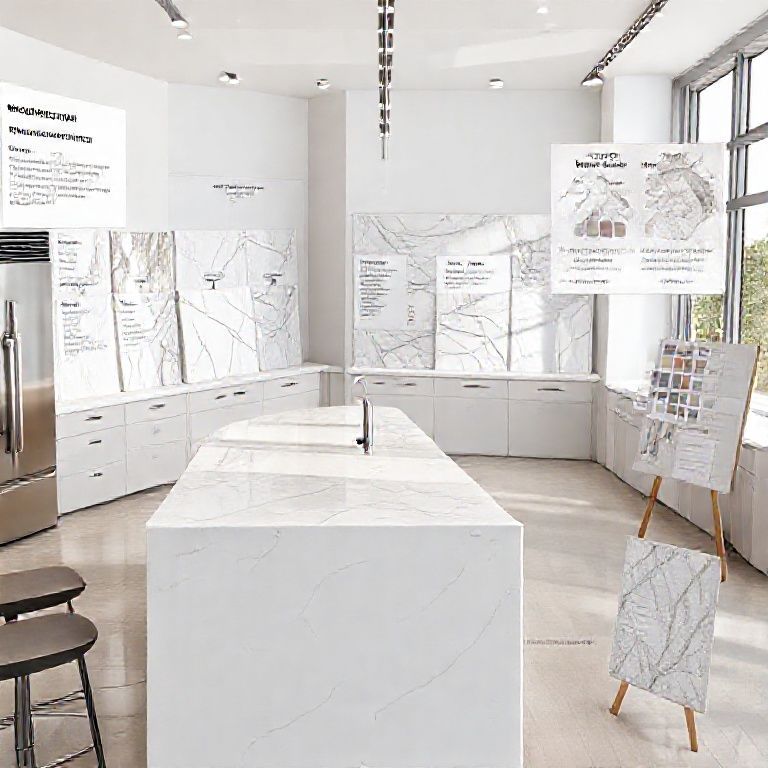
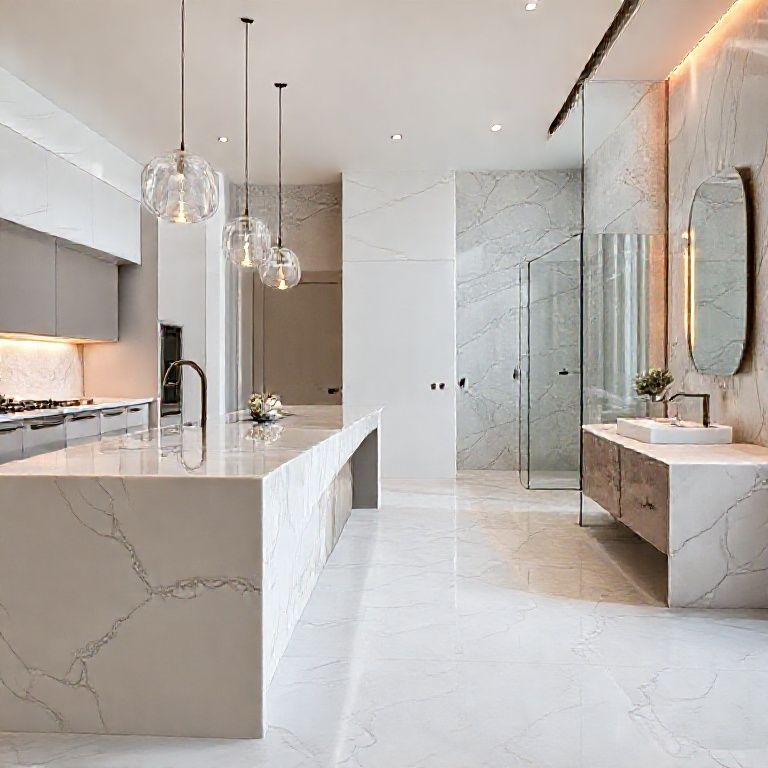
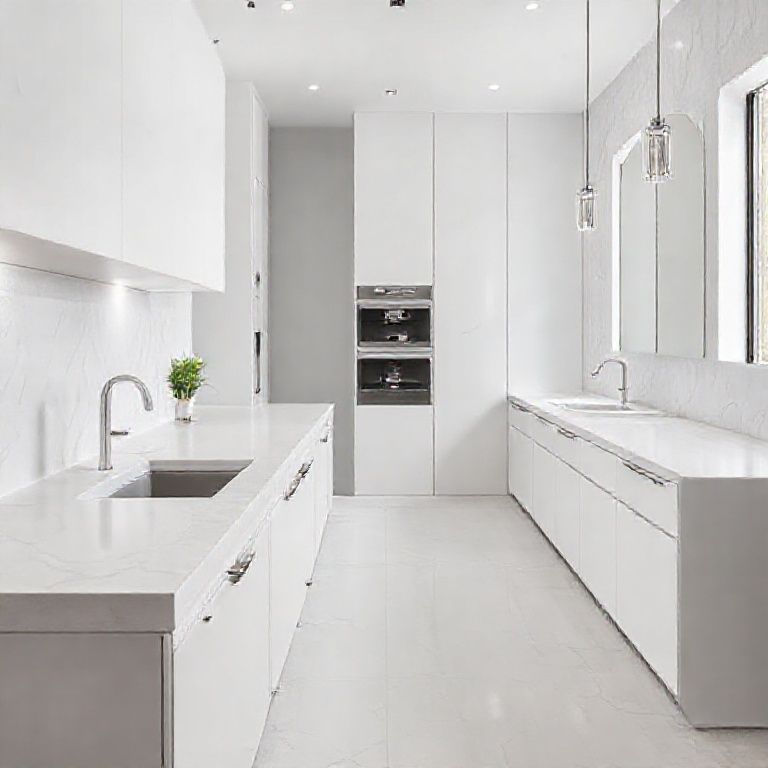
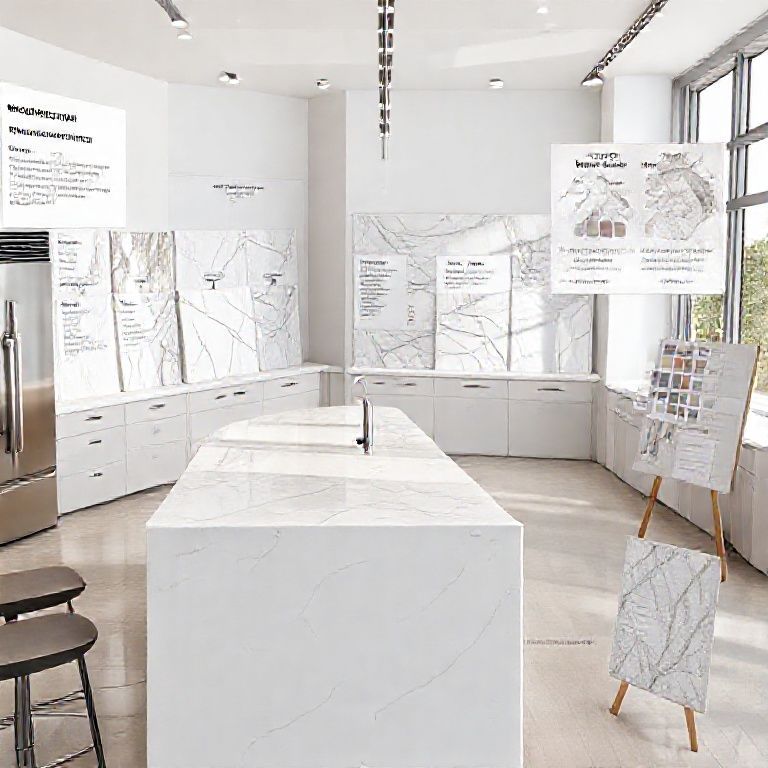
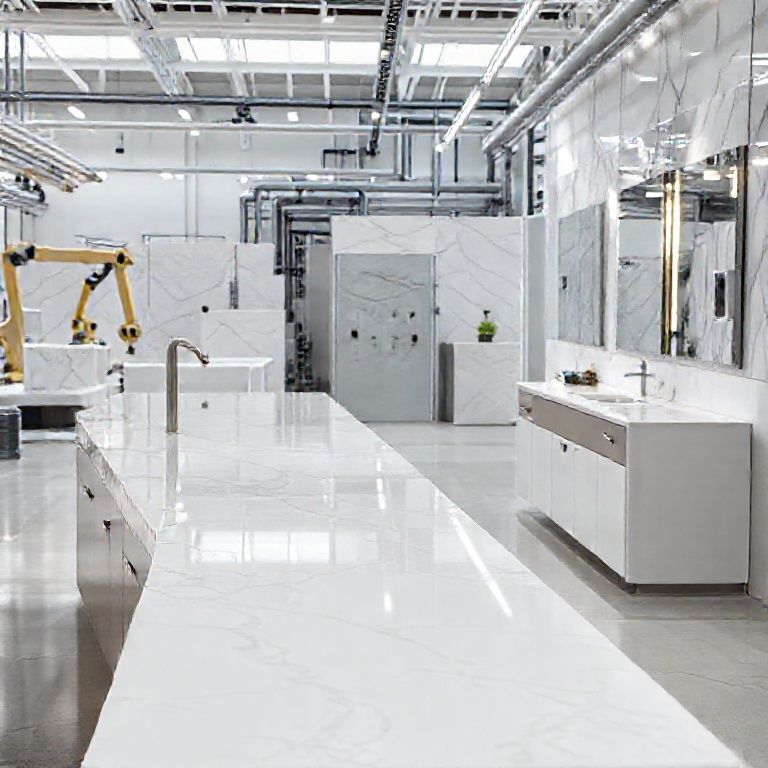
One of the most striking advantages of engineered marble is its aesthetic appeal. Engineered marble can mimic the intricate patterns and textures of natural marble, providing a luxurious look that is hard to replicate. This material is available in a wide array of colors and finishes, allowing designers and homeowners to tailor their spaces to their exact preferences. Whether you’re looking to create a modern, minimalist kitchen or a classic, opulent dining area, engineered marble offers endless design possibilities.
Durability and Strength
Engineered marble is incredibly durable, making it an excellent choice for high-traffic areas such as kitchens and bathrooms. Unlike natural stone, which can be prone to scratching, engineered marble is less likely to show wear and tear over time. The resin binder used in its creation provides a cohesive structure that enhances its resistance to scratches, chips, and even stains. This durability ensures that your marble surface will maintain its beauty and functionality for years to come.
Cost-Effectiveness
For many homeowners and business owners, budget constraints can be a significant concern. Fortunately, engineered marble offers a cost-effective alternative to traditional marble. The manufacturing process of engineered marble is more economical, allowing for a lower price point. This makes it an attractive option for those who want the appearance of high-end marble without the high cost. Additionally, its durability means that you won’t need to replace it as frequently, further enhancing its value.
Ease of Installation
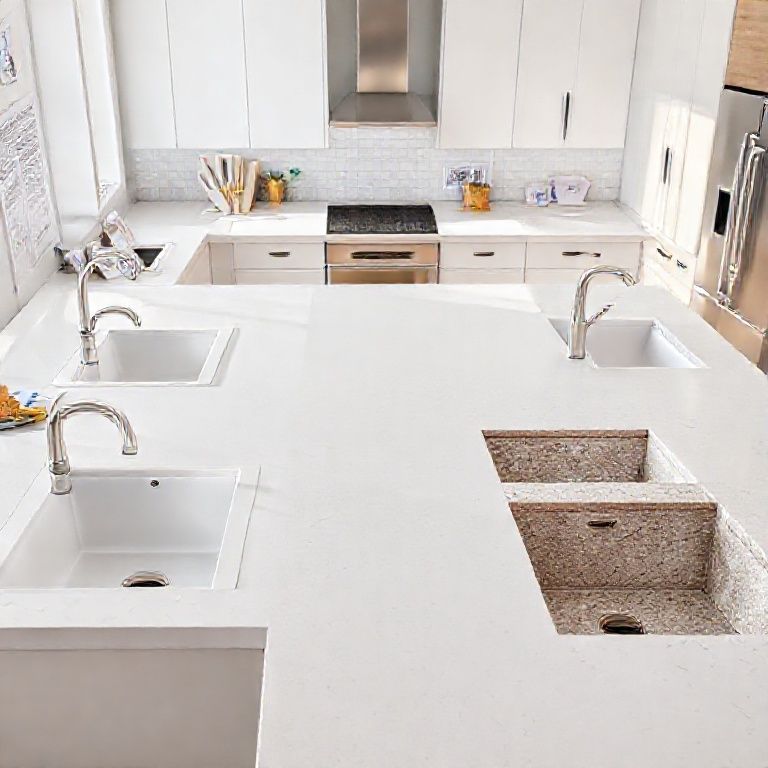
Another significant advantage of engineered marble is its ease of installation. Because it is a solid surface, engineered marble can be cut to fit any space without the need for grout lines, which can be a challenge with natural stone. This means that even those with limited DIY skills can handle the installation process themselves or work with a contractor who finds the task straightforward. The material can also be used on a variety of surfaces, including countertops, backsplashes, and even flooring.
Maintenance and Cleanliness
Maintaining an elegant marble surface is often a daunting task, especially when it comes to cleaning and preventing stains. Engineered marble offers a more manageable maintenance routine. Being a solid surface, it is generally easy to clean with a simple wipe-down using a mild soap and water solution. Unlike natural marble, engineered marble does not absorb liquids, which means it is less susceptible to stains and etching. This makes it an ideal choice for busy households and commercial spaces where cleanliness is paramount.
Environmental Considerations
Engineered marble is also environmentally friendly. Since it is made from natural stone and resin, it is a more sustainable option compared to synthetic materials like plastic. Additionally, the production process for engineered marble generates less waste than that of natural stone, making it an eco-conscious choice. This aspect is increasingly important to consumers who are mindful of their environmental footprint.
Disadvantages of Engineered Marble
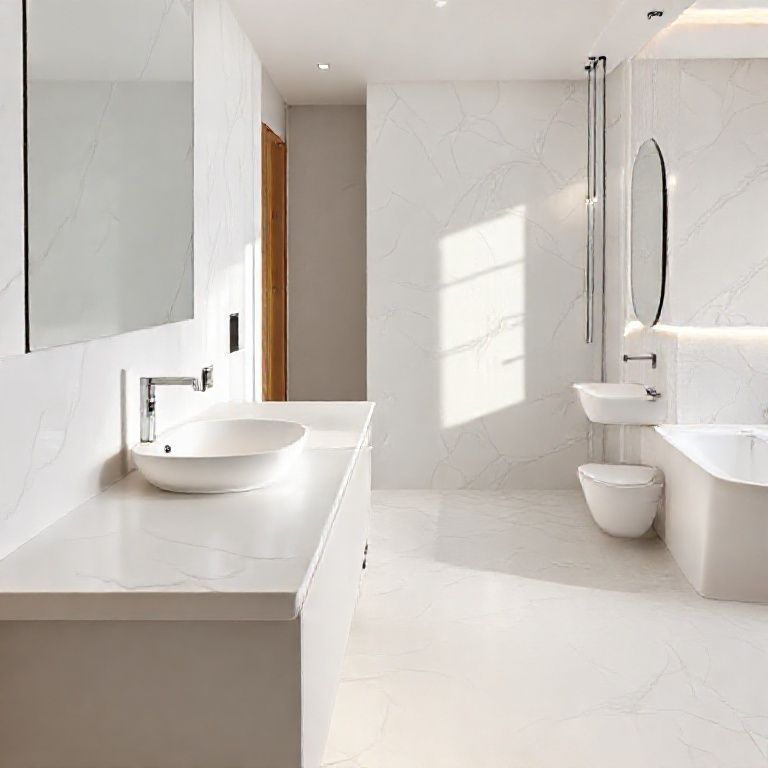
While engineered marble offers numerous advantages, it is essential to consider its limitations to make a well-rounded decision. Here, we explore the drawbacks of this material in detail.
Heat Resistance
One of the most significant disadvantages of engineered marble is its heat resistance. Although engineered marble is durable and easy to maintain, it is not as heat-resistant as natural stone. When exposed to high temperatures, such as those from a hot pan or oven, engineered marble can crack or develop thermal shock. This is a critical factor to consider if you plan to use it in areas where heat is a regular occurrence.
Limited Availability in Colors
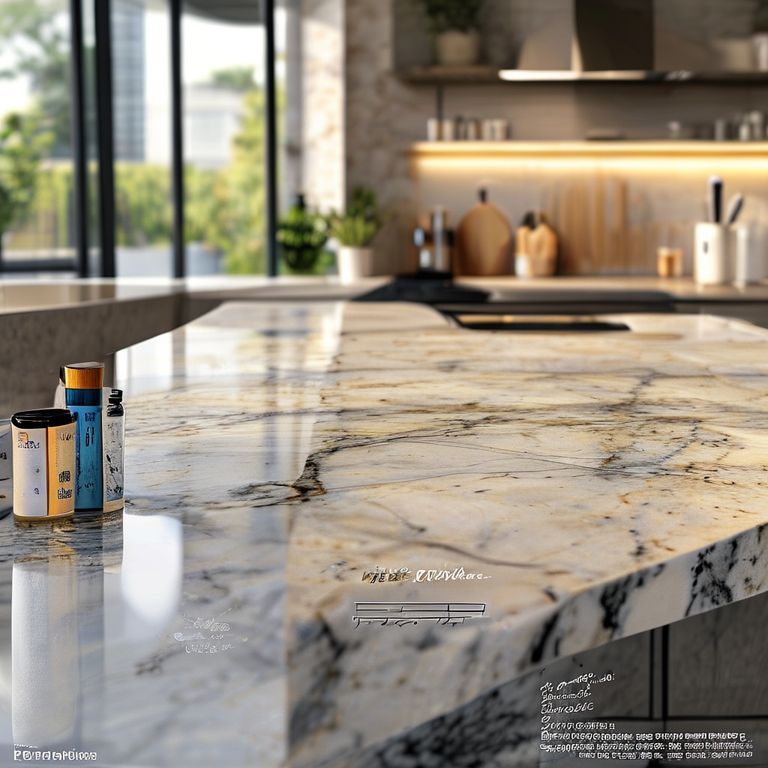
While engineered marble offers a wide range of colors and finishes, its selection is still somewhat limited compared to natural marble. The natural veining and patterns found in authentic marble are often difficult to replicate perfectly in synthetic materials. As a result, while engineered marble can look very similar to natural stone, it may not have the same level of uniqueness and individuality. This could be a drawback for those looking for a truly one-of-a-kind piece.
Slip Resistance
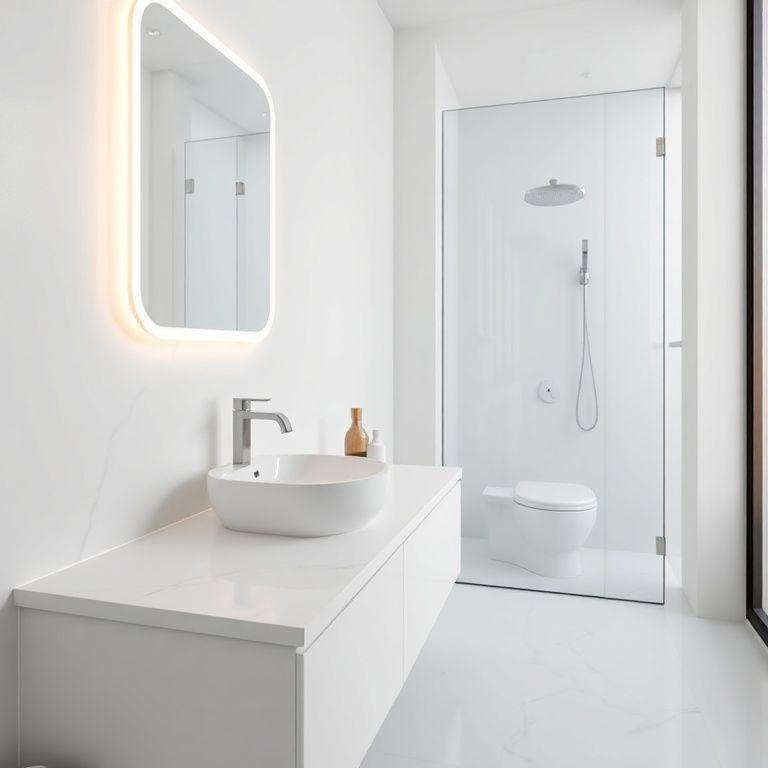
Engineered marble has another practical disadvantage: slip resistance. Despite its durability, engineered marble is not inherently non-slip. If the surface becomes wet, it can become slippery, posing a safety hazard. To mitigate this issue, it is advisable to use engineered marble in areas where spills are less likely or to apply a non-slip coating or mat in high-moisture areas.
Repairability
Another limitation of engineered marble is its repairability. Unlike natural stone, which can often be resurfaced or repaired with professional techniques, engineered marble is more challenging to fix. If it gets a scratch or chip, it may be more difficult to repair without professional intervention. This means that minor damage could require more extensive replacement rather than simple touch-ups.
Aging Appearance
Engineered marble does not age in the same way that natural stone does. While natural stone often develops a beautiful patina over time, engineered marble tends to maintain its original appearance. This can be a drawback for those who prefer the natural aging process that adds character to natural stone over time. If you are looking for a material that will develop a unique character with age, engineered marble may not be the best choice.
Environmental Impact of Resin
The resin used in engineered marble production has raised some environmental concerns. Although it is a relatively low-impact material compared to synthetic plastics, the production process still involves chemicals that could pose environmental risks if not handled properly. While the overall environmental footprint of engineered marble is lower than many other materials, it’s worth considering the production process and the potential for pollution.
Conclusion
Engineered marble offers a compelling combination of beauty, durability, and cost-effectiveness, making it an attractive choice for many renovation and design projects. Its aesthetic versatility, ease of installation, and low maintenance requirements are just a few of the reasons it has become increasingly popular. However, it’s equally important to weigh its limitations, such as heat resistance, limited color availability, and challenges with repairability.
By understanding both the advantages and disadvantages of engineered marble, you can make a well-informed decision that aligns with your design goals, budget, and practical needs. Whether you choose engineered marble for its modern look or its practical benefits, it remains a top contender in the world of stone materials.