Unraveling the Mysteries: Does Artificial Marble Really Radiate?
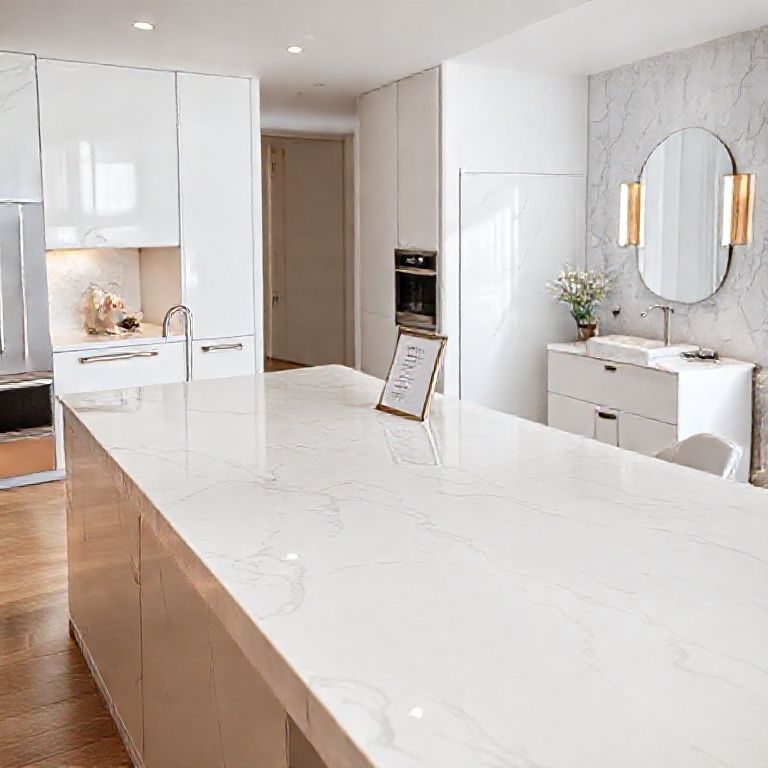
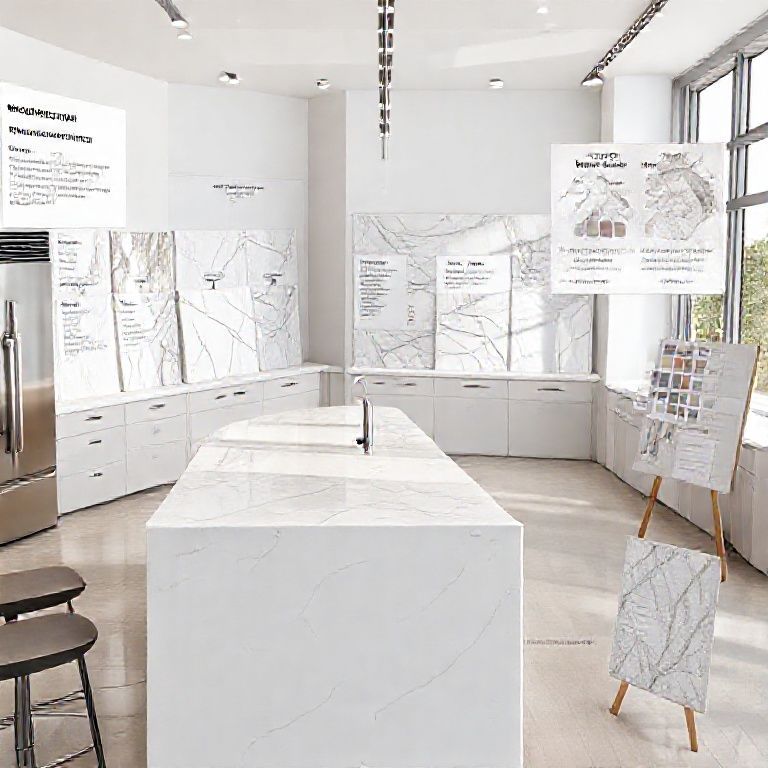
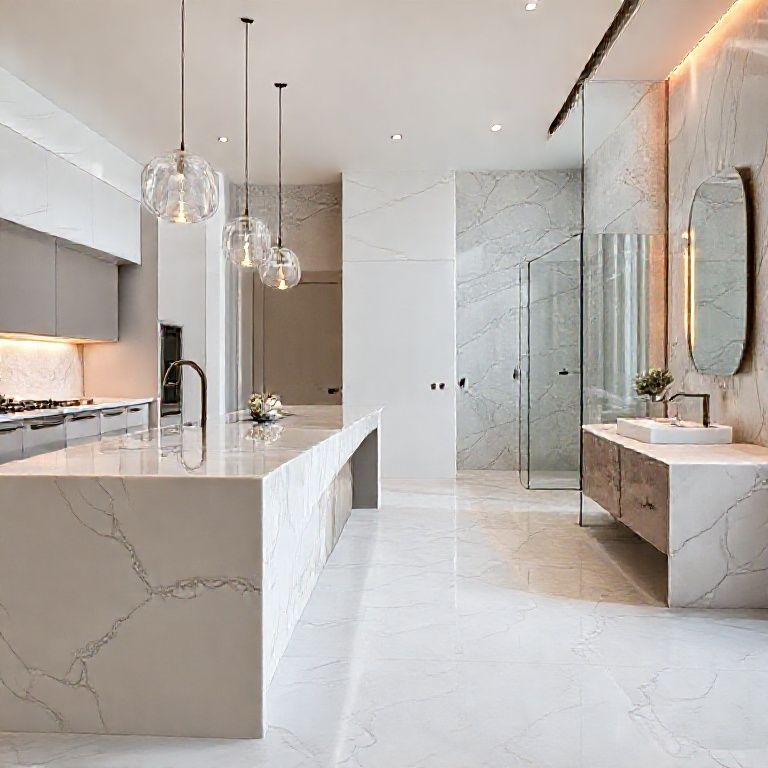
Artificial marble, also known as engineered stone, has become an increasingly popular choice for countertops, tabletops, and various decorative surfaces in homes and offices around the world. Crafted from natural minerals like quartz, limestone, and other natural elements, artificial marble boasts an impressive array of benefits: it’s durable, easy to maintain, and available in an almost limitless range of colors and textures. However, despite these advantages, a lingering question has surfaced: “Does artificial marble really radiate?”
Understanding Artificial Marble
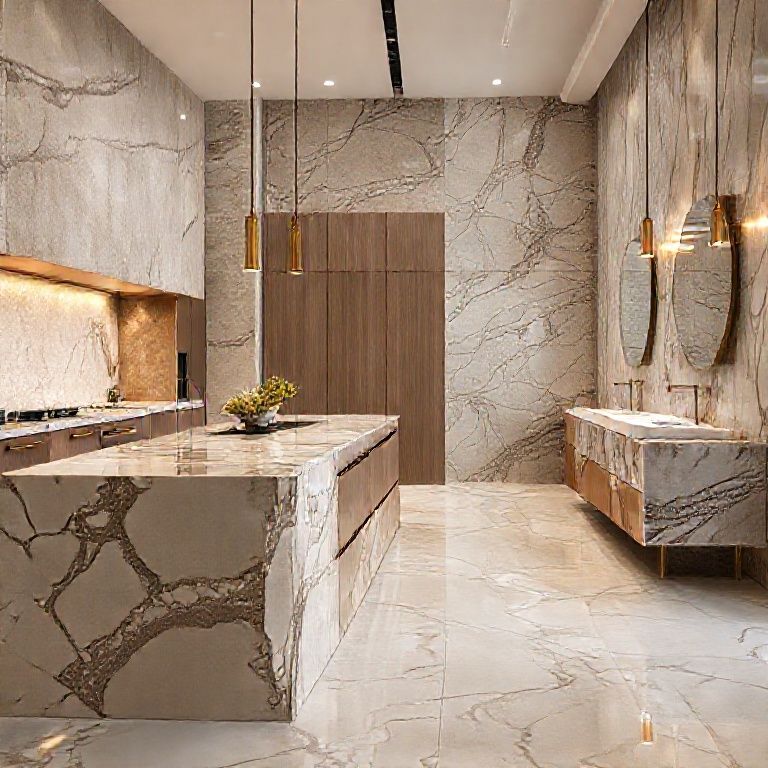
Artificial marble is a composite material that combines a substantial percentage of natural stone with a polymer resin binder. This unique mixture offers the look and feel of traditional marble while providing superior resistance to scratches, stains, and heat. The manufacturing process involves mixing powdered natural stone with a polymer resin and then pressing the mixture under high heat and pressure to form a solid, monolithic block.
The Radiation Concern
The primary concern surrounding artificial marble revolves around the potential for radiation. This concern primarily stems from the use of natural stone components, which can sometimes contain trace amounts of radioactive elements like uranium, thorium, and potassium. When these elements are present in natural stone, they can emit low levels of radiation in the form of alpha, beta, and gamma rays.
How Radiation Works
Radiation is a form of energy that travels in waves or particles. In the context of natural stone, the primary worry is about alpha particles, which are heavy and short-ranged. While alpha particles are not a significant health risk if they remain on the surface of the stone, they can pose a risk if they are ingested or inhaled. However, the levels of radiation emitted by natural stone are generally very low and far below any harmful threshold set by health authorities.
The Science Behind Artificial Marble
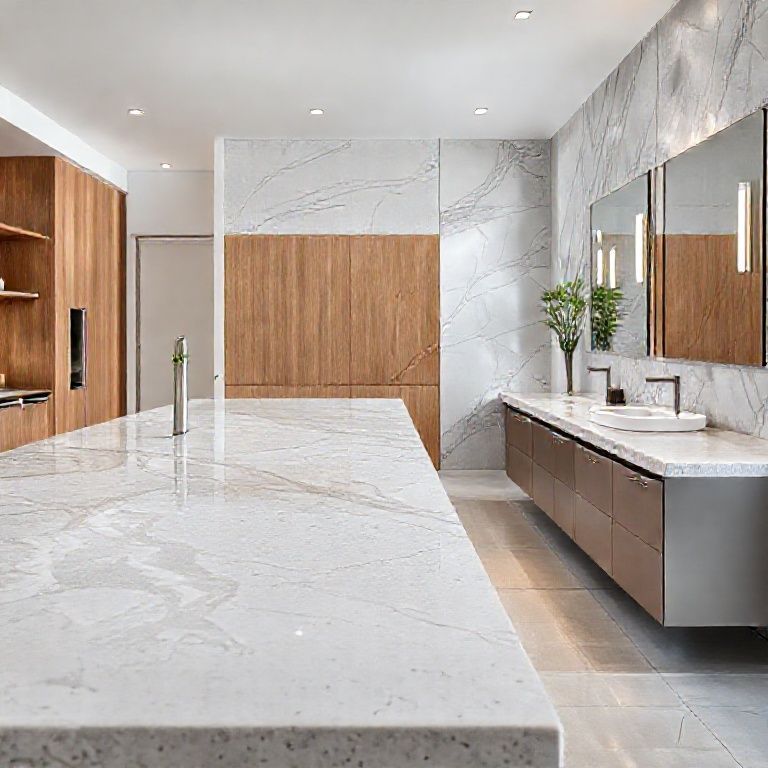
In the case of artificial marble, the concern about radiation is somewhat mitigated because the manufacturing process involves heating and pressing the stone mixture, which can reduce the presence of radioactive elements. The polymer binder also helps to encapsulate any remaining particles, further reducing the risk of radiation exposure.
Health and Safety Standards
To address these concerns, manufacturers of artificial marble adhere to strict health and safety standards. For instance, the European Union’s Directive on the Management of Natural Stone (98/89/EC) sets limits on the levels of radiation permissible in natural stone products. While artificial marble is not explicitly covered by this directive, it undergoes rigorous testing to ensure it meets safety standards.
Comparative Analysis: Natural vs. Artificial Marble
When comparing natural marble to artificial marble, it’s essential to understand that the radiation levels are generally similar. Natural marble, which is composed of naturally occurring minerals, can also contain trace amounts of radioactive elements. However, the levels of radiation from both natural and artificial marble are extremely low and pose no significant health risk.
Real-World Testing and Results
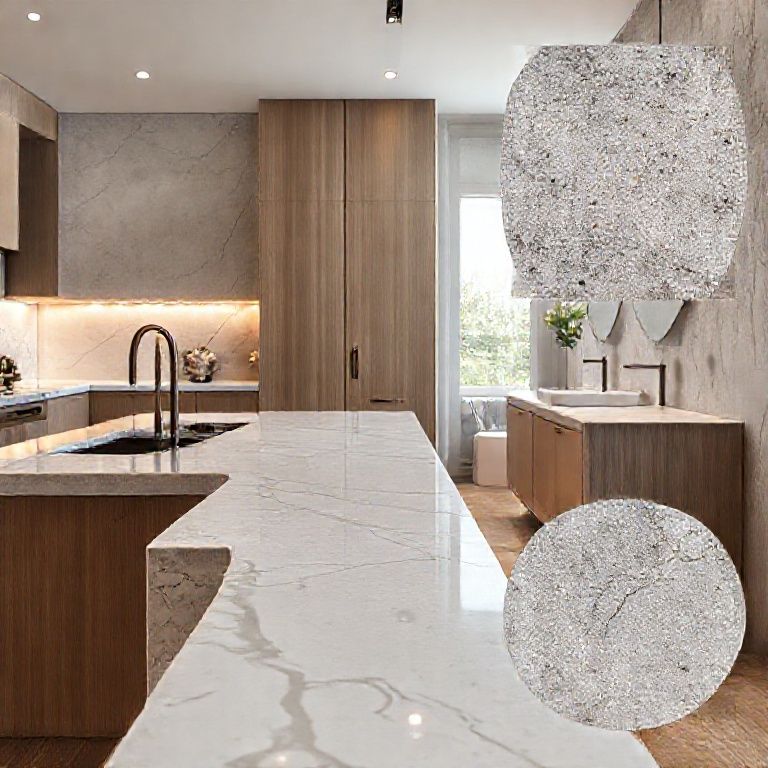
Several independent laboratories have conducted tests on artificial marble to assess radiation levels. These tests have consistently shown that artificial marble emits radiation at levels comparable to, or even lower than, those found in natural stone. For instance, a study conducted by the American National Standards Institute (ANSI) found that the radiation levels in artificial marble were well within safe limits set by the Environmental Protection Agency (EPA).
Conclusion of Part 1
In conclusion, the question of whether artificial marble radiates is largely a myth. The manufacturing process of artificial marble effectively minimizes the presence of radioactive elements, and the radiation levels emitted are well within safe limits. While natural stone can also contain trace amounts of radioactive elements, the radiation levels from both natural and artificial marble are extremely low and pose no significant health risk. The next part of this exploration will delve deeper into the environmental impact of artificial marble, further highlighting its safety and sustainability.
Unraveling the Mysteries: Does Artificial Marble Really Radiate?
In the second part of our comprehensive exploration, we continue to address the question that has puzzled many: “Does artificial marble really radiate?” We’ve already established that the levels of radiation emitted by artificial marble are minimal and well within safe limits. Now, let’s delve deeper into the environmental impact, sustainability, and overall safety of artificial marble, further illuminating why it is a preferred choice for many.
Environmental Impact and Sustainability
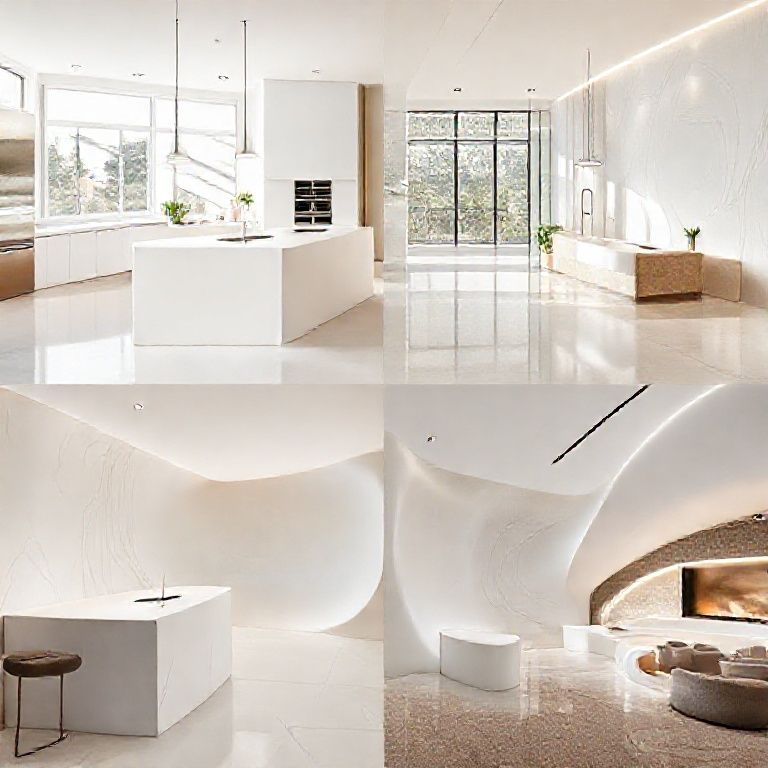
One of the most compelling reasons to choose artificial marble is its positive environmental impact. Traditional marble mining is a resource-intensive process that can cause significant environmental damage. Quarrying natural marble requires the extraction of large amounts of stone, leading to deforestation, soil erosion, and water pollution. In contrast, artificial marble is manufactured using recycled materials and natural stone, significantly reducing the need for extensive mining operations.
Sustainable Manufacturing Process
The manufacturing process of artificial marble is designed to be as eco-friendly as possible. It involves the use of natural stone powder, which is often a byproduct of the natural stone industry. By recycling this stone powder, manufacturers can create high-quality artificial marble products with minimal environmental footprint. The polymer resin used in the process is also chosen to be non-toxic and environmentally safe.
Energy Efficiency
The production of artificial marble is also energy-efficient compared to natural stone. The process of creating artificial marble requires high heat and pressure, but modern manufacturing techniques have optimized this process to reduce energy consumption. In contrast, natural marble extraction and processing can be resource-intensive, often requiring extensive labor and equipment.
Durability and Low Maintenance
Artificial marble’s durability and low maintenance further enhance its sustainability. Because it is less prone to scratches, stains, and chips compared to natural stone, it requires less frequent replacement and repair. This longevity reduces waste and the need for frequent production, contributing to a lower overall environmental impact.
Health Benefits
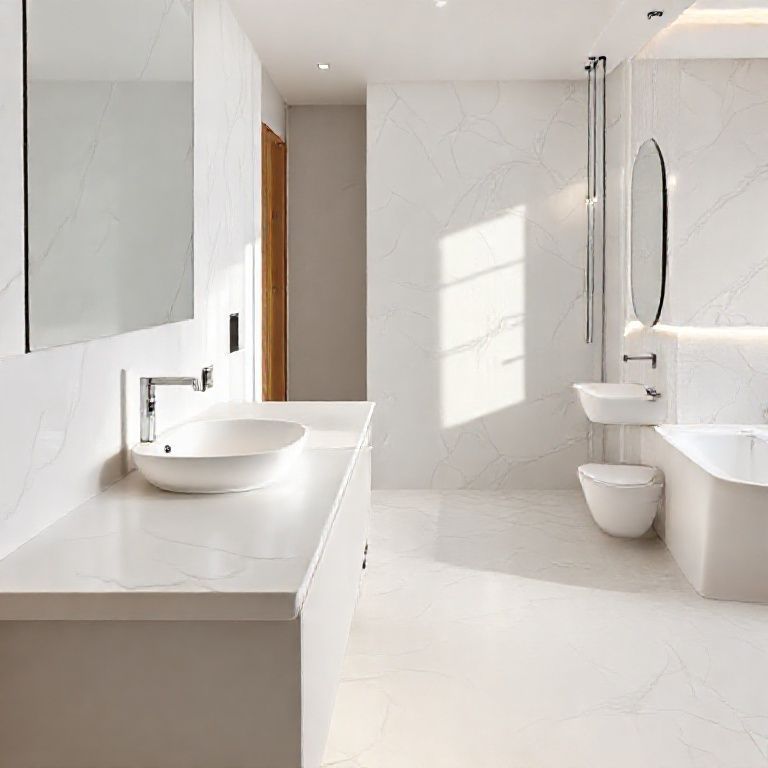
In addition to its minimal radiation levels, artificial marble offers other health benefits. It is resistant to bacteria and mold, making it a safer choice for kitchens and bathrooms where hygiene is paramount. Its non-porous surface prevents the growth of harmful microorganisms, reducing the risk of contamination and ensuring a healthier living environment.
Comparing Artificial Marble to Other Materials
When comparing artificial marble to other popular materials like granite, quartz, and even solid surface composites, it stands out for its balance of durability, aesthetics, and safety. Granite and quartz are natural stones that can contain radioactive elements, while solid surface composites often use synthetic materials that may have different environmental and health considerations.
Case Studies and Real-World Applications
To further understand the practical aspects of artificial marble, let’s look at some case studies and real-world applications. Many high-end kitchens and office spaces have chosen artificial marble for its beauty and durability. In these settings, the radiation levels remain within safe limits, and the material’s low maintenance requirements have proven beneficial.
Addressing Common Misconceptions
It’s important to address common misconceptions about artificial marble. Some people believe that because it’s synthetic, it must be less safe than natural stone. However, the science clearly shows that the radiation levels in artificial marble are minimal and pose no significant health risk. Moreover, the environmental benefits of using recycled materials and reduced mining further debunk the myth that artificial marble is inherently harmful.
Final Thoughts on Radiation and Safety
In conclusion, the question of whether artificial marble radiates is largely unfounded. The manufacturing process minimizes radioactive elements, and the radiation levels emitted are well within safe limits. The environmental benefits of using recycled materials and reduced energy consumption further enhance its appeal. Artificial marble stands out as a durable, low-maintenance, and environmentally friendly alternative to natural stone, offering peace of mind in terms of safety and sustainability.
Summary
By understanding the science behind artificial marble and its manufacturing process, we can confidently say that artificial marble does not pose a radiation risk. Its low maintenance requirements, durability, and environmental benefits make it a superior choice for modern living spaces. Whether you’re renovating your kitchen, designing an office space, or simply looking for a sustainable material for your home, artificial marble offers a compelling combination of aesthetics, safety, and sustainability.
In this two-part exploration, we have thoroughly addressed the question of whether artificial marble radiates, debunking myths and providing a detailed analysis based on scientific research and real-world applications. Artificial marble stands out as a safe, durable, and environmentally friendly choice, offering a compelling alternative to natural stone.