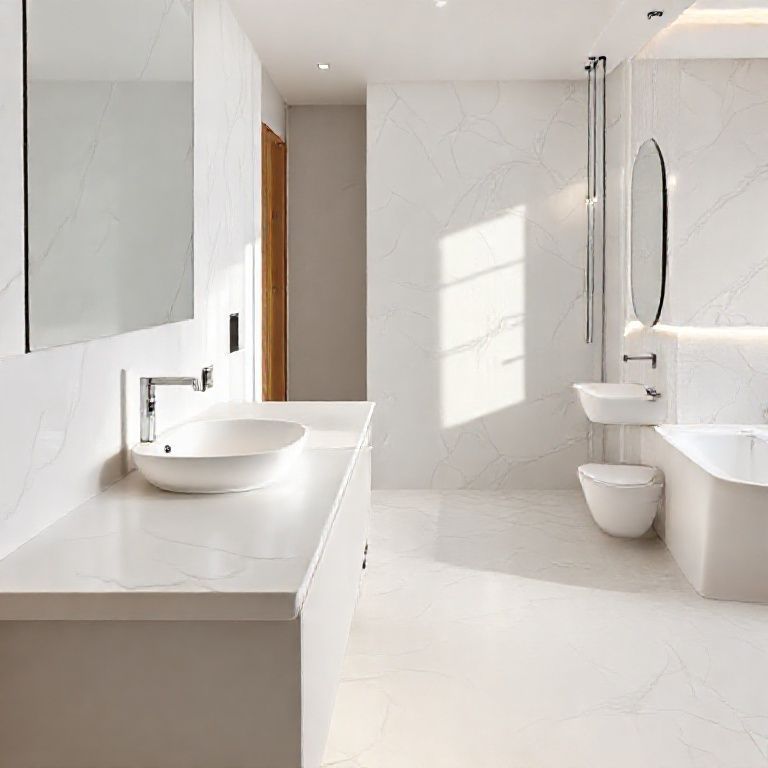
Unveiling the Beauty and Innovation of Artificial Marble
Artificial marble, often referred to as engineered stone or artificial stone, has revolutionized the world of interior and exterior design. This material has emerged as a versatile, durable, and aesthetically stunning alternative to natural marble. But what exactly is artificial marble, and why is it making such a significant impact on modern design?
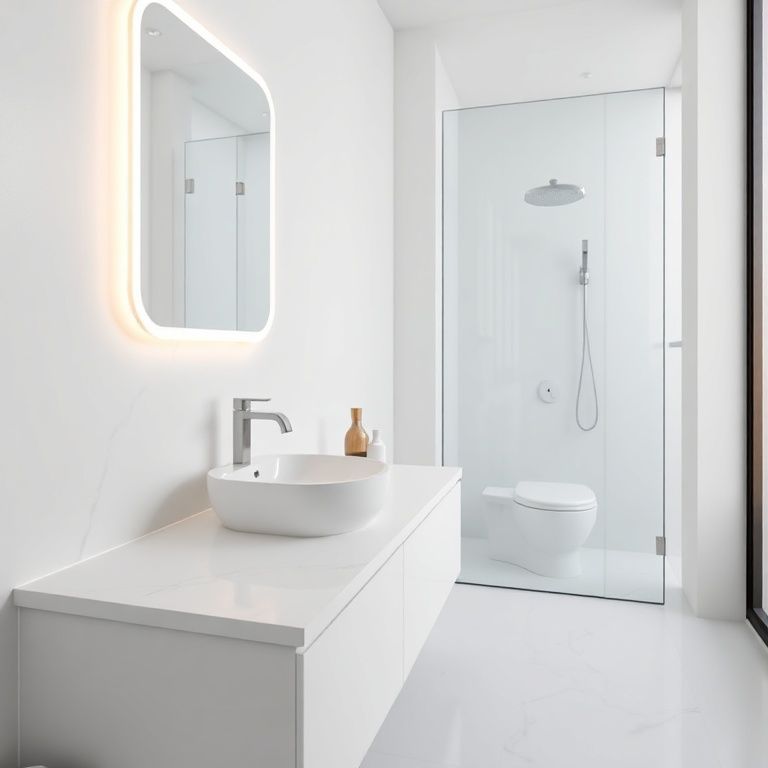
What is Artificial Marble?
Artificial marble is a composite material crafted from a mixture of limestone powder, quartz, or other natural minerals, combined with resin and pigments to mimic the look and feel of natural marble. Unlike traditional marble, which is a natural stone formed over millions of years through geological processes, artificial marble is engineered through advanced manufacturing techniques.
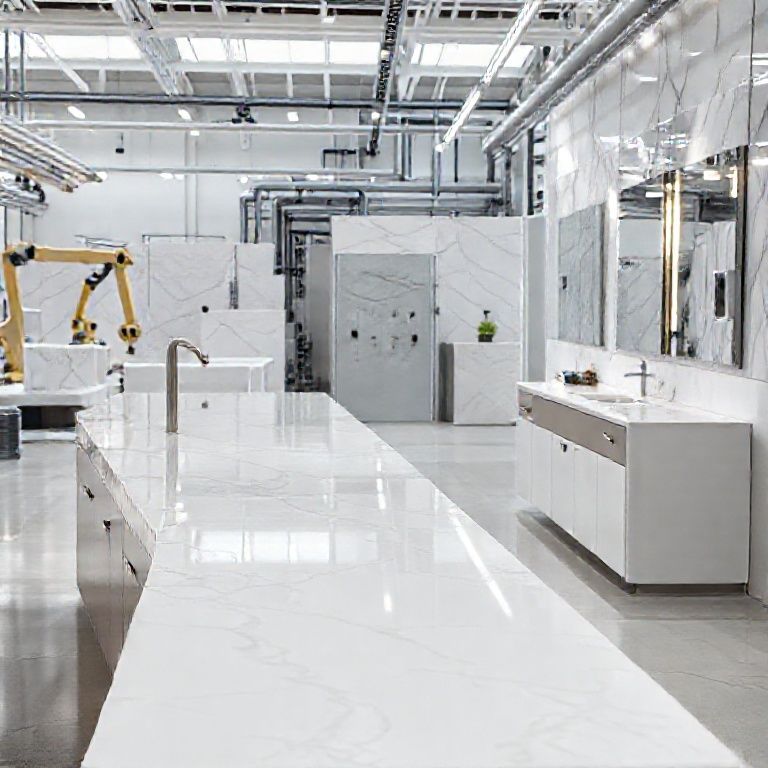
The process begins with the careful selection of natural minerals, which are then finely ground into a powder. This powder is mixed with a polymer resin and a colorant to create a slurry. The slurry is then poured into molds and subjected to high pressure and temperature to form a solid stone-like material. Once cured, the artificial marble is polished to achieve the desired finish.
The Composition and Manufacturing Process
The key components of artificial marble include:
Natural Mineral Powders: These could be limestone, quartz, or other mineral aggregates that provide the base material for the stone. Resins: Polymer resins, often acrylic or polyester, act as the binding agent that holds the mineral particles together. Pigments: These are added to achieve a wide range of colors and patterns that closely resemble natural marble.
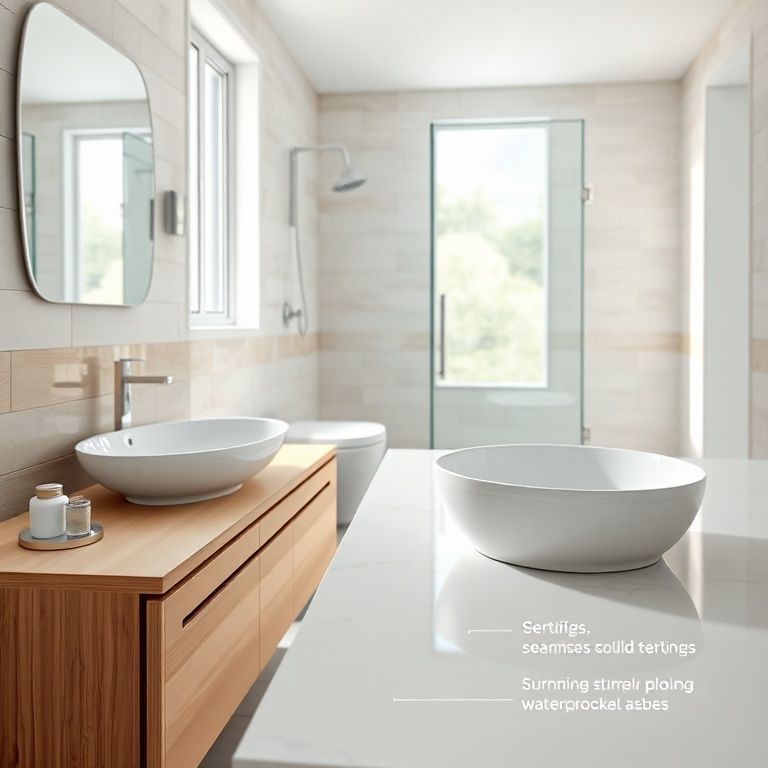
The manufacturing process involves several critical steps:
Mixing: The natural minerals and resin are thoroughly mixed to ensure uniformity. Molding: The mixture is poured into molds and compressed to remove air bubbles. Curing: The molded stone is subjected to high temperatures and pressure to cure and harden the material. Finishing: The cured stone is polished to achieve a glossy or matte finish.
Advantages Over Natural Marble
Artificial marble offers several significant advantages over traditional marble:
Durability: Artificial marble is more durable than natural marble due to its engineered composition. It is highly resistant to stains, scratches, and thermal shock, making it ideal for high-traffic areas. Cost-Effectiveness: While natural marble is often expensive due to its rarity and the cost of extraction, artificial marble is generally more affordable. Customizability: Artificial marble can be engineered to mimic any pattern or color found in natural marble, as well as create entirely new designs that are not possible with natural stone. Sustainability: The production of artificial marble has a lower environmental impact compared to quarrying natural marble, which can cause significant ecological disruption.
Aesthetic Appeal
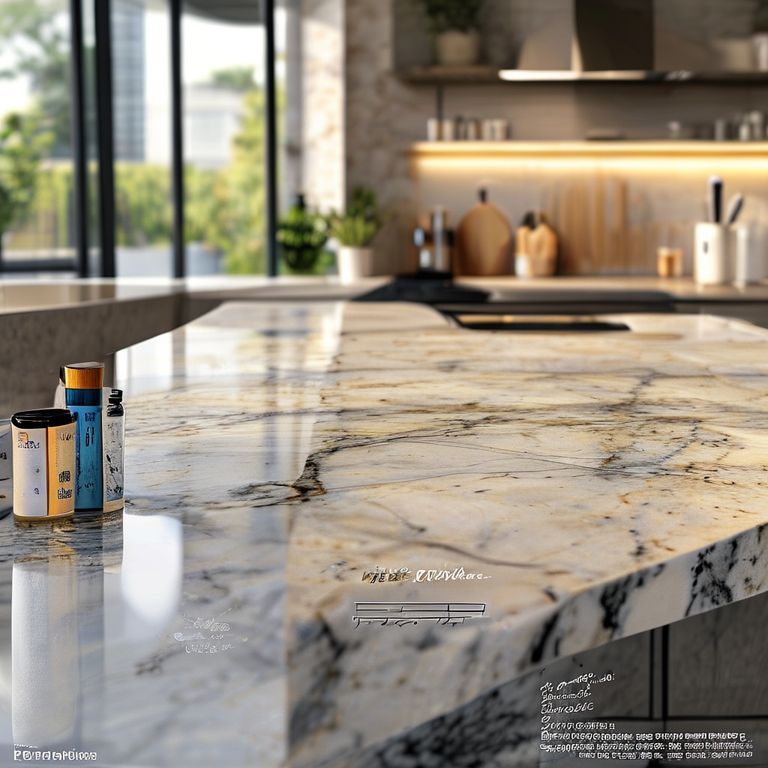
The aesthetic appeal of artificial marble is one of its most compelling features. The material can be engineered to replicate the intricate veining and color variations of natural marble while offering a degree of customization that is not possible with natural stone.
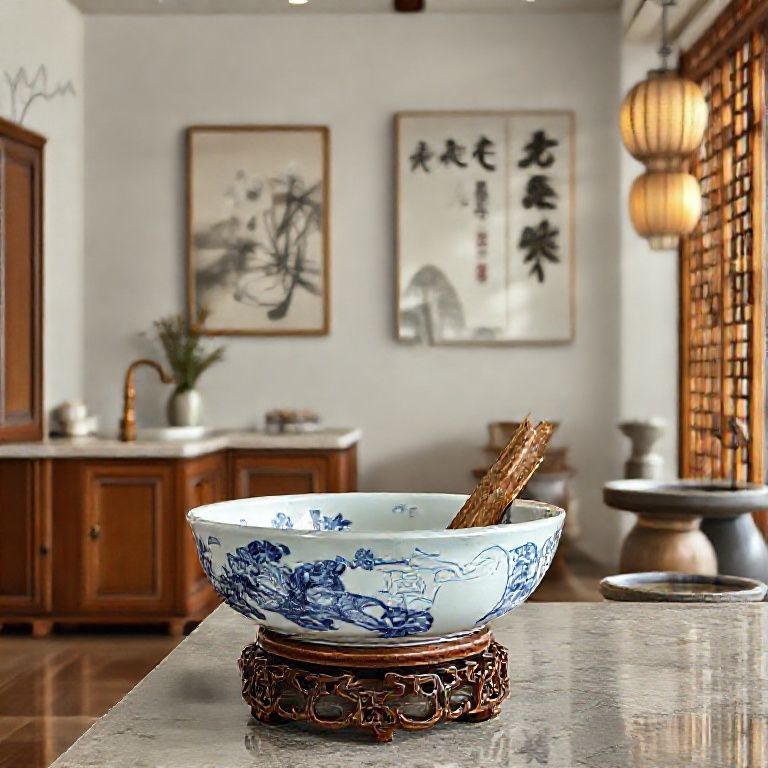
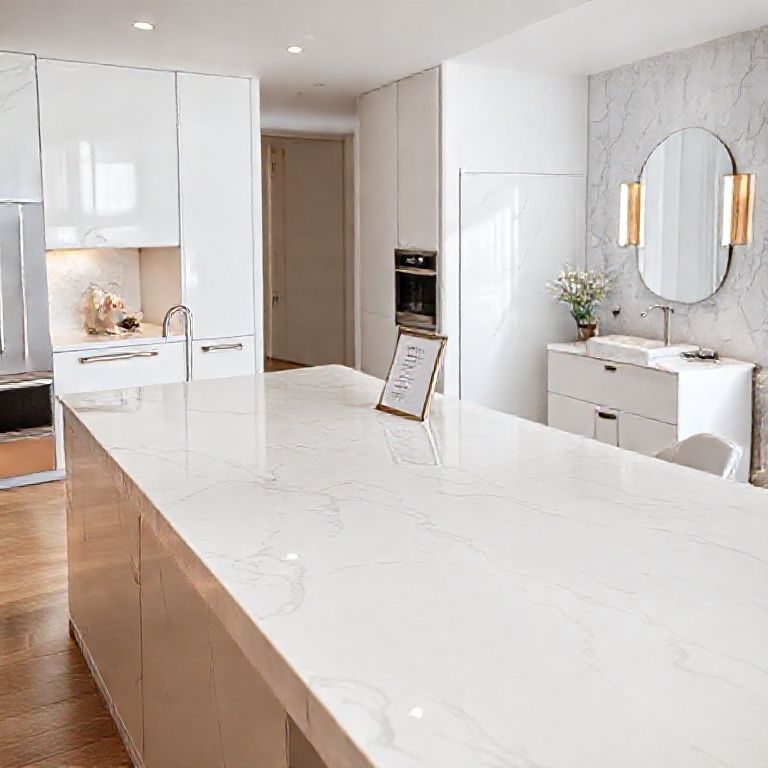
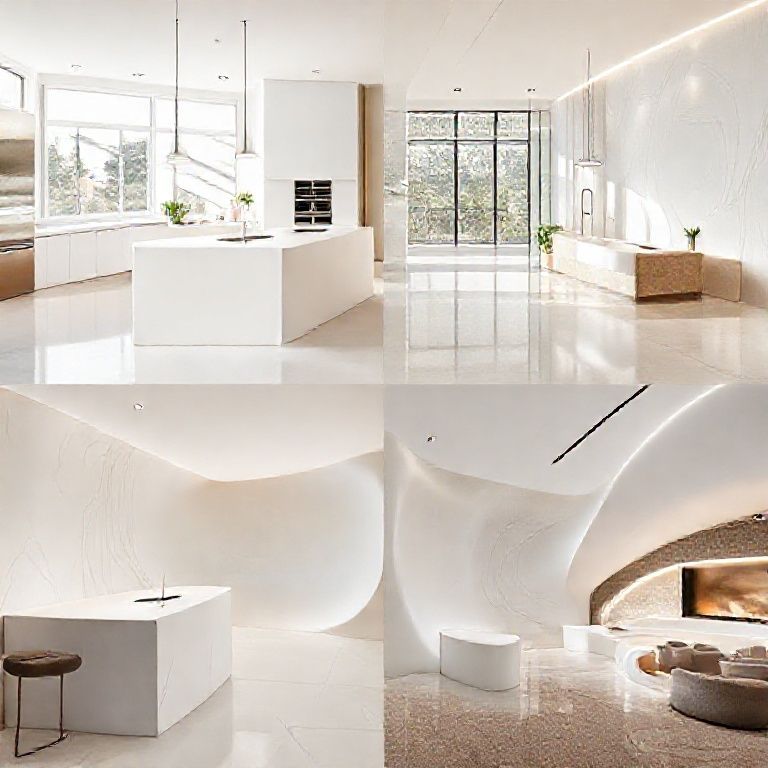
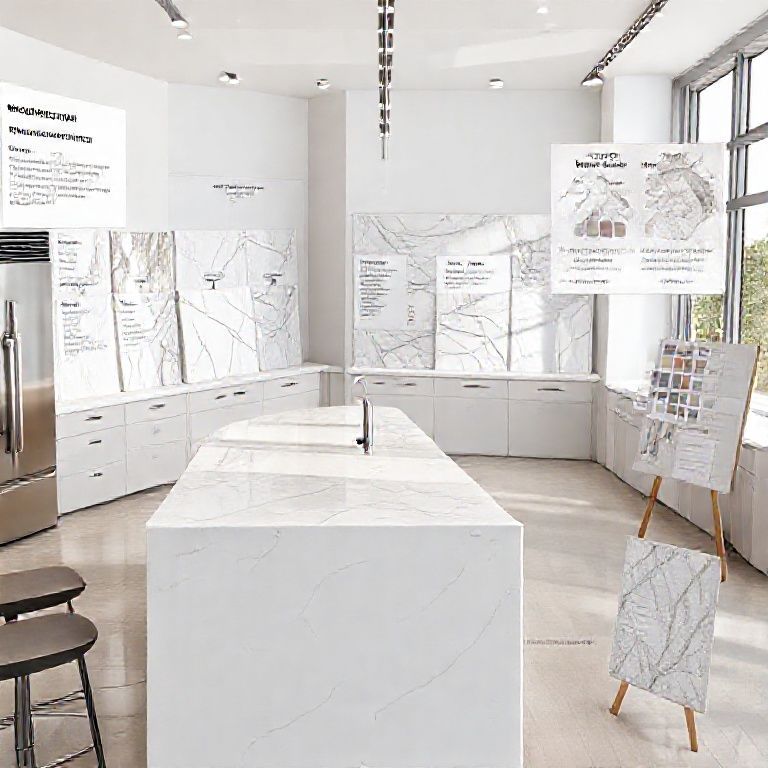
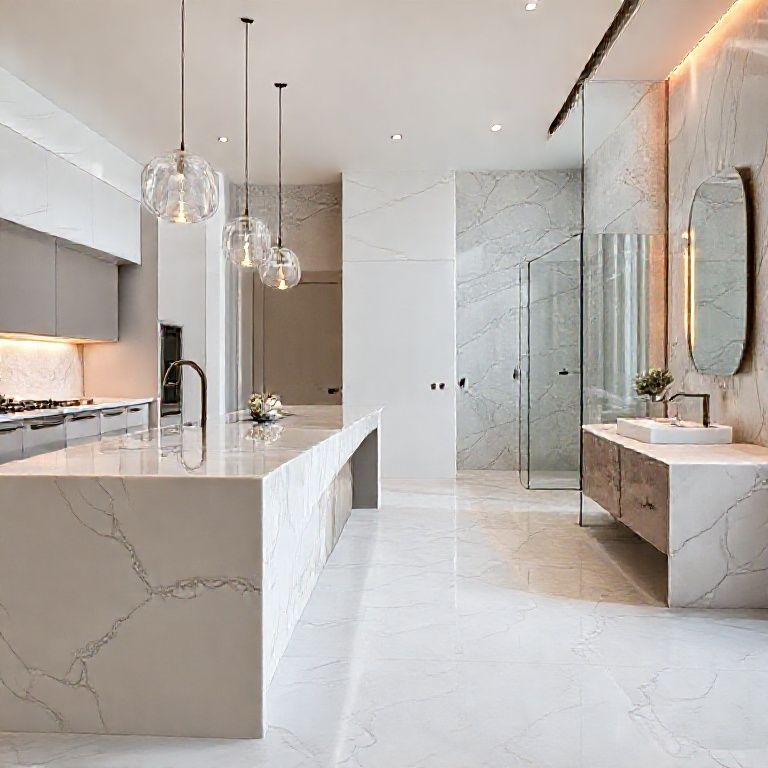
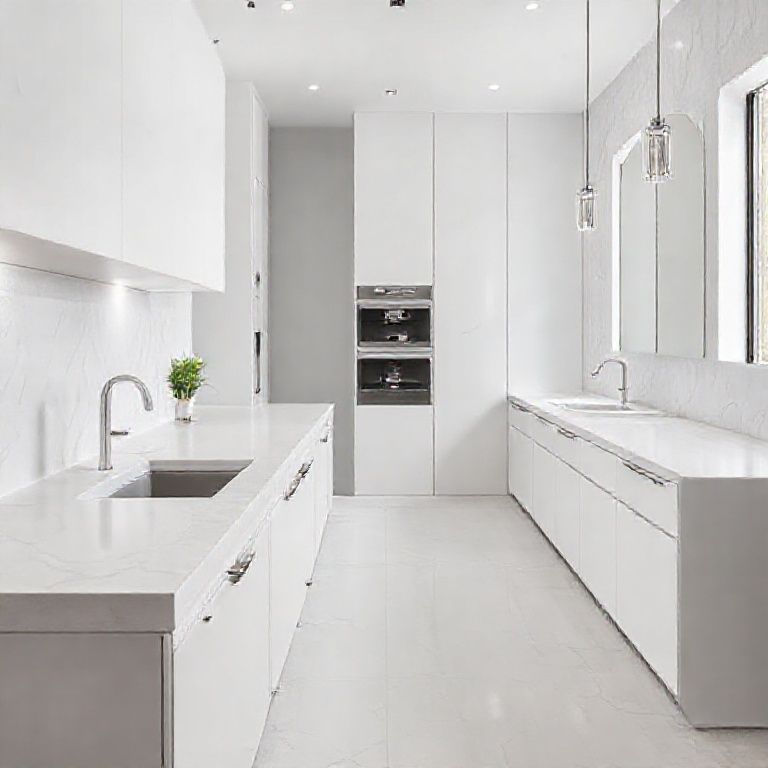
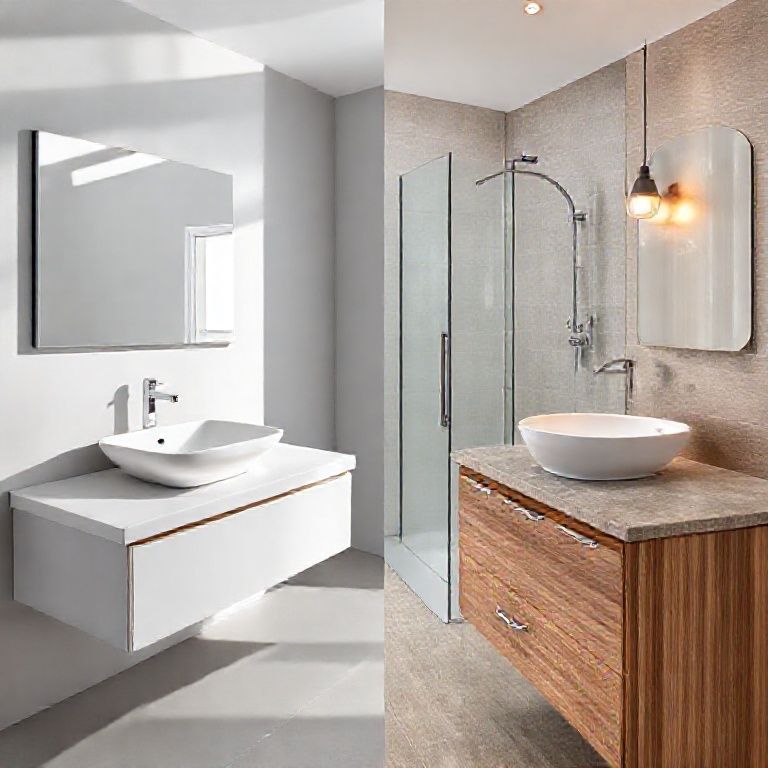
Designers and homeowners appreciate the versatility of artificial marble, which can be used in various applications, from countertops and backsplashes to flooring, bathroom vanities, and even exterior cladding. Its polished surface reflects light beautifully, creating a stunning, luxurious look that enhances any space.
Applications in Modern Design
Artificial marble is making waves in numerous design sectors:
Interior Design: In homes and commercial spaces, artificial marble is used for countertops, sinks, showers, and bathtubs. Its durability and aesthetic versatility make it an excellent choice for kitchens, bathrooms, and other areas that require a high-quality, low-maintenance surface. Architecture: In architecture, artificial marble is used for facades, columns, and other structural elements. Its ability to replicate the look of natural marble while being more durable and weather-resistant makes it a popular choice for both modern and classical designs. Furniture: Artificial marble is also used in high-end furniture, where its durability and aesthetic appeal provide a luxurious yet practical solution.
Conclusion
Artificial marble represents a significant innovation in material science, combining the beauty and elegance of natural marble with the practicality and sustainability of engineered materials. Its versatility, durability, and cost-effectiveness make it an ideal choice for a wide range of design applications, from residential interiors to commercial architecture.
In the next part of this exploration, we will delve deeper into the environmental benefits of artificial marble, compare it with other popular stone alternatives, and provide practical tips for selecting and maintaining this beautiful material.
The Environmental and Practical Benefits of Artificial Marble
In the previous section, we explored the composition and advantages of artificial marble. Now, let’s delve deeper into the environmental benefits and practical considerations of this remarkable material.
Environmental Benefits
Artificial marble stands out as a sustainable alternative to natural marble and other traditional materials. Its production has several environmental advantages:
Reduced Quarrying Impact: The extraction of natural marble involves significant ecological disruption. Quarrying can lead to deforestation, soil erosion, and water pollution. In contrast, the production of artificial marble does not require the destruction of natural landscapes.
Lower Carbon Footprint: Manufacturing natural marble involves transporting heavy stone blocks over long distances, contributing to a high carbon footprint. Artificial marble, being lighter and often manufactured locally, reduces transportation emissions.
Waste Reduction: The mining and processing of natural marble result in considerable waste. In contrast, artificial marble production can recycle and reuse materials more efficiently, minimizing waste.
Energy Efficiency: The curing process for artificial marble requires high pressure and temperature, but the overall energy consumption is generally lower than that required for processing and transporting natural marble.
Comparing Artificial Marble to Other Stone Alternatives
Artificial marble is not the only material vying for space in modern design, but it stands out when compared to other alternatives like granite, quartz, and natural stone.
Granite: Granite is another popular natural stone known for its durability and aesthetic appeal. However, it is heavier and more expensive than artificial marble. Additionally, granite requires more maintenance and is less customizable in terms of color and pattern.
Quartz: Quartz is a synthetic stone that offers a wide range of colors and patterns. While it is highly durable and low-maintenance, it can be more expensive than artificial marble and does not offer the same level of customization in terms of replicating natural stone textures.
Natural Stone: Natural stones like marble, travertine, and limestone are prized for their unique beauty and character. However, they come with higher costs, greater maintenance needs, and limited availability. Natural stone also poses significant environmental concerns due to the extensive quarrying processes involved.
Practical Considerations
When considering artificial marble for your design projects, several practical factors come into play:
Installation: Artificial marble is typically easier to install than natural stone. It can be cut and shaped with standard tools, making it suitable for both professional and DIY projects. Its lightweight nature also simplifies installation.
Maintenance: One of the biggest advantages of artificial marble is its low maintenance. It is highly resistant to stains, scratches, and thermal shock, requiring only regular cleaning with mild soap and water. Unlike natural stone, it does not need sealing to prevent staining.
Customization: Artificial marble offers unparalleled customization options. It can be engineered to mimic any pattern or color found in natural marble, as well as create entirely new designs that are not possible with natural stone. This flexibility makes it a preferred choice for designers looking to push creative boundaries.
Cost: While the initial cost of artificial marble can vary depending on the quality and design, it generally offers a cost-effective solution compared to natural marble. Its durability also means that it has a longer lifespan, potentially reducing long-term costs.
Health and Safety: Artificial marble is non-toxic and hypoallergenic, making it a safe choice for homes and commercial spaces. It does not contain any harmful chemicals or materials that could pose health risks.
Selecting and Maintaining Artificial Marble
选择人工大理石
质量和品牌: 选择知名品牌:知名品牌通常在材料和工艺上有更高的标准,确保产品的耐用性和美观性。 查看证书和认证:一些高质量的人工大理石会有相关的质量认证,可以作为选择时的参考。 颜色和图案: 色彩选择:根据你的装修风格和个人喜好选择颜色。人工大理石可以模仿各种天然石材的颜色和纹理,但最好能够提供样品以便比较。
图案设计:一些高级的人工大理石可以模仿非常复杂的纹理,选择时可以考虑图案的精细度和复杂性。 硬度和耐用性: 查看硬度评级:一些人工大理石会提供硬度评级(如MOHS硬度),这是衡量其耐磨性的重要指标。 耐刮擦性:耐刮擦性越高,人工大理石在日常使用中就越不容易出现划痕。
价格: 性价比:人工大理石的价格因品牌、材质和设计而异,但总体上,它是一种性价比较高的选择。在预算允许的情况下,尽量选择质量更高的产品。
安装人工大理石
准备工作: 表面处理:在安装前,确保安装表面干净、平整,没有油污、灰尘或其他杂质。 选择合适的胶水:使用专门为人工大理石设计的胶水,确保粘结效果更好。 切割和定位: 测量和切割:根据需要切割人工大理石,使用专业的切割工具和技术。 定位和试铺:在安装前先进行试铺,确保尺寸和位置正确。
安装过程: 粘合和固定:将人工大理石粘合到表面上,使用锤子或其他工具轻轻敲击以确保其牢固。 等待干燥:胶水需要一定时间干燥,通常需要等待24-48小时,以确保粘合效果。
维护和保养人工大理石
日常清洁: 使用中性清洁剂:每天用湿布和中性清洁剂轻轻擦拭,避免使用酸性或碱性清洁剂。 干燥处理:清洁后用干布擦干,避免水分残留导致的渗漏问题。 处理污渍和划痕: 小污渍:用中性清洁剂和水轻轻擦拭即可。 深色污渍:可以使用专门的石材清洁剂,轻轻擦拭后用水冲洗干净。
轻微划痕:可以使用石材抛光剂进行抛光处理,恢复光泽。 严重划痕:如果有较深的划痕,可能需要专业的修复服务。 避免高温: 避免直接接触高温物品:直接将热水壶或热食物放在人工大理石上,可能会导致热损伤。 使用隔热垫:在需要放置高温物品时,使用隔热垫来保护人工大理石表面。
通过正确的选择、安装和维护,你可以让人工大理石在家居或商业空间中展现出其最佳的美观和耐用性。