The Allure and Advantages of Artificial Marble
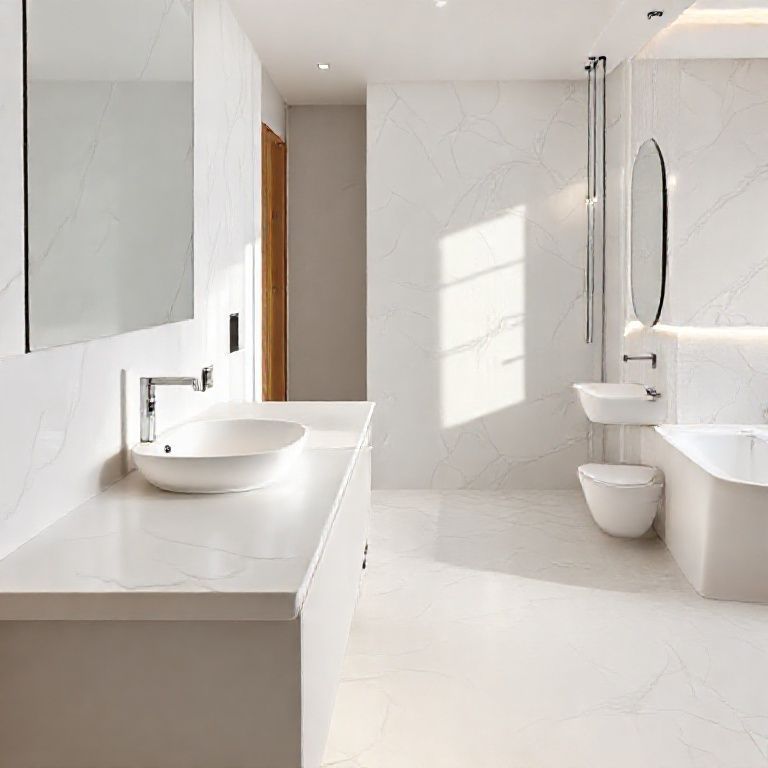
Artificial marble, or “人造大理石,” is rapidly gaining popularity in the world of interior design due to its stunning aesthetic appeal, durability, and cost-effectiveness. This synthetic stone has become a preferred choice for both residential and commercial applications, offering a luxurious yet affordable alternative to natural stone.
Understanding Artificial Marble
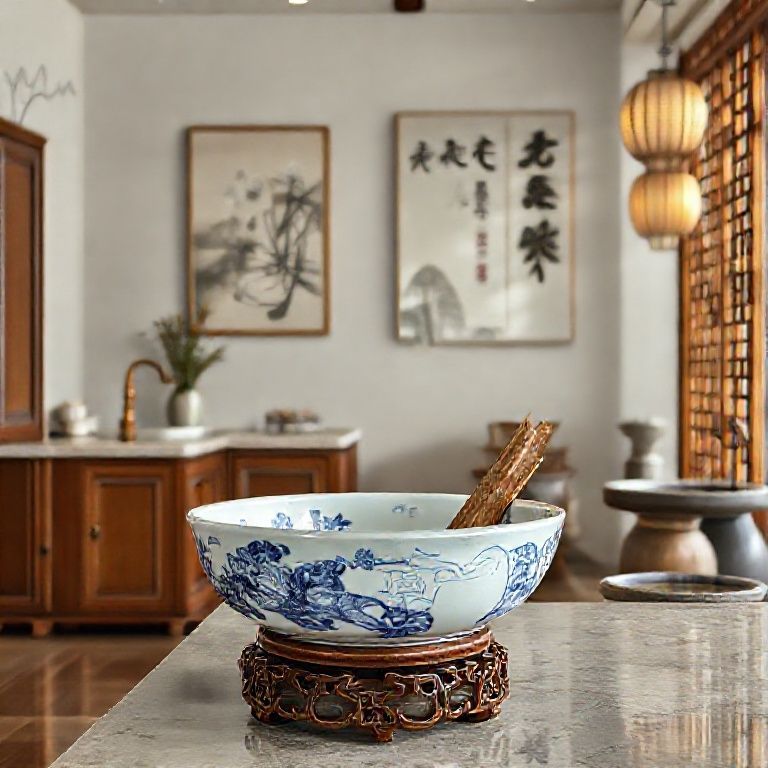
Artificial marble is a composite material made from various natural minerals such as calcite, limestone, and dolomite, combined with resins and pigments. The process involves mixing these raw materials, heating them under high pressure, and then polishing the final product to achieve a smooth, high-gloss surface. This manufacturing process allows for an almost limitless array of colors, patterns, and finishes, enabling designers to create unique and personalized designs.
Aesthetic Appeal
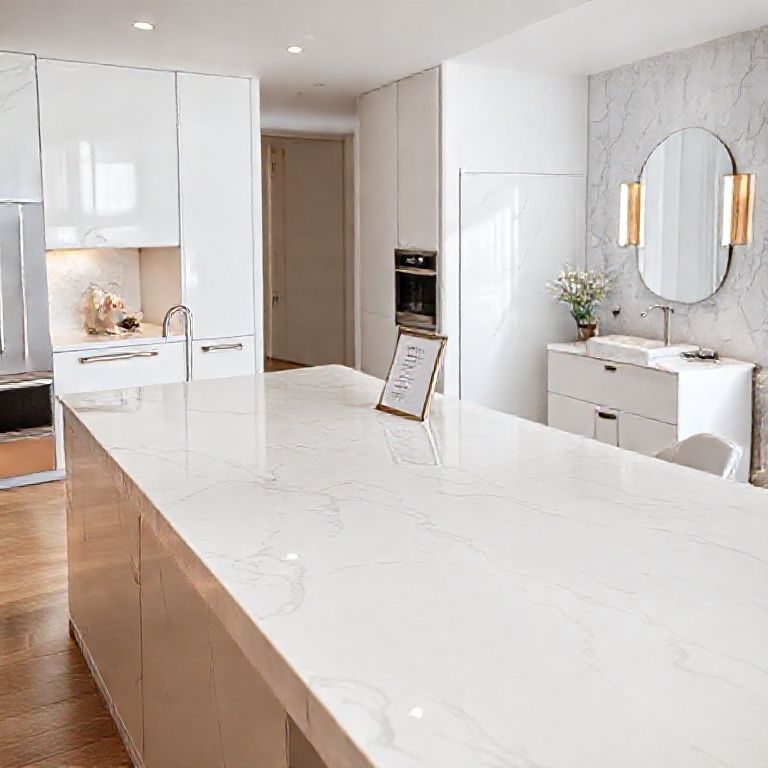
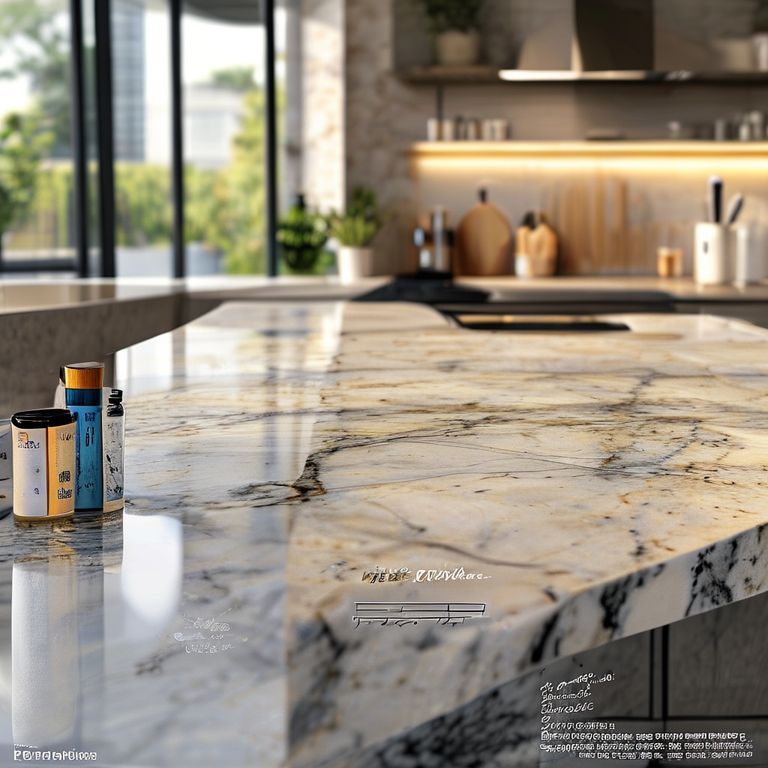
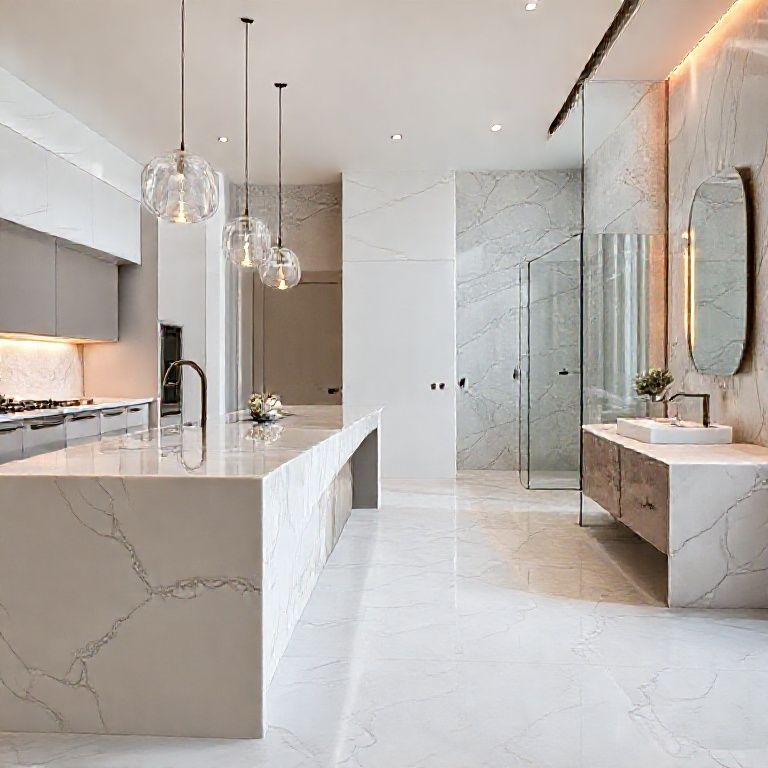
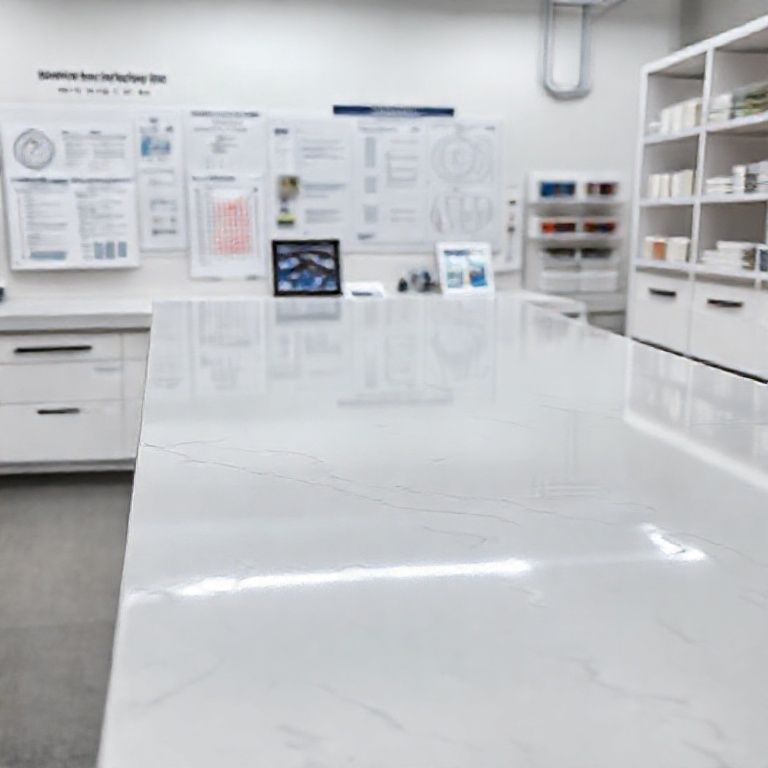
One of the primary reasons for the growing popularity of artificial marble is its unparalleled beauty. The intricate veining and coloring patterns of artificial marble can closely mimic those of natural marble, granite, and even quartz. This makes it an excellent choice for those who desire the luxury of natural stone without the price tag. The polished finish of artificial marble gives it a sleek, modern look that complements contemporary design trends.
Durability and Maintenance
Artificial marble is renowned for its durability. Unlike natural stone, which can be prone to staining, scratching, and chipping, artificial marble is highly resistant to these issues. It does not absorb liquids, making it incredibly easy to clean and maintain. This resistance to staining and chipping makes artificial marble an ideal choice for high-traffic areas like kitchens and bathrooms where spills and scratches are common.
Cost-Effectiveness
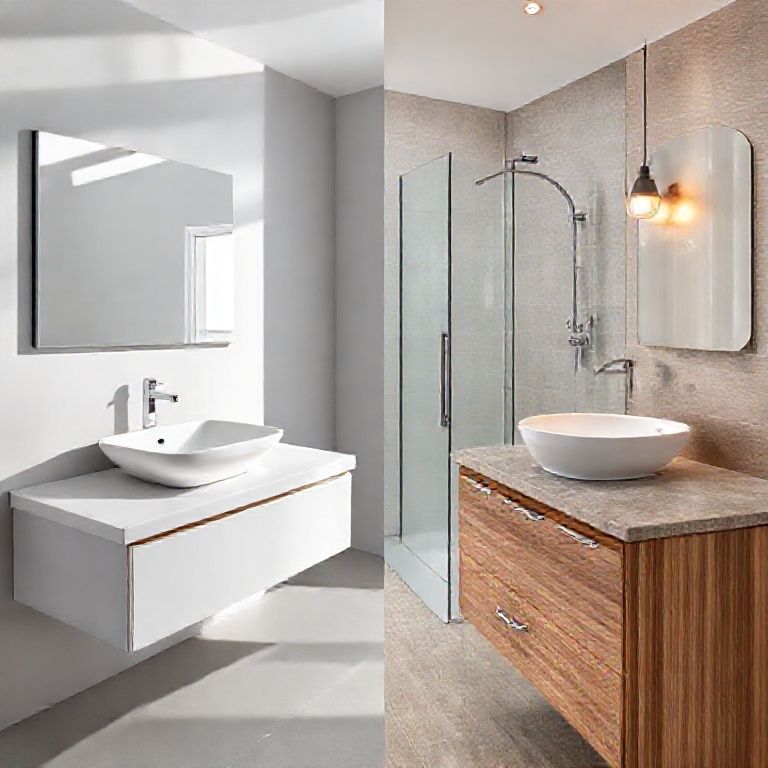
One of the most compelling reasons to choose artificial marble is its cost-effectiveness. While natural stone can be extremely expensive due to its rarity and the cost of extraction and transportation, artificial marble is much more affordable. The lower unit price of “人造大理石单价” makes it accessible to a broader range of consumers, allowing for more extensive use in various applications without breaking the bank.
Versatile Applications
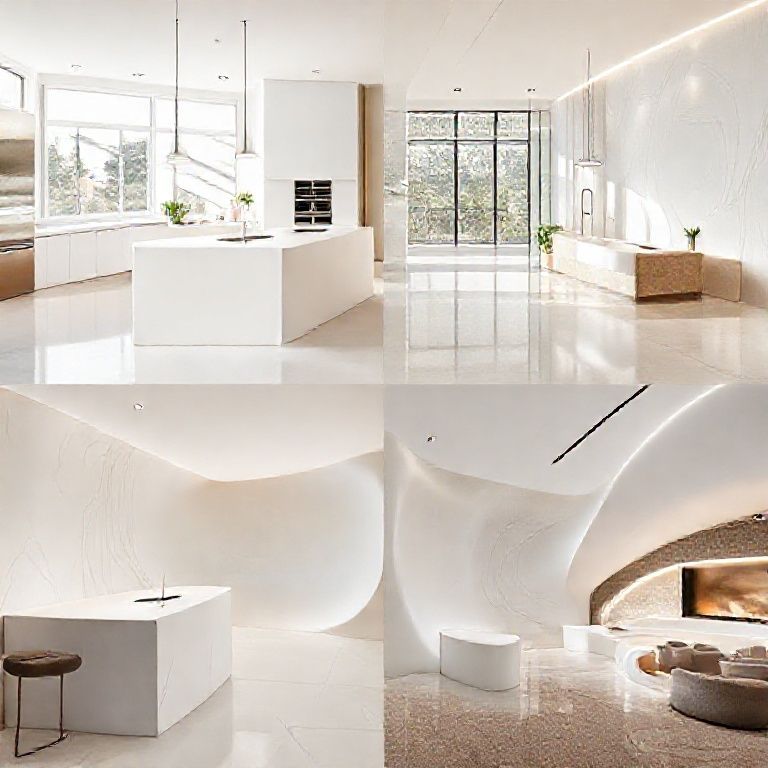
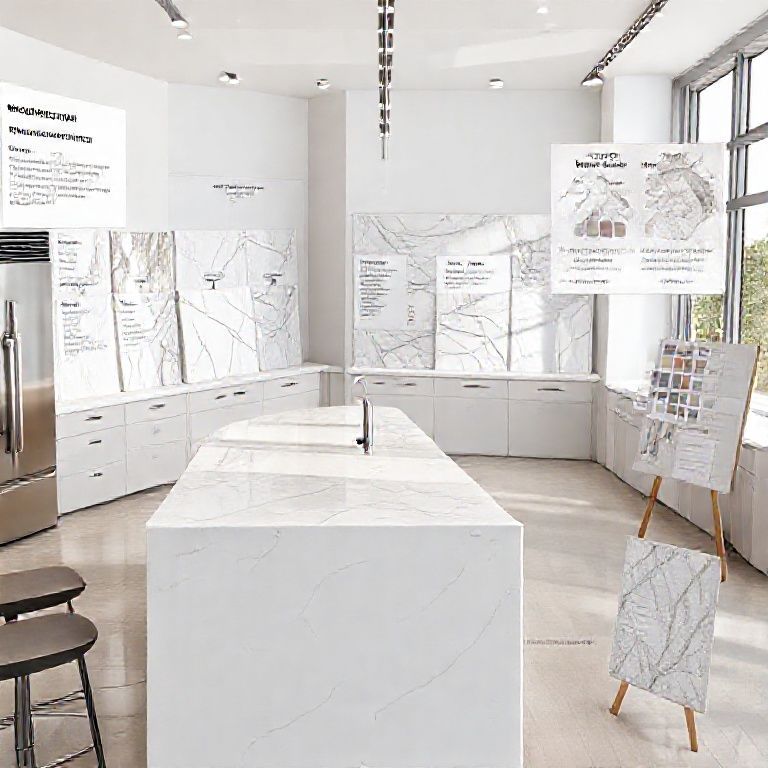
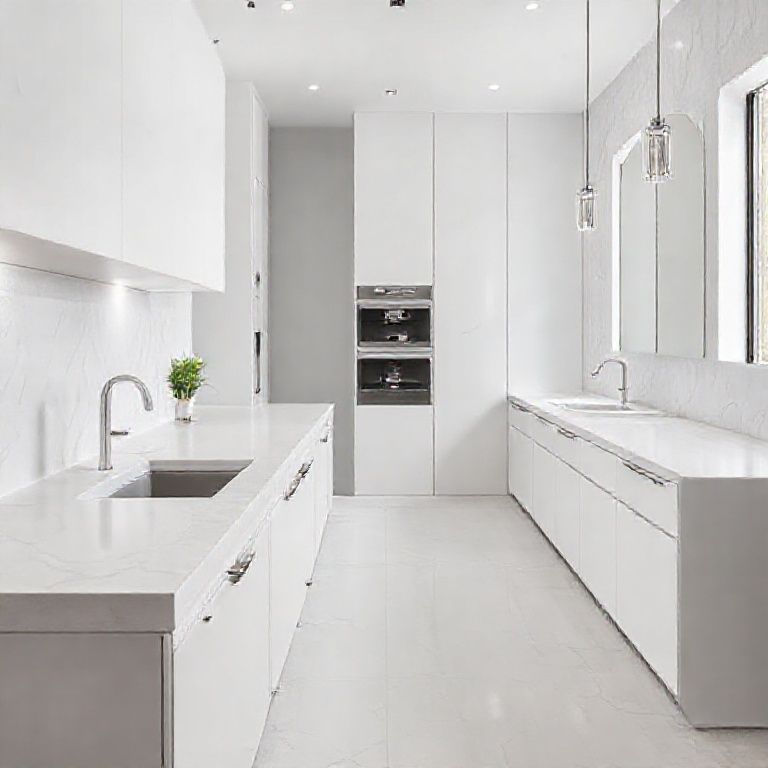
Artificial marble is incredibly versatile and can be used in numerous applications. It is commonly used for countertops, sinks, backsplashes, and tabletops in kitchens. In bathrooms, artificial marble is perfect for vanities, shower walls, and flooring. Its versatility extends to commercial settings as well, where it is used for reception desks, bar tops, and even flooring. The ability to mold artificial marble into various shapes and forms makes it a highly adaptable material for any design project.
Environmental Benefits
Another significant advantage of artificial marble is its environmental impact. The production of natural stone can be resource-intensive and harmful to the environment. In contrast, artificial marble is a more sustainable option. It can be produced with less waste and fewer emissions, contributing to a more eco-friendly construction process.
Installation and Versatility
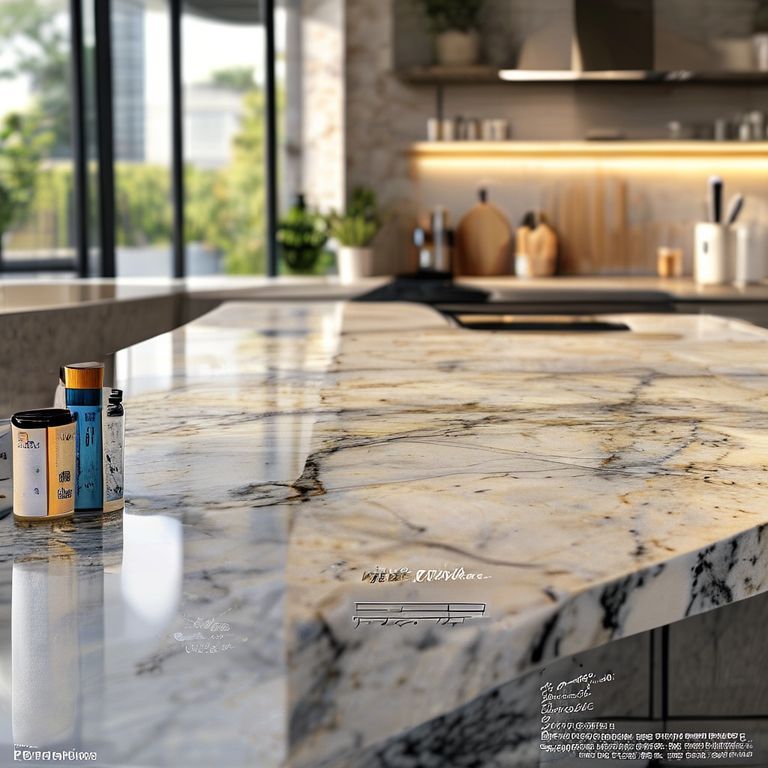
Installing artificial marble is relatively straightforward. It can be cut and shaped using standard tools, making it accessible for DIY enthusiasts or professional installers. Its lightweight nature also simplifies the installation process, reducing the need for heavy lifting and specialized equipment. Additionally, artificial marble can be easily repaired or replaced if damaged, offering a long-lasting solution that can withstand the test of time.
Conclusion
Artificial marble, or “人造大理石,” stands out as a superior choice for those seeking beauty, durability, and affordability in interior design. With its stunning aesthetic appeal, resistance to staining and scratching, and cost-effective pricing, it is no wonder that artificial marble is becoming the material of choice for modern homes and commercial spaces. The versatility and environmental benefits further enhance its appeal, making it a wise investment for anyone looking to enhance their space with a touch of luxury.
Exploring the Pricing and Long-Term Value of Artificial Marble
Artificial marble continues to captivate interior designers and homeowners alike with its remarkable combination of luxury and practicality. In this second part, we will delve deeper into the “人造大理石单价” (Artificial Marble Unit Price) and explore how this cost-effective material delivers long-term value and benefits.
Factors Influencing Artificial Marble Pricing
The price of artificial marble can vary based on several factors, including the complexity of the design, the type of resin used, and the level of detail in the finish. Here are some key elements that influence the “人造大理石单价”:
1. Material Composition
The quality of the resin and the type of natural minerals used in the artificial marble significantly affect its price. High-quality resins and a blend of premium minerals result in a more durable and aesthetically pleasing product, thus commanding a higher price.
2. Design Complexity
Artificial marble can be molded into intricate patterns and shapes, but more complex designs will generally cost more. Designs with detailed veining, unique patterns, and custom shapes will require more time and expertise to create, leading to higher unit prices.
3. Finish and Polishing
The finish of artificial marble plays a crucial role in its appearance and value. A high-gloss, polished finish is more expensive than a matte or satin finish. Additionally, the number of polishing passes and the quality of the final polish can influence the cost.
4. Quantity Ordered
Bulk orders often receive discounts, which can lower the “人造大理石单价.” Purchasing larger quantities can help spread the cost over more square footage, making it a more economical choice for extensive projects.
Comparing Artificial Marble to Natural Stone
When considering the “人造大理石单价,” it’s essential to compare it with natural stone prices. Natural stone, such as marble, granite, and quartzite, often comes with a hefty price tag due to its rarity and the cost of extraction, transportation, and installation.
Marble
Marble is prized for its beauty but is also one of the most expensive natural stones. The cost of marble can vary widely based on the type and quality of the marble, with some pieces costing several thousand dollars per square foot. The maintenance requirements and potential for staining further add to the overall cost.
Granite
Granite is known for its durability and strength but also commands a high price. Prices for granite can range from $40 to $100 per square foot, depending on the type and finish. Like marble, granite requires regular sealing and maintenance to prevent staining and wear.
Quartz
Quartz is often considered a middle ground between natural stone and artificial marble. While it is more affordable than marble and granite, quartz still requires sealing and maintenance to maintain its appearance. Prices for quartz typically range from $20 to $50 per square foot.
Artificial Marble vs. Natural Stone
When comparing artificial marble to natural stone, the “人造大理石单价” is often significantly lower. Artificial marble offers a luxurious appearance at a fraction of the cost of natural stone. For example, a high-quality artificial marble countertop can be priced as low as $15 to $30 per square foot, making it an incredibly cost-effective choice.
Long-Term Value and Benefits
While the initial cost of artificial marble may be lower than natural stone, the long-term benefits and value it offers make it an excellent investment. Here are some reasons why artificial marble provides excellent long-term value:
1. Durability
Artificial marble is highly resistant to stains, scratches, and chips. This durability means that it will retain its appearance and functionality for many years without the need for frequent repairs or replacements. In contrast, natural stone often requires regular sealing and maintenance to prevent damage.
2. Low Maintenance
One of the most significant advantages of artificial marble is its low maintenance requirements. Unlike natural stone, which needs regular sealing and cleaning to prevent staining and wear, artificial marble can be easily wiped clean with a damp cloth. This simplicity in maintenance saves time and money in the long run.
3. Aesthetic Versatility
Artificial marble’s ability to mimic the look of natural stone while offering a wider range of colors and patterns makes it highly versatile. It can be customized to fit any design vision, whether you’re looking for a classic marble look or a more contemporary aesthetic. This versatility ensures that artificial marble can adapt to changing design trends without the need for costly renovations.
4. Cost Savings
While the initial “人造大理石单价” may be lower than natural stone, the overall cost savings over time make artificial marble a more economical choice. The durability and low maintenance of artificial marble mean that you won’t need to spend money on frequent repairs, replacements, or maintenance treatments.
5. Environmental Impact
Artificial marble is a more sustainable option compared to natural stone. Its production generates less waste and fewer emissions, contributing to a more eco-friendly construction process. By choosing artificial marble, you can make a conscious decision to support environmentally responsible practices.
Conclusion
设计与个性化
由于人造大理石可以通过复杂的制作工艺来实现多种多样的颜色和图案,设计师和家庭主人可以根据自己的喜好和需求定制独特的设计。无论是现代简约风格还是复古经典风格,人造大理石都能满足多样化的设计需求。
应用场景
1. 厨房台面
厨房台面是人造大理石的主要应用之一。它的耐污性和耐热性使其成为厨房台面的理想选择。人造大理石台面不仅美观,而且易于清洁,适合各种厨房设计风格。
2. 浴室
在浴室中,人造大理石常用于洗手盆台面、淋浴区墙面和地板。它的耐水性和防霉性使其成为浴室的理想材料。人造大理石还可以通过多种颜色和纹理来实现多样化的设计,满足不同风格的需求。
3. 客厅和会议室
在客厅和会议室中,人造大理石常用于制造茶几、展示柜、书桌和会议桌等家具和装饰品。其美观的外观和高雅的质感可以提升空间的整体档次。
4. 餐厅和酒店
在餐厅和酒店中,人造大理石常用于餐桌、酒吧台面和装饰墙面。其耐污、耐用和易清洁的特点使其成为这些高频使用区域的理想选择。
5. 商业展示
在商业展示和展览中,人造大理石常用于展示台、产品展示柜和展览墙面。其精美的外观和可定制的特点使其成为展示高端产品和品牌的理想材料。
安装与维护
1. 安装
安装人造大理石的过程相对简单,只需要基本的切割和固定工具。由于其轻便,安装过程中不需要使用复杂的机械设备。专业的安装人员可以在短时间内完成安装,确保人造大理石的美观和稳固。
2. 维护
人造大理石的维护非常简单。只需用湿布轻轻擦拭即可清洁,不需要使用腐蚀性的清洁剂。对于一些顽固污渍,可以使用温和的清洁剂轻轻擦拭。定期保养可以延长人造大理石的使用寿命,保持其美观和功能。
环保与可持续性
人造大理石的生产过程相对环保,相比于开采和加工天然石材的过程,它对环境的影响更小。人造大理石可以通过回收和再利用来减少废弃物,这有助于实现可持续发展目标。
结论
人造大理石(Artificial Marble)作为一种现代化的建材,以其美观、耐用、易于维护和环保等特点,在多个领域中得到了广泛应用。其灵活的设计和多样化的应用场景使其成为现代家庭和商业空间中的理想选择。通过了解其价格和优点,我们可以更好地利用这一材料来提升空间的美感和功能。