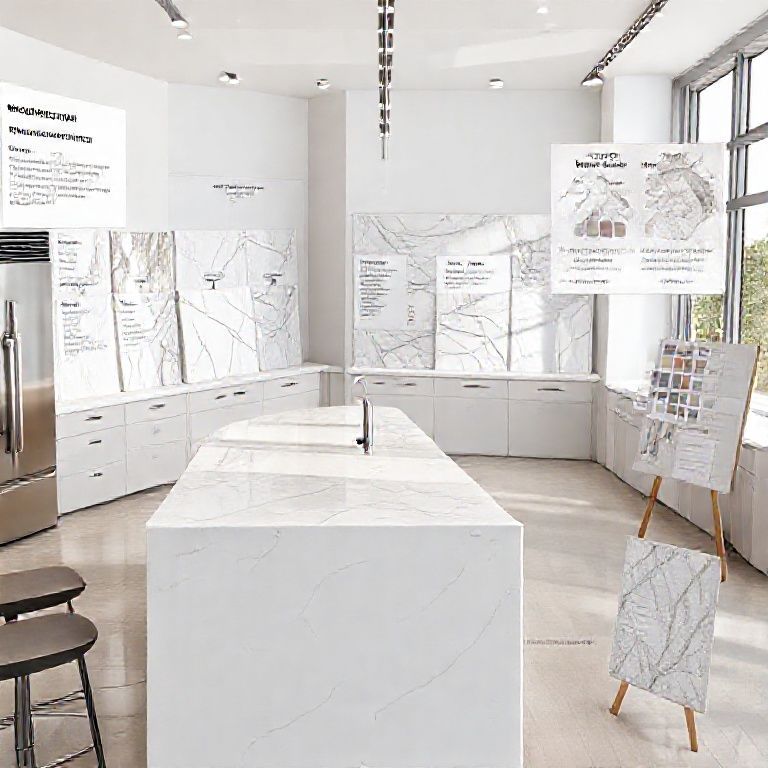
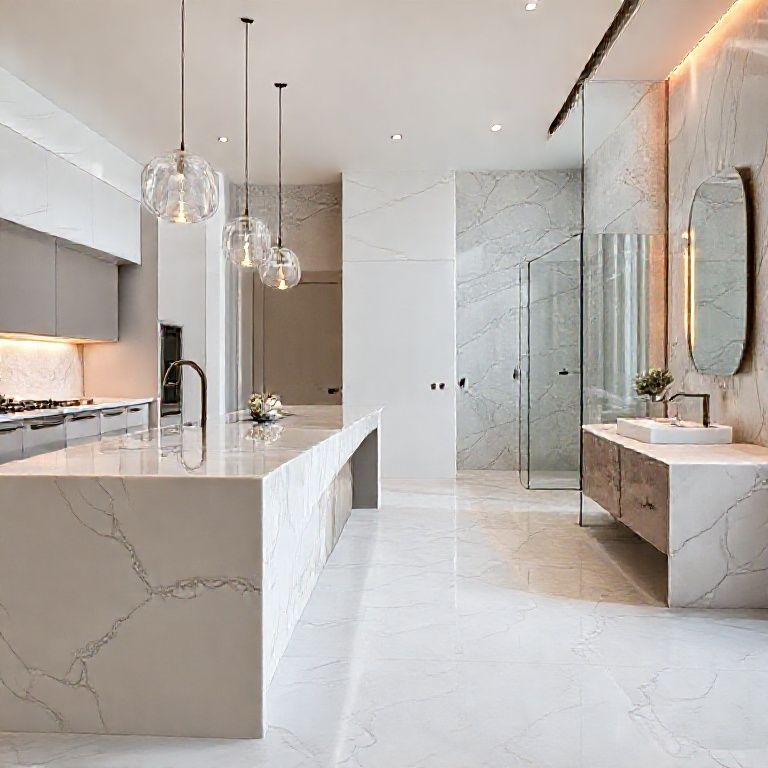
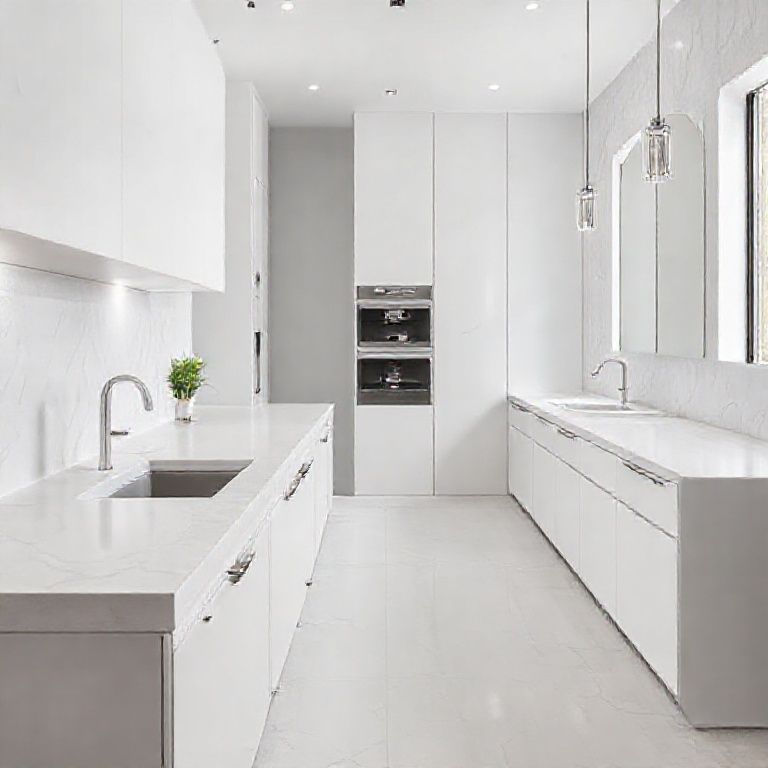
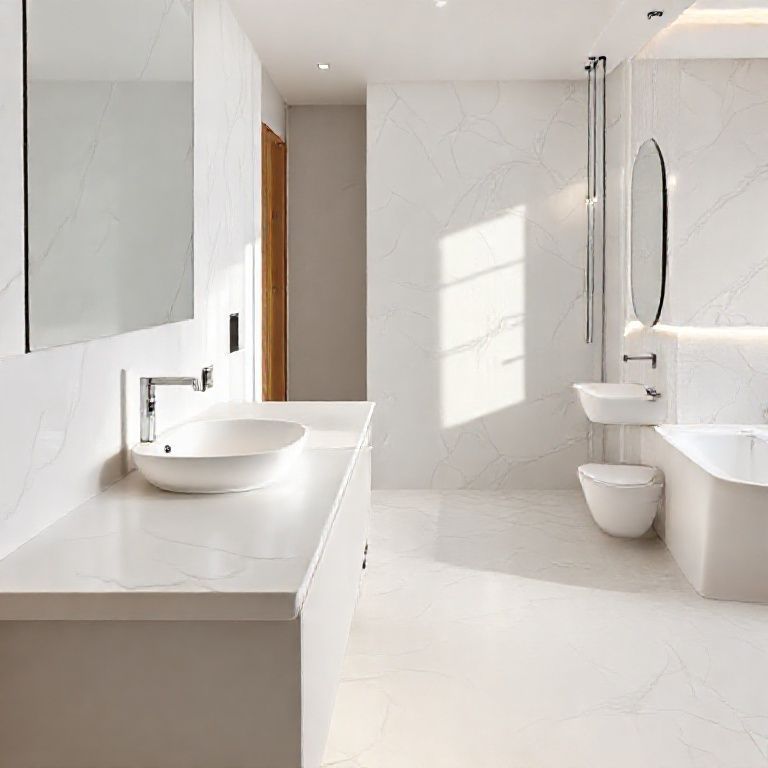
Dive into the fascinating world of engineered marble, also known as artificial or synthetic marble. Discover its unique characteristics, benefits, and applications that make it a preferred choice in modern interior design. This comprehensive article will guide you through the intricacies of engineered marble in two engaging parts.
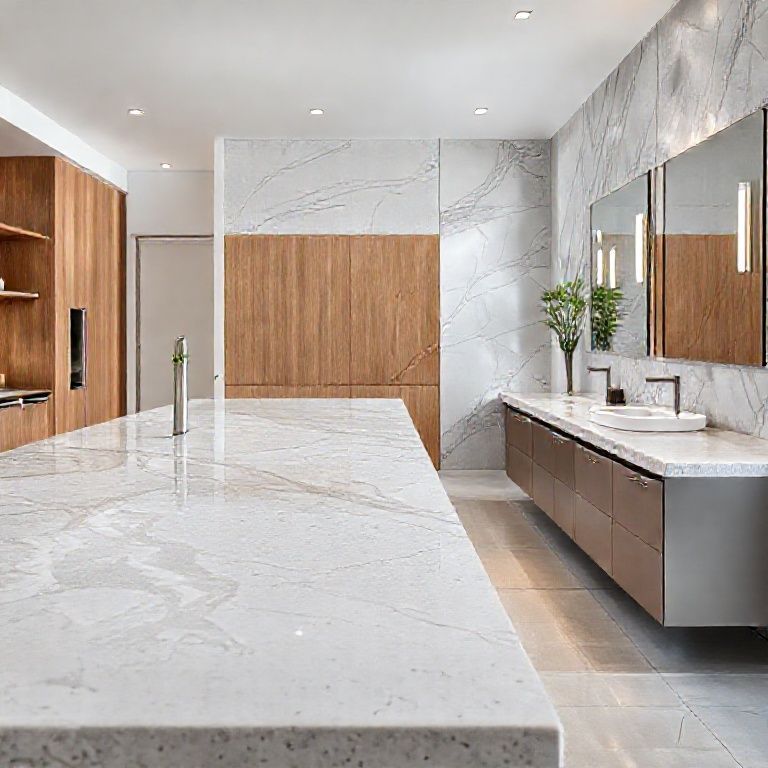
The Essence and Advantages of Engineered Marble
Introduction
Engineered marble, often known as artificial or synthetic marble, is a revolutionary material that has taken the world of interior design by storm. This material combines the elegance of natural stone with the practicality of modern manufacturing processes, offering a luxurious yet affordable alternative. In this first part, we will explore what engineered marble is, its production process, and the myriad advantages it brings to the table.
What is Engineered Marble?
Engineered marble is a composite material that is manufactured by combining high-pressure resin with marble dust. This process results in a material that possesses the aesthetic qualities of natural marble while being more durable and versatile. Unlike traditional marble, engineered marble is created in a lab setting, allowing for precise control over its composition and properties.
The Production Process
The production of engineered marble begins with the careful selection of high-quality marble dust, which is sourced from natural marble quarries. This marble dust is then mixed with a high-pressure resin and subjected to intense heat and pressure in a manufacturing process. The result is a composite material that mimics the look and feel of natural marble but is far more consistent and reliable.
Advantages of Engineered Marble
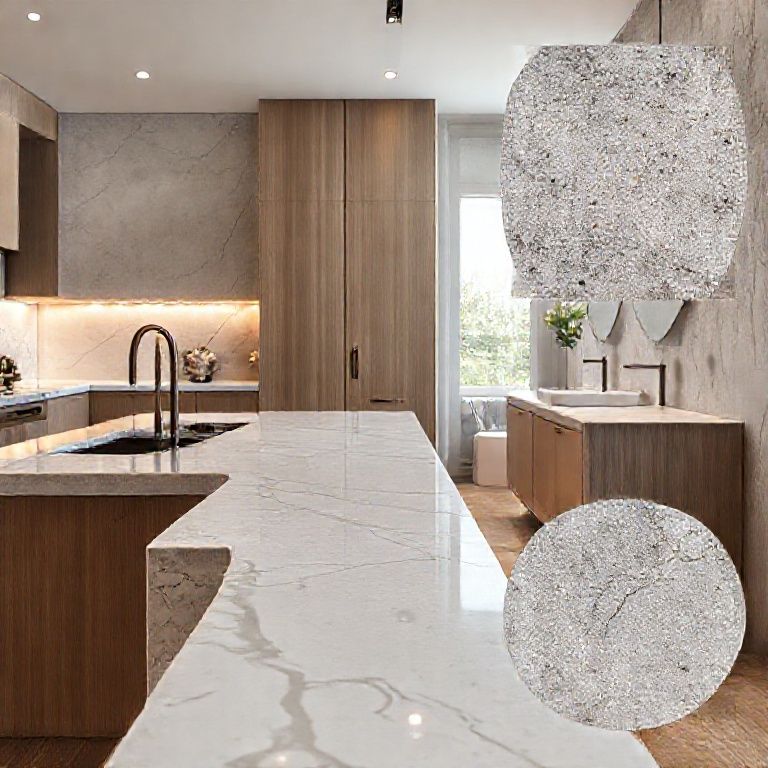
Durability and Strength Engineered marble is significantly more durable than natural stone. It is non-porous, which means it does not absorb stains, making it easier to clean and maintain. The high-pressure resin used in its creation adds to its strength, allowing it to withstand heavy use and impact without showing signs of wear.
Aesthetic Appeal One of the most significant advantages of engineered marble is its aesthetic appeal. It offers a wide range of colors and finishes, allowing designers to create custom designs that match any interior decor. The consistent quality ensures that each piece looks identical, which is perfect for large-scale projects where uniformity is crucial.
Cost-Effectiveness While engineered marble may have a higher upfront cost compared to some other materials, it is often more cost-effective in the long run. Its durability means it requires less frequent replacement, and its ease of maintenance reduces cleaning and upkeep costs.
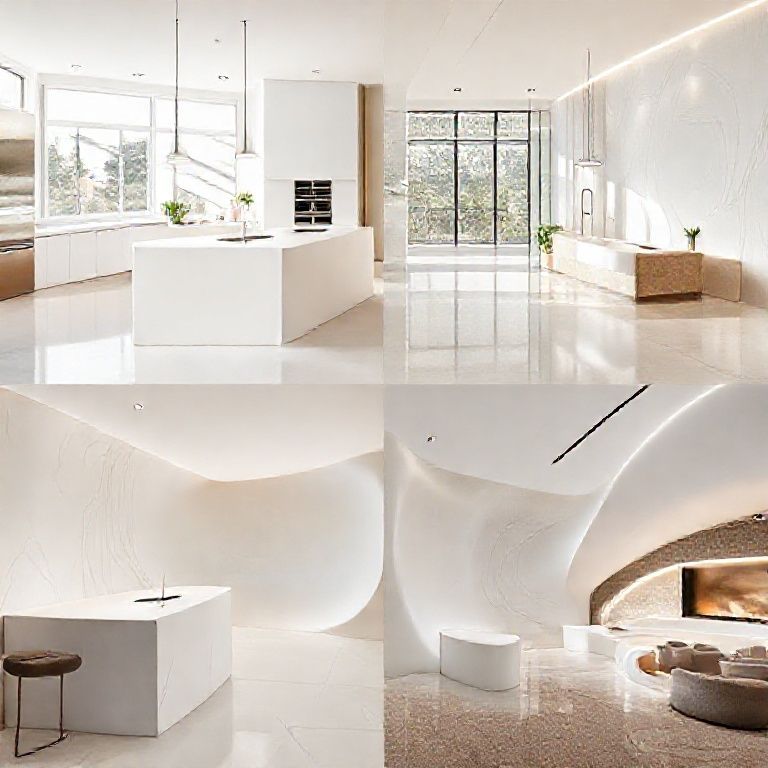
Versatility Engineered marble can be used in various applications beyond countertops. It is an excellent choice for tabletops, decorative elements, tiles, and even architectural features. Its versatility makes it a popular choice for both residential and commercial projects.
Environmentally Friendly Unlike natural stone, engineered marble does not require mining, which reduces environmental impact. It also offers a sustainable alternative to other synthetic materials since it uses recyclable components and does not generate hazardous waste during its production.
Applications in Interior Design
Engineered marble is widely used in modern interior design for its beauty and practicality. Here are some of the most common applications:
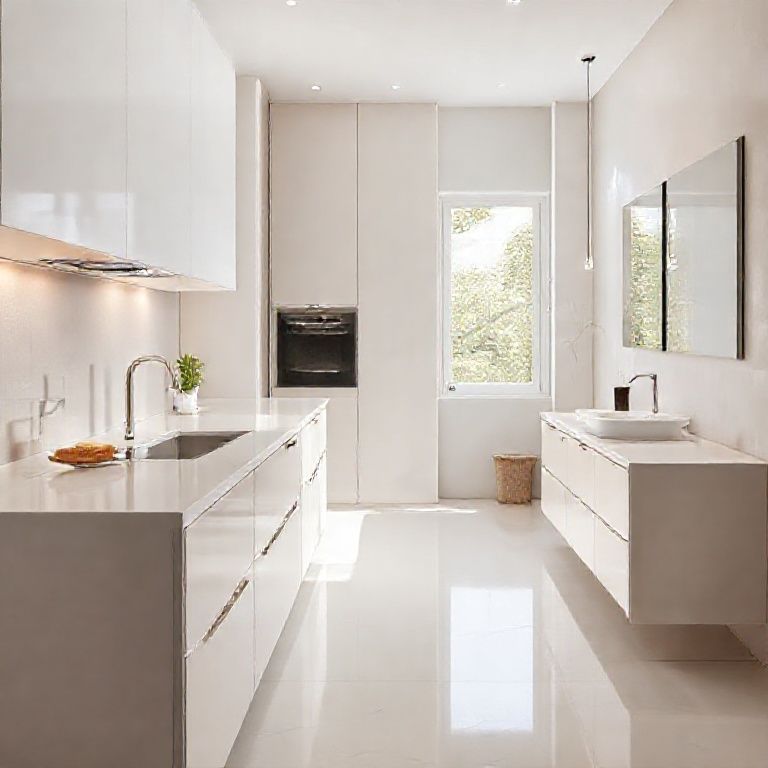
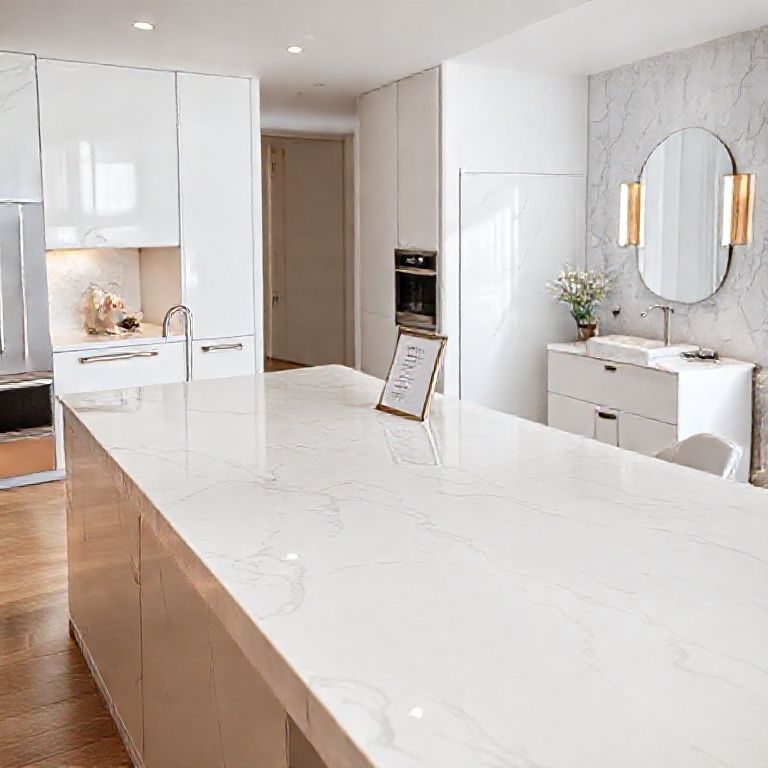
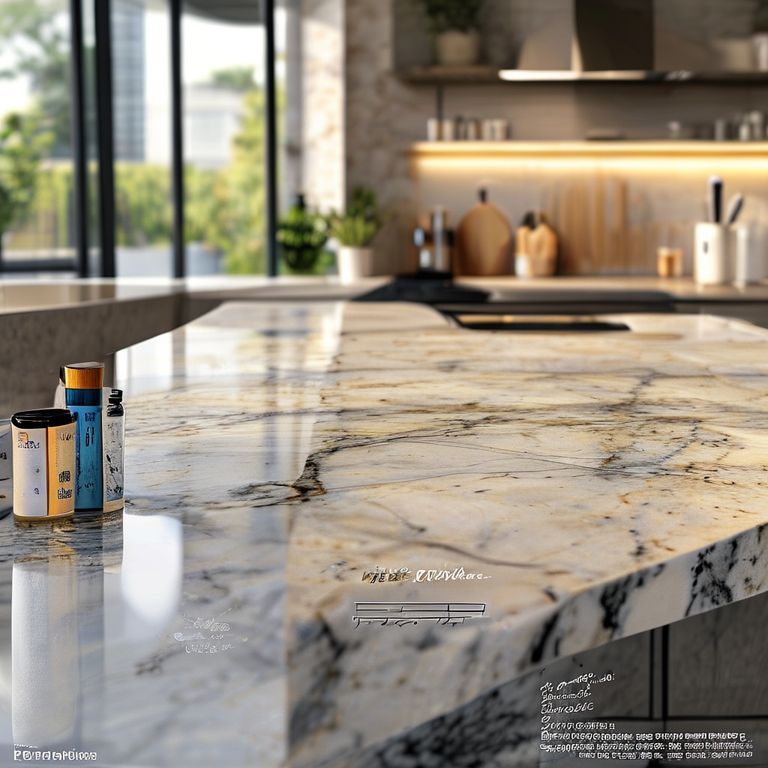
Countertops: Engineered marble countertops are a popular choice for kitchens and bathrooms due to their durability and aesthetic appeal. Tabletops: From dining tables to coffee tables, engineered marble tabletops provide a luxurious look that is easy to maintain. Backsplashes: Its sleek, polished finish makes engineered marble an excellent choice for kitchen backsplashes. Wall Cladding: Used in wall cladding, engineered marble adds a touch of elegance to interior walls, blending seamlessly with other design elements. Flooring: While less common, engineered marble can be used for flooring in high-traffic areas where durability is key.
Conclusion
Engineered marble is a game-changer in the world of interior design. Its combination of durability, aesthetic appeal, and cost-effectiveness makes it a preferred choice for many designers and homeowners. In the next part of this article, we will delve deeper into the specific benefits and use cases of engineered marble, highlighting its role in creating beautiful, long-lasting spaces.
The Future of Engineered Marble in Modern Interior Design
Introduction
In the second part of our exploration into engineered marble, we will examine its specific benefits, unique characteristics, and how it continues to shape modern interior design trends. This material not only brings a touch of luxury to contemporary spaces but also offers practical solutions for a variety of design challenges.
Specific Benefits of Engineered Marble
Consistency and Precision One of the standout features of engineered marble is its consistency. Each piece is meticulously crafted to ensure uniformity in color, texture, and finish. This precision allows designers to create cohesive and harmonious interiors without worrying about color discrepancies.
Customization Engineered marble can be tailored to meet specific design requirements. Whether you need a particular color, pattern, or finish, it can be created to match your vision. This flexibility makes it an ideal choice for bespoke projects where custom designs are essential.
Low Maintenance Unlike natural stone, engineered marble does not require sealing or regular maintenance. Its non-porous nature means it does not absorb liquids or stains, making it ideal for high-traffic areas such as kitchens and bathrooms. Cleaning engineered marble is as simple as wiping it down with a damp cloth and a mild detergent.
Environmental Sustainability The production of engineered marble is more environmentally friendly than mining natural stone. It does not require the extraction of raw materials, which reduces the environmental impact associated with quarrying. Additionally, the use of recycled resin in its production helps to minimize waste.
Cost Savings Over Time While engineered marble may have a higher initial cost, its durability and low maintenance translate to significant cost savings over time. The longevity of engineered marble means it does not need to be replaced as frequently as other materials, reducing both the financial and environmental burden of disposal.
Unique Characteristics of Engineered Marble
Hardness and Strength Engineered marble is known for its exceptional hardness and strength. The high-pressure resin used in its creation enhances its resistance to scratches, chips, and impact. This makes it an ideal choice for areas where durability is paramount.
Non-Porous Surface The non-porous nature of engineered marble is one of its most significant advantages. It prevents stains and liquids from penetrating the surface, which makes it easier to clean and maintain. This characteristic is particularly beneficial in high-moisture environments like kitchens and bathrooms.
Thermal Resistance Engineered marble can withstand high temperatures without warping or cracking. This makes it suitable for use in areas where heat is a concern, such as near stoves or ovens.
Modern Interior Design Trends
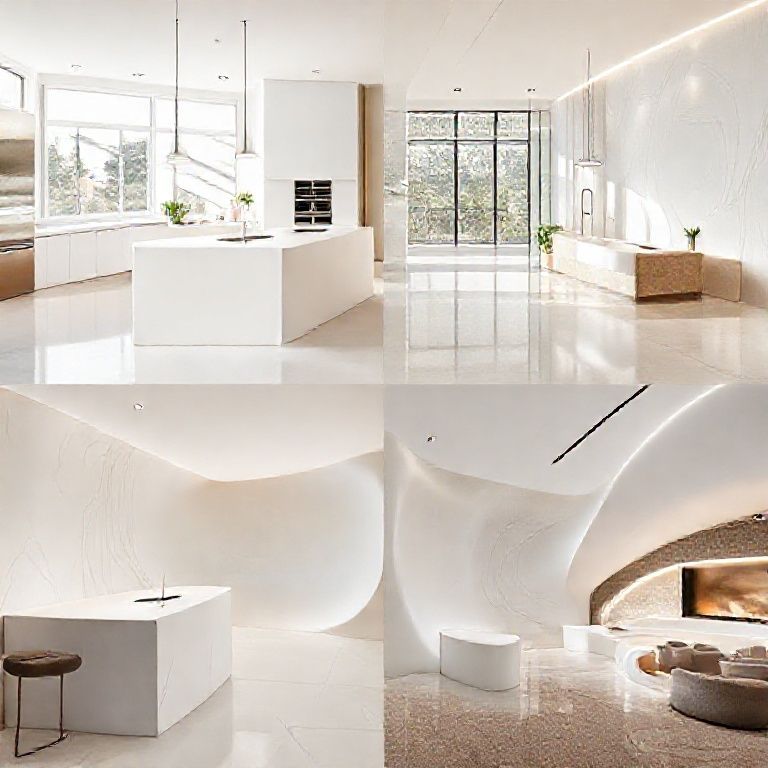
Minimalism The sleek, polished finish of engineered marble aligns perfectly with minimalist design trends. Its clean lines and uniform appearance make it an excellent choice for modern, uncluttered spaces.
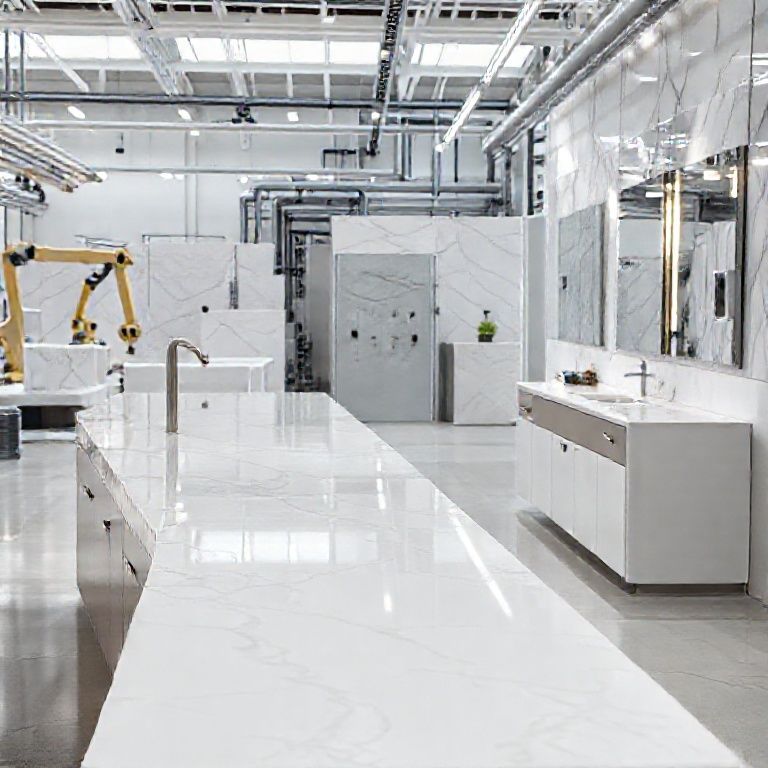
Industrial Design The durability and strength of engineered marble make it a popular choice in industrial design settings. Its tough, yet elegant appearance complements the raw, unrefined aesthetic of industrial spaces.
Luxury and Opulence Despite its practicality, engineered marble retains a luxurious appeal that is perfect for high-end interior designs. Its ability to mimic the look of natural marble without the high cost makes it an attractive option for creating opulent spaces.
Sustainable Design As sustainability becomes a more significant concern, engineered marble’s eco-friendly production process and long-lasting nature make it an excellent choice for environmentally conscious designs.
Customization and Innovation The ability to customize engineered marble to specific design requirements has opened up new possibilities for innovative designs. From unique patterns to bespoke colors, it allows designers to push the boundaries of creativity.
Future Prospects of Engineered Marble
As technology advances, the future of engineered marble looks promising. Innovations in manufacturing processes are likely to enhance its properties further, making it even more durable and versatile. The continued focus on sustainability will likely lead to even more eco-friendly production methods, further reducing its environmental impact.
Designers will continue to explore new ways to incorporate engineered marble into their projects, driven by its unique characteristics and benefits. Its ability to seamlessly blend with various design styles and its cost-effectiveness will ensure its place in the future of interior design.
Conclusion
Engineered marble is more than just a material; it is a versatile, durable, and sustainable solution that offers endless possibilities for modern interior design. Its unique characteristics and benefits make it an excellent choice for a wide range of applications, from countertops to flooring. As we look to the future, engineered marble will undoubtedly continue to shape and inspire innovative design trends. Whether you are a homeowner, designer, or simply an admirer of beautiful interiors, understanding the advantages of engineered marble can help you make informed decisions that enhance your living spaces.
By exploring the world of engineered marble in these two parts, we hope to have provided you with a comprehensive understanding of this remarkable material and its role in modern interior design.