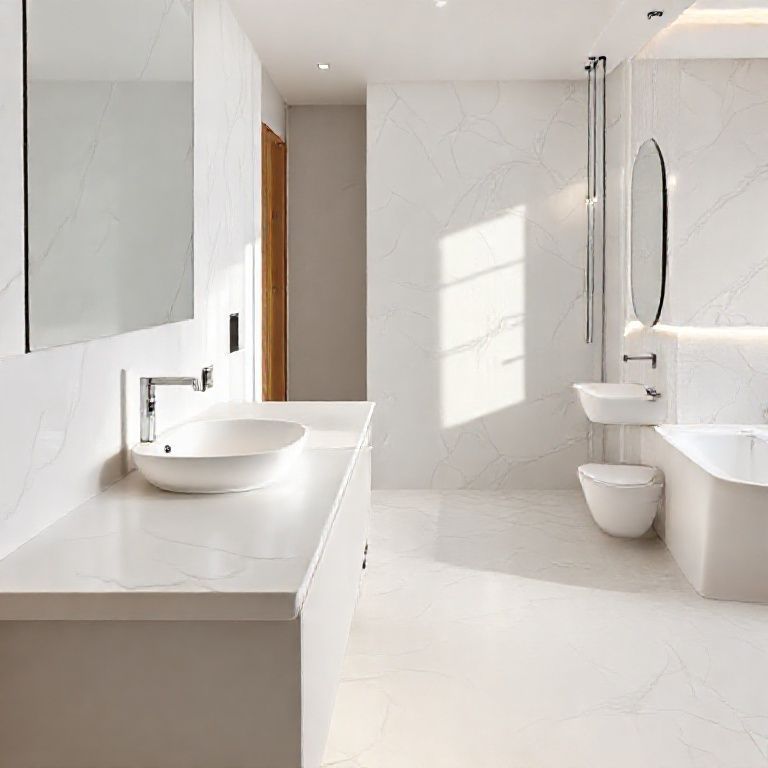
Introduction to Engineered Marble: An Elegant Choice
In the world of interior design and home renovation, the allure of natural stone often dominates the conversation. However, one material that has been steadily rising in popularity is engineered marble. Known for its luxurious aesthetic and versatility, engineered marble, or artificial marble, offers an exquisite alternative to traditional natural stone. This article delves into what engineered marble is, its aesthetic appeal, and the practical benefits it brings to modern-day interiors.
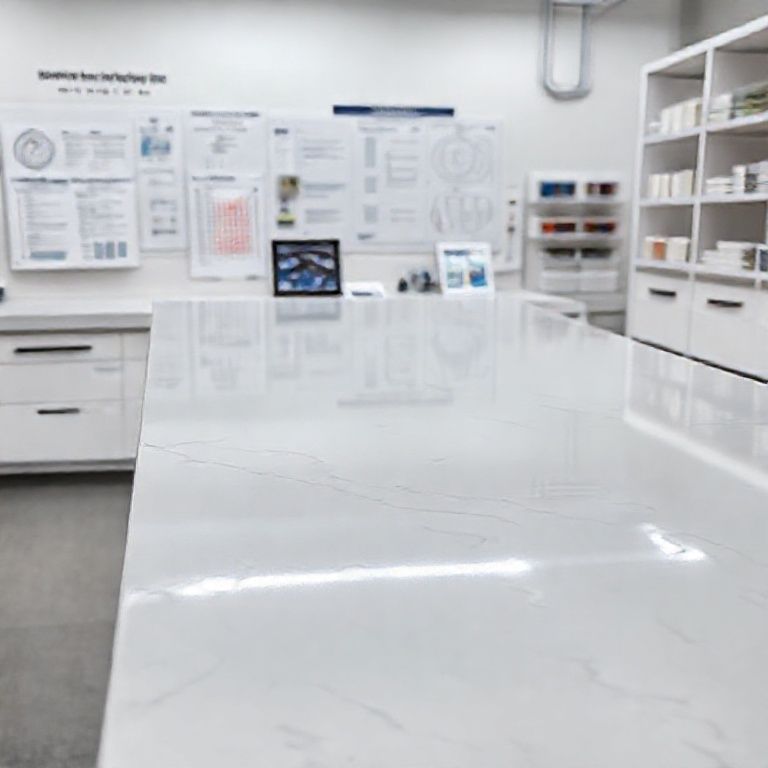
What is Engineered Marble?
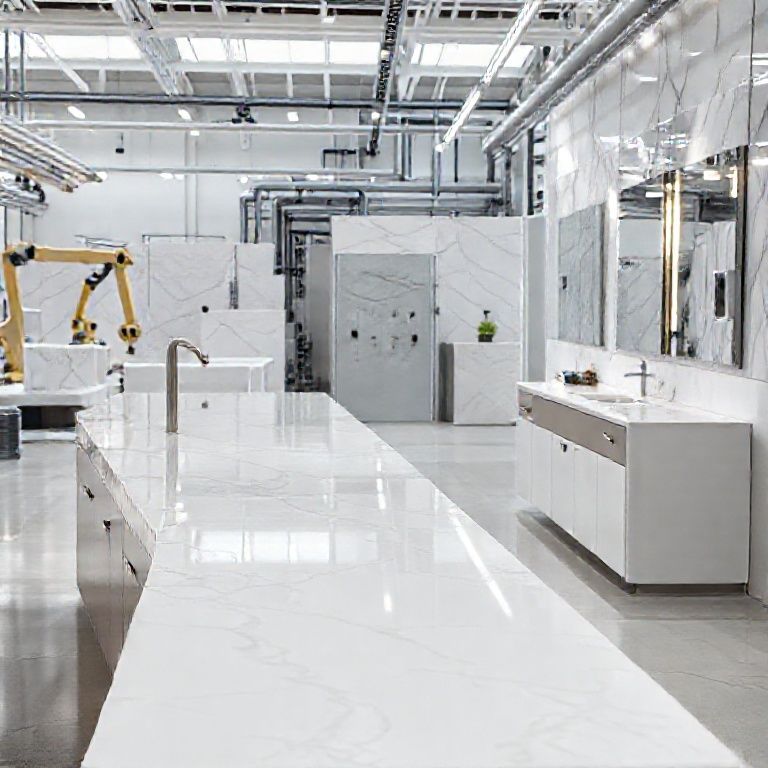
Engineered marble is a composite material made from a combination of natural marble dust, resin, and other additives. Unlike natural marble, which is quarried and cut directly from a stone deposit, engineered marble is manufactured in a factory. This process allows for precise control over the composition and properties of the material, resulting in a product that can mimic the look of natural marble while offering enhanced durability and design flexibility.
The Aesthetic Appeal of Engineered Marble
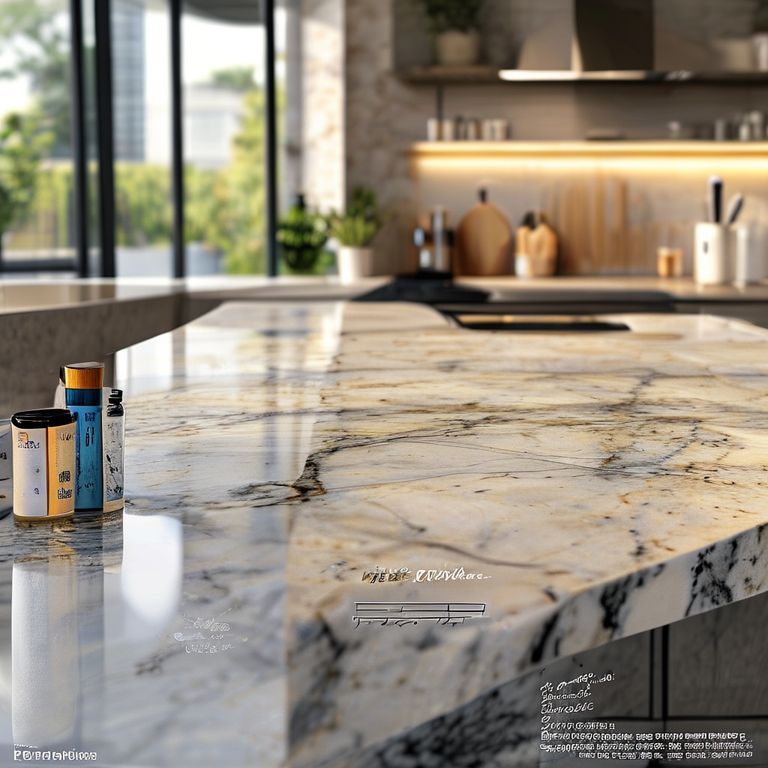
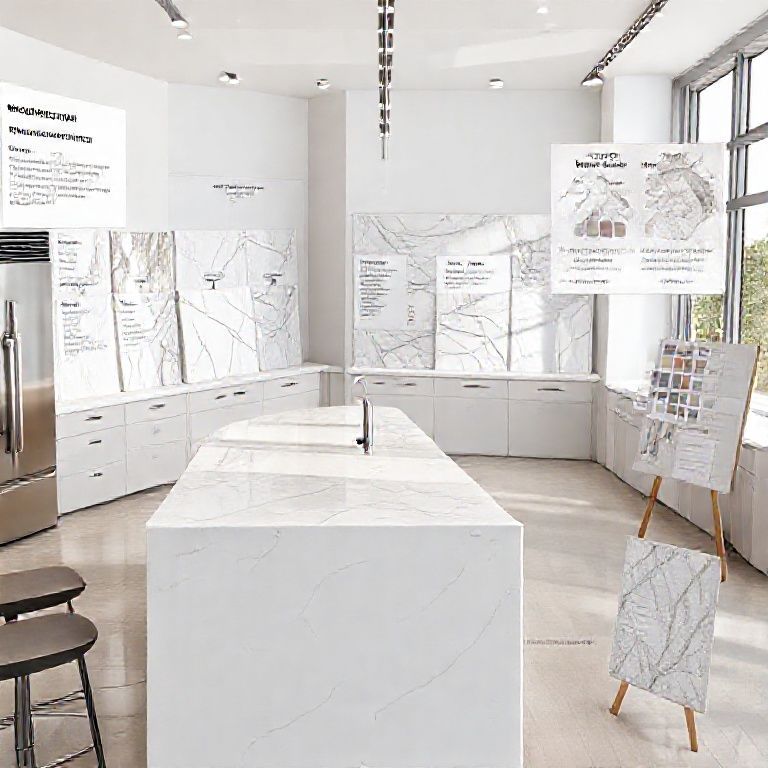
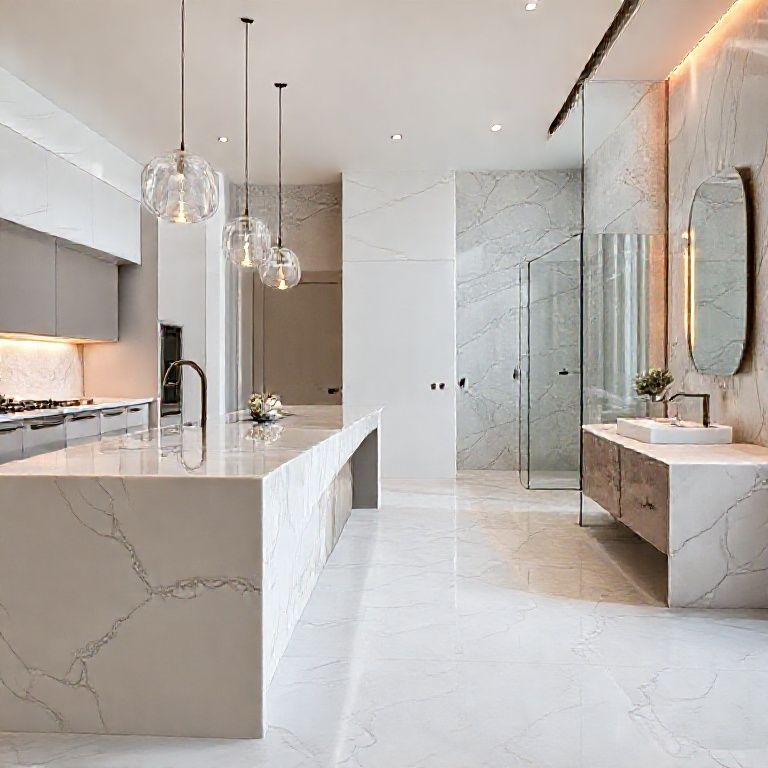
The primary appeal of engineered marble lies in its stunning visual appeal. The material is renowned for its intricate patterns and vibrant colors, which can closely resemble the beauty of natural marble. High-quality engineered marble can capture the delicate veining and unique characteristics of various natural marble types, offering a near-perfect imitation. The aesthetic versatility of engineered marble makes it an excellent choice for countertops, sinks, backsplashes, and even decorative elements like tiles and veneers.
Engineered marble also boasts a consistent appearance, free from the natural irregularities that can occur in natural stone. This uniformity ensures a flawless finish, ideal for high-end interior design and custom projects.
Durability and Practical Benefits
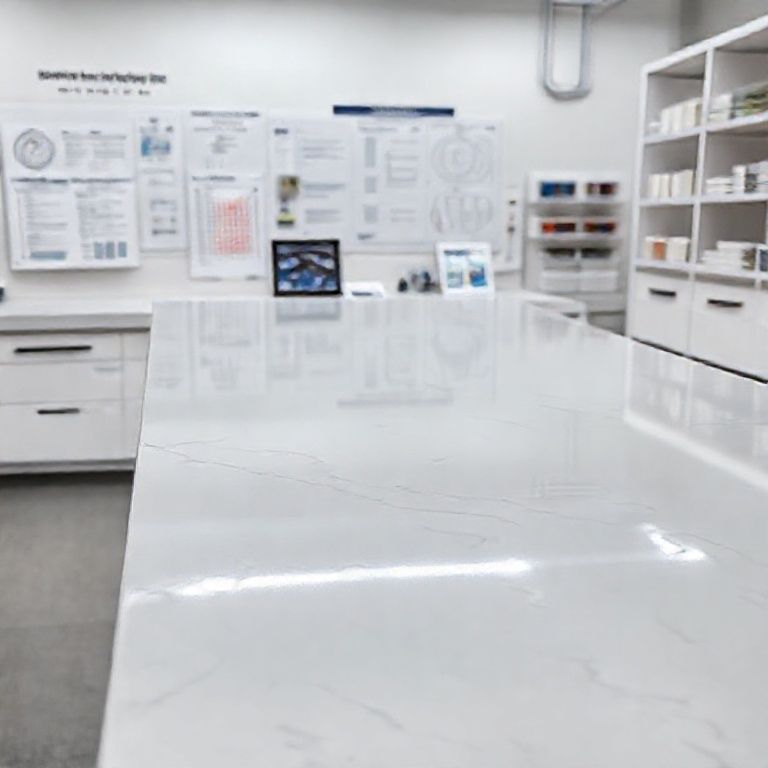
One of the standout advantages of engineered marble is its durability. While natural marble is a beautiful and timeless material, it can be prone to scratches, stains, and even chipping under heavy use. In contrast, engineered marble is designed to be more resilient. The resin binding in the material provides a tough, scratch-resistant surface that can withstand daily wear and tear.
Moreover, engineered marble is more resistant to thermal damage compared to natural stone. This means that hot pots and pans won’t cause sudden cracks or damage to the surface, which is a common concern with natural marble. Additionally, its non-porous nature makes engineered marble easier to clean and maintain, reducing the need for frequent and intensive cleaning routines.
Installation and Design Flexibility
When it comes to installation, engineered marble offers significant advantages over natural stone. Because it is manufactured in a factory, engineered marble slabs can be cut to exact dimensions, making them easier to fit into various spaces without the need for extensive on-site adjustments. This precision can save time and labor costs during renovation projects.
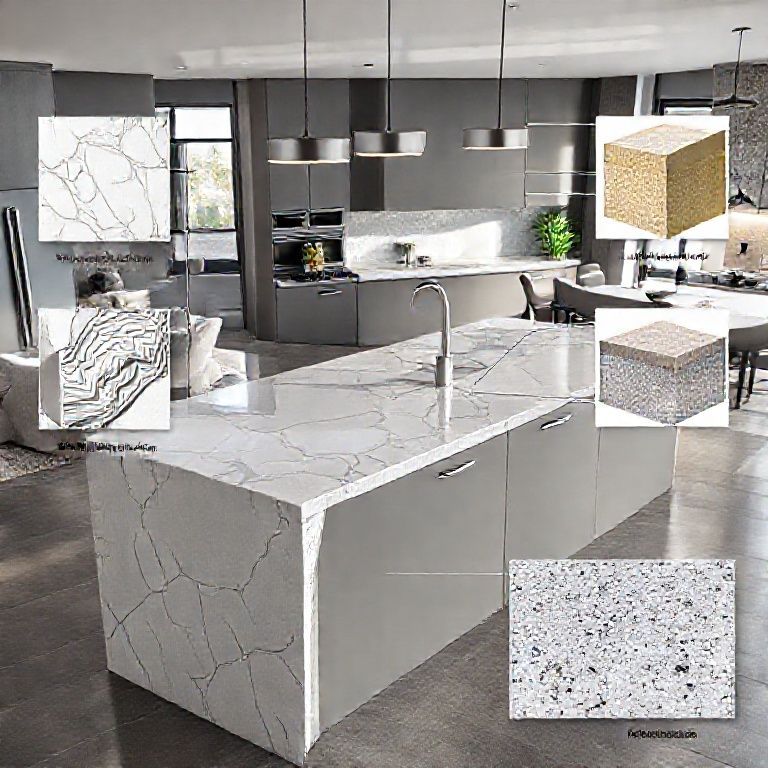
The design flexibility of engineered marble is another major benefit. It can be engineered to meet specific design requirements, allowing architects and designers to create unique and customized surfaces that would be challenging to achieve with natural stone. Whether you want a subtle, understated look or an extravagant, bold design, engineered marble can be tailored to suit your vision.
Conclusion: Why Choose Engineered Marble?
Engineered marble represents a remarkable fusion of aesthetics and practicality. Its ability to mimic the beauty of natural marble while offering enhanced durability, ease of maintenance, and design flexibility makes it an attractive option for a wide range of interior design projects. Whether you are renovating a kitchen, bathroom, or any other space, engineered marble can provide a luxurious and long-lasting solution that meets both your aesthetic and functional needs.
Stay tuned for the second part of this article, where we will explore the various applications of engineered marble in more detail and discuss how to choose the right engineered marble for your project.
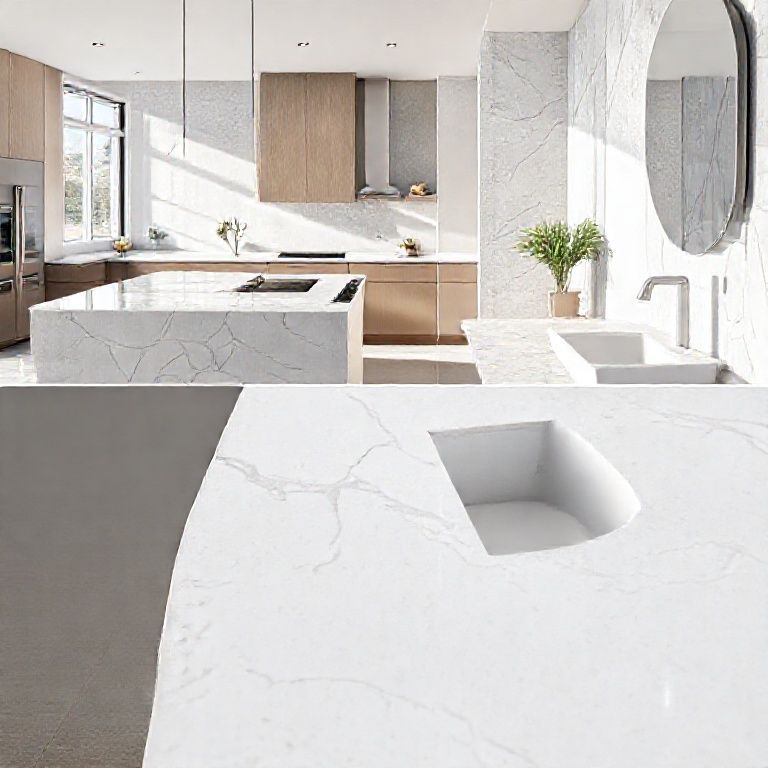
Exploring Applications and Choosing the Right Engineered Marble
Having discussed the aesthetic and practical benefits of engineered marble in the first part, we now delve deeper into its diverse applications and provide guidance on selecting the perfect engineered marble for your next renovation project.
Applications of Engineered Marble
1. Kitchen Countertops:
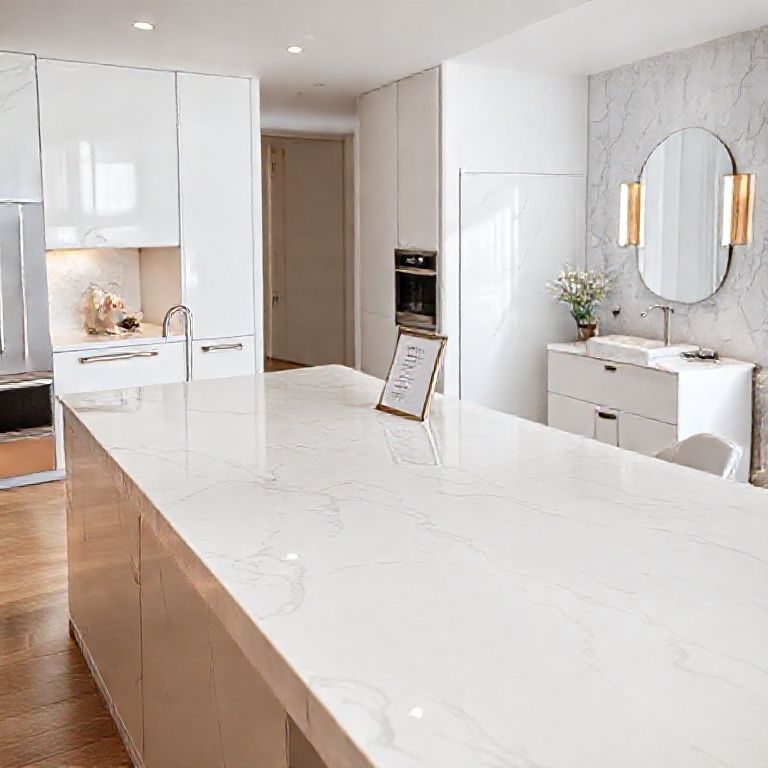
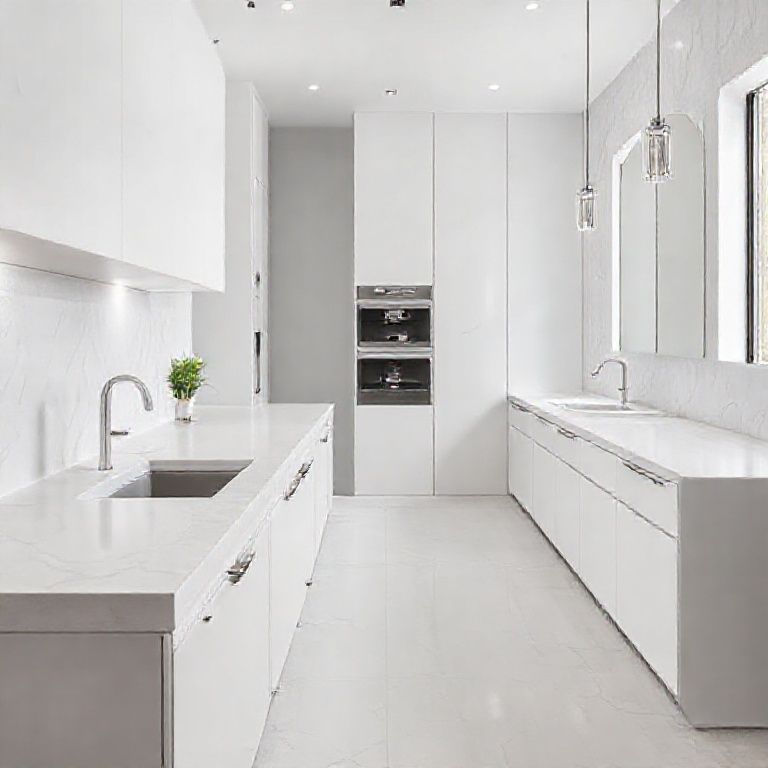
One of the most popular uses of engineered marble is in kitchen countertops. The material’s sophisticated look, combined with its durability and low maintenance, makes it an ideal choice for kitchens where style and functionality go hand in hand. Engineered marble countertops can withstand the rigors of daily cooking and cleaning, while still maintaining their pristine appearance.
2. Bathroom Vanities and Sinks:
Engineered marble is also highly favored in bathroom vanities and sinks. Its elegant appearance can elevate the overall design of the bathroom, providing a luxurious touch. Additionally, the non-porous surface ensures that soap and water don’t penetrate, making it easy to clean and maintain.
3. Backsplashes:
For those looking to add a touch of elegance to their kitchen or dining area, engineered marble backsplashes are an excellent choice. The material’s versatility allows for various design options, from sleek and modern to rich and ornate. Moreover, its scratch and stain resistance make it a practical option for areas that experience high moisture and activity.
4. Walls and Architectural Features:
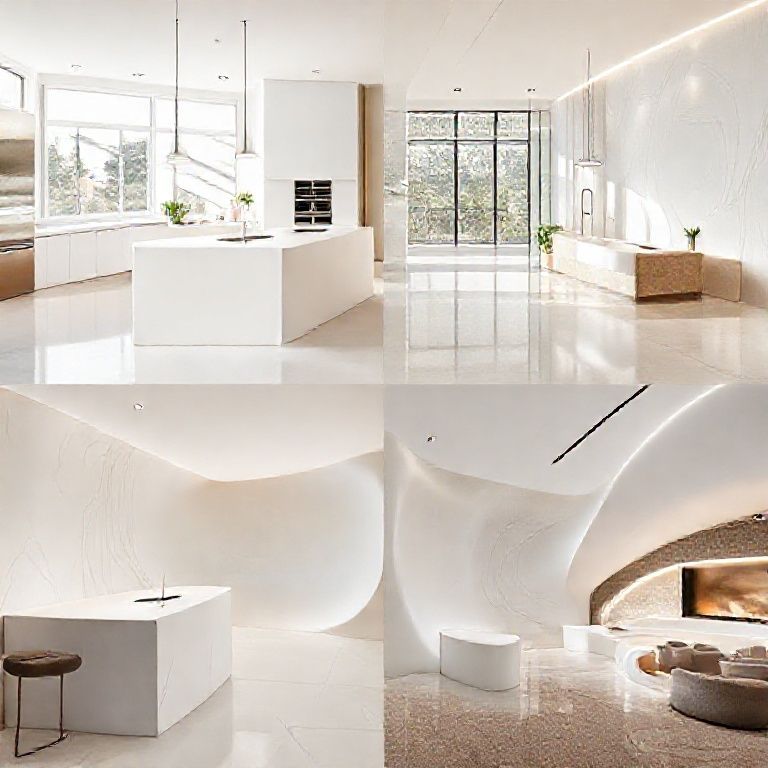
Beyond countertops and sinks, engineered marble can be used for wall cladding and other architectural features. It can be shaped into intricate designs, offering a unique and sophisticated element to your interior design. This application showcases the material’s ability to blend traditional aesthetics with modern design trends.
Choosing the Right Engineered Marble
Selecting the right engineered marble for your project requires careful consideration of several factors, including aesthetic preferences, budget, and specific project requirements.
1. Aesthetic Preferences:
The first step in choosing engineered marble is to decide on the visual style you want to achieve. Engineered marble is available in a wide range of colors and patterns, so you can choose a material that closely matches your desired look. Whether you prefer the classic elegance of traditional marble or the bold, contemporary designs, there is an engineered marble option that will suit your taste.
2. Budget Considerations:
While engineered marble is generally more affordable than natural marble, it is still important to consider your budget. Prices can vary based on the quality of the material, the complexity of the design, and the manufacturer. It’s advisable to get quotes from multiple suppliers to compare prices and find the best value for your project.
3. Specific Project Requirements:
Different projects have different requirements in terms of durability, maintenance, and design flexibility. For high-traffic areas like kitchens and bathrooms, you’ll want a particularly durable and low-maintenance option. Conversely, decorative elements might prioritize aesthetics over practicality. Understanding the specific needs of your project will help you select the most suitable engineered marble.
Installation and Maintenance Tips
Installation:
Proper installation of engineered marble is crucial to ensure its longevity and appearance. Here are some key tips for a successful installation:
Measure and Cut: Measure the area where the engineered marble will be installed and cut the slabs to size. Using a wet saw can help achieve clean, precise cuts. Adhesive: Use a high-quality adhesive recommended for engineered marble. Follow the manufacturer’s instructions for application and drying times. Sealing: Once installed, seal the surface with an appropriate sealant to protect against stains and spills.
Maintenance:
Maintaining engineered marble is relatively straightforward, thanks to its non-porous nature. Here are some maintenance tips to keep your engineered marble looking its best:
Cleaning: Use a mild soap and water solution to clean the surface. Avoid abrasive cleaners or sponges that can scratch the material. Stain Prevention: For spills, wipe up liquids immediately to prevent stains. If stains do occur, use a specialized marble cleaner or consult a professional. Avoiding Damage: To avoid scratches and chips, use cutting boards and trivets when placing hot items on the surface.
Conclusion: Engineered Marble’s Role in Modern Design
Engineered marble continues to make a significant impact in the world of interior design and home renovation. Its combination of beauty, durability, and practicality makes it an excellent choice for a wide range of applications. From countertops and backsplashes to walls and decorative features, engineered marble offers endless possibilities for creating stunning, long-lasting spaces.
By understanding the various applications and selection criteria, you can confidently choose the right engineered marble for your next project. Whether you are a homeowner, designer, or contractor, engineered marble provides a versatile and elegant solution that stands the test of time.
Feel free to reach out to professionals or suppliers for expert advice tailored to your specific needs. With engineered marble, you can achieve the perfect blend of style and functionality in your home or commercial space.