Ever wondered if artificial marble is as harmful as it sounds? This two-part article delves deep into the potential dangers of artificial marble and explores the reasons behind the concerns. From health implications to environmental impact, we break down everything you need to know. Join us as we uncover the truth behind this popular but controversial material.
artificial marble, marble dangers, health risks, environmental impact, countertop material, chemical exposure, surface safety, indoor air quality, synthetic stone
Health Risks and Environmental Concerns
In recent years, artificial marble has gained immense popularity as a modern, cost-effective alternative to natural marble. Its sleek appearance, durability, and variety of colors make it an attractive choice for countertops, sinks, and other interior designs. However, beneath its polished surface, there lies a complex web of health risks and environmental concerns that merit serious scrutiny. Let’s dive into the primary issues associated with artificial marble.
The Composition of Artificial Marble
Artificial marble, often referred to as cultured stone, is a composite material typically made from a mixture of marble dust, quartz, and resin. While it mimics the aesthetic qualities of natural marble, it is far from a harmless substance. The primary concern revolves around the resin and the various chemicals used in its production. These resins often contain volatile organic compounds (VOCs), which are known to emit harmful fumes.
Health Risks Associated with Artificial Marble
One of the foremost concerns with artificial marble is the potential health risks associated with its installation and prolonged exposure. When artificial marble is cut, polished, or installed, it releases particles and fumes that can pose serious health hazards.
Respiratory Issues: The dust generated during the cutting and polishing of artificial marble contains fine particles that can be inhaled. These particles can irritate the respiratory system, leading to symptoms such as coughing, wheezing, and shortness of breath. Prolonged exposure can exacerbate conditions like asthma and bronchitis.
Chemical Exposure: The resins used in artificial marble often contain chemicals like phthalates, formaldehyde, and methylene glycol. These substances can off-gas, releasing toxic fumes into the air. Formaldehyde, in particular, is a known carcinogen and can cause skin irritation, headaches, and respiratory problems.
Skin Irritation: Direct contact with artificial marble dust or resin can lead to skin irritation and allergic reactions. People with sensitive skin or pre-existing skin conditions may experience rashes, itching, or even dermatitis.
Toxicity: Some studies suggest that the chemicals used in artificial marble can leach into food and beverages, raising concerns about long-term exposure and potential health risks. While conclusive evidence is still being researched, it’s prudent to remain cautious.
Environmental Impact
Artificial marble isn’t just a concern for human health; it also carries significant environmental implications.
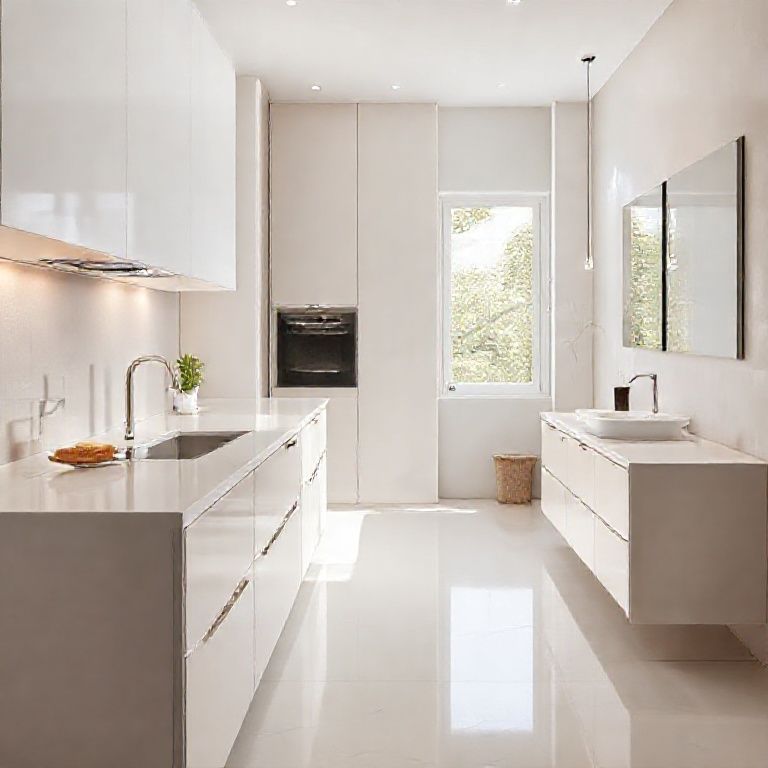
Manufacturing Emissions: The production process of artificial marble involves the use of synthetic resins and marble dust, which often leads to the emission of harmful pollutants. These emissions contribute to air pollution and can have detrimental effects on local ecosystems.
Waste and Disposal: Unlike natural marble, artificial marble is not biodegradable. When disposed of, it adds to the growing problem of non-biodegradable waste. This waste often ends up in landfills, where it can release toxic substances over time.
Resource Depletion: The manufacturing of artificial marble requires large quantities of marble dust, which often comes from natural marble quarries. This process can lead to the depletion of natural marble resources and contribute to the environmental degradation of these quarries.
Conclusion
While artificial marble offers undeniable aesthetic and economic benefits, it is crucial to weigh these against the potential health risks and environmental concerns. The release of harmful particles, chemicals, and emissions, combined with the lack of biodegradability, paints a picture that is far from benign. As awareness grows, consumers and manufacturers alike are urged to consider safer alternatives and more stringent safety measures to mitigate these risks.
In the next part, we will explore safer alternatives to artificial marble and discuss how to minimize exposure to its harmful components.
Safer Alternatives and Mitigation Strategies
Having explored the potential dangers associated with artificial marble, it’s essential to consider safer alternatives and practical steps to mitigate the risks. This second part of our discussion will delve into more sustainable and health-conscious options, as well as practical advice on reducing exposure to harmful components.
Safer Alternatives to Artificial Marble
When considering alternatives to artificial marble, it’s important to prioritize materials that are not only aesthetically pleasing but also safe for both human health and the environment.
Natural Stone: Marble: While it’s the same material often mimicked by artificial marble, genuine marble is naturally occurring and free from synthetic resins and chemicals. It’s durable, beautiful, and sustainable when sourced responsibly. Quartz: Known for its durability and low maintenance, quartz is a safer alternative. It’s composed of natural quartz crystals, making it non-toxic and free from harmful chemicals. Wood: Engineered Wood: This type of wood is made from multiple layers of wood glued together, offering durability and a natural aesthetic. It’s a renewable resource when sourced from responsibly managed forests. Solid Wood: While more prone to scratches and water damage, solid wood countertops can be treated with natural oils to enhance their durability and safety. Glass: Stainless Steel Glass Tops: These are not only durable but also easy to clean and maintain. They offer a modern look without the associated risks of artificial marble. Acrylic: While not as common, acrylic surfaces can be a safer alternative, especially when free from harmful chemicals.
Mitigating Exposure to Harmful Components
Even with safer alternatives, it’s essential to take proactive steps to minimize exposure to potentially harmful components when using artificial marble. Here are some practical measures:
Proper Ventilation: Ensure that the area where artificial marble is being cut, polished, or installed is well-ventilated. Use exhaust fans or open windows to help disperse fumes and particles. Personal Protective Equipment (PPE): Wear appropriate PPE such as masks, gloves, and goggles to protect against dust inhalation and skin contact. Chemical-Free Products: Opt for artificial marble products that claim to be low in VOCs or free from harmful chemicals. Look for products with certifications like low-VOC or green building standards. Regular Cleaning: Regularly clean the surface to reduce the accumulation of dust and particles. Use mild, non-abrasive cleaning agents to avoid generating additional dust. Sealing the Surface: Consider sealing the surface of artificial marble with a non-toxic, low-VOC sealant. This can help reduce the release of chemicals into the air. Limiting Use in High-Traffic Areas: If possible, limit the use of artificial marble in high-traffic areas where exposure is likely to be higher. Use it more in low-traffic zones where the risk of prolonged exposure is minimized.
Future Directions and Innovations
The future of countertop materials lies in innovation and sustainability. Researchers and manufacturers are continually developing new materials that offer the beauty and durability of traditional materials without the associated risks.
Eco-Friendly Composites: Scientists are exploring new composite materials that mimic the look of natural stone but are made from sustainable, non-toxic ingredients. These materials aim to reduce the environmental impact while maintaining aesthetic appeal. Advanced Filtration Systems: Innovations in filtration technology could play a significant role in mitigating the release of harmful particles and fumes. Advanced systems could be installed in homes to purify indoor air, reducing exposure to harmful substances. Renewable Resources: The shift towards using renewable resources for countertop materials is gaining momentum. Bamboo, for instance, is a rapidly renewable resource that can be used to create durable and attractive countertops.
Conclusion
While artificial marble offers undeniable aesthetic and economic benefits, it’s crucial to be aware of its potential health risks and environmental impact. By exploring safer alternatives like natural stone, wood, and glass, and adopting practical mitigation strategies, we can enjoy the beauty of modern interiors without compromising our health or the environment. As innovation continues to advance, the future holds promise for safer, more sustainable materials that can meet our aesthetic and practical needs.
In a world where sustainability and health are becoming increasingly important, it’s essential to make informed choices when selecting materials for our homes and workplaces. By doing so, we can create environments that are not only beautiful but also safe and environmentally responsible.