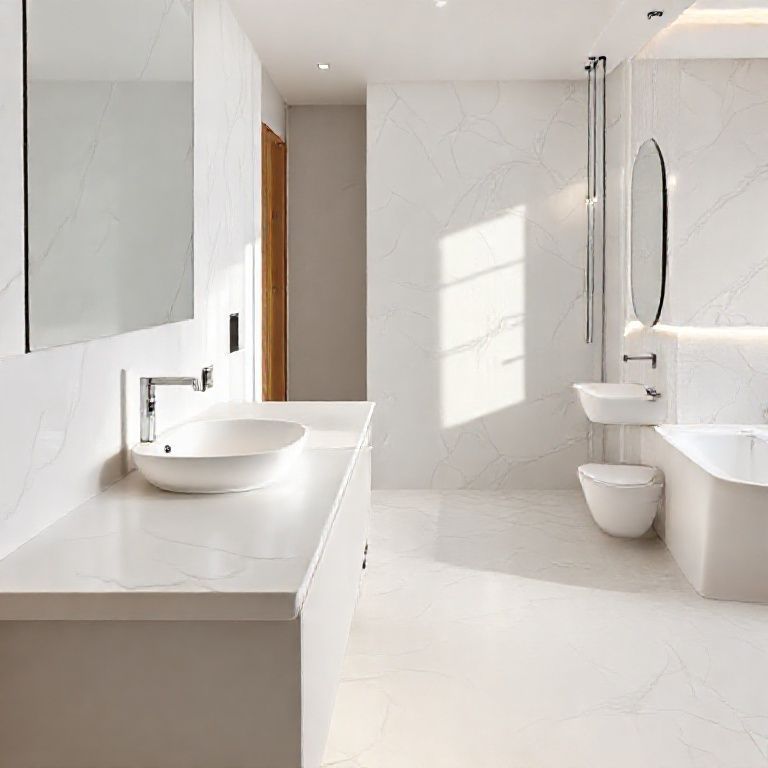
The Aesthetic Allure and Versatility of Artificial Marble
In the realm of modern interior design, the allure of natural materials often takes center stage. However, the introduction of artificial marble has revolutionized the way we perceive luxury and functionality in home and commercial spaces. This synthetic marvel, known in Mandarin as “人造大理石,” has garnered significant attention for its stunning aesthetics, durability, and cost-effectiveness. In this part, we’ll explore the visual appeal and versatile applications of artificial marble.
1. The Captivating Aesthetics of Artificial Marble
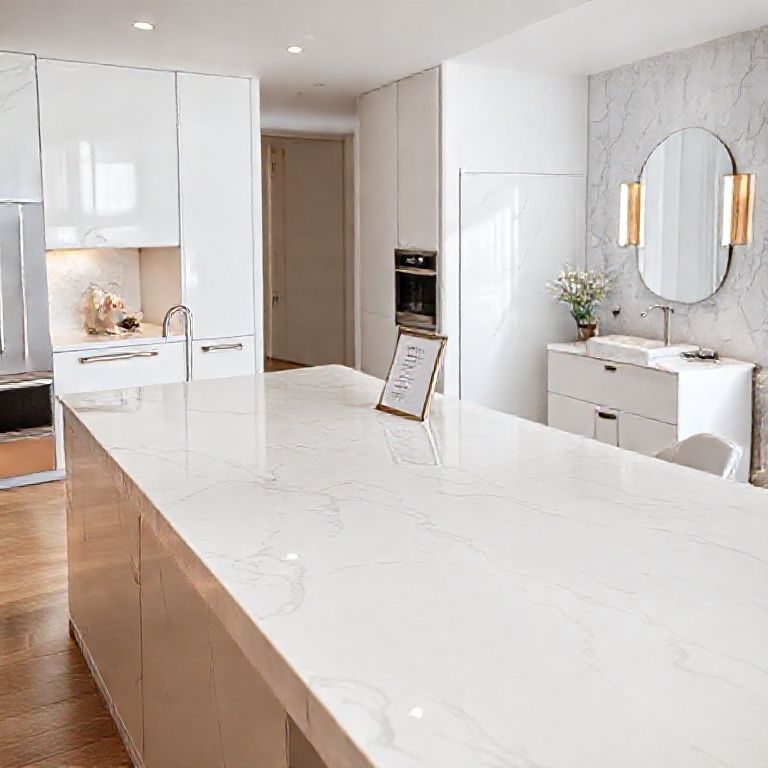
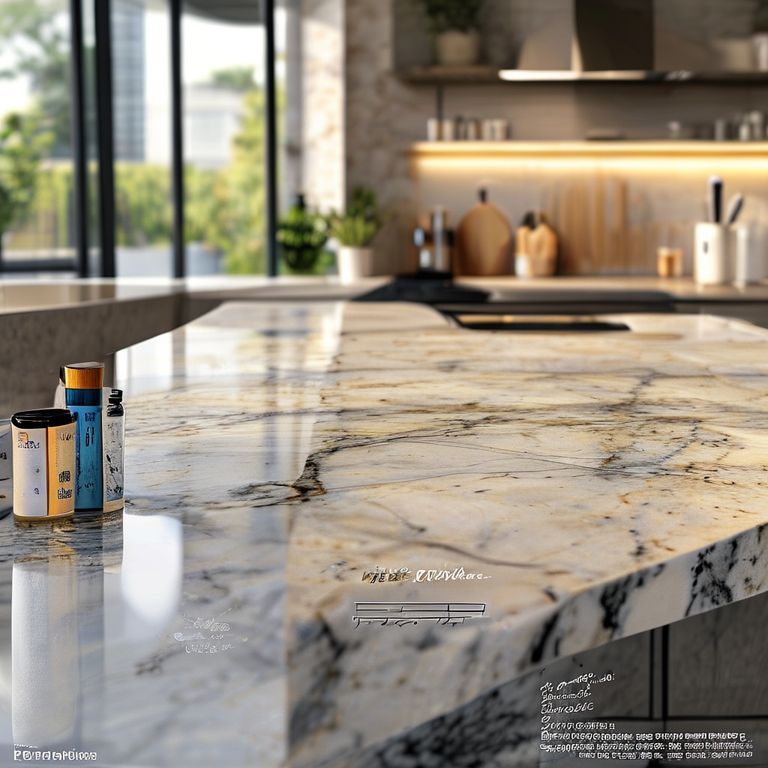
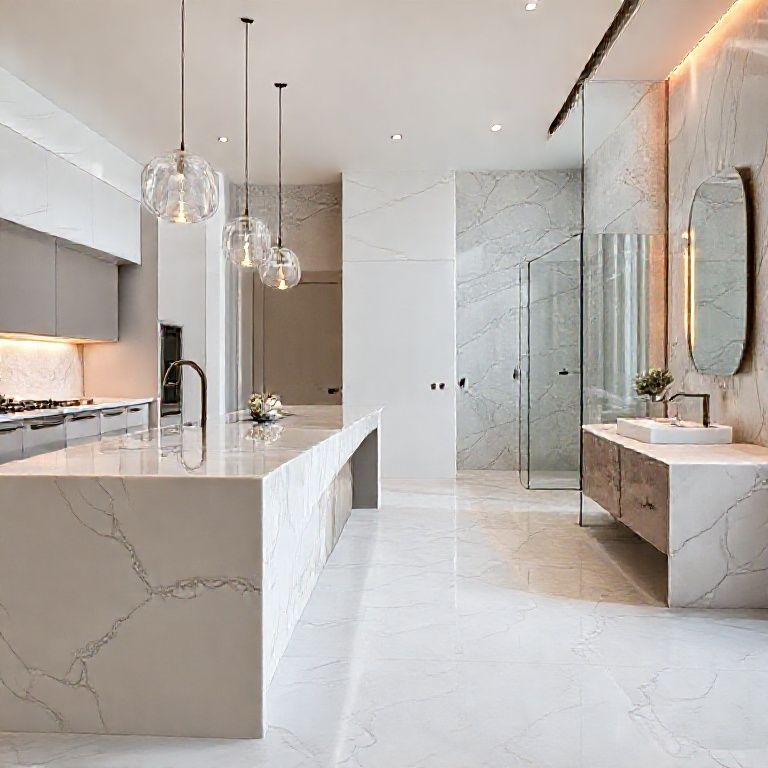
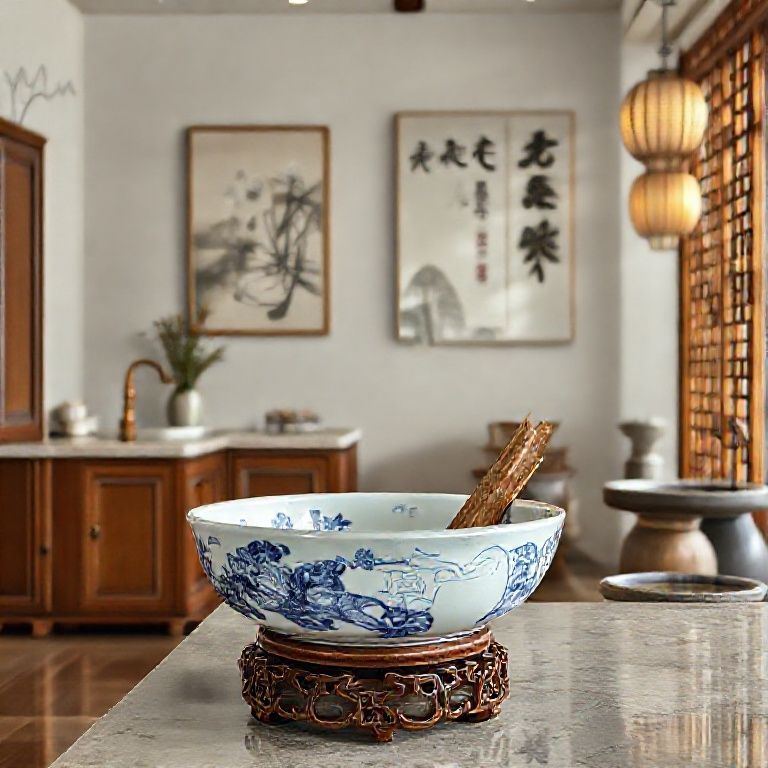
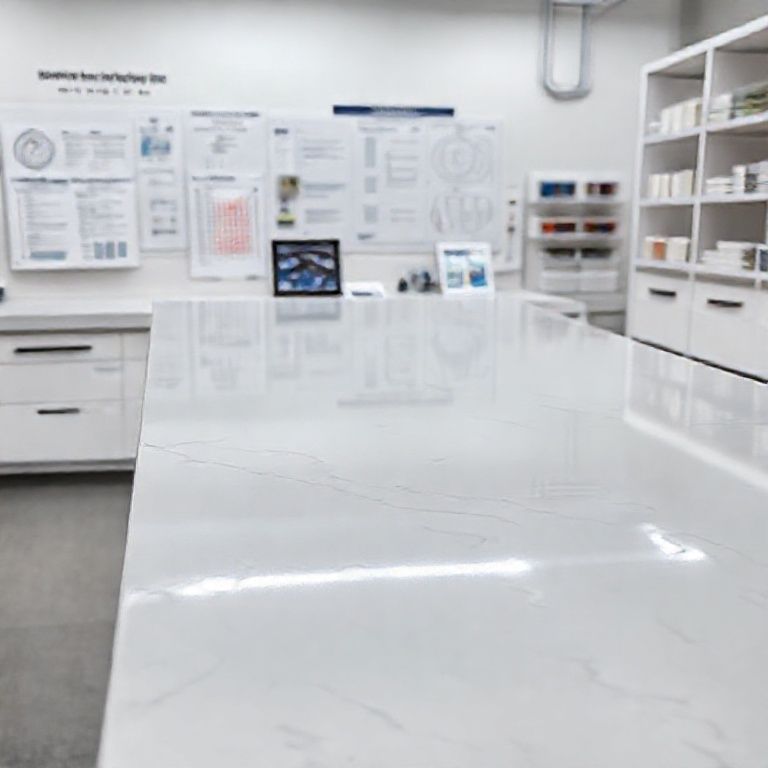
Artificial marble, or engineered stone, is a composite material crafted to mimic the intricate beauty of natural marble. Its visual appeal lies in the stunning variety of colors, patterns, and textures that can be achieved through advanced manufacturing processes. Unlike natural marble, which is subject to the idiosyncrasies of stone mining, artificial marble can be engineered to deliver consistent, flawless surfaces in a myriad of designs.
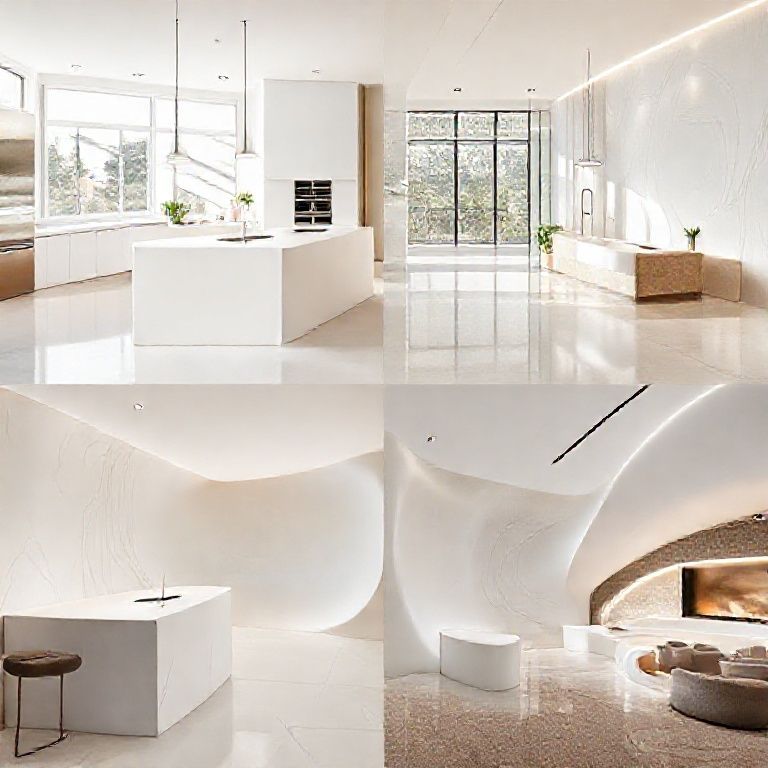
The beauty of artificial marble is further enhanced by its ability to offer a wide range of finishes. From the sleek and glossy to the rustic and matte, artificial marble can be customized to fit any design vision. This adaptability makes it a popular choice for architects, designers, and homeowners seeking to add a touch of opulence to their spaces.
2. Versatility in Design Applications
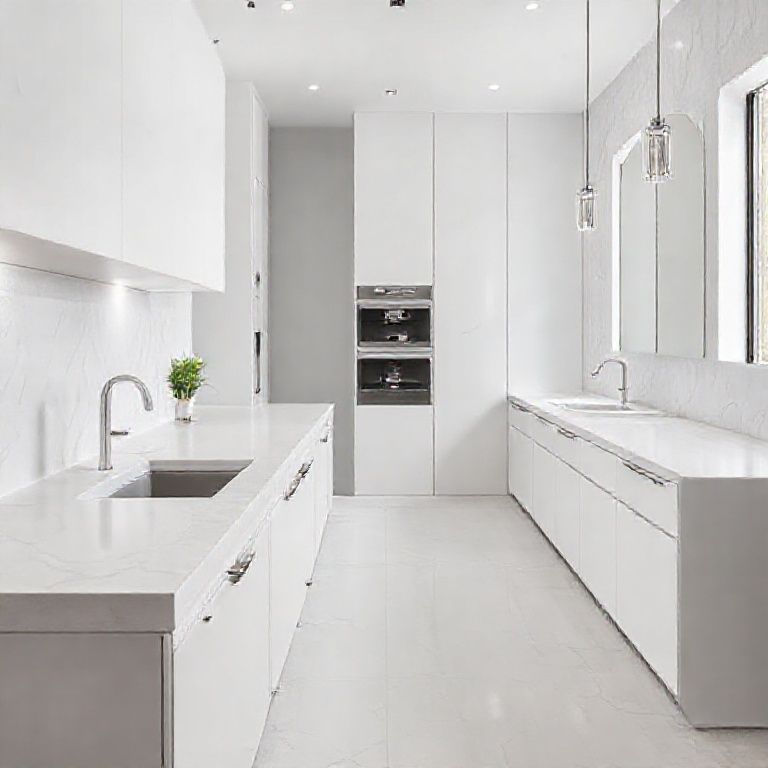
Artificial marble’s versatility extends beyond its visual appeal. It is a highly durable material that can withstand the rigors of daily use while maintaining its pristine appearance. This makes it an excellent choice for a variety of applications, from countertops and backsplashes to flooring and bathroom vanities.
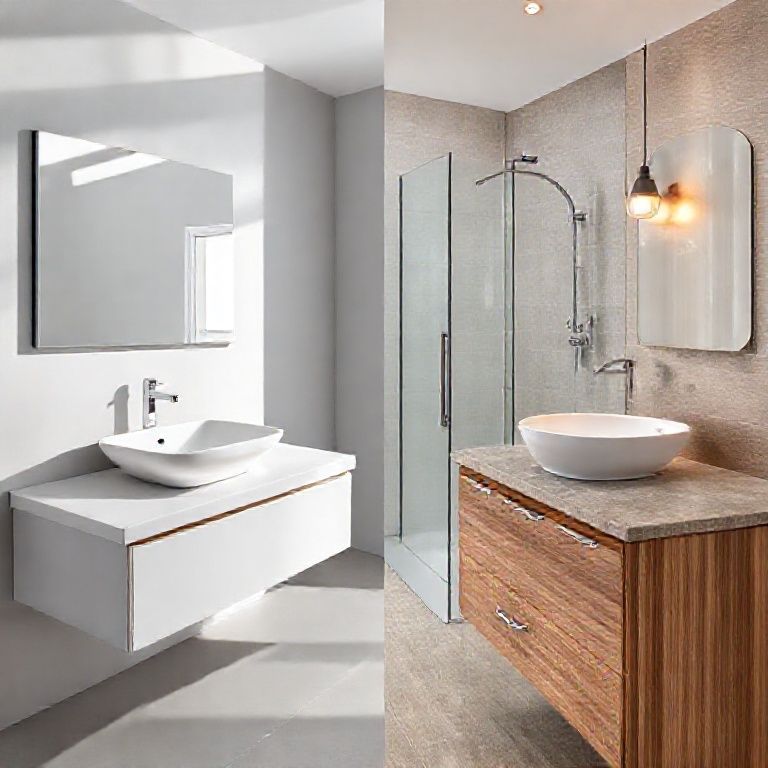
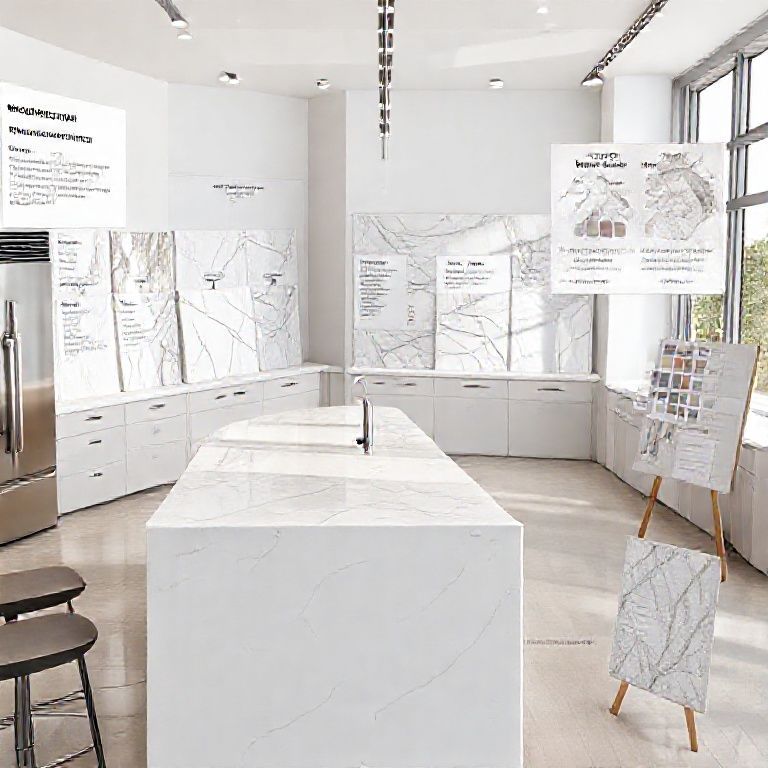
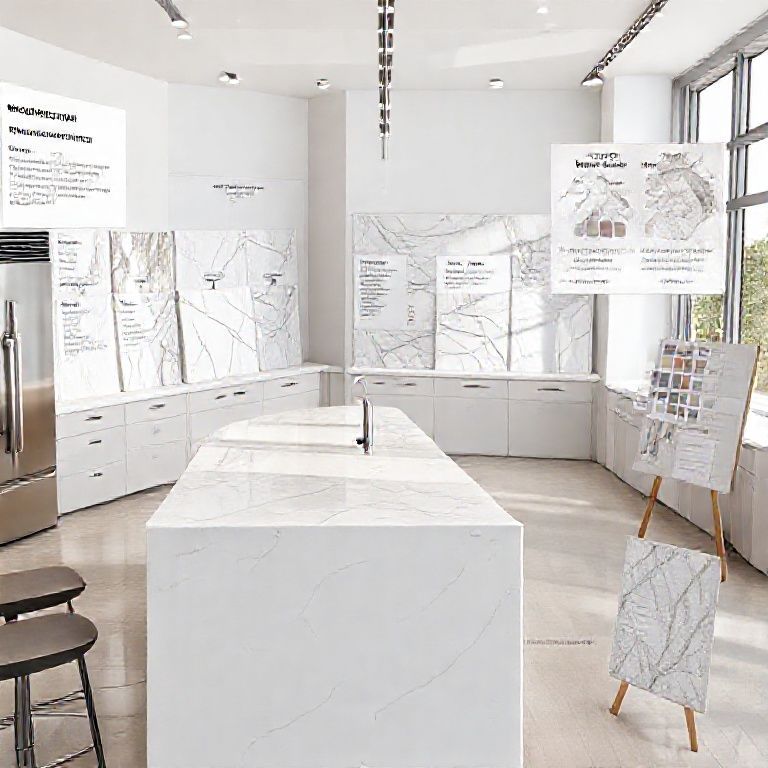
In commercial spaces, artificial marble is often used to create high-end reception areas, showrooms, and luxury offices. Its ability to mimic the elegance of natural marble without the high maintenance requirements makes it a practical choice for environments where aesthetics and functionality are paramount.
For residential applications, artificial marble countertops are a favorite among homeowners. They provide a luxurious look that is easy to clean and maintain, making them ideal for kitchens and dining areas. The material’s resistance to stains, scratches, and thermal damage ensures that it will remain beautiful and functional for years to come.
3. The Role of Technology in Creating Artificial Marble
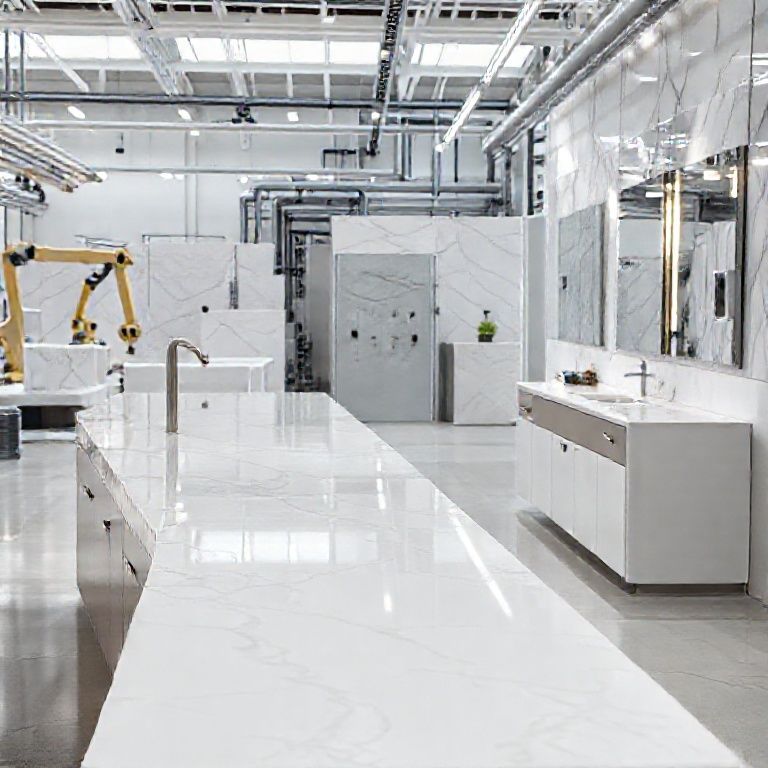
The creation of artificial marble involves a blend of cutting-edge technology and artistic craftsmanship. The process typically begins with the selection of high-quality base materials, including natural stone, polymers, and pigments. These materials are then mixed and heated to a high temperature, causing them to fuse together into a single, cohesive structure.
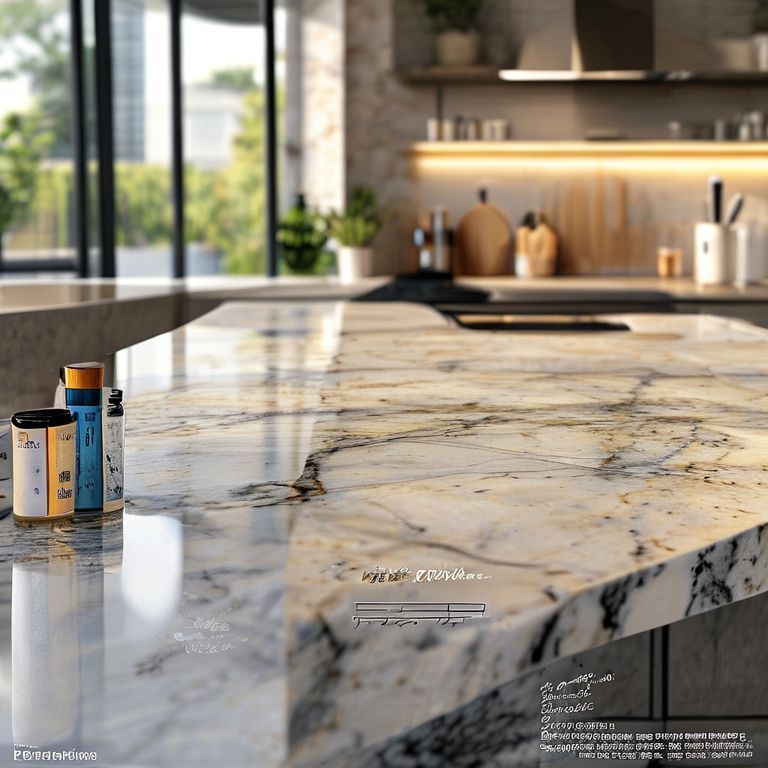
Advanced manufacturing techniques allow for the precise control of color, texture, and pattern, resulting in a product that can closely resemble the beauty of natural marble. The use of UV technology and other innovative methods ensures that artificial marble can achieve a level of detail and consistency that is often difficult to achieve with natural materials.
4. Why Artificial Marble is the Future of Interior Design
The future of interior design is increasingly leaning towards materials that offer both beauty and practicality. Artificial marble stands out in this context due to its unique combination of elegance and durability. Its ability to replicate the timeless appeal of natural marble, coupled with its low maintenance and cost-effectiveness, makes it an attractive option for both new constructions and renovations.
Moreover, the environmental benefits of artificial marble cannot be overlooked. As sustainability becomes a more significant concern, the production of artificial marble offers a more sustainable alternative to natural stone. It reduces the need for extensive quarrying, which can have detrimental effects on the environment, and offers a renewable resource that can be manufactured on demand.
The Cost Dynamics and Value Proposition of Artificial Marble
In the previous part, we explored the captivating aesthetics and versatile applications of artificial marble. Now, let’s delve into the cost dynamics and value proposition of this remarkable material. Understanding the pricing and value of artificial marble will help you make informed decisions about its use in your home or business.
1. Factors Influencing the Cost of Artificial Marble
When considering the cost of artificial marble, several factors come into play. These factors include the quality of materials used, the complexity of the design, and the manufacturing process. Here’s a closer look at these elements:
Quality of Materials: The cost of artificial marble is largely influenced by the quality of the base materials and the pigments used. Higher-grade materials and more expensive pigments can significantly increase the price per square foot. However, these investments often result in a product with superior durability and aesthetic appeal.
Design Complexity: The complexity of the design also plays a crucial role in determining the cost. Designs that require intricate patterns or a wide range of colors will typically be more expensive than simpler designs. The expertise of the manufacturer and the time required to achieve the desired look also impact the pricing.
Manufacturing Process: The manufacturing process used to create artificial marble can affect the cost. Advanced techniques that allow for greater precision and detail in the final product often result in higher prices. However, these methods also contribute to the material’s overall quality and longevity.
2. Comparing Artificial Marble to Natural Marble
To better understand the cost dynamics of artificial marble, it’s helpful to compare it to natural marble. Natural marble is a premium material known for its unique beauty and historical significance. However, it also comes with a set of challenges that contribute to its higher cost:
Cost: Natural marble is generally more expensive than artificial marble due to the cost of mining, transportation, and the inherent variability in its natural patterns and colors. The cost of natural marble can vary widely based on the type and quality of the stone.
Maintenance: Natural marble requires regular maintenance to prevent staining and etching. It often needs sealing and polishing to maintain its beauty and durability. This ongoing maintenance adds to the long-term cost of using natural marble.
Availability: Natural marble is a finite resource, and certain types of high-quality stone can be rare and expensive to source. This scarcity drives up the cost and makes it challenging to find consistent supplies.
3. The Value Proposition of Artificial Marble
Despite its lower upfront cost compared to natural marble, artificial marble offers significant value in several areas:
Durability: Artificial marble is known for its exceptional durability. It is highly resistant to stains, scratches, and thermal damage, making it an ideal choice for high-traffic areas. Its longevity ensures that the investment in artificial marble will provide long-term value.
Low Maintenance: Unlike natural marble, artificial marble requires minimal maintenance. Its non-porous surface makes it easy to clean and maintain, saving time and money over time.
Customizability: Artificial marble offers a high degree of customizability. It can be engineered to match a wide range of colors, patterns, and textures, allowing designers and homeowners to create unique and personalized designs. This flexibility makes it a versatile choice for various applications.
Cost-Effectiveness: While the initial cost of artificial marble may be lower than some types of natural marble, the overall cost-effectiveness is often higher due to its durability and low maintenance requirements. Over time, the savings from reduced maintenance and the need for fewer replacements make artificial marble a practical choice.
4. Where to Find Affordable Artificial Marble
Finding affordable artificial marble can depend on several factors, including the region, the quality of the material, and the specific design requirements. Here are some tips for finding high-quality, cost-effective artificial marble:
Local Suppliers: Check with local suppliers and manufacturers who can offer competitive prices and a range of options. Local suppliers often provide better customer service and faster delivery times.
Online Retailers: Online retailers offer a wide selection of artificial marble at various price points. It’s important to research the reputation of the retailer and read reviews to ensure the quality of the product.
Wholesale Markets: Attending wholesale markets or trade shows can provide access to bulk purchasing options at lower prices. These events often showcase the latest designs and materials, giving you a chance to see the product in person.
Custom Manufacturers: For unique or large-scale projects, working with a custom manufacturer can offer tailored solutions at competitive prices. Custom manufacturers can create designs that perfectly match your vision while ensuring high quality and durability.
5. Conclusion: Embracing the Future of Interior Design
The cost of artificial marble may vary depending on the factors discussed, but its value proposition is undeniable. Its combination of beauty, durability, and low maintenance makes it a practical and stylish choice for both residential and commercial spaces. As we continue to prioritize sustainability and practicality in interior design, artificial marble stands out as a forward-thinking material that meets these needs seamlessly.
By understanding the cost dynamics and the wide range of benefits that artificial marble offers, you can make informed decisions that enhance the aesthetic and functional aspects of your space. Whether you’re renovating a kitchen, designing a luxurious office, or creating a stunning reception area, artificial marble provides a timeless and elegant solution that is both beautiful and practical.
In conclusion, artificial marble is not just a material; it’s a transformative option that combines the allure of natural marble with the advantages of modern technology. Its cost-effectiveness, durability, and versatility make it an excellent choice for anyone looking to elevate继续探讨人造大理石(Artificial Marble)的魅力和其在现代建筑和室内设计中的应用,我们可以深入了解其具体的市场价格、应用领域以及与其他材料的比较。
这将帮助您更全面地了解这一材料在各种环境中的表现。
6. 市场价格与性价比
市场价格: 人造大理石的市场价格通常介于10到40美元每平方英尺(约0.93到3.72美元每平方米)之间,具体价格取决于设计复杂性、材料质量和供应链成本。高端定制设计和特殊颜色可能会进一步提升价格。
性价比: 虽然人造大理石的初始成本可能低于某些自然石材,但其长期性价比更高。由于其耐用性和低维护需求,人造大理石在长期使用中的总成本低于需要定期维护和修复的自然石材。
7. 人造大理石的应用领域
厨房和浴室: 由于其耐污、耐刮擦和易清洁的特点,人造大理石在厨房和浴室中的应用非常广泛。它们常用于制作台面、洗手盆、浴室柜和地砖等。
商业空间: 在商业空间,人造大理石常用于创建高端、现代化的视觉效果。它适用于接待区、会议室、餐厅和购物中心等地点,为空间增添一层奢华感。
室外建筑: 虽然人造大理石主要用于室内,但它也适用于一些室外项目,如雕塑、花园装饰和景观设计。高品质的人造大理石可以经得起一些外部环境的考验。
8. 与其他材料的比较
与自然大理石: 自然大理石以其独特的天然纹理和高端的视觉效果著称,但其高维护需求和成本使其不如人造大理石。人造大理石虽然模仿自然大理石的外观,但在耐用性和耐化学性方面通常优于自然大理石。
与花岗岩: 花岗岩也是一种流行的台面材料,以其耐用性和耐刮擦著称。花岗岩容易受到酸性液体的影响,且其天然纹理和颜色的变化可能不如人造大理石那样可预测。人造大理石在这方面具有更高的一致性和可预测性。
与石英石: 石英石是另一种受欢迎的台面材料,以其极高的耐用性和耐化学性而闻名。与人造大理石相比,石英石的成本通常更高,但其无缝安装和多样的颜色选择使其在某些应用中更具吸引力。
9. 选择人造大理石的最佳实践
材质选择: 选择高质量的人造大理石,确保其由可靠的供应商制造,并具有抗压和抗划痕的特性。高密度和高压强的人造大理石通常更耐用。
设计和定制: 对于特殊设计需求,考虑与专业设计师和制造商合作,以确保最终产品的美观和功能性。
安装: 确保由经验丰富的专业人员进行安装,以避免未来可能的维护问题和美观下降。
10. 未来趋势
随着环境保护意识的增强和可持续建筑理念的普及,人造大理石的市场将继续增长。制造商正在开发更加环保和可持续的材料,这将进一步提升人造大理石的吸引力。
通过深入了解人造大理石的各个方面,您可以更好地评估其在您项目中的适用性,并做出明智的选择,以实现最佳的美观和功能性。