${part1}
In the world of interior design, the choice between natural and artificial materials often hinges on a delicate balance of aesthetics, durability, and cost. One of the most compelling alternatives to natural stone is artificial marble, known for its stunning visual appeal and versatility. This guide aims to shed light on the ‘artificial marble price per square foot’, a crucial aspect for anyone planning a renovation or new construction project.
Understanding Artificial Marble
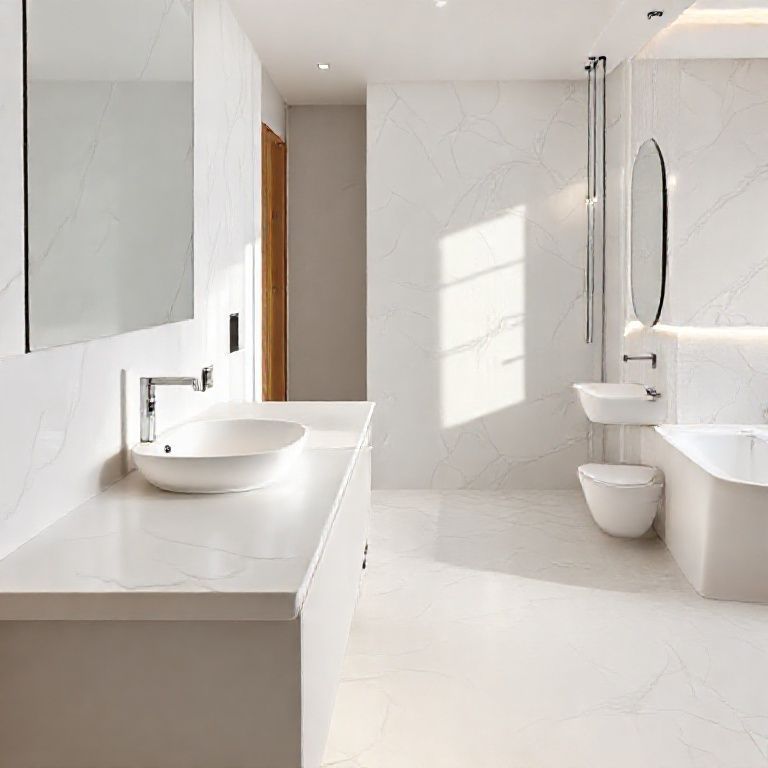
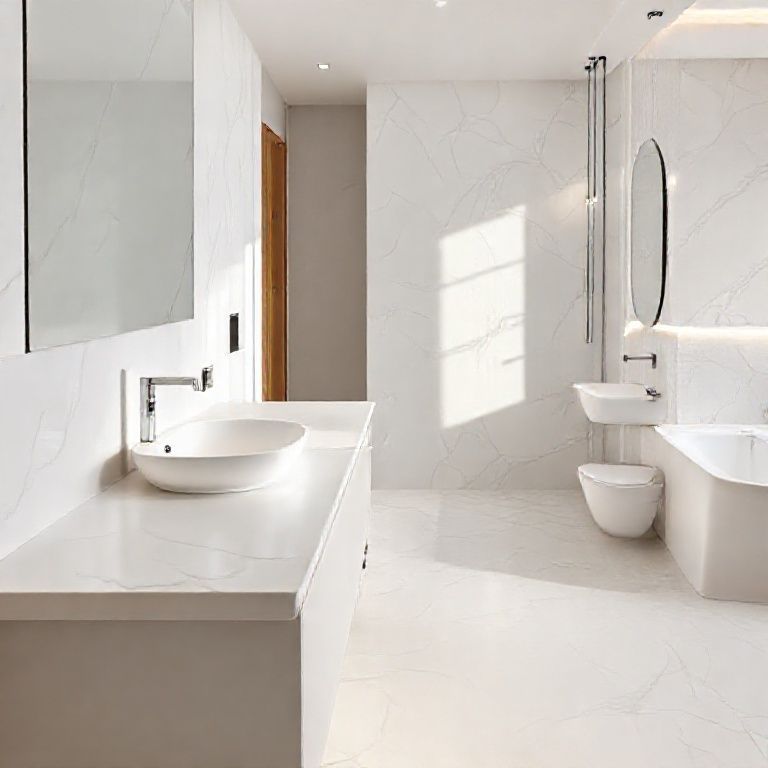
Artificial marble, also known as engineered stone, is a composite material made from a mixture of various minerals, including quartz, calcite, and feldspar, combined with a polymer resin binder. This innovative material mimics the look of natural marble while offering superior durability and resistance to stains, scratches, and thermal damage.
Advantages of Artificial Marble:
Aesthetic Versatility: Artificial marble comes in an array of colors and finishes that can mimic traditional marble, granite, and even wood. This versatility allows designers to create unique and customized looks. Durability: Unlike natural marble, artificial marble is impervious to acid, alkali, and oil stains, making it ideal for high-traffic areas such as kitchens and bathrooms. Cost-Effectiveness: While the upfront cost can vary, artificial marble is often more economical in the long run due to its low maintenance requirements and longevity. Customization: Artificial marble can be cut, drilled, and shaped to any design, offering endless possibilities for bespoke and intricate designs.
Factors Influencing Artificial Marble Pricing
When considering the ‘cost of artificial marble per square foot,’ several factors come into play:
Material Composition
The quality and composition of the artificial marble significantly impact its price. Higher-grade materials with superior durability and aesthetic appeal generally cost more. Custom colors and finishes also drive up the price due to the specialized processes involved in their creation.
Labor Costs
The complexity of the installation process can affect labor costs. Projects requiring intricate designs or extensive customization may incur higher labor charges. Professional installation ensures the longevity and aesthetics of the material, which can justify higher labor costs.
Design Complexity
The design and pattern of the artificial marble can influence its cost. Unique and complex designs, especially those requiring advanced cutting techniques, will typically cost more than standard patterns.
Location
Geographical location can impact the cost of artificial marble due to transportation and regional pricing variations. Urban areas with high demand may see higher prices compared to rural regions.
Market Trends
Market trends and the availability of materials can also affect pricing. Economic factors such as supply and demand dynamics, material availability, and economic conditions in the construction industry can influence the cost of artificial marble.
Calculating the Cost of Artificial Marble per Square Foot
To determine the cost of artificial marble per square foot, it’s essential to consider all the factors mentioned above. Here’s a simplified breakdown:
Material Cost: This includes the price of the artificial marble itself, which can range from $20 to $80 per square foot, depending on the quality and design. Labor Cost: Installation labor costs can add another $10 to $30 per square foot, depending on the project’s complexity and the labor rates in your area. Additional Costs: Any additional costs such as custom cutting, special finishes, or transportation might also need to be factored in.
Case Studies: Real-World Examples
To provide a clearer picture, let’s look at some real-world examples:
Example 1: Modern Kitchen Renovation
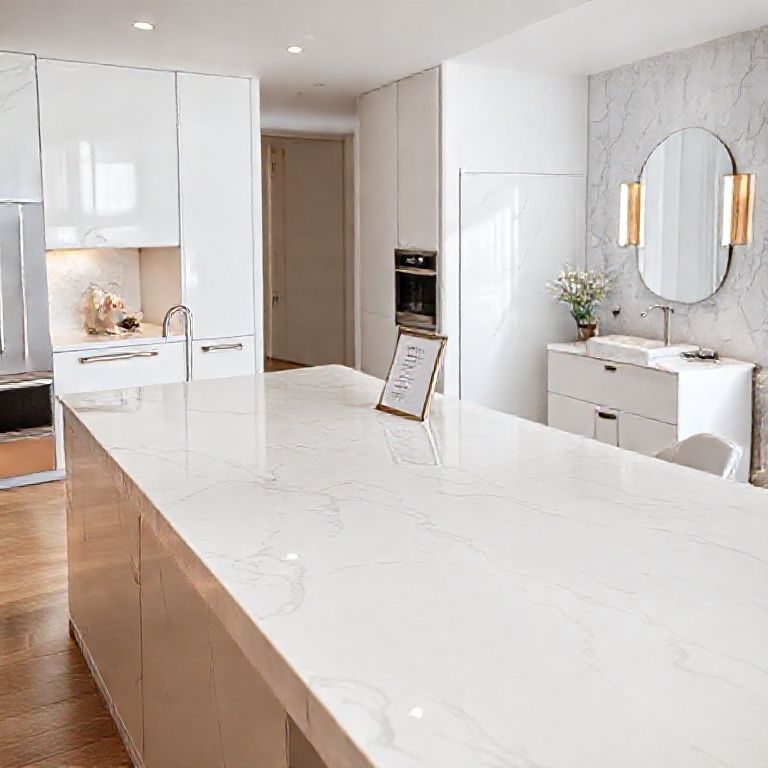
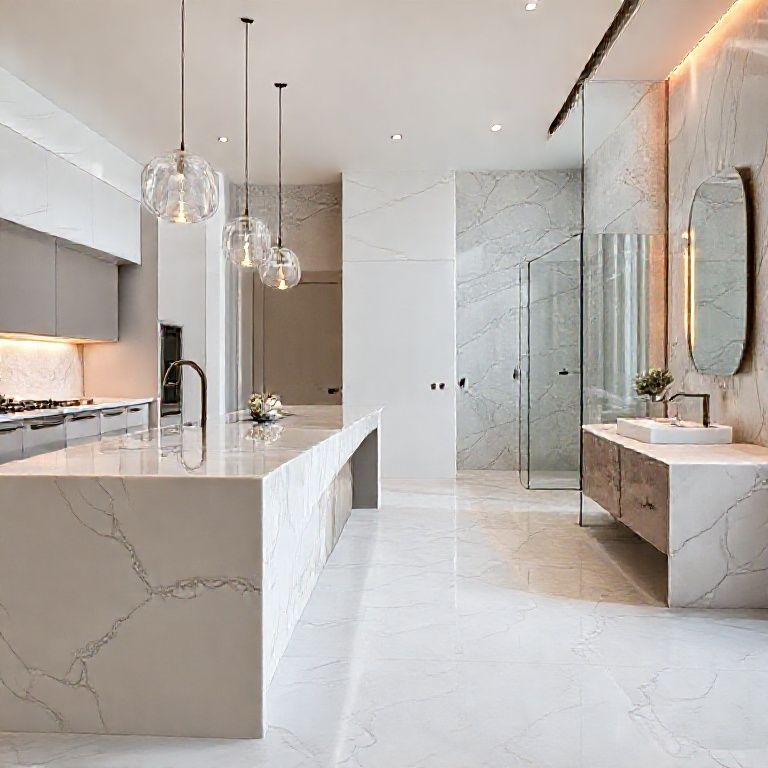
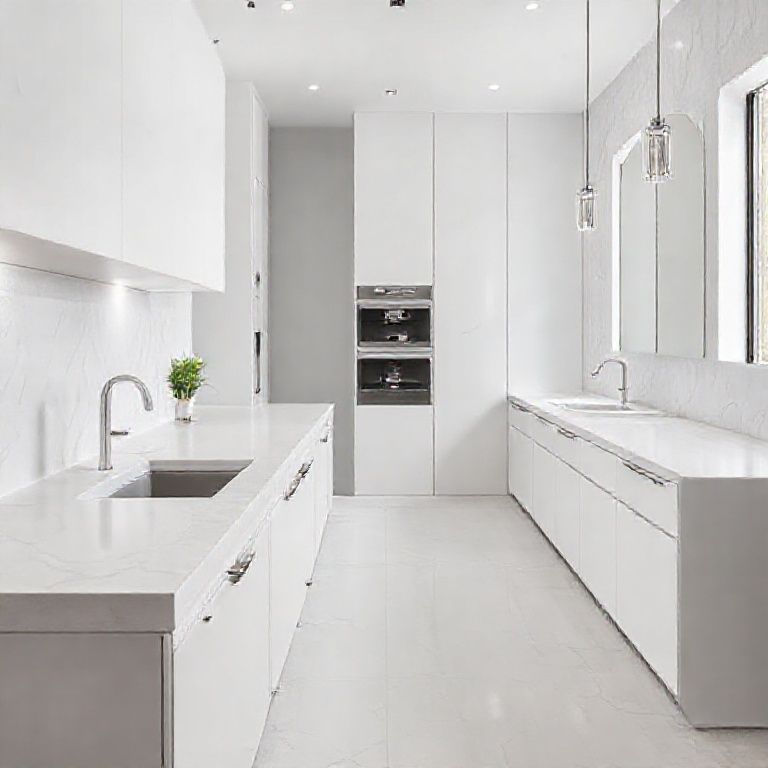
A homeowner decided to renovate their kitchen with artificial marble countertops. The chosen artificial marble had a unique pattern and color that added a luxurious touch to the space. The total area of the countertops was approximately 150 square feet. The material cost was around $50 per square foot, and the labor cost was $20 per square foot. Additional costs included custom cutting and a special finish, adding another $5 per square foot. The total cost for the project was approximately $13,000.
Example 2: High-End Bathroom Design
Another project involved a high-end bathroom with artificial marble tiles and walls. The bathroom featured custom-designed artificial marble panels and intricate patterns. The total area was around 200 square feet. The material cost was $60 per square foot, and labor costs were $25 per square foot due to the complexity of the installation. Additional costs included specialized finishing techniques, adding another $10 per square foot. The total cost for this project was around $16,000.
Conclusion
The cost of artificial marble per square foot can vary widely based on several factors, including material composition, labor costs, design complexity, location, and market trends. However, the benefits of artificial marble—such as its durability, aesthetic versatility, and cost-effectiveness—make it a compelling choice for many modern interior design projects.
In the next part of this guide, we will delve deeper into the maintenance and longevity of artificial marble, compare it with natural marble, and explore advanced design possibilities that artificial marble offers.
Stay tuned for Part 2, where we’ll continue to unravel the mysteries of ‘artificial marble price per square foot’ and more!