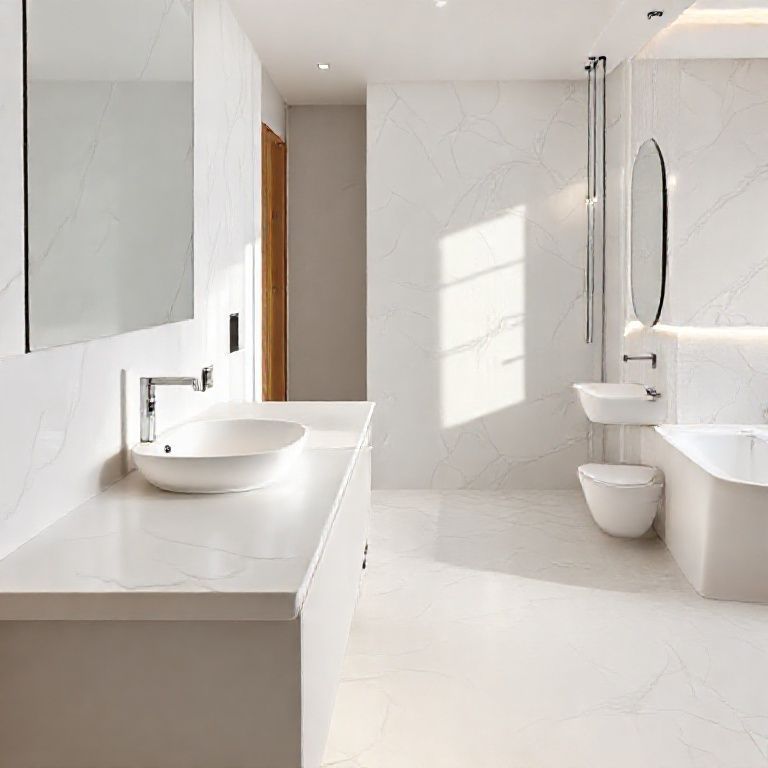
Understanding the Cost of Marble Flooring per Square Meter
When it comes to selecting flooring for your home or business, marble stands out as a timeless choice known for its elegance and durability. However, the cost per square meter of marble flooring can vary significantly based on several factors. This guide will help you understand these factors and determine what price per square meter is reasonable for your project.
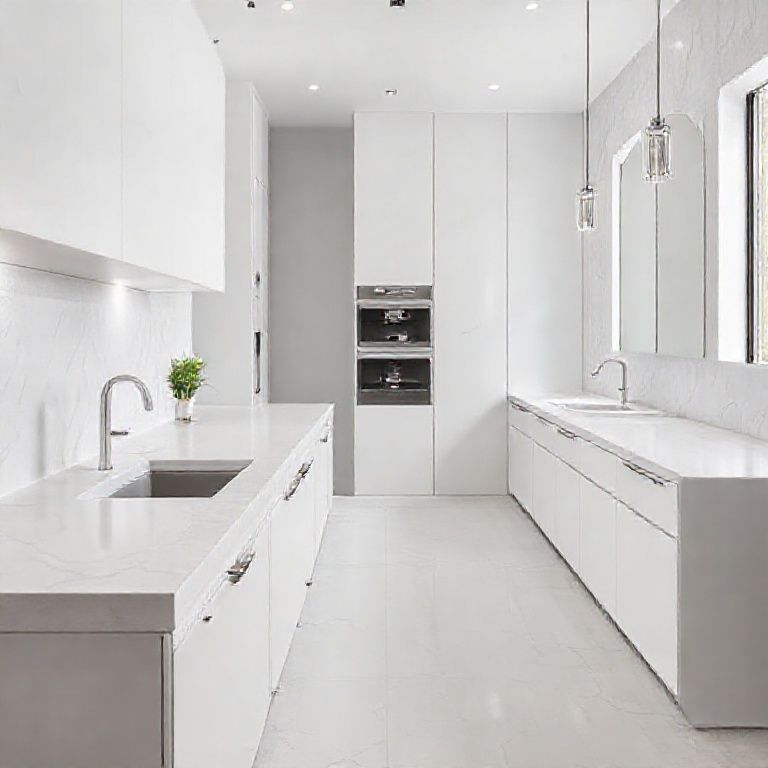
Factors Influencing Marble Flooring Cost
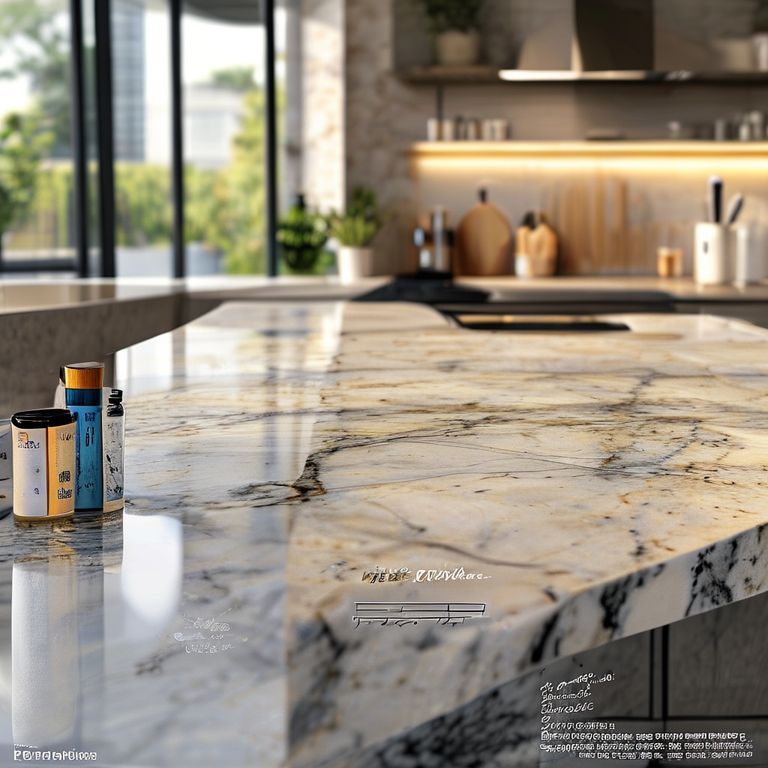
Type of Marble: Marble comes in various types, each with unique characteristics. Common varieties include Carrara, Travertine, and Onyx. High-quality marbles like Carrara, known for their pure white color and fine veins, generally cost more than more common types like Travertine, which has a more rustic and earthy appearance.
Quality and Finish: The quality of marble, including its density and resistance to staining, plays a crucial role in cost. Higher-grade marble with fewer inclusions and superior finish will naturally cost more. Polished, honed, and brushed finishes also affect the price. Polished marble is the most expensive as it requires more labor-intensive processes to achieve a smooth, shiny surface.
Installation Costs: The complexity of installation can significantly impact the overall cost. Marble flooring, being heavy and delicate, requires professional installation to avoid issues like cracking and uneven surfaces. The cost of labor, which includes cutting, fitting, and sealing the marble tiles, should be factored into the total expense.
Import and Local Sourcing: If the marble is imported, additional costs such as shipping, customs duties, and import taxes will add to the overall price. Sourcing marble locally can sometimes reduce these costs, although it may limit your choices to less exotic varieties.
Design and Customization: Custom designs, such as intricate patterns or bespoke sizes, can drive up the cost. Special treatments like UV protection or anti-bacterial coatings may also increase the price.
Benchmark Prices for Marble Flooring per Square Meter
To provide a clearer picture, here are some benchmark prices for different types of marble flooring:
High-end Marbles (e.g., Carrara): $150 – $300 per square meter Mid-range Marbles (e.g., Travertine): $100 – $150 per square meter Budget-friendly Marbles (e.g., Onyx): $50 – $100 per square meter
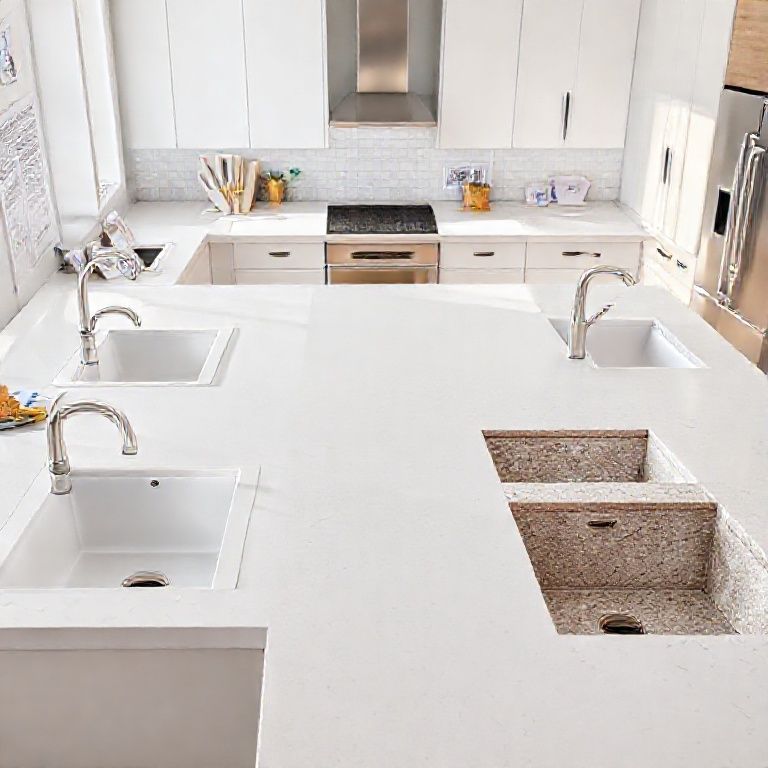
It’s important to note that these prices are approximate and can fluctuate based on regional market conditions and specific project requirements.
Benefits of Marble Flooring
While cost is a significant consideration, it’s crucial to weigh it against the benefits of marble flooring. Here are some key advantages:
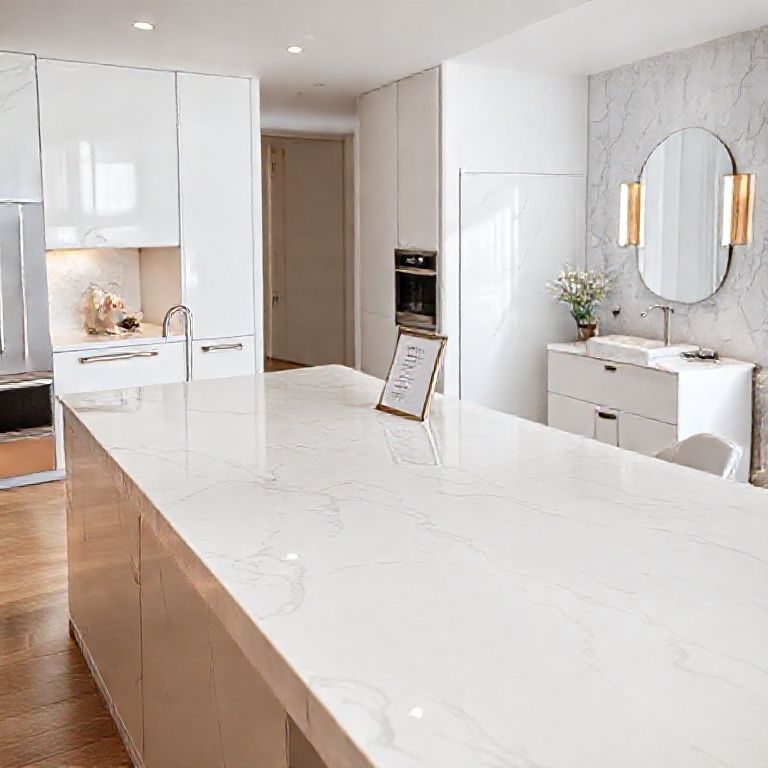
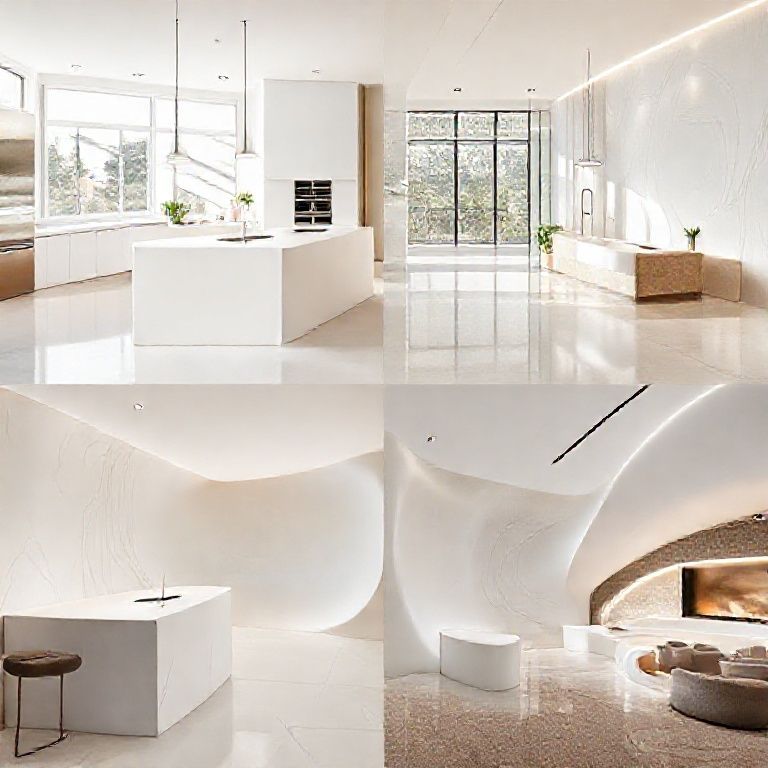
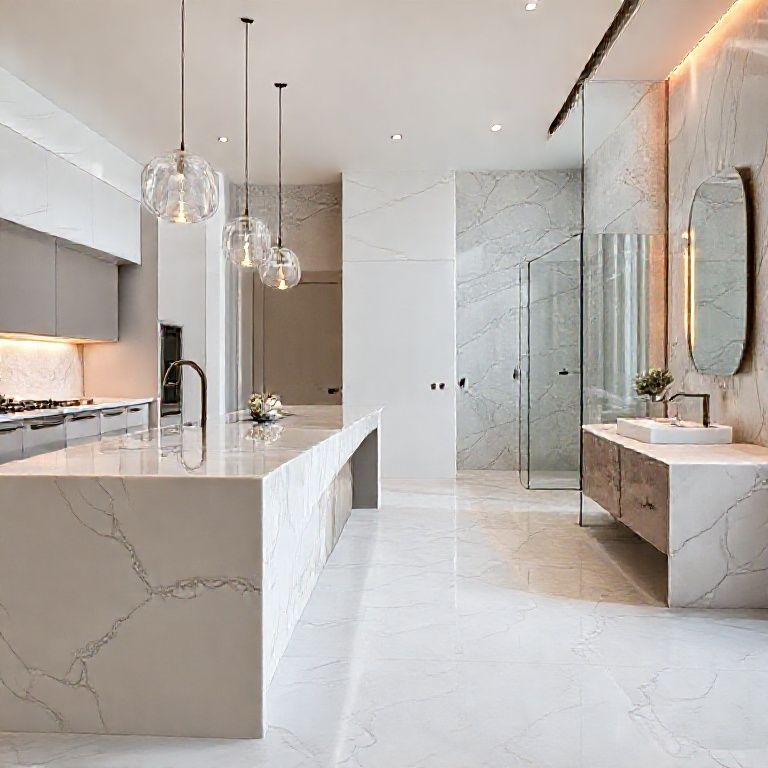
Aesthetic Appeal: Marble’s natural beauty and versatility make it a popular choice for high-end interiors. It complements various architectural styles and can enhance the elegance of any space.
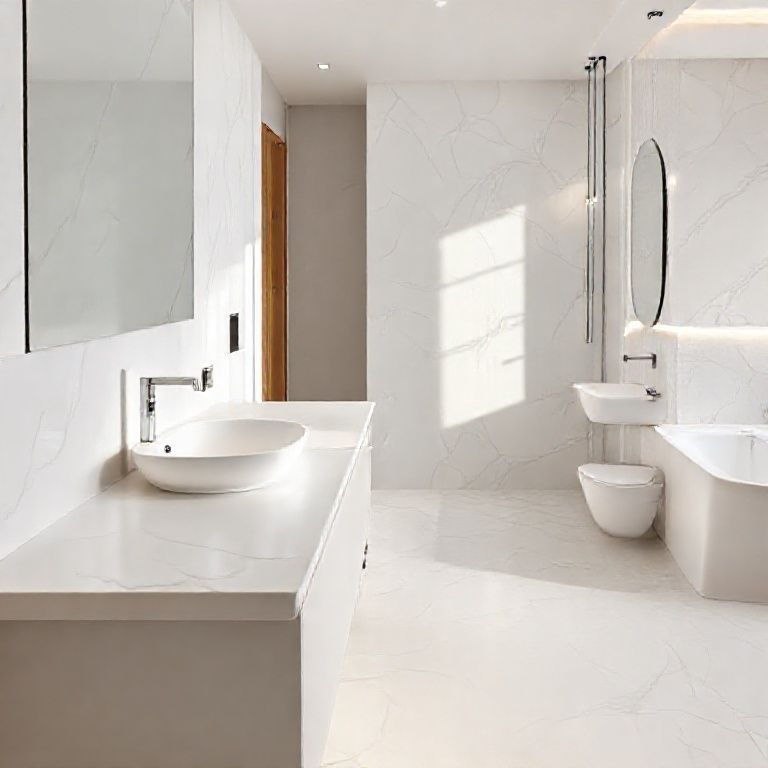
Durability: High-quality marble is incredibly durable and resistant to scratches and stains. With proper maintenance, it can last for decades, providing long-term value.
Easy Maintenance: Marble flooring is relatively easy to clean and maintain. Regular cleaning with mild soap and water, followed by sealing to protect against stains, is usually sufficient.
Heat Resistance: Marble is highly heat-resistant, making it an excellent choice for areas where high foot traffic and heat sources are present, such as kitchens and dining areas.
Versatility: Marble can be used in various settings, from residential homes to commercial spaces like hotels, restaurants, and office buildings, due to its timeless appeal and professional look.
Conclusion
Determining the right price per square meter for marble flooring involves understanding various influencing factors like type, quality, installation, sourcing, and customization. While high-end marbles like Carrara can cost significantly more than budget-friendly options like Onyx, the benefits of marble’s aesthetic appeal, durability, and low maintenance often justify the investment. By considering these elements, you can make a well-informed decision that aligns with both your budget and your desire for a luxurious, long-lasting flooring solution.
Stay tuned for the second part of this guide, where we will delve deeper into the long-term savings, maintenance tips, and expert advice to ensure you get the best value for your marble flooring project.
Maximizing Value and Longevity of Marble Flooring
Once you’ve chosen marble for your flooring project, the next step is to ensure it offers the best value and longevity. This involves understanding long-term savings, proper maintenance, and expert tips to get the most out of your investment.
Long-Term Savings with Marble Flooring
Marble flooring is not just an aesthetic choice; it’s a wise investment that offers several long-term benefits:
Durability and Low Maintenance: High-quality marble is highly durable and resistant to scratches, stains, and heat. Its longevity means you won’t need to replace it frequently, resulting in significant long-term savings. Unlike many other flooring materials, which may need replacement every 5-10 years, marble can last for decades with proper care.
Resale Value: Homes and buildings with high-quality marble flooring often see an increase in their resale value. The timeless elegance and professional appearance of marble can attract potential buyers, adding value to your property.
Reduced Cleaning Costs: Although marble requires regular cleaning, it’s relatively easy to maintain compared to other flooring materials. With proper care, you can avoid costly repairs and replacements, saving on maintenance costs over time.
Maintenance Tips for Marble Flooring
Proper maintenance is key to ensuring that your marble flooring remains beautiful and durable for years to come. Here are some essential tips:
Regular Cleaning: Clean marble floors regularly with a mild soap solution and a soft cloth. Avoid using harsh chemicals or abrasive cleaners, which can damage the surface. After cleaning, rinse the floor thoroughly to remove any soap residue.
Sealing: Seal your marble flooring every 6-12 months to protect it from stains and water damage. Use a high-quality marble sealant that is suitable for the type of marble you have. This step is crucial, especially in high-traffic areas like kitchens and entryways.
Avoiding Spills: Marble is highly susceptible to staining, especially from acidic spills such as wine, juice, and coffee. Wipe up spills immediately with a clean cloth to prevent stains from setting in.
Professional Cleaning: Consider hiring professional cleaning services for deep cleaning and sealing every few years. This ensures that your marble remains in top condition and extends its lifespan.
Expert Advice for Getting the Best Price per Square Meter
To get the best price per square meter for your marble flooring, consider these expert tips:
Research Local Suppliers: Compare prices from local suppliers to avoid additional costs associated with imported marble. Local suppliers often provide more transparent pricing and can offer a wider range of options.
Bulk Purchasing: Buying in bulk can sometimes lead to discounts. Calculate the total square footage of your project and see if suppliers offer volume discounts. This can help reduce the overall cost per square meter.
Timing Your Purchase: The cost of marble can vary with market trends and seasonal fluctuations. Research the market trends and consider timing your purchase during off-peak seasons when prices might be more favorable.
Custom vs. Standard: Decide whether you need custom designs or standard tiles. Custom designs and intricate patterns can significantly increase the cost. If a bespoke look is not necessary, standard tiles might offer a more cost-effective option.
Consult with Experts: Consult with flooring experts or contractors who specialize in marble installations. They can provide valuable insights into the best choices for your specific project and help you avoid costly mistakes.
Conclusion
Investing in marble flooring is a decision that balances aesthetic appeal with practical benefits. By understanding the factors that influence the cost per square meter, adopting proper maintenance practices, and leveraging expert advice, you can maximize the value and longevity of your marble flooring. Remember, while the initial cost may seem high, the durability, low maintenance, and potential resale value make marble a wise investment in the long run.
如何选择合适的大理石类型
色彩和纹理: 白色系:如卡拉拉大理石,适合现代和简约风格。 彩色大理石:如红色的托斯卡纳大理石或蓝色的马赛克大理石,适合富有艺术感和装饰性的设计。 耐污性和耐磨性: 选择高耐污性和耐磨性的大理石类型,如意大利的卡拉拉大理石和法国的布列塔尼大理石。
预算和质量: 高品质的大理石通常价格较高,但其耐用性和美观性能够让投资更为合理。
安装和维护
专业安装: 确保选择经验丰富的专业安装团队,以避免未来可能出现的问题,如裂缝和不平整。 定期保养: 定期清洁和密封大理石地板,避免水渗入和酸性物质的接触,以延长其使用寿命。
环保和可持续性
选择环保材料: 尽量选择那些在生产过程中减少碳排放和环境污染的大理石。 本地采购: 尽量选择本地供应商,以减少运输过程中的碳排放。
设计和搭配
与整体风格匹配: 确保大理石的颜色和纹理与整体室内设计风格协调,以达到最佳的视觉效果。 与其他材料搭配: 可以考虑大理石与木材、玻璃等其他材料的搭配,以增加空间的层次感和美观度。
市场趋势和未来投资
市场需求: 研究市场趋势,了解哪些类型的大理石在目前市场上需求较高。 未来升值潜力: 高质量的大理石地板有可能在未来增值,特别是在房地产市场上,这是一个值得考虑的投资方向。
预算管理
初始投资 vs 长期成本: 平衡初始投资和长期维护成本,确保在预算范围内实现最佳效果。 价格谈判: 与供应商进行价格谈判,寻找性价比最高的选择。
案例研究
成功案例: 研究一些成功的大理石装修案例,了解不同设计和安装方法的效果。 常见问题和解决方案: 了解一些常见的安装和维护问题及其解决方案,以备不时之需。