${part1}
In the realm of interior and exterior design, marble stands out as a timeless and elegant material that has captivated the hearts of architects, designers, and homeowners alike. Known for its natural beauty and durability, marble has been a preferred choice for centuries. However, one question that often arises is, “How much does marble cost per square meter?” To unravel this mystery, we’ll explore the various factors that influence marble pricing and provide you with a detailed understanding of what to expect when planning your marble project.
Understanding the Essence of Marble
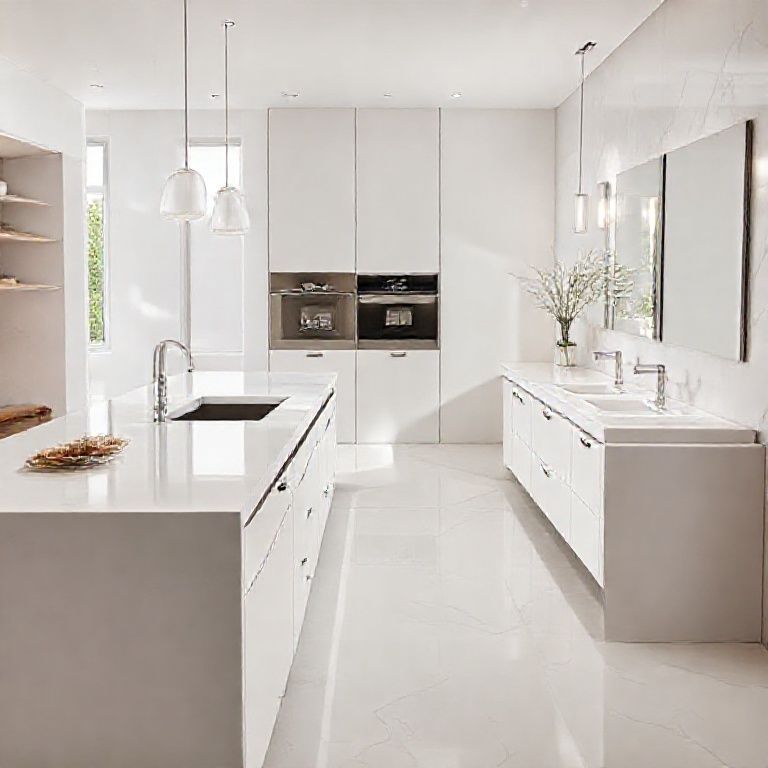
Before diving into the pricing aspect, it’s crucial to understand what marble is and why it commands such a high regard in the construction and design world. Marble is a metamorphic rock composed primarily of calcium carbonate, which undergoes intense pressure and heat, transforming it into a stunning, often intricately veined material. Its unique patterns and colors are the result of natural processes that have taken millions of years.
Marble’s appeal lies in its luxurious appearance and versatility. It can be used for flooring, countertops, wall cladding, and even sculptures. The natural beauty of marble makes it a favorite for high-end projects where aesthetic appeal and durability are paramount.
Factors Influencing Marble Prices
The cost of marble per square meter can vary significantly based on several factors. Here are the primary determinants:
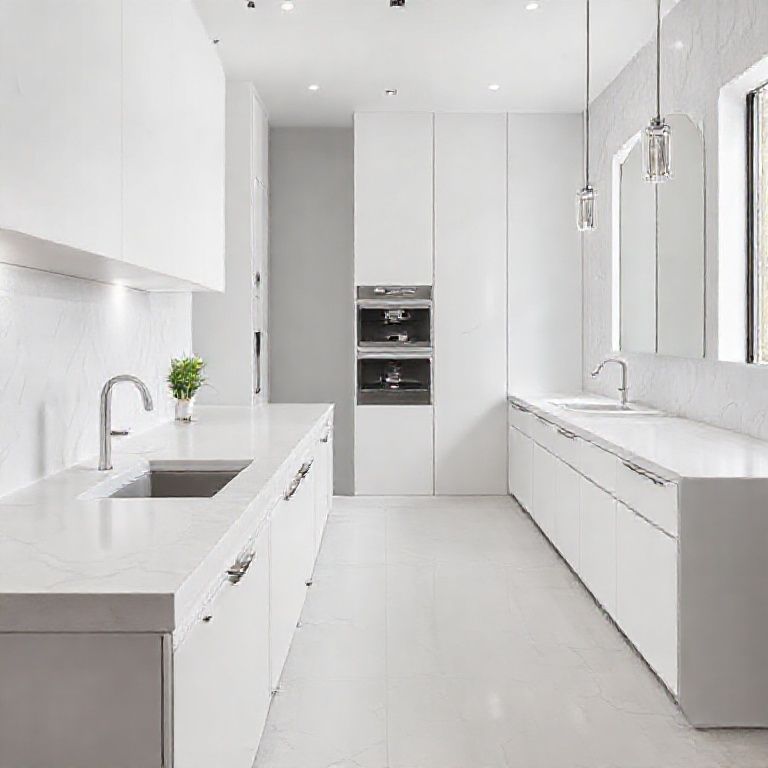
Type of Marble The type of marble plays a crucial role in its price. Marble comes in various types, each with its unique characteristics. Common types include: Italian Marble: Known for its fine quality and intricate veining, Italian marble like Carrara is highly prized and expensive. Indian Marble: Varieties such as Makrana and Rajasthani marble are popular due to their affordability and aesthetic appeal. Turkish Marble: Known for its rich colors and unique patterns, Turkish marble is favored for high-end projects. Chinese Marble: Offers a wide range of colors and patterns, making it versatile and relatively affordable.
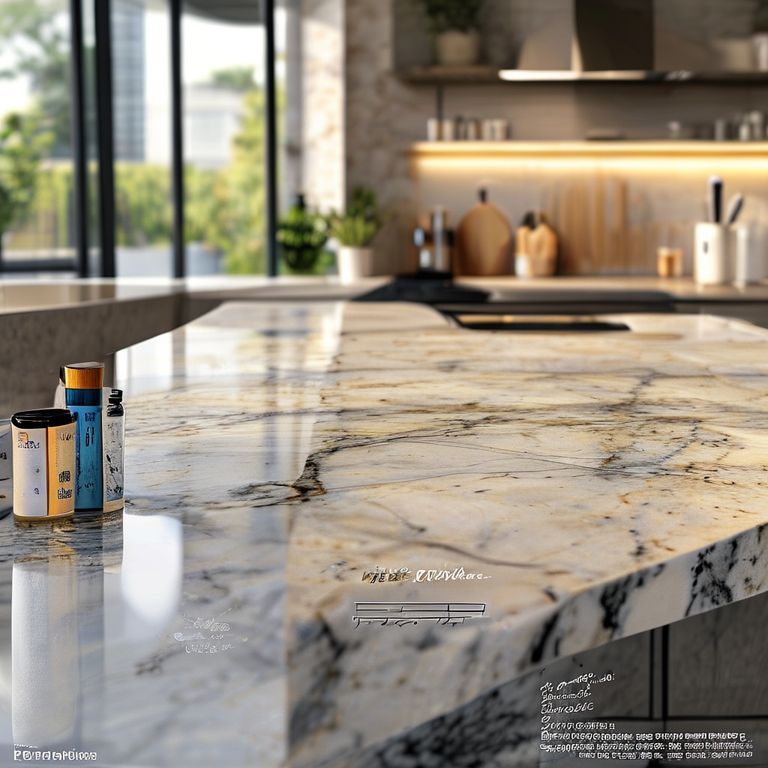
Color and Veining Marble’s color and veining pattern significantly impact its price. Marbles with rare and unique colors or intricate veining patterns are more expensive. For instance, marble with a rich, deep red color or unique swirls and patterns will cost more than a plain, uniformly colored marble.
Quality and Grade The quality and grade of marble determine its durability and aesthetic value. Higher-grade marble is more resistant to scratches, stains, and other forms of wear and tear. This makes it more expensive but also more worthwhile for long-term investment.
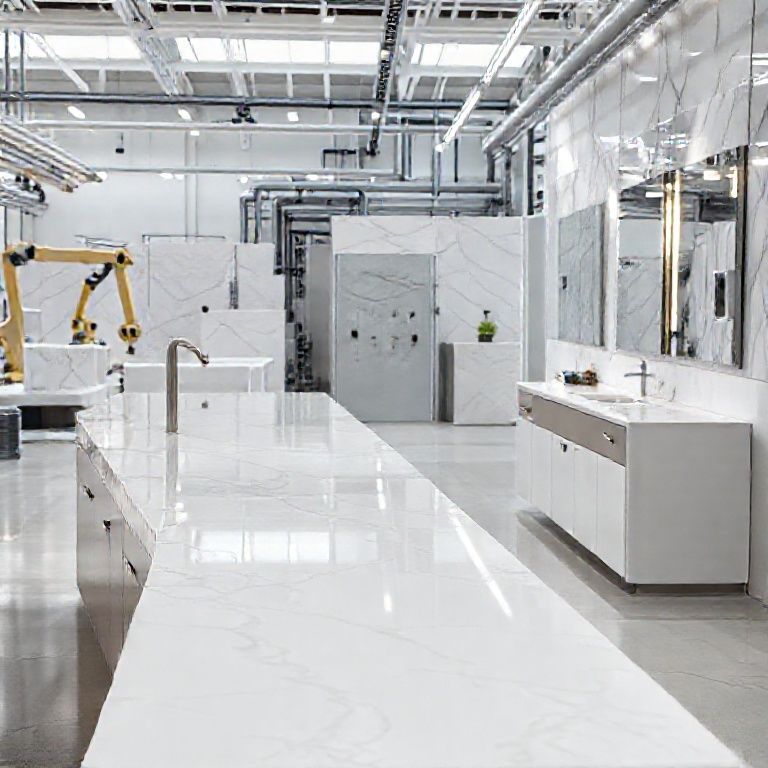
Thickness and Size The thickness and size of marble slabs also affect the cost. Thicker slabs are more durable and require less cutting and trimming, making them more expensive. Similarly, larger slabs often come with a premium due to the efficiency in cutting and transportation.
Geographical Location The geographical location where the marble is sourced can impact its cost. Marble from regions known for high-quality stone, like Italy or Turkey, will generally be more expensive to transport and handle.
Processing and Finishing The processing and finishing of marble, including cutting, polishing, and sealing, add to the overall cost. Higher-quality processing and finishing result in a more polished and durable surface, justifying the increased expense.
Historical Perspective on Marble Pricing
To understand the modern pricing of marble, it’s essential to look back at its historical context. Marble has been used since ancient times, with the Greeks and Romans pioneering its use in monumental architecture. Over the centuries, the demand for marble has fluctuated based on cultural and economic factors.
In the Renaissance period, Italy became the epicenter of marble usage, with cities like Florence and Rome showcasing its beauty in iconic structures like St. Peter’s Basilica and the Leaning Tower of Pisa. This period saw marble prices soar due to its association with opulence and prestige.
Modern Trends in Marble Pricing
Today, the marble market is dynamic and influenced by various global factors. Here are some modern trends shaping marble pricing:
Globalization and Supply Chain The globalization of the marble industry has made it easier to source marble from different parts of the world. However, this also means that shipping and handling costs can vary, impacting the final price. The supply chain, including transportation, customs, and local distribution, plays a significant role in determining the cost.
Technological Advancements Technological advancements in marble cutting and processing have improved efficiency and quality, affecting pricing. While these advancements reduce labor costs, they can also raise the overall price due to the need for advanced machinery and skilled labor.
Sustainability and Ethical Sourcing As the world becomes more conscious of sustainability and ethical sourcing, the demand for environmentally friendly and responsibly sourced marble is growing. This shift can influence the pricing structure, as suppliers who prioritize sustainability may charge a premium for their products.
Market Demand The market demand for marble also plays a crucial role in pricing. High demand, particularly in urban centers where interior and exterior design projects are abundant, can drive up prices. Conversely, periods of low demand may result in more competitive pricing.
Conclusion
Understanding the cost of marble per square meter involves a comprehensive analysis of various factors, including the type, color, quality, processing, and market trends. While marble is undeniably a luxurious and durable material, its price can vary widely based on these determinants. By considering these factors, you can make an informed decision that aligns with your budget and design vision.
In the next part of our exploration, we will delve deeper into specific case studies and real-world examples of marble pricing, providing you with practical insights and valuable information to guide your marble selection process.
${part2}
In our previous section, we explored the multifaceted factors influencing the cost of marble per square meter. Now, we will take a closer look at real-world examples and case studies to provide practical insights into marble pricing. By examining specific projects and market scenarios, we aim to offer you a clearer picture of what to expect when budgeting for marble in your next design endeavor.
Case Studies: Real-World Examples of Marble Pricing
High-End Residential Projects
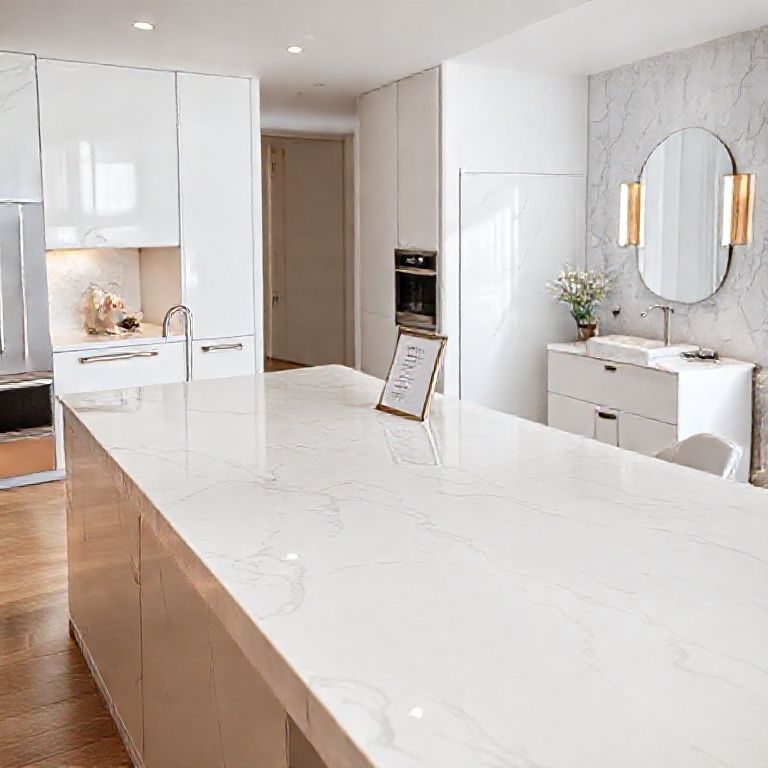
In high-end residential projects, marble is often used for both aesthetic appeal and durability. Let’s consider a luxury home in New York City, where the homeowner opted for Italian Carrara marble for the kitchen countertops and bathroom flooring.
Project Overview:
Material Used: Carrara Marble Total Area: 150 square meters Cost per Square Meter: $200 – $300
Factors Influencing Pricing:
Type of Marble: Italian Carrara marble is known for its fine quality and intricate veining, contributing to its higher price. Color and Veining: The marble chosen had a unique, deep white color with subtle grey veining, which added to its premium pricing. Quality and Grade: The marble was of the highest grade, ensuring durability and resistance to stains. Processing and Finishing: Professional cutting, polishing, and sealing were performed to achieve a flawless finish.
Total Cost: The project’s total cost for marble was approximately $30,000 – $45,000. This example illustrates how the cost per square meter can vary significantly based on the type of marble selected and the associated processing and finishing.
Commercial Interiors
Commercial interiors often require large quantities of marble for flooring, wall cladding, and countertops. Consider a luxury hotel in Dubai, where marble was used extensively throughout the lobby, dining area, and guest rooms.
Project Overview:
Material Used: Turkish Marble Total Area: 500 square meters Cost per Square Meter: $50 – $70
Factors Influencing Pricing:
Type of Marble: Turkish marble, known for its rich colors and unique patterns, was chosen for its aesthetic appeal. Color and Veining: The marble had a rich, deep red color with intricate veining patterns, which added to its visual impact. Quality and Grade: High-quality marble was selected to ensure durability and longevity. Processing and Finishing: Extensive cutting, polishing, and sealing were required to achieve the desired finish.
Total Cost: The total cost for marble in this project was approximately $25,000 – $35,000. This example highlights how commercial projects often require larger quantities, which can influence the overall cost per square meter.
Public Buildings
Public buildings, such as government offices and museums, often use marble to convey a sense of grandeur and permanence. Let’s examine a government office in Rome, where marble was used for the reception area and main corridors.
Project Overview:
1. 选择合适的大理石类型
耐磨性: 公共建筑的高流量区域需要使用耐磨的大理石。例如,地板和走廊应选择耐磨性更强的品种,如意大利的Carrara大理石或者中国的洱源大理石。 抗污性: 公共区域通常需要抗污性更强的大理石,以便于清洁和维护。选择经过特殊处理的大理石可以提高其抗污性能。
2. 颜色和图案
统一性和美观性: 大理石的颜色和图案应与建筑风格和主题相协调。如果建筑具有特定的历史或文化背景,可以选择与之相匹配的大理石颜色和图案。 视觉效果: 使用大理石时,需要考虑其视觉效果。例如,在地板和墙面上使用大理石时,可以通过不同颜色和图案的组合来创造视觉上的层次感和兴趣点。
3. 维护和保养
清洁: 公共建筑需要频繁清洁,因此选择易于清洁的大理石非常重要。使用专门的大理石清洁剂和工具可以延长大理石的使用寿命。 保护: 可以使用大理石护理剂和抛光剂来保护其表面,防止划痕和污渍。定期的保养可以确保大理石的光泽和美观。
4. 环境和安全因素
温度和湿度: 在选择大理石时,需要考虑建筑的温度和湿度环境。某些大理石在高温或高湿环境下可能会出现开裂或膨胀问题,因此需要选择耐高温和耐湿的大理石。 安全性: 在高流量的公共区域,大理石地板需要保持光滑,以避免人员滑倒。定期的打磨和抛光可以保持地板的光滑度,提高安全性。
5. 预算和成本效益
初始成本和长期效益: 虽然大理石的初始成本可能较高,但其耐久性和美观性使其在长期使用中具有更高的成本效益。因此,在预算允许的情况下,选择质量更好的大理石可以节省后期的维护和更换成本。
6. 可持续性
环保材料: 在选择大理石时,也可以考虑环保材料。选择经过认证的环保大理石,可以减少对环境的影响,同时也符合现代建筑的可持续发展要求。
7. 专业设计和施工
设计: 专业的建筑设计师和室内设计师可以根据具体需求,提供最佳的大理石选择方案。他们能够考虑到建筑的功能性、美观性和维护性,提供全方位的设计建议。 施工: 专业的大理石工人可以确保大理石的安装和维护工作质量,从而延长其使用寿命。
总结
在公共建筑中使用大理石时,需要综合考虑材料的耐用性、美观性、维护成本以及环境因素。通过科学的选择和专业的设计与施工,可以确保大理石在公共建筑中的美观和功能性,同时满足长期使用的需求。