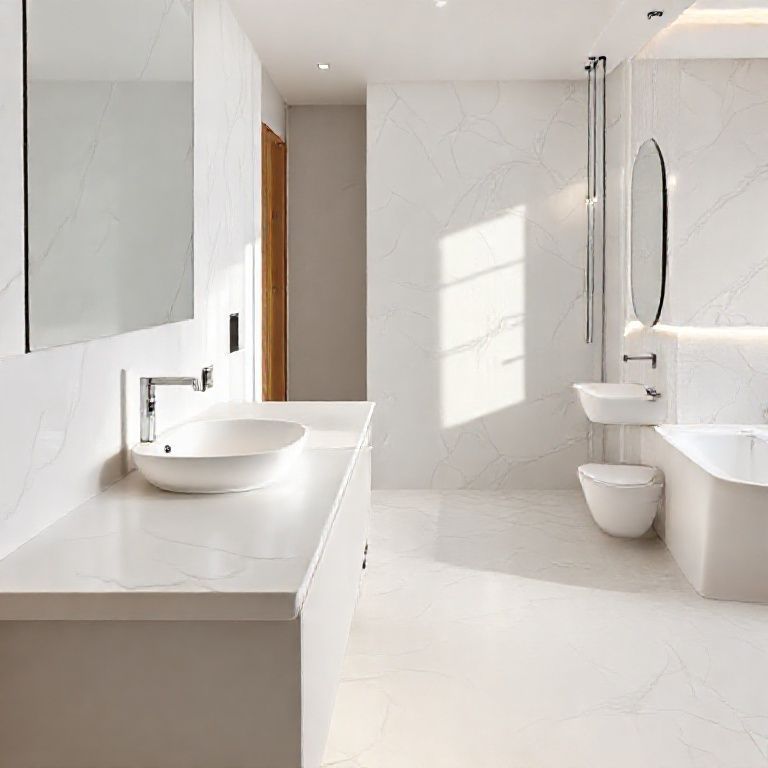
Unveiling the Cost of Marble: What is the Typical Price Per Square Foot?
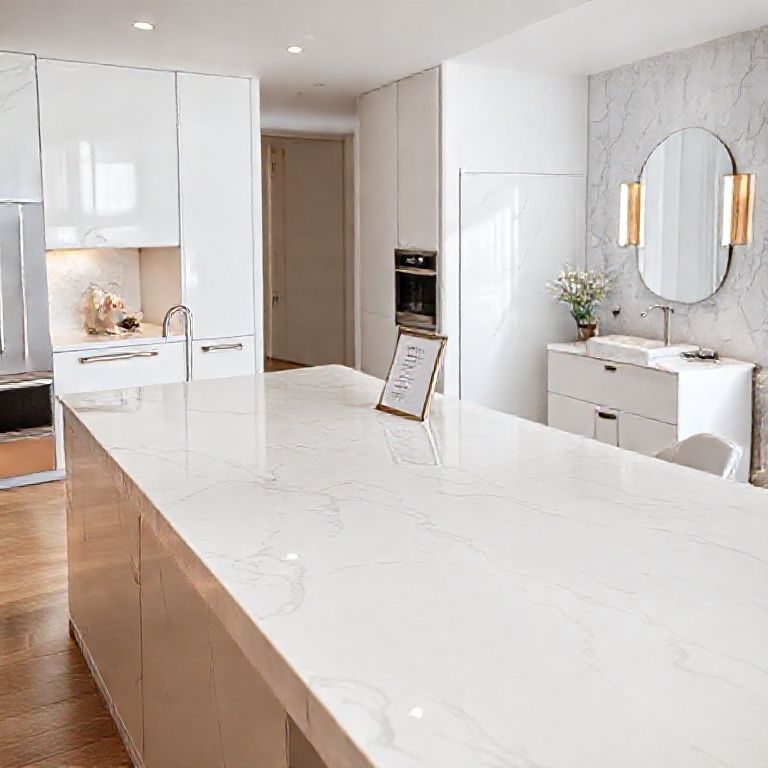
Marble has long been revered for its timeless elegance and luxurious appearance. Whether you’re considering marble for your kitchen countertops, bathroom floors, or even your office space, understanding the cost per square foot is crucial for budgeting and decision-making. In this first part of our comprehensive guide, we will delve into the intricacies of marble pricing, examining the different types of marble, the factors that influence its cost, and some key considerations for purchasing marble.
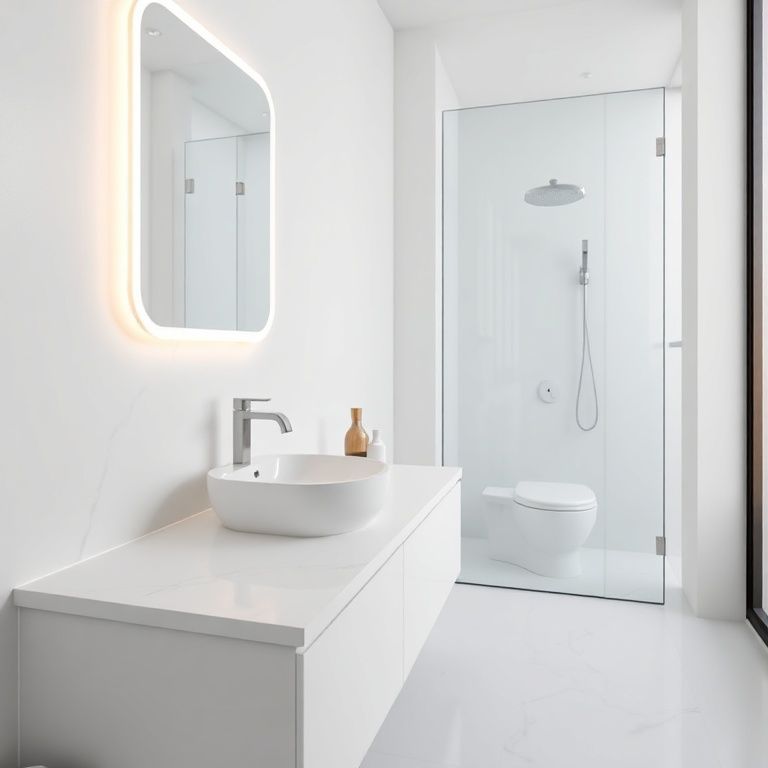
Understanding the Various Types of Marble
Marble comes in a myriad of colors, patterns, and finishes, each bringing unique beauty and value. The type of marble you choose will significantly impact its cost per square foot. Here are some of the most popular types of marble:
Italian Marble: Known for its classic beauty and timeless appeal, Italian marble, particularly Carrara, is a favorite among high-end designers and architects. It features a range of colors from pure white to deep gray, often with intricate veining that adds to its elegance.
Indian Marble: India is home to some of the finest marble quarries in the world, producing marbles that range from pure white to rich, dark hues. Marbles like Jaisalmer and Makrana are highly sought after for their unique patterns and vibrant colors.
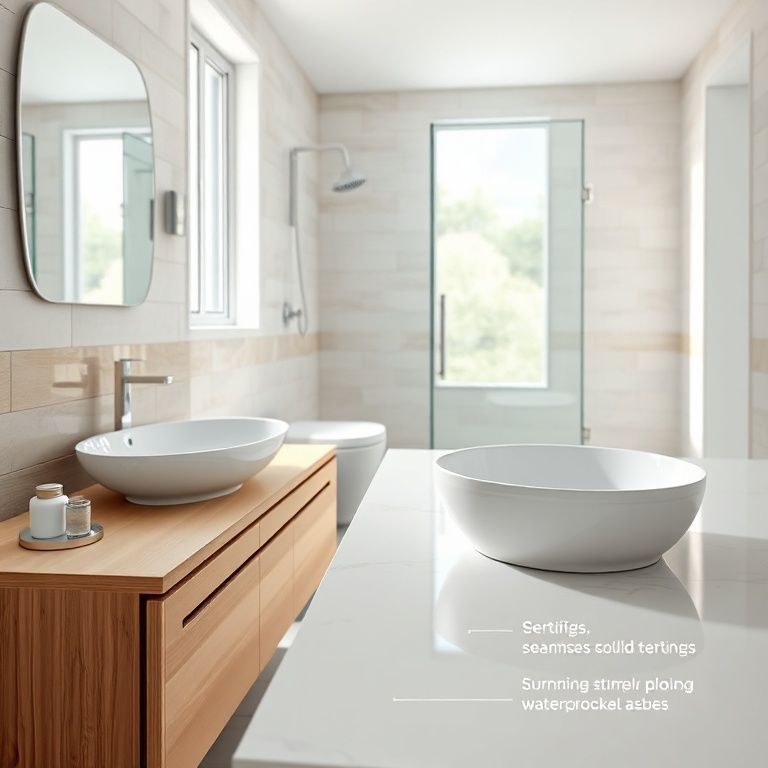
Turkish Marble: Turkey offers a variety of marbles that are prized for their striking patterns and durability. Marbles like Dikili, Sivas, and Ulukışla are popular choices for both residential and commercial projects.
Brazilian Marble: Brazilian marble is renowned for its bold colors and striking patterns. Marbles like Travertine and São Gabriel are celebrated for their unique textures and hues, making them ideal for high-visibility areas.
Chinese Marble: China has a growing reputation for producing high-quality marble. Marbles like Zhangjiajie and Lantian are known for their intricate veining and vibrant colors.
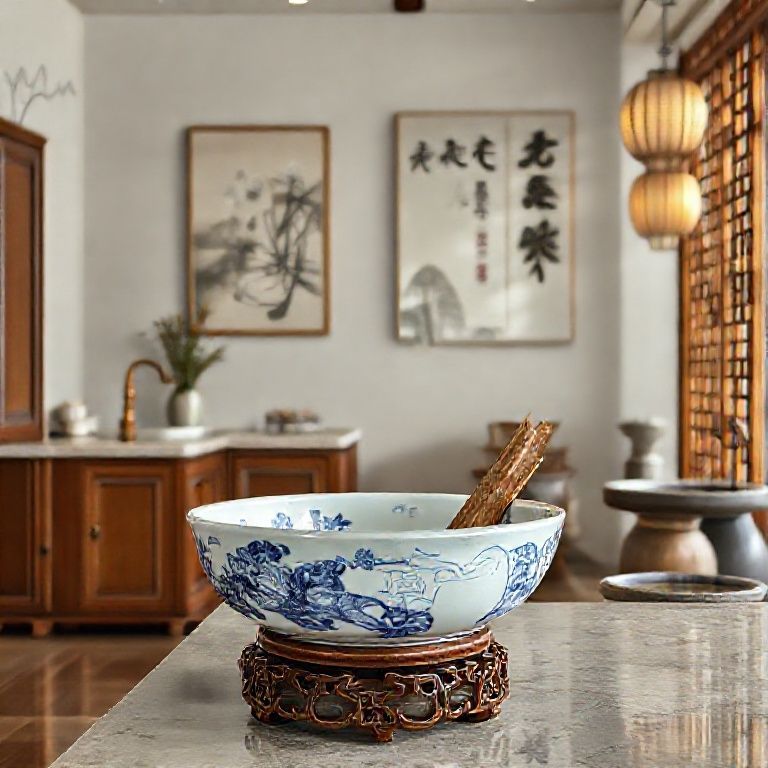
Factors Influencing Marble Cost Per Square Foot
Several factors influence the cost of marble per square foot. Here are some of the primary elements to consider:
Type of Marble: As previously mentioned, the type of marble chosen will significantly affect its cost. Higher-quality marbles with more intricate patterns and colors typically cost more per square foot.
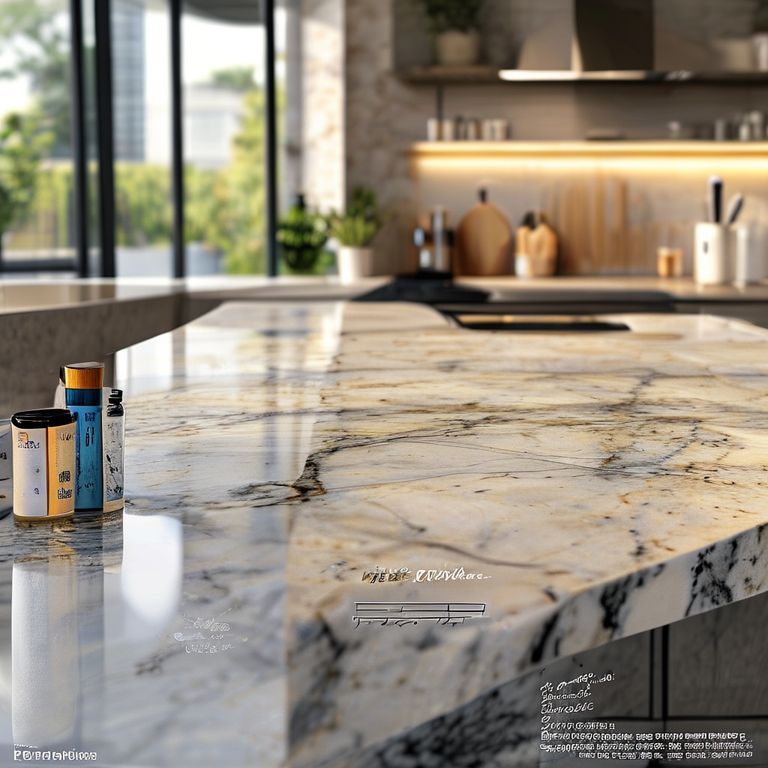
Color and Veining: Marbles with unique and complex veining patterns are usually more expensive. For example, marbles with rare colors or striking patterns often command a higher price.
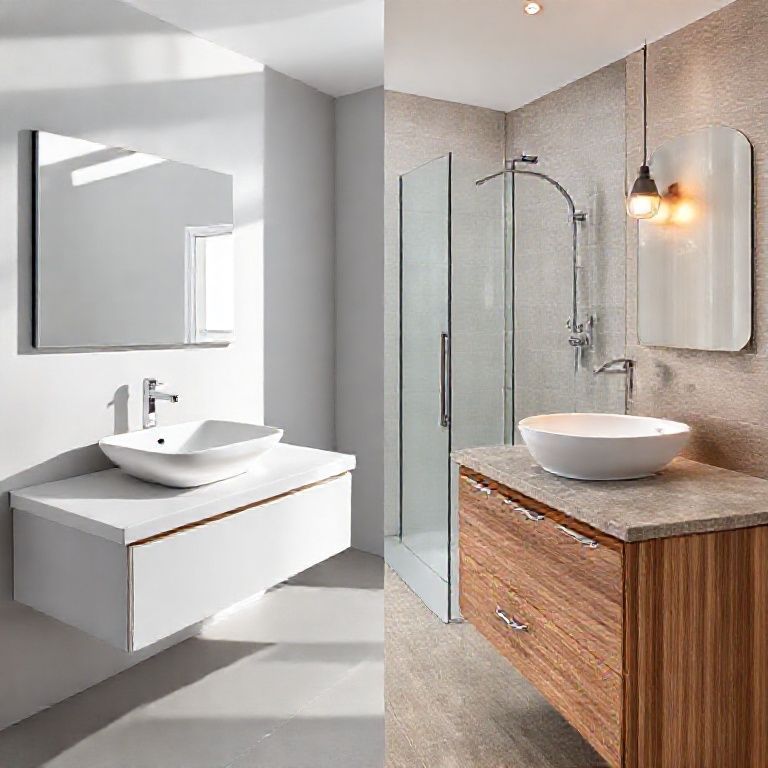
Quality and Purity: The quality and purity of the marble also play a crucial role. Marbles that are free from blemishes and have a uniform color and texture will generally be more expensive.
Size and Shape: The size and shape of the marble slabs or tiles will impact the cost. Custom cuts or irregular shapes may incur additional charges.
Transport and Handling Costs: The distance the marble needs to be transported can affect the final cost. Marble is a heavy and delicate material, and shipping costs can add to the overall price.
Installation Costs: While this is not a direct cost of the marble itself, the labor required for installation can vary significantly based on the complexity of the project and the expertise of the installers.
Key Considerations for Purchasing Marble
When purchasing marble, it’s essential to consider not just the cost per square foot but also the long-term value and durability of the material. Here are some key considerations:
Durability: Marble is a durable material that can withstand heavy use, but it is also prone to staining and scratching. Choosing a high-quality marble with a good finish can enhance its longevity.
Maintenance: Marble requires regular maintenance to keep its beauty and integrity. It is essential to use appropriate cleaning products and to avoid harsh chemicals that can damage the surface.
Budgeting: While high-quality marble may have a higher upfront cost, its durability and aesthetic appeal can make it a worthwhile investment in the long run. It’s important to budget not just for the cost per square foot but also for maintenance and potential replacement costs.
Design Integration: The way marble integrates with the overall design of the space is crucial. Consulting with a professional designer can help ensure that the chosen marble complements the existing décor and enhances the overall ambiance.
Sustainability: As with any building material, it’s important to consider the environmental impact. Some marbles are sourced more sustainably than others, and choosing responsibly can be a significant factor in your decision-making process.
In the next part of this guide, we will explore in more detail the installation process, provide tips for selecting the right marble for specific projects, and offer insights into the latest trends in marble design. Stay tuned for more valuable information to help you make the best choice for your marble needs.
Unveiling the Cost of Marble: What is the Typical Price Per Square Foot?
In the previous part of our guide, we explored the various types of marble, the factors that influence its cost per square foot, and some key considerations for purchasing marble. Now, in the second part, we will delve deeper into the installation process, provide tips for selecting the right marble for specific projects, and offer insights into the latest trends in marble design. By the end of this part, you’ll have a comprehensive understanding of how to navigate the world of marble to achieve the perfect blend of beauty and value in your space.
Installation Process and Considerations
Proper installation of marble is crucial to ensure its longevity and aesthetic appeal. Here are some important considerations for the installation process:
Professional Installation: Marble installation requires specialized skills and tools. It’s highly recommended to hire experienced professionals to ensure that the marble is cut, laid, and sealed correctly. Professional installers can also help prevent potential issues such as cracking or uneven surfaces.
Surface Preparation: Proper surface preparation is essential for a successful marble installation. The underlying surface must be clean, level, and free from any contaminants. This often involves removing old flooring, leveling the surface, and ensuring that it is dry and stable.
Adhesive Selection: Choosing the right adhesive is critical for securing marble to the surface. High-quality, flexible adhesives are recommended to accommodate minor movement and to ensure long-lasting adhesion.
Cutting and Fitting: Marble needs to be cut to fit the specific dimensions of the space. Precision cutting is essential to avoid gaps and ensure a seamless look. Professionals will use specialized tools to achieve clean cuts and perfect fits.
Sealing: Sealing marble after installation is important to protect it from stains and spills. A good quality sealer will help maintain the marble’s appearance and extend its lifespan. It’s typically recommended to seal the marble within 24 hours of installation and then periodically thereafter.
Tips for Selecting the Right Marble
Choosing the right marble for your project involves careful consideration of several factors. Here are some tips to help you make an informed decision:
Purpose and Usage: Consider how the marble will be used and the level of foot traffic it will receive. High-traffic areas may require a more durable marble, while low-traffic areas may allow for more ornate and expensive options.
Color and Pattern: Choose a color and pattern that complements the existing décor and enhances the overall aesthetic of the space. Neutral colors are often versatile and timeless, while bold colors and unique patterns can make a striking statement.
Budget: Determine your budget before selecting the marble. High-quality marbles can be expensive, so it’s important to balance cost with durability and aesthetic appeal.
Maintenance: Consider the maintenance requirements of the marble. Some marbles require more frequent cleaning and sealing than others. Choose a marble that fits your maintenance capabilities and preferences.
Customization: For unique projects, consider custom cuts and designs. While this may increase the cost per square foot, it can result in a highly personalized and beautiful finish.
Latest Trends in Marble Design
The world of marble design is continually evolving, with new trends emerging that push the boundaries of creativity and functionality. Here are some of the latest trends to consider:
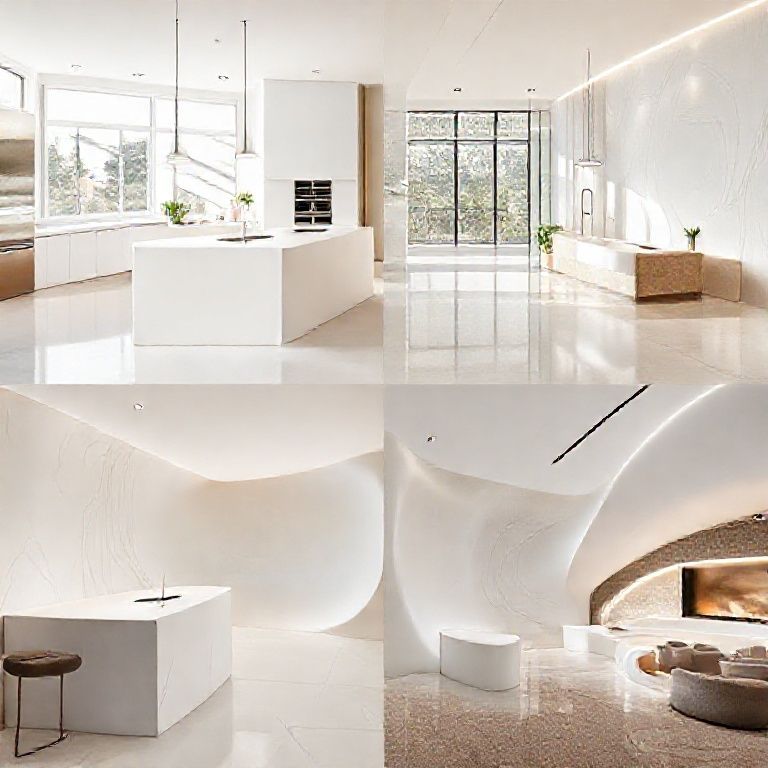
Minimalism: Minimalism continues to be a popular trend, with clean lines, neutral colors, and simple patterns. This trend emphasizes simplicity and elegance, making it ideal for modern and contemporary spaces.
Bold Colors and Patterns: While minimalism remains popular, there is also a growing trend towards bold colors and intricate patterns. Designers are increasingly using marbles with striking hues and unique veining to create dramatic and eye-catching features.
Mixed Materials: Combining marble with other materials like wood, metal, and glass is a popular trend. This creates a harmonious yet dynamic look, adding texture and depth to the overall design.
Sustainable Options: Sustainability is becoming a more significant factor in marble selection. Designers are increasingly choosing marbles that are sourced sustainably and have a lower environmental impact.
Functionality: Marble is not just about aesthetics; it also offers functional benefits. Innovations in marble technology are allowing for the creation的更加耐用和多功能的材料。
例如,研发出具有更高抗刮擦、抗污染和耐高温性能的新型大理石。这些新材料不仅美观,还能够在更苛刻的环境下保持其优雅和完美的外观。
文化融合: 现代设计越来越多地融合了不同文化的元素,这也包括了大理石的使用。设计师们会选择具有特定文化背景的大理石,以创造独特的、具有地方特色的设计,这不仅展示了艺术的多样性,还增加了材料的文化价值。
智能化: 随着科技的进步,智能化设计也开始渗透到大理石的应用中。例如,可以在大理石表面嵌入传感器,以监测环境变化,或者在大理石中嵌入光纤,以实现照明效果。这种创新不仅提升了大理石的功能性,还增加了其科技感。
环保和可持续性: 随着全球对环保和可持续发展的关注,选择环保材料和采用绿色制造工艺也成为趋势。一些大理石供应商正在探索如何减少矿石开采对环境的影响,并提升材料的再生利用率。一些新型大理石也是通过再生材料制成的,减少了对自然资源的依赖。
个性化定制: 现代消费者对个性化和定制化需求日益增加,大理石也不例外。许多设计师和工匠提供定制化服务,根据客户的特殊需求和喜好,设计和制作独一无二的大理石作品。
高科技抛光和处理: 现代科技使得大理石表面处理达到了新的高度。先进的抛光和处理技术使得大理石表面更加光滑、平整,并且能够展现出更加绚丽的色彩。这些技术还能提升材料的抗污能力和耐用性。
无论是在家庭装修、商业空间还是公共建筑中,大理石因其美观、耐用和多功能性,依然是首选的材料。未来,随着技术的进步和设计理念的创新,大理石的应用将会更加广泛和多样化。