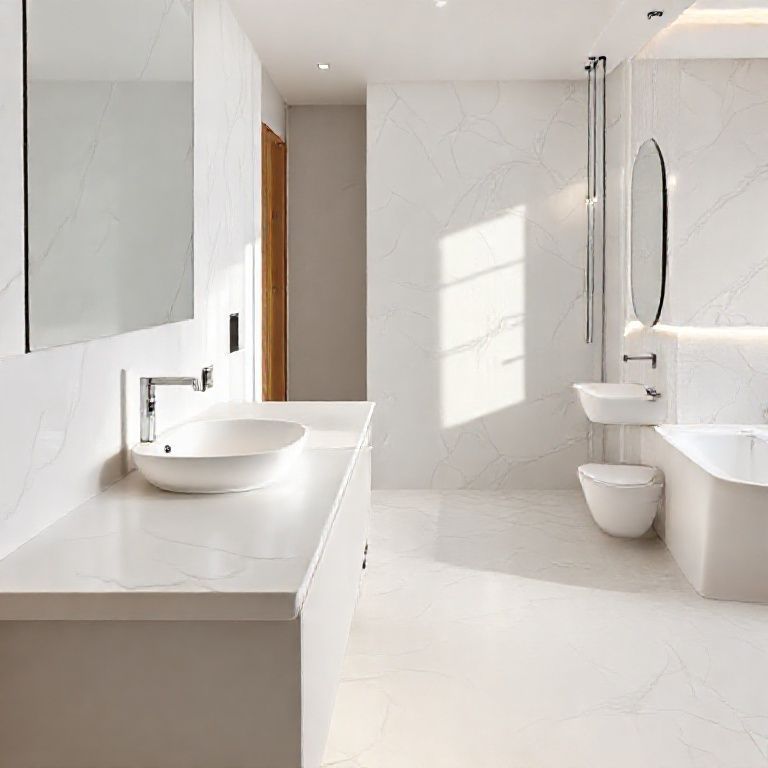
The Basics of Dry-Lay Marble: Materials, Techniques, and Cost Per Square Foot
Introduction to Dry-Lay Marble
Dry-lay marble is a revolutionary technique in the world of flooring that has been gaining popularity for its precision and aesthetic appeal. Unlike traditional methods that require adhesives and grout lines, dry-lay marble involves placing the marble tiles in a specific pattern without using any adhesive. This technique not only allows for a cleaner and more contemporary look but also offers flexibility in design and installation.
Materials for Dry-Lay Marble
The materials needed for dry-lay marble installation are somewhat different from traditional methods. Here’s a detailed look at the key components:
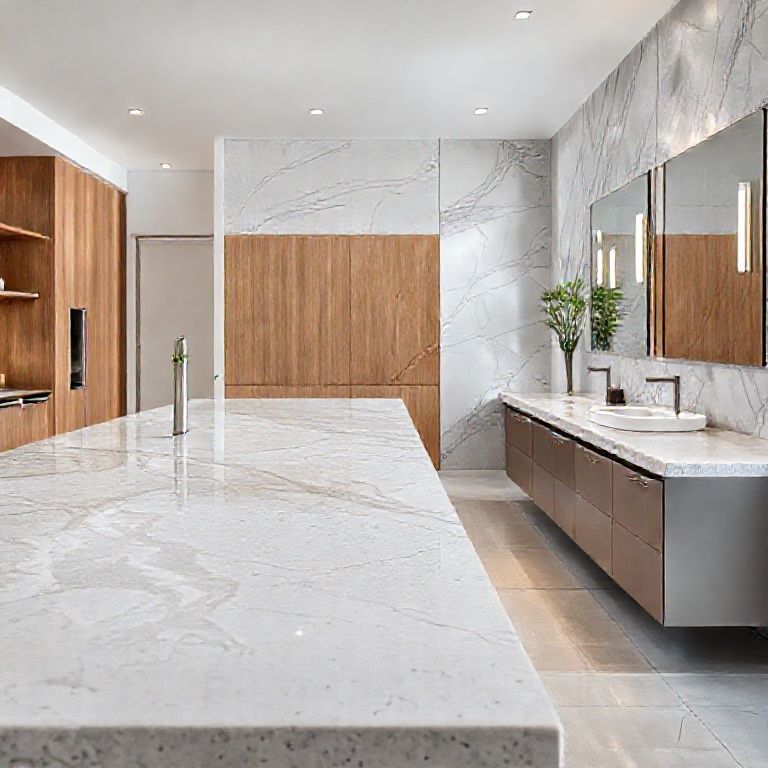
Marble Tiles: The primary material for dry-lay marble is, of course, the marble tiles themselves. High-quality marble tiles are essential to ensure durability and aesthetic appeal. The cost of marble tiles varies widely based on the type, size, and color of the marble.
Spacers: To maintain precise gaps between the tiles, spacers are used. These are small, removable pieces that fit into the gaps between tiles and ensure uniformity.
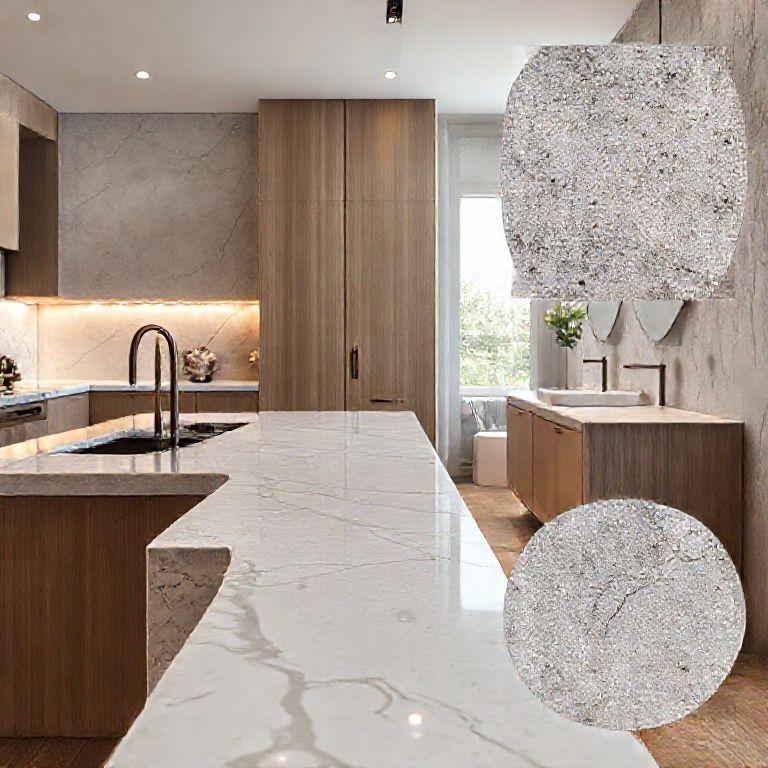
Cleaning Supplies: To keep the marble clean and free of contaminants, which could affect the dry-lay process, specific cleaning supplies are necessary.
Techniques for Dry-Lay Marble
Dry-lay marble installation is a meticulous process that requires precision and patience. Here’s a step-by-step overview of the technique:
Preparation: Begin by thoroughly cleaning the subfloor to ensure it is free of dust, grease, and any other contaminants. The subfloor must be perfectly level and smooth to provide a stable base for the marble tiles.
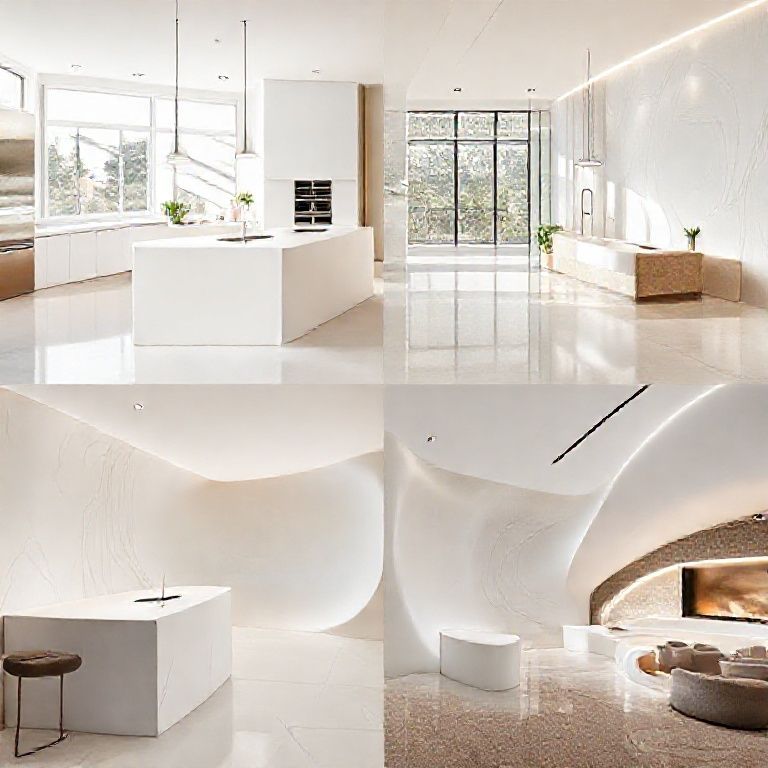
Laying the Tiles: Start placing the marble tiles in the desired pattern. Use spacers to maintain uniform gaps between the tiles. The tiles are laid dry, without any adhesive, which allows for adjustments and corrections if needed.
Adjusting the Tiles: Once the tiles are in place, carefully adjust them to ensure they are perfectly aligned and fit snugly together. This step is crucial for achieving a professional and polished look.
Cleaning: After the tiles are set, clean the surface to remove any residue from the spacers and prepare the tiles for any final touches.
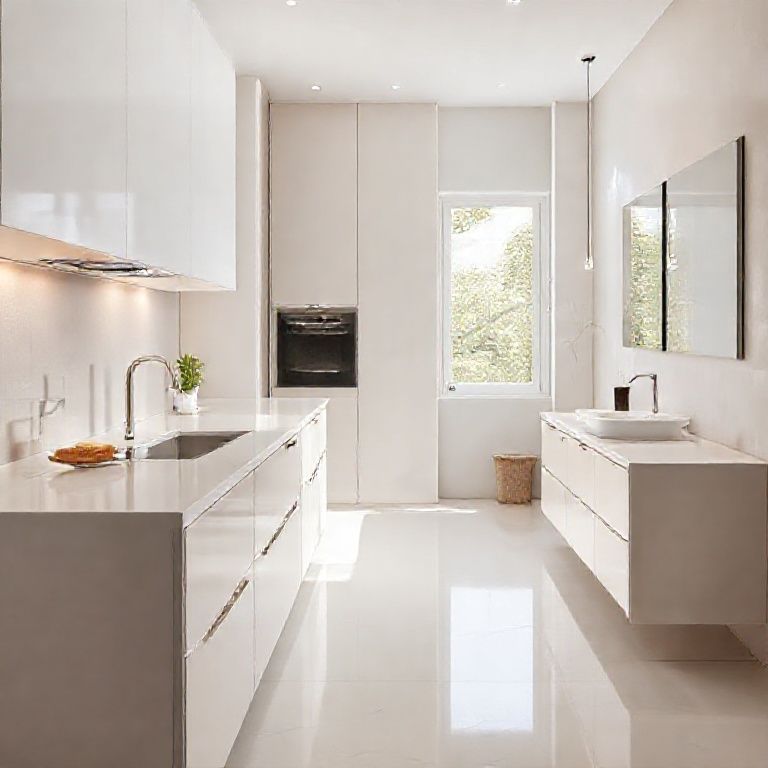
Cost Per Square Foot
Understanding the cost of dry-lay marble installation per square foot is essential for budgeting. Here are the factors that influence the cost:
Type of Marble: The cost of marble tiles varies significantly based on the type, size, and color. High-end marbles like Carrara or Travertine tend to be more expensive than standard varieties.
Labor Costs: Professional labor is required for precise and high-quality dry-lay installation. The cost of labor can vary depending on the complexity of the project and the expertise of the contractor.
Materials: The cost of spacers, cleaning supplies, and other materials needed for the installation will also affect the overall price.
Additional Costs: Factors such as transportation, disposal of waste, and any special design considerations can add to the total cost.
On average, the cost per square foot for dry-lay marble installation ranges from $20 to $50, depending on the aforementioned factors. For a high-end marble installation, costs can exceed $50 per square foot.
Conclusion
Dry-lay marble installation offers a unique and elegant way to enhance the beauty of your space. By understanding the materials, techniques, and cost per square foot involved, you can make informed decisions to achieve a stunning marble finish. In the next part of our guide, we will delve deeper into the advantages of dry-lay marble, the pros and cons compared to traditional methods, and tips for maintaining your marble installation.
Advantages, Considerations, and Maintenance of Dry-Lay Marble
Advantages of Dry-Lay Marble
Dry-lay marble installation has several distinct advantages that make it an attractive option for many homeowners and businesses. Here are some of the key benefits:
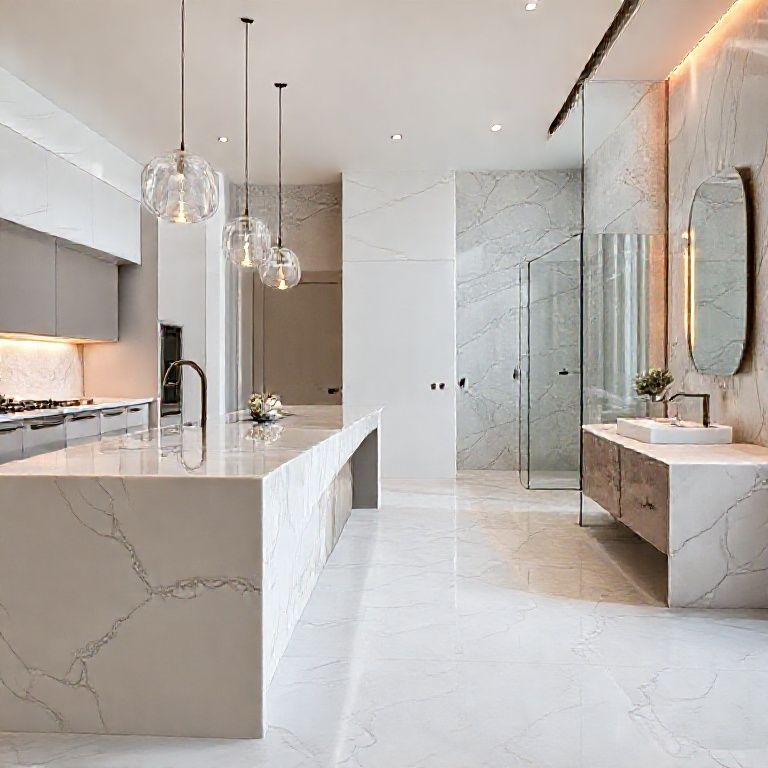
Aesthetic Appeal: Dry-lay marble offers a sleek, contemporary look that can elevate the design of any space. The clean, gap-free installation highlights the natural beauty of the marble, creating a visually striking effect.
Design Flexibility: One of the biggest advantages of dry-lay marble is the flexibility it provides in design. Without the need for adhesives and grout lines, you can experiment with different patterns and layouts without worrying about the limitations of traditional methods.
Durability: High-quality marble tiles are known for their durability and resistance to scratches, stains, and impact. Dry-lay marble installation ensures that the tiles are perfectly aligned and secure, enhancing their longevity.
Ease of Installation: Dry-lay marble installation is often faster and easier than traditional methods. The tiles can be adjusted and moved as needed, allowing for precise placement and reducing the risk of errors.
Considerations for Dry-Lay Marble
While dry-lay marble offers many benefits, there are also some considerations to keep in mind:
Skill Level: Dry-lay marble installation requires a high level of skill and precision. If you’re planning to do it yourself, you’ll need to be very careful and patient to achieve professional results.
Cost: While the cost per square foot can be competitive, the overall cost of a dry-lay marble installation can be higher due to the expertise required and the use of specialized materials.
Maintenance: Dry-lay marble is generally low-maintenance, but it still requires regular cleaning and care to maintain its beauty and longevity. Unlike traditional installations, there are no grout lines to clean, but the marble surface itself needs to be protected with appropriate sealants.
Pros and Cons Compared to Traditional Methods
When comparing dry-lay marble to traditional methods of installation, there are several pros and cons to consider:
Pros:
Clean Look: The gap-free appearance of dry-lay marble offers a clean, modern look that traditional installations cannot match. Flexibility: Greater design flexibility allows for creative patterns and layouts. Minimal Disruption: Dry-lay installation typically causes less disruption to the existing floor and surroundings. Durability: High-quality marble tiles are known for their durability and resistance to wear.
Cons:
Skill Requirement: Requires a skilled professional for precise installation. Higher Cost: Can be more expensive due to labor costs and the use of specialized materials. Maintenance: While low-maintenance, regular cleaning and sealing are still required.
Tips for Maintaining Your Dry-Lay Marble Installation
To keep your dry-lay marble installation looking its best, follow these maintenance tips:
Regular Cleaning: Clean the marble surface regularly using a soft cloth and a pH-neutral cleaner. Avoid using harsh chemicals that can damage the marble.
Sealing: Seal the marble tiles every 6 to 12 months to protect them from stains and spills. Use a high-quality, marble-specific sealant for the best results.
Avoiding Damage: Be mindful of heavy furniture and avoid placing items directly on the marble surface to prevent scratches and dents.
Professional Maintenance: Consider hiring a professional for periodic cleaning and sealing to ensure your marble remains in top condition.
Conclusion
Dry-lay marble installation is a sophisticated and elegant way to enhance your space with a stunning marble finish. By understanding the advantages, considerations, and maintenance requirements, you can make informed decisions to ensure a beautiful and long-lasting installation. Whether you choose to hire a professional or tackle the project yourself, the precision and beauty of dry-lay marble are sure to impress.
For more information on marble installation and to find a reputable contractor, visit our website or contact us directly. Enhance your space with the timeless beauty of dry-lay marble today!