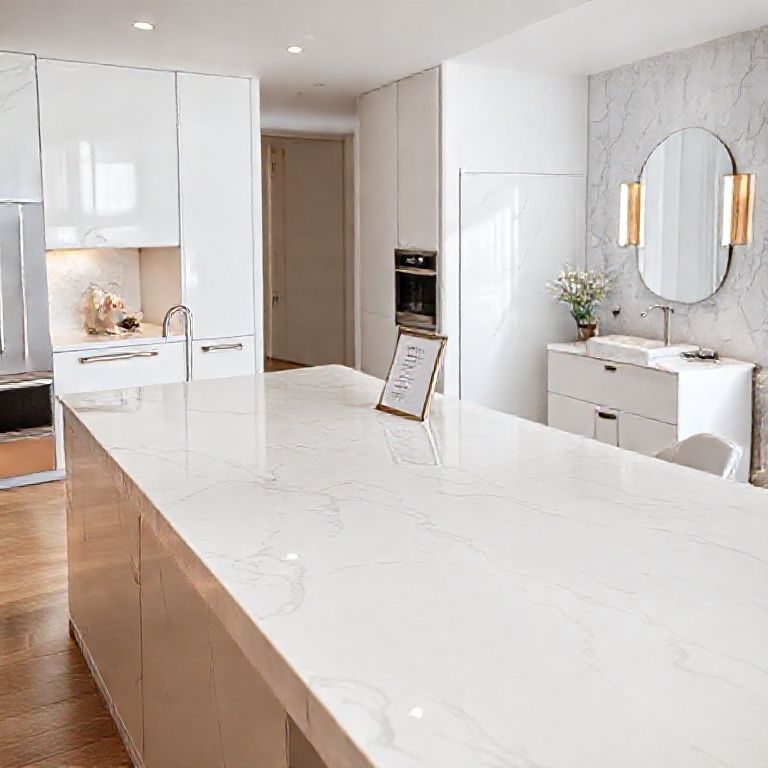
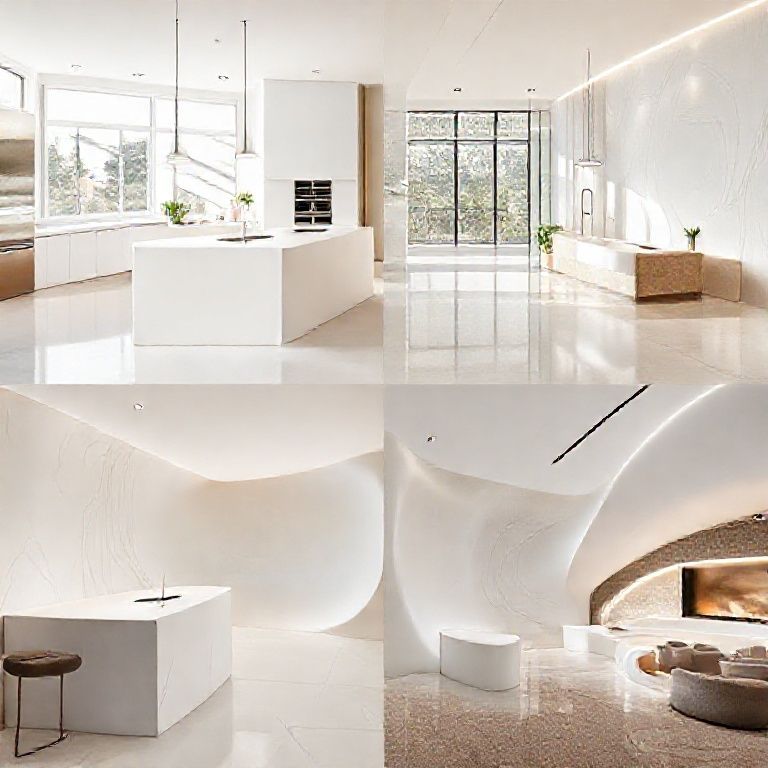
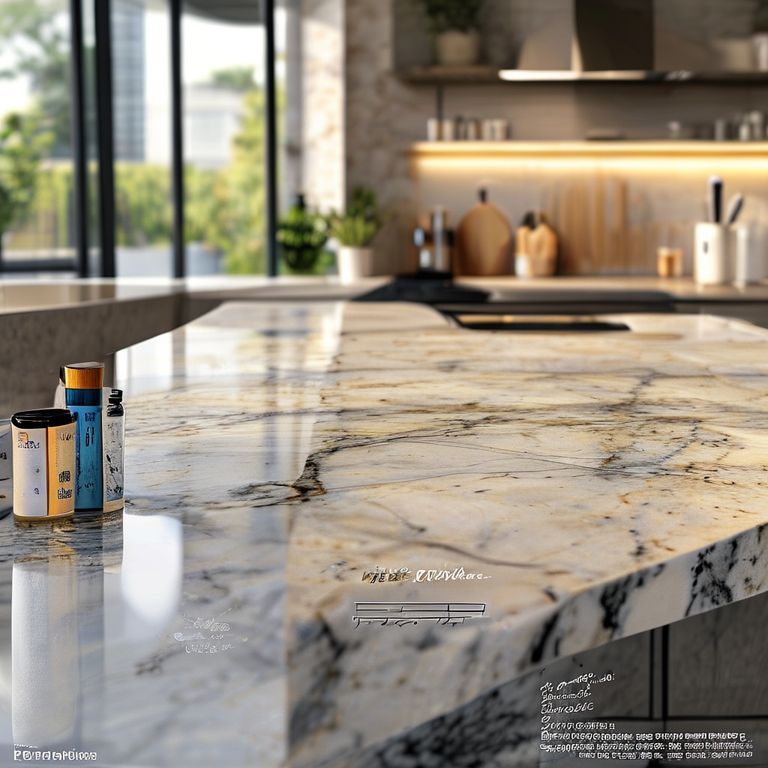
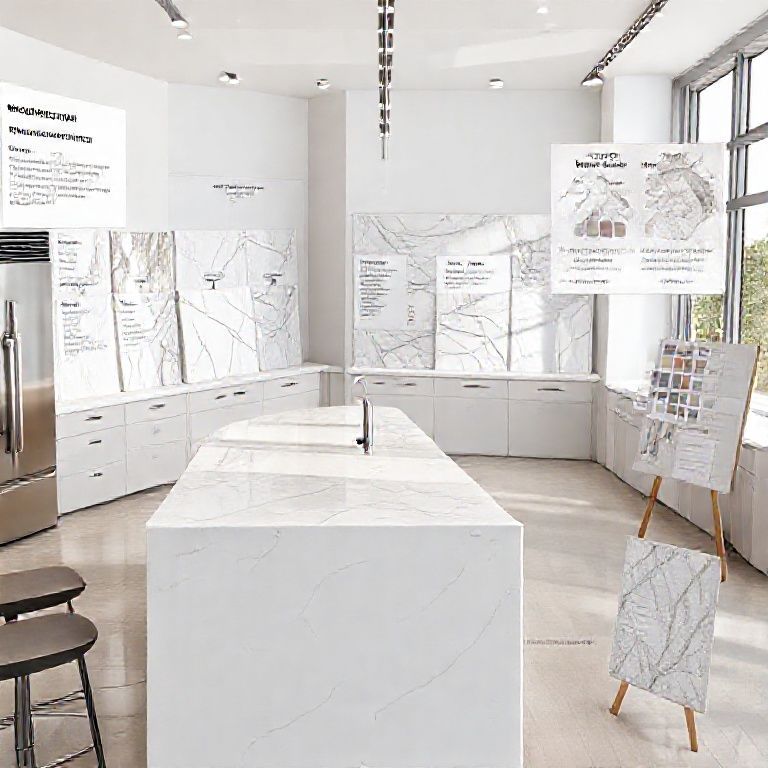
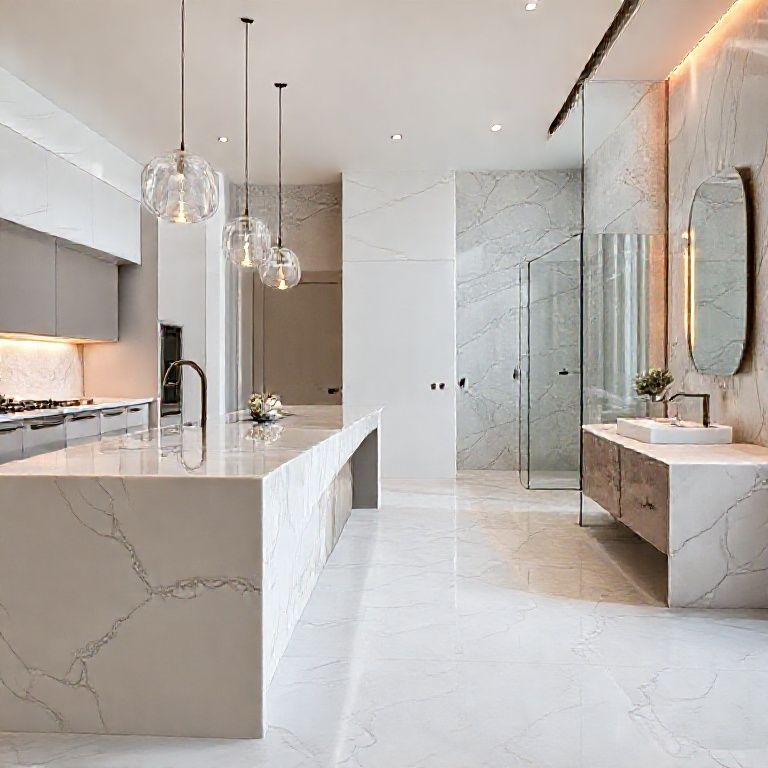
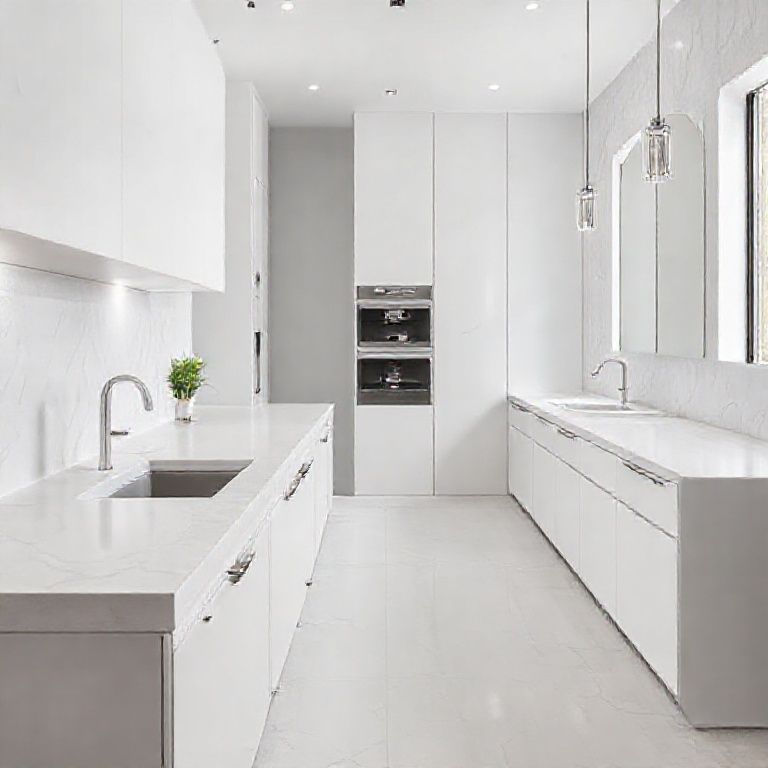
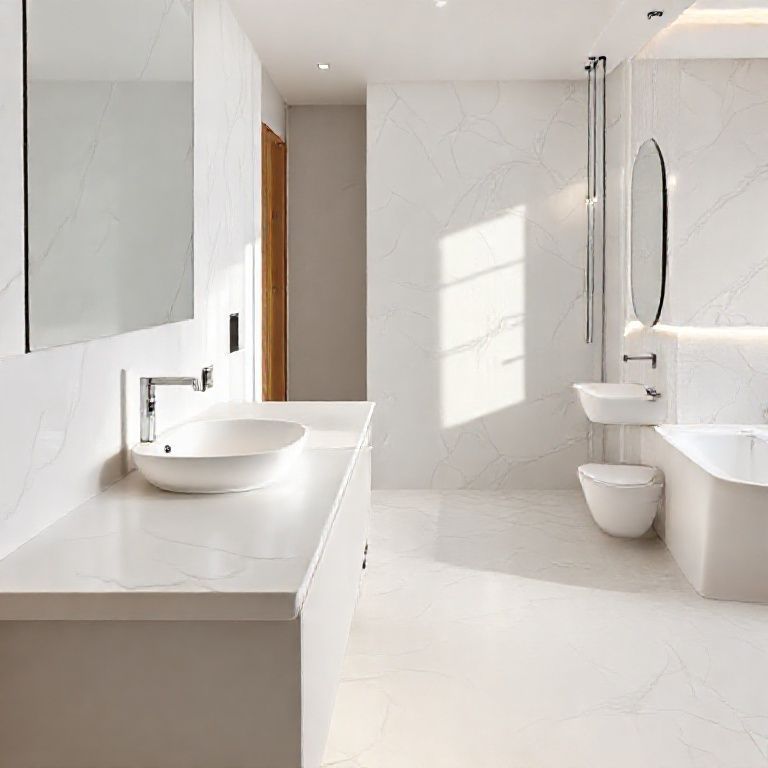
In the realm of luxury and high-end flooring, marble tiles stand out as an epitome of elegance and sophistication. These stunning tiles are not just a decorative element but a statement piece that adds timeless beauty to any space. However, when it comes to laying down marble tiles, understanding the cost per square meter is crucial for anyone planning to invest in this exquisite flooring option. This part of our comprehensive guide will unravel the various factors influencing the cost of marble tile installation and highlight the inherent benefits that make it worth the investment.
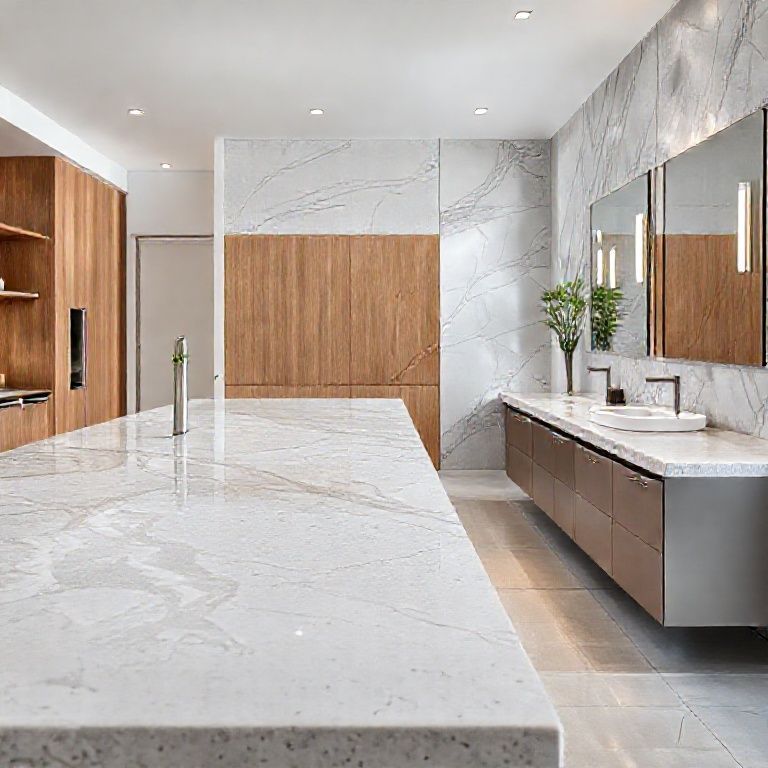
The Cost of Laying Marble Tiles Per Square Meter: Key Factors
When discussing the cost of laying marble tiles per square meter, several critical factors come into play:
Type of Marble Used: Marble comes in a wide variety of types, each with its unique characteristics and price range. For instance, Italian marble like Carrara is renowned for its high quality and pristine white appearance, but it comes with a hefty price tag. On the other end, you have more affordable options like calcite and onyx. The type of marble you choose directly influences the overall cost. Quality of the Tiles: The quality of the marble tiles, including their size, finish, and uniformity, plays a significant role in pricing. High-quality tiles with flawless cuts and uniform color distribution command higher prices. Additionally, the thickness of the tiles can affect the cost, as thicker tiles often require more careful handling and cutting. Installation Complexity: The complexity of the installation process is another pivotal factor. Complex patterns and intricate designs increase the labor cost significantly. The need for specialized labor to achieve the desired aesthetic can also drive up the overall expense. Labor Costs: Skilled labor is essential for laying marble tiles, given their delicate nature. The cost of professional installation can vary widely depending on regional labor costs and the expertise required for the job. High-quality, precise installation often requires more time and thus incurs higher labor fees. Additional Costs: Additional costs such as the price of adhesives, grout, sealants, and other materials needed for the installation must also be factored into the total cost. Furthermore, any necessary preparation work, such as subfloor leveling or moisture proofing, will add to the overall expense.
Benefits of Marble Tiles That Justify the Investment
Despite the relatively higher cost per square meter, marble tiles offer a plethora of benefits that make them a worthwhile investment:
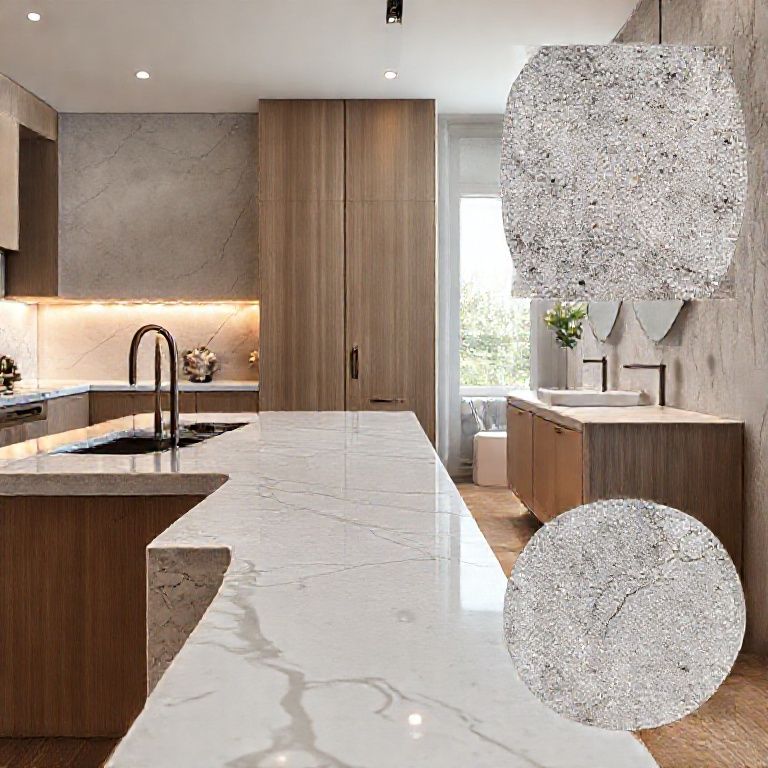
Aesthetic Appeal: Marble tiles exude a timeless elegance and sophistication that can transform any space. Their natural beauty and unique patterns make them a perfect choice for high-end interiors, including homes, restaurants, and commercial spaces. Durability and Longevity: When properly maintained, marble tiles are incredibly durable and long-lasting. They can withstand heavy foot traffic and maintain their pristine appearance for decades. This durability often means fewer replacements and lower long-term maintenance costs. Easy Maintenance: Marble tiles are relatively easy to maintain compared to many other flooring options. They are resistant to stains and scratches, which makes them ideal for high-traffic areas. With regular cleaning and periodic sealing, marble tiles can retain their beauty for years to come. Heat Resistance: Marble is a natural stone that offers excellent heat resistance. This makes it an ideal choice for kitchens and other areas where high temperatures are common. Unlike some synthetic flooring options, marble does not warp or crack under heat. Versatility: Marble tiles can be used in various settings, from residential homes to commercial spaces, and even outdoor areas. Their versatility allows for creative and cohesive design solutions across different environments. Value Addition: High-quality marble tiles can add significant value to a property. Homes and buildings featuring marble flooring are often perceived as more luxurious and can fetch a higher price when it comes to resale. The investment in marble flooring is not just a functional one but also an economic one.
Conclusion
Laying down marble tiles per square meter involves careful consideration of multiple factors that impact the cost. While the price may seem high, the benefits of marble tiles—ranging from their aesthetic appeal to their durability and ease of maintenance—make them a worthwhile investment for those seeking to elevate the look and feel of their space. Whether you are planning a luxurious home renovation or enhancing the ambiance of a commercial establishment, understanding these factors will help you make informed decisions and ensure you get the best value for your investment in marble tiles.
In the previous section, we delved into the factors that influence the cost of laying marble tiles per square meter and highlighted the benefits that make this investment worthwhile. In this part of our comprehensive guide, we will further explore the nuances of installing marble tiles, provide cost estimations based on various scenarios, and offer maintenance tips to ensure your marble flooring remains pristine over the years.
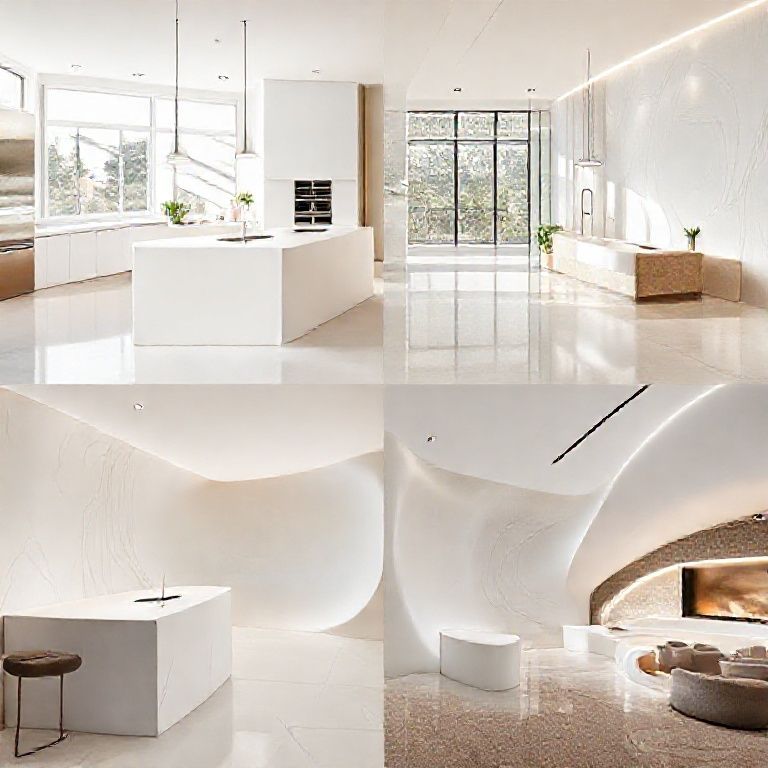
Detailed Cost Estimation for Marble Tile Installation
To get a clearer picture of the cost of laying marble tiles per square meter, let’s break down the expenses in more detail:
Basic Cost Breakdown: Materials: The cost of marble tiles alone can vary greatly depending on the type and quality. High-end marble like Carrara can cost between $20 to $50 per square meter, whereas more affordable options like onyx or calcite can range from $5 to $20 per square meter. Adhesives and Sealants: These materials are essential for a secure and durable installation. On average, you can expect to spend around $2 to $5 per square meter for adhesives and $1 to $3 per square meter for sealants. Grouting: The cost of grouting, which fills the spaces between tiles, ranges from $1 to $3 per square meter, depending on the complexity of the pattern and the type of grout used. Labor Costs: Professional installation of marble tiles typically costs between $5 to $15 per square meter. This includes the labor for cutting tiles, laying them, and finishing the grout lines. Specialized labor for intricate designs can increase this cost further. Total Cost Estimation: For a simple installation in a medium-sized room (approx. 15-20 square meters), the total cost can range from $250 to $1,000. This estimate includes both materials and labor. For larger projects or those requiring specialized design work, the cost can escalate significantly. High-end installations in larger areas can easily reach $2,000 or more.
Step-by-Step Installation Process
To ensure a flawless marble tile installation, follow these steps:
Preparation: Subfloor Preparation: Ensure the subfloor is clean, level, and dry. Any unevenness or moisture can cause tiles to crack or shift over time. Use a self-leveling compound if necessary. Measurement and Layout: Measure the area to be tiled and create a layout plan. Mark guidelines to ensure a straight and even placement of tiles. Cutting Tiles: Use a tile cutter or wet saw to cut tiles to fit around edges and corners. Precision is crucial to ensure a neat and professional finish. Laying Tiles: Start from one corner and lay tiles in a consistent pattern. Use spacers to maintain equal gaps between tiles, which will make grouting easier. Press each tile firmly into继续安装的步骤: Applying Adhesive: Use a notched trowel to spread a layer of adhesive onto the subfloor. The notch size should correspond to the size of your marble tiles. Ensure an even application to avoid bubbles and gaps. Setting Tiles: Place the first tile at the starting point, pressing it firmly into the adhesive. Continue placing tiles, using spacers to maintain consistent gaps. Hold each tile for a few seconds to ensure it adheres well. Grouting: Once all tiles are laid and have set for a few hours, remove the spacers. Use a grout float to apply grout into the gaps between tiles. Push the float at a 45-degree angle to fill all spaces. Wipe off excess grout with a damp sponge, leaving the grout lines filled. Sealing: Allow the grout to cure as per the manufacturer’s instructions, usually 24-48 hours. Once cured, apply a high-quality marble tile sealant to protect the tiles from stains and moisture.
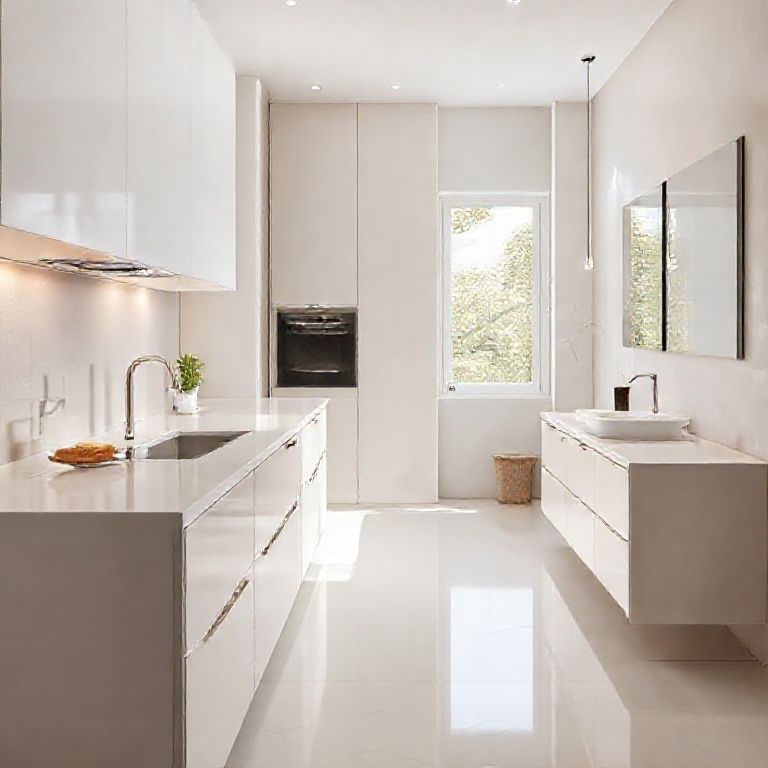
Maintenance Tips for Marble Tiles
To ensure your marble tiles remain beautiful and durable over time, follow these maintenance tips:
Regular Cleaning: Clean marble tiles with a soft cloth and a pH-neutral cleaner. Avoid using acidic cleaners which can etch the marble. For routine cleaning, a mixture of water and vinegar can be used for general upkeep. Immediate Stain Treatment: Blot up any spills immediately with a clean cloth to prevent stains from setting in. For tough stains, use a marble cleaner specifically designed for this purpose. Avoiding Abrasives: Do not use abrasive cleaners or scrubbing pads on marble tiles, as these can scratch the surface. Use non-abrasive pads or cloths for cleaning. Sealing Periodically: Reapply marble sealant every 6-12 months, depending on the level of traffic and exposure to spills. This will help maintain the protective barrier and keep the tiles looking new. Handling with Care: Be cautious with heavy objects and avoid placing them directly on the marble tiles. Use coasters to protect the tiles from spills and heat.
By following these detailed steps and maintenance tips, you can ensure that your marble tile installation not only looks stunning but also lasts for many years, providing a luxurious touch to your space.