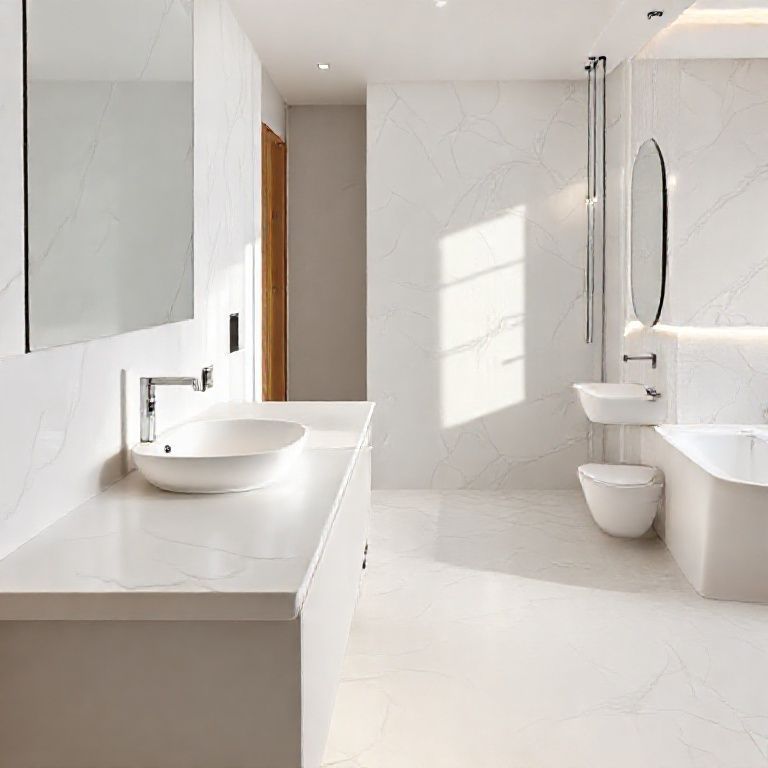
Unveiling the Current Trends and Costs: How Much is Marble Per Square Meter Today?
In the realm of luxury flooring, marble stands unparalleled for its timeless elegance and natural beauty. As a homeowner or business owner, understanding the current trends and costs associated with marble per square meter is essential. In this first part of our detailed guide, we’ll break down the various factors influencing marble prices, the global demand, and provide you with a clearer picture of what to expect in today’s market.
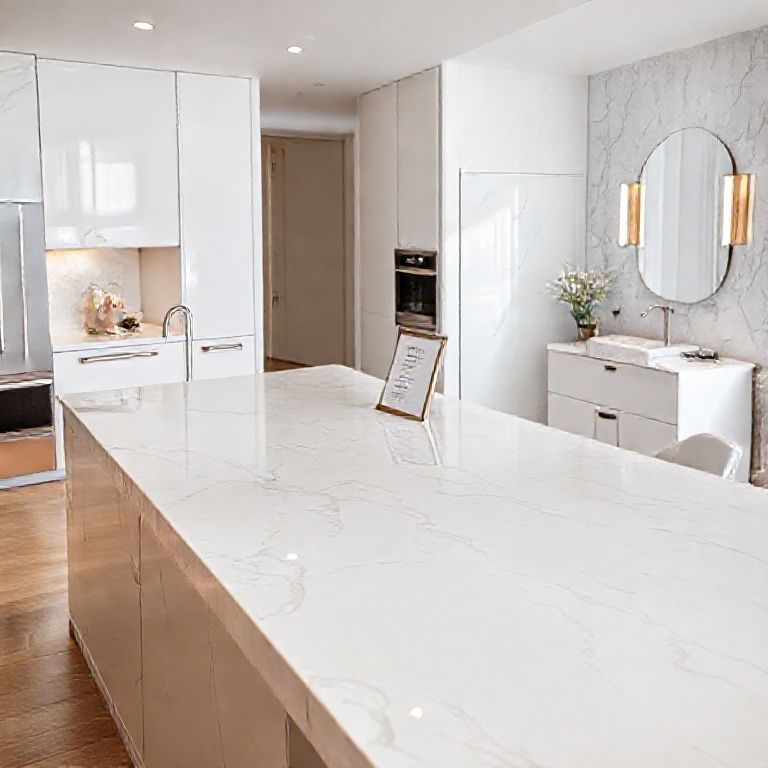
Factors Influencing Marble Prices
1. Marble Type and Quality
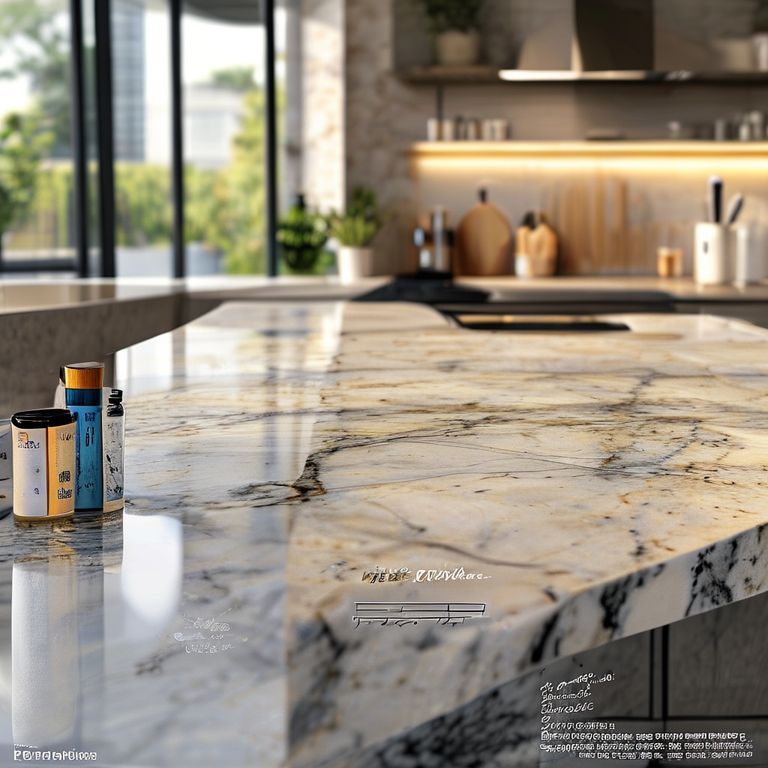
Marble is a metamorphic rock composed primarily of calcite or dolomite that has been recrystallized under the influence of heat, pressure, and chemical fluids. Different types of marble, such as Carrara, Bianco Statuario, and Emperador, vary in their natural beauty, durability, and price. Higher quality marble with fewer veins and more uniform coloring tends to be more expensive.
2. Geographic Source
The origin of marble significantly impacts its price. Marble from Italy, particularly from the Carrara region, is considered one of the finest and most prestigious in the world. This high demand and limited supply drive its cost up. In contrast, marble from other regions like China, India, and Spain may offer more affordable options.
3. Processing and Polishing
The amount of labor required to process and polish marble also influences its price. Marble that undergoes extensive polishing and has a smooth, glossy finish will generally cost more than marble with a more rustic, textured finish.
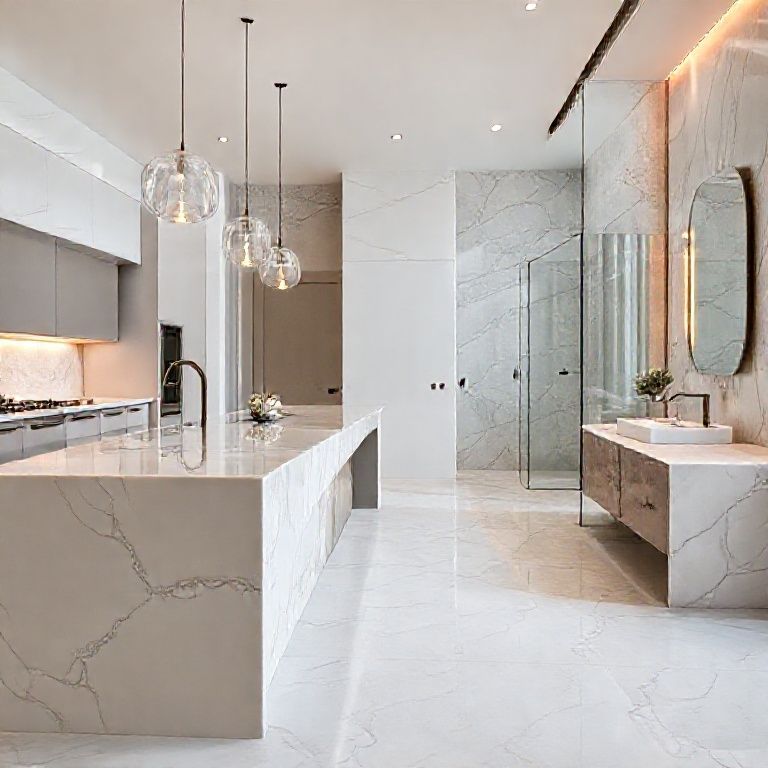
4. Market Demand and Supply
Economic factors such as global demand, supply chain disruptions, and geopolitical tensions can also impact marble prices. For instance, during periods of high demand, prices can rise significantly, while oversupply can lead to price drops.
Global Demand for Marble
1. Residential Market
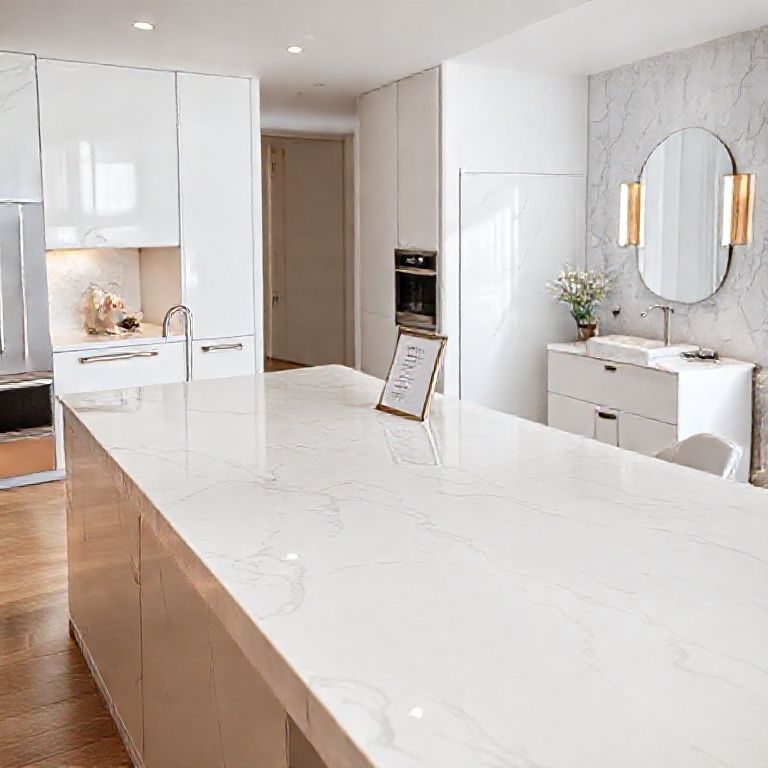
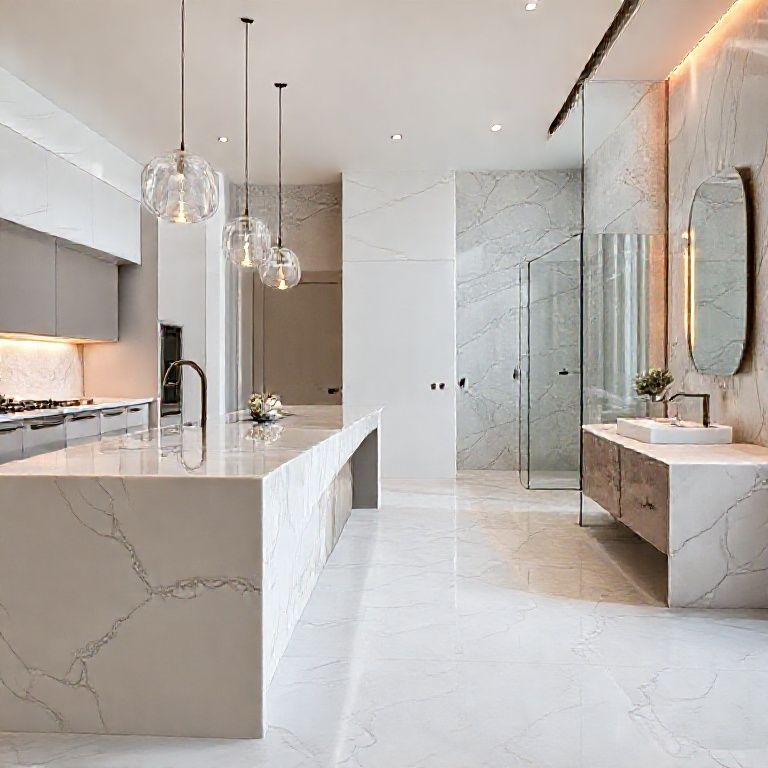
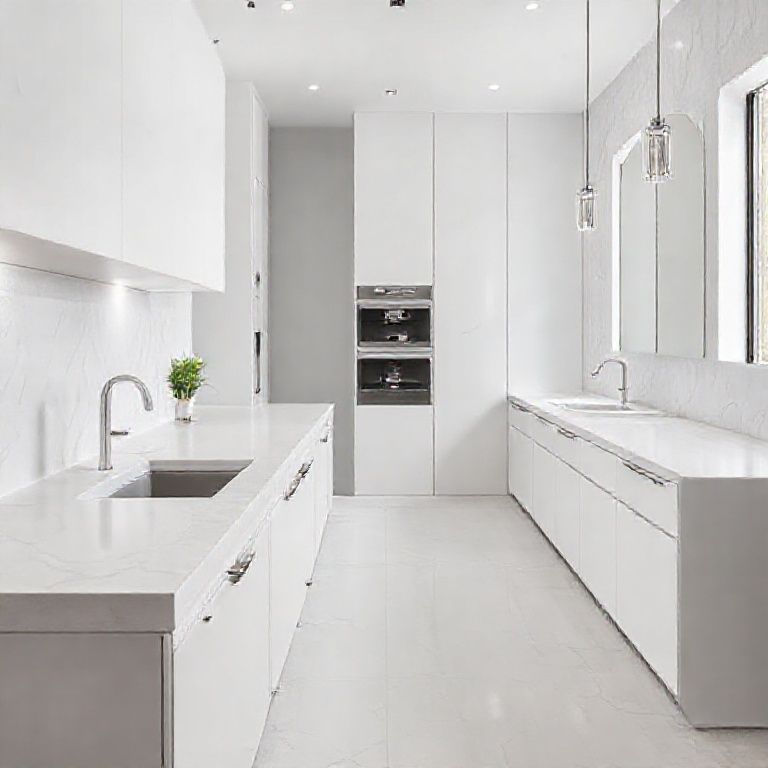
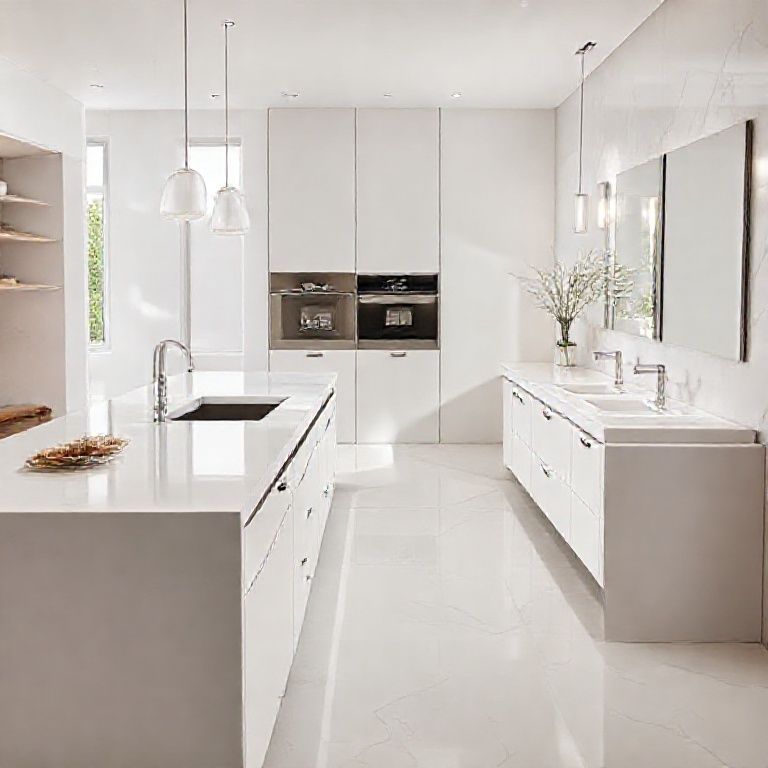
In the residential sector, marble is often used for flooring, countertops, and decorative elements. Homeowners seek marble for its aesthetic appeal and durability, driving demand for high-quality marble varieties. However, due to its cost, marble is often reserved for key areas such as kitchens, bathrooms, and living rooms.
2. Commercial Sector
The commercial sector, including offices, hotels, and public spaces, also heavily relies on marble for its aesthetic and durability. High-traffic areas like lobbies and corridors benefit from marble’s resilience and timeless appeal. Commercial projects often require larger quantities of marble, which can influence the overall price per square meter.
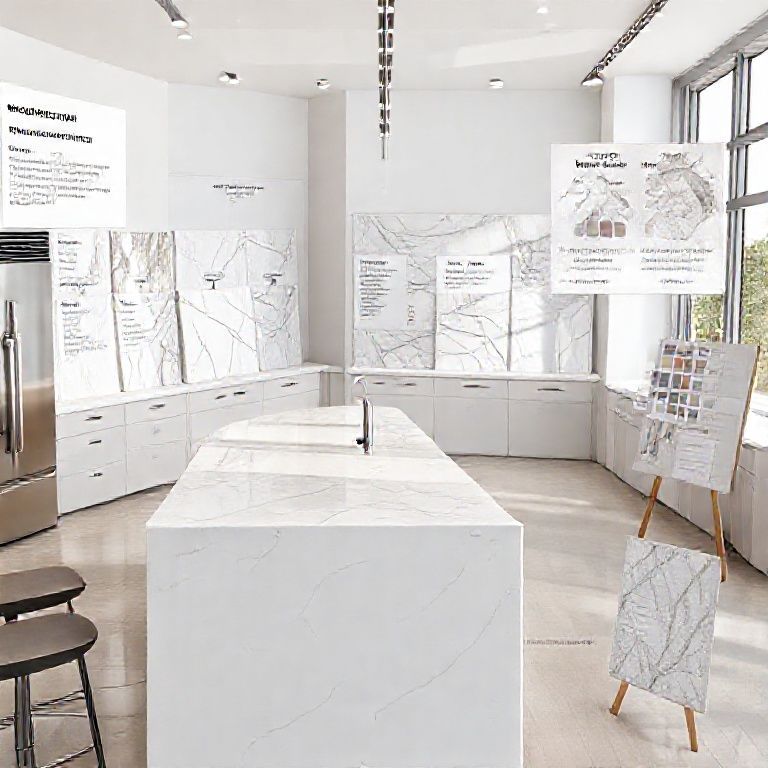
Current Trends in Marble Prices
1. Price Increases and Market Shifts
Recent trends have seen an increase in marble prices due to several factors, including supply chain disruptions and higher labor costs. The COVID-19 pandemic, in particular, caused significant shifts in the global marble market, with many quarries and production facilities temporarily shutting down.
2. Sustainable Practices
There is a growing trend towards sustainable and eco-friendly practices in the marble industry. Brands that implement sustainable sourcing and production methods are gaining popularity. This shift can influence the price, as consumers are willing to pay a premium for environmentally responsible products.
3. Technological Advancements
Technological advancements in marble processing and installation have also impacted pricing. Innovations that streamline production and reduce labor costs can lead to more affordable prices, while cutting-edge polishing techniques can enhance the marble’s finish, justifying higher costs.
Making the Perfect Choice for Your Space
When deciding on marble for your flooring, consider the following tips to ensure you’re making the best choice for your space:
1. Define Your Budget
Understanding your budget constraints is crucial. Marble prices per square meter can vary widely based on the factors mentioned above. Setting a clear budget will help you narrow down your options and avoid unexpected costs.
2. Research and Compare
Take the time to research different marble types, their prices, and reviews. Compare multiple suppliers and contractors to find the best deal without compromising on quality.
3. Consult with Professionals
Engaging with professionals in the marble industry can provide valuable insights. Marble specialists can offer advice on the best types of marble for your specific needs and help you navigate the complexities of the market.
Conclusion
Understanding the current trends and costs of marble per square meter is essential for making informed decisions in the luxury flooring market. From the influence of marble type and geographic source to global demand and market trends, there are numerous factors that play a role in determining the price. In the next part of our guide, we will delve deeper into specific price ranges, installation costs, and how to make the most of your marble investment.
Unveiling the Current Trends and Costs: How Much is Marble Per Square Meter Today?
In the second part of our comprehensive guide, we will delve deeper into the specifics of marble pricing, installation costs, and practical tips for maximizing your marble investment. We’ll also explore the latest trends in marble usage and how to ensure you’re getting the best value for your money.
Specific Price Ranges for Marble Per Square Meter
1. High-End Varieties
High-end marble varieties like Carrara and Botticino, sourced from Italy, typically command the highest prices. For example, Carrara marble can range from $100 to $250 per square meter, depending on its quality and finish. Botticino marble, known for its rich, creamy color, can also range from $100 to $200 per square meter.
2. Mid-Range Options
Mid-range marble options offer a good balance between quality and cost. Varieties such as Bianco Statuario and Emperador are popular choices for those looking to enjoy the beauty of marble without breaking the bank. Bianco Statuario marble typically ranges from $50 to $100 per square meter, while Emperador marble can cost between $40 to $70 per square meter.
3. Budget-Friendly Choices
For those on a tighter budget, there are budget-friendly marble options available. Marble from regions like China and India often offers more affordable prices. For example, marble from these regions can range from $20 to $40 per square meter. While these options may not match the quality of top-tier Italian marbles, they still provide excellent value and beauty.
Installation Costs
1. Labor and Transportation
The cost of installing marble can vary significantly based on several factors, including labor rates and transportation costs. On average, installation costs can range from $10 to $20 per square meter. Labor rates can differ based on your location, with urban areas typically having higher rates compared to rural regions. Additionally, transporting marble from distant quarries can add to the overall cost.
2. Professional vs. DIY Installation
Choosing between professional installation and a DIY approach is another critical consideration. Professional installation ensures high-quality results and can prevent potential mistakes that could lead to costly repairs. On the other hand, DIY installation can save money but requires a good level of skill and expertise. Professional installation typically costs an additional $5 to $10 per square meter.
3. Maintenance and Warranty
The cost of maintaining marble flooring should also be factored into your overall budget. Regular maintenance, such as cleaning and sealing, can help prolong the life of your marble and keep it looking pristine. Additionally, many suppliers offer warranties on their products, which can provide peace of mind and potentially save you money in the long run.
Maximizing Your Marble Investment
1. Choose the Right Marble
Selecting the right type of marble for your space is essential to making the most of your investment. Consider the durability, maintenance requirements, and aesthetic appeal when making your choice. High-traffic areas may benefit from more durable options, while decorative elements can be enhanced with more luxurious varieties.
2. Plan for Long-Term Value
Investing in high-quality marble not only enhances the beauty of your space but also adds long-term value. Marble’s timeless appeal and durability make it a wise choice for both residential and commercial properties. Ensure that the type of marble you choose aligns with your long-term vision for the space.
3. Consider Design Elements
Incorporating design elements such as patterns, colors, and textures can elevate the aesthetic appeal of your marble flooring. Working with a professional designer can help you create a cohesive and visually stunning design that highlights the beauty of the marble.
Latest Trends in Marble Usage
1. Sustainable Marble
With growing awareness of environmental issues, sustainable marble is becoming a popular choice. Brands that prioritize sustainable sourcing and production methods appeal to eco-conscious consumers. This trend not only benefits the environment but also adds a unique appeal to your space.
2. Custom and Unique Designs
Custom and unique marble designs are gaining popularity as people seek to personalize their spaces. Unique patterns, colors, and textures can make a bold statement. Additionally, custom designs often reflect a homeowner’s or business owner’s personal style and preferences, making the space more unique and tailored to individual tastes.
3. Multi-Surface Applications
Marble’s versatility allows it to be used in various applications beyond flooring, including countertops, walls, and even bathrooms. Its timeless appeal and durability make it a popular choice for multi-surface installations, enhancing the overall aesthetic and functionality of a space.
Practical Tips for Choosing and Installing Marble
1. Sample Before You Buy
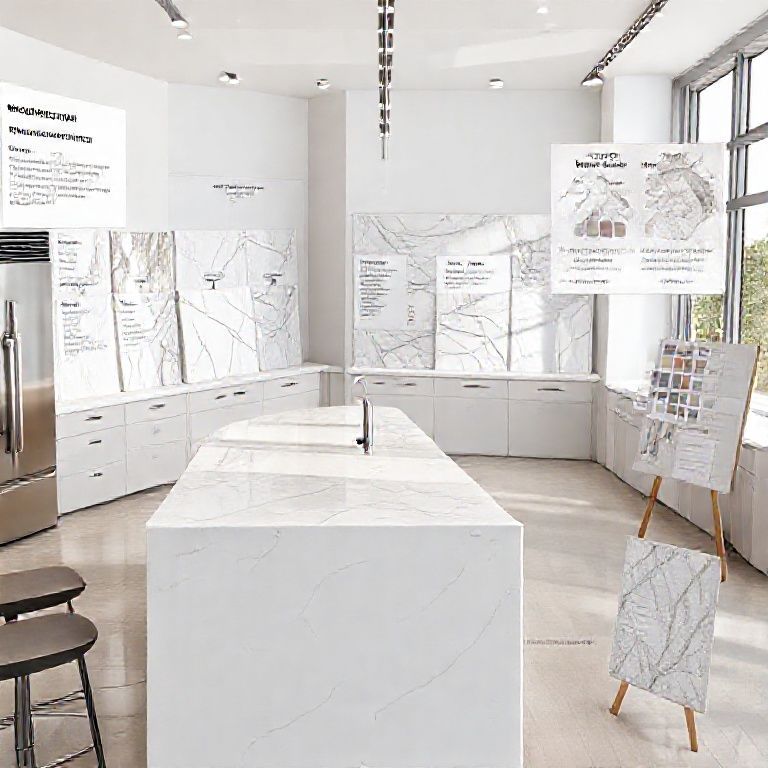
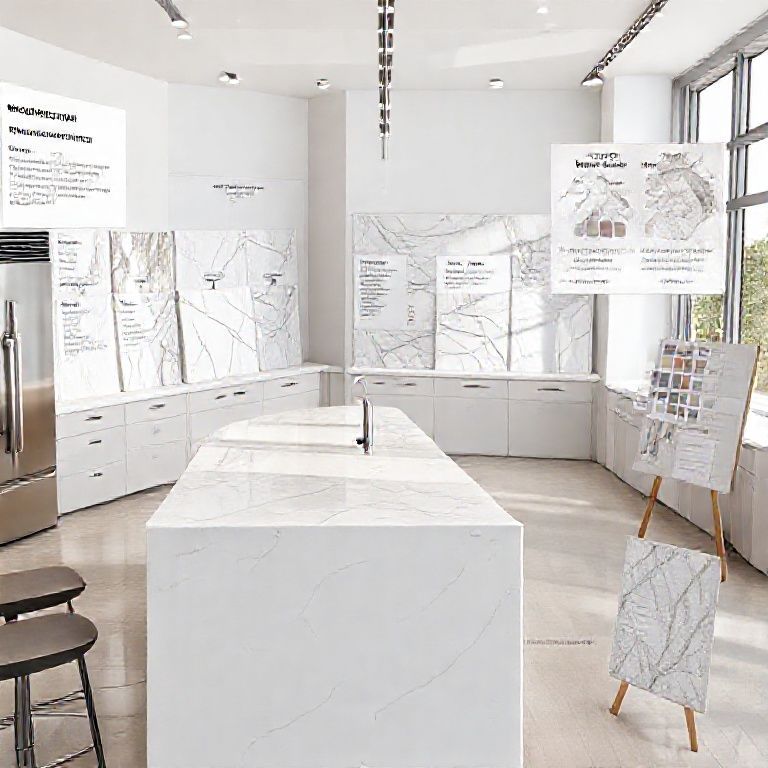
Before committing to a large purchase, it’s wise to see a sample of the marble in person. This allows you to assess the color, texture, and overall quality. If possible, visit a showroom or a local supplier to view the marble in different lighting conditions.
2. Check the Supplier’s Reputation
Research the reputation of the supplier or contractor you plan to work with. Read reviews, ask for recommendations, and ensure they have a track record of delivering high-quality products and services. A reputable supplier can make a significant difference in the quality and cost of your marble installation.
3. Plan for Waste and Extras
When ordering marble, plan for a slight overage to account for waste during installation. Typically, ordering an additional 10-15% of the required amount is a good practice. This ensures you have enough material for any cuts, mistakes, or adjustments during the installation process.
4. Consider Maintenance Requirements
Marble requires regular maintenance to keep it looking its best. Understand the maintenance requirements for the type of marble you choose, including cleaning, sealing, and re-sealing. Some marbles may require more frequent maintenance than others, so factor this into your overall costs and planning.
Conclusion
Understanding the current trends and costs of marble per square meter is essential for making informed decisions in your flooring project. From the influence of marble type and geographic source to global demand and market trends, there are numerous factors that play a role in determining the price. By considering specific price ranges, installation costs, and practical tips for maximizing your marble investment, you can ensure you’re getting the best value for your money.
Marble remains a timeless choice for luxury flooring, offering both aesthetic appeal and durability. By carefully selecting the right type of marble, planning for installation and maintenance, and staying informed about market trends, you can create a beautiful and long-lasting space that reflects your personal style and enhances the value of your property.
If you have any specific questions or need further assistance in choosing the perfect marble for your project, feel free to ask!