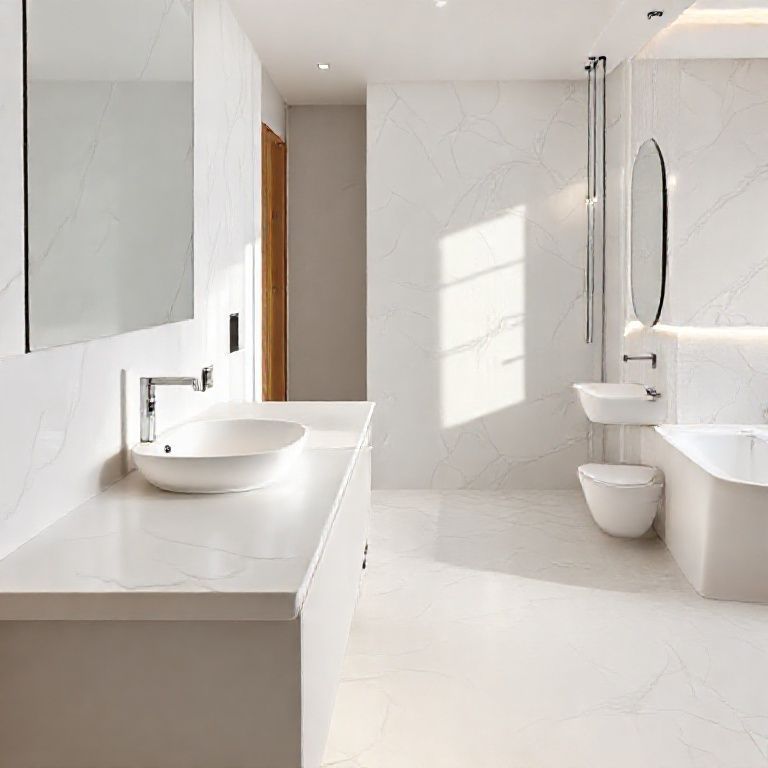
Artificial vs. Natural Marble: A Visual Exploration
When it comes to selecting the perfect material for your next renovation or design project, understanding the differences between artificial and natural marble is crucial. This first part delves into the aesthetic and material composition differences between these two popular types of marble, highlighting their unique visual characteristics through stunning images.
1. Aesthetic Appeal
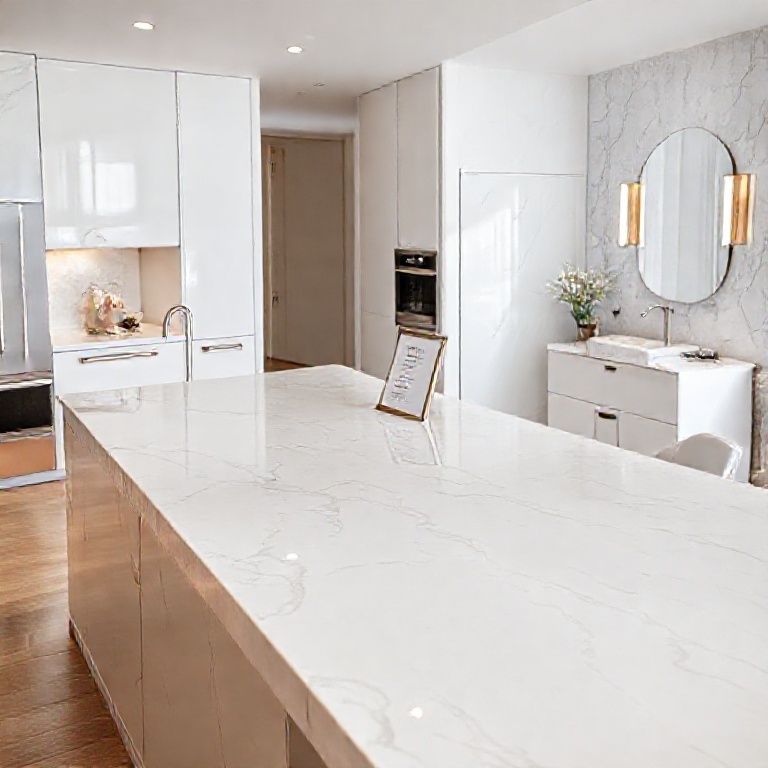
The visual allure of marble has long captivated designers and homeowners alike. Natural marble, sourced directly from quarries, boasts a unique and diverse range of colors, veins, and patterns. Each piece is a one-of-a-kind creation, often showcasing intricate swirls and textures that are impossible to replicate exactly. The beauty of natural marble lies in its authenticity and the subtle unpredictability of its natural formation.
On the other hand, artificial marble, also known as cultured stone, is crafted in a lab using a combination of resin, stone chips, and pigments. This results in a product that mimics the appearance of natural marble with incredible precision. The aesthetic appeal of artificial marble lies in its consistency and the ability to achieve specific designs and colors that can closely match or even surpass natural marble.
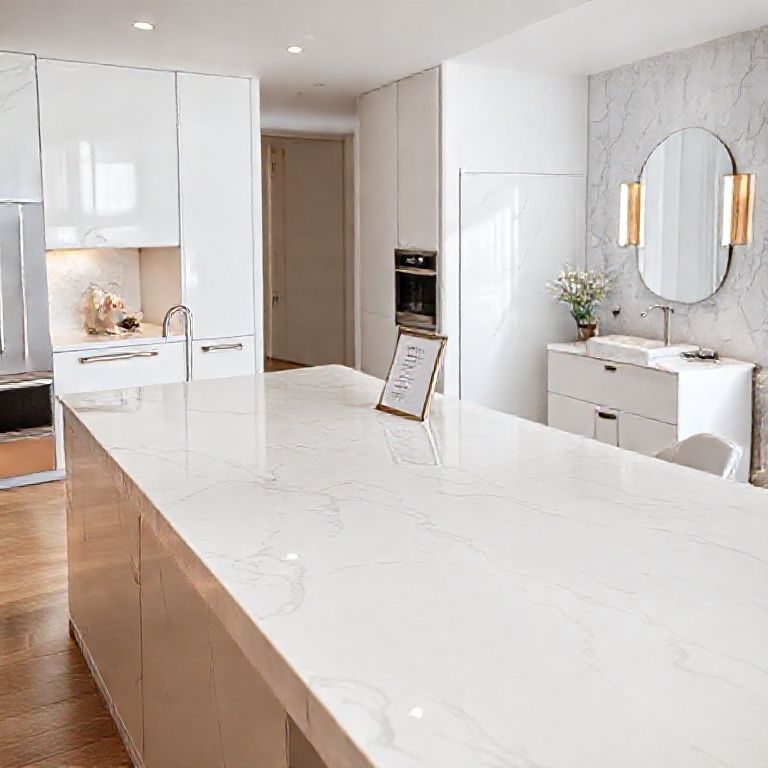
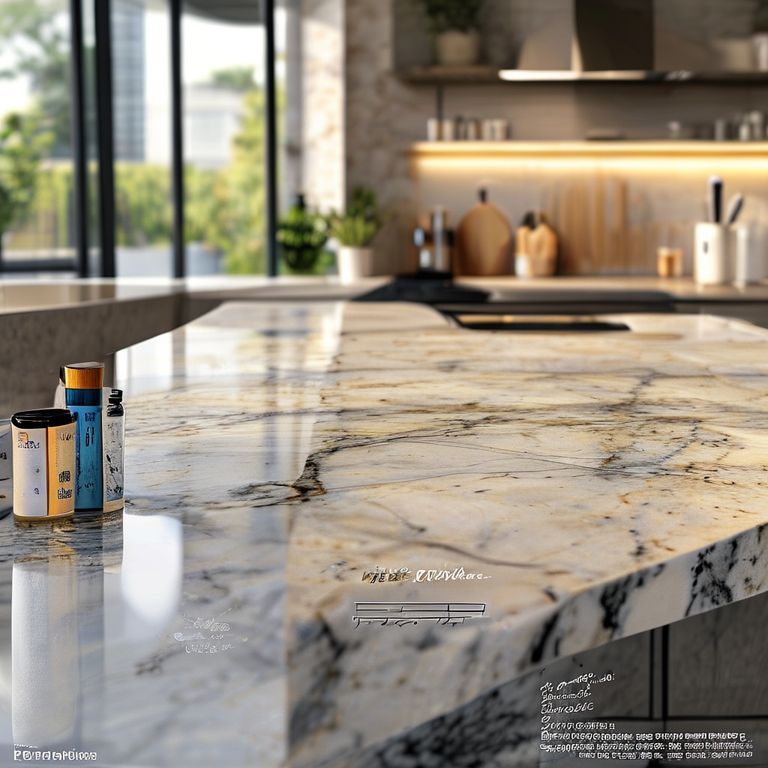
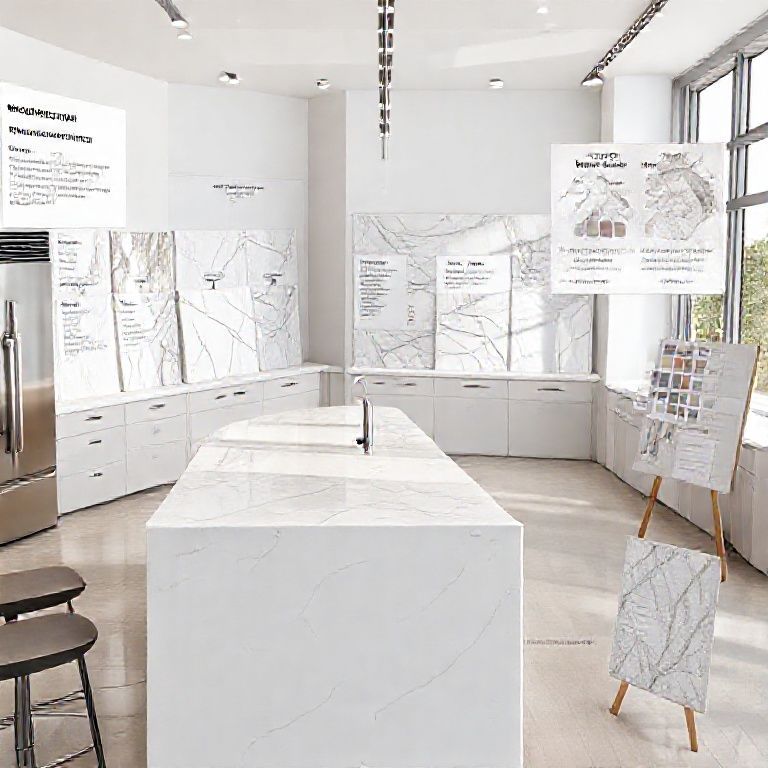
Image 1: A close-up comparison of natural marble’s swirling patterns versus the uniform texture of artificial marble.
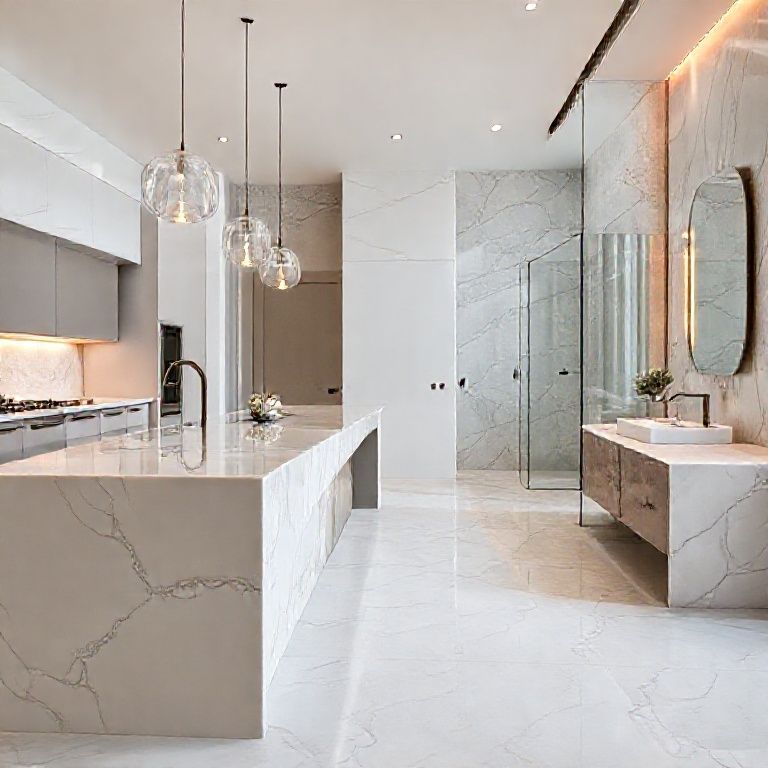
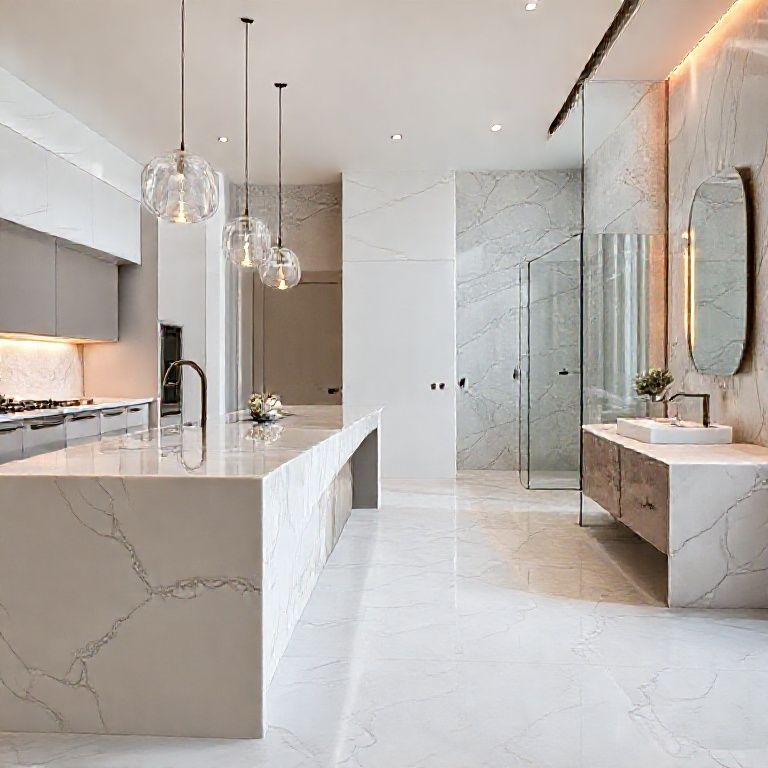
Image 2: A kitchen countertop made from natural marble featuring a unique vein pattern versus an artificial marble countertop with a highly detailed, yet uniform design.
2. Material Composition
Understanding the material composition of both types of marble is essential for discerning their differences. Natural marble is formed over millions of years through geological processes, consisting mainly of calcite or dolomite. This natural formation results in a material that is both beautiful and complex, though it also means that each piece can vary significantly from others.
In contrast, artificial marble is a synthetic product created through a manufacturing process that allows for precise control over the material’s composition. It combines natural stone aggregates with resin and colorants to create a durable, homogeneous material. This process results in a product that can be molded into any desired shape and designed to replicate the look of natural marble with remarkable fidelity.
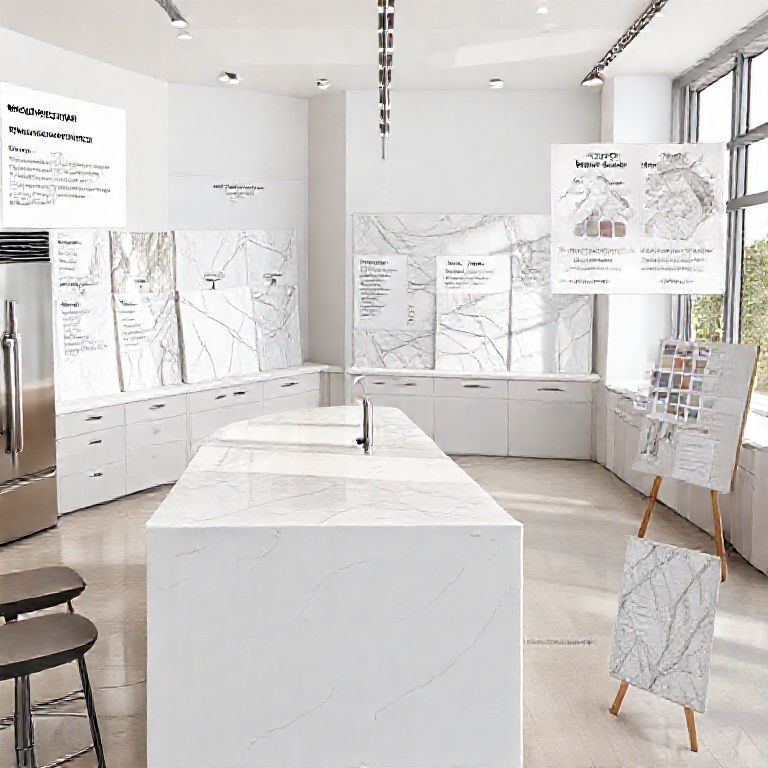
Image 3: A microscopic view of the composition of natural marble, highlighting its organic calcite structure.
Image 4: A cross-section of artificial marble showing the blend of stone chips and resin that creates its unique structure.
3. Durability and Maintenance
While both types of marble are known for their elegance and durability, they have different characteristics in terms of maintenance and longevity. Natural marble, despite its beauty, is susceptible to staining and scratching, especially with acidic substances. It requires regular maintenance, including sealing to protect its surface and careful handling to preserve its natural beauty.
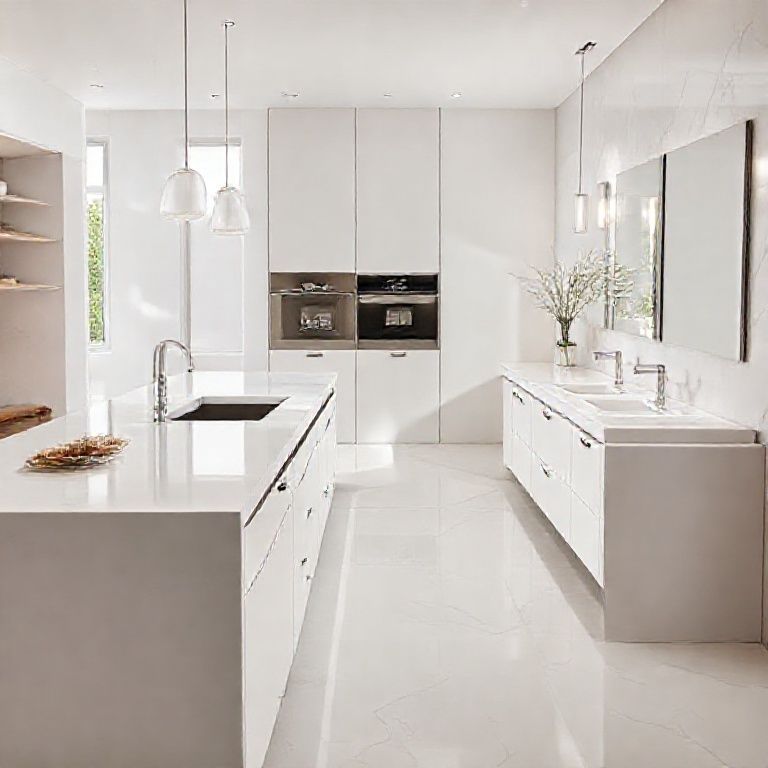
Artificial marble, however, offers superior durability. It is highly resistant to stains, scratches, and thermal damage, making it an excellent choice for high-traffic areas. Because it does not absorb liquids or stains, it requires less maintenance and can be cleaned easily with mild soap and water.
Image 5: A natural marble surface showing the effects of acidic stains versus an artificial marble surface that remains pristine after exposure to the same conditions.
Image 6: A maintenance comparison, showing the effort needed to clean and seal natural marble versus the minimal upkeep required for artificial marble.
Conclusion
The visual exploration of artificial and natural marble reveals the unique beauty and material properties of each type. Natural marble’s authenticity and diverse patterns offer a one-of-a-kind aesthetic, while artificial marble’s consistency and durability provide a reliable alternative. Understanding these differences helps in making an informed choice based on design needs and maintenance considerations.
Stay tuned for part two, where we will delve deeper into the durability, installation, and cost aspects of both artificial and natural marble, offering a comprehensive guide to help you make the best choice for your next project.
2. Durability, Installation, and Cost: A Deeper Look
In this second part of our exploration, we delve into the practical aspects of artificial and natural marble, focusing on their durability, ease of installation, and cost implications. These factors are crucial for making an informed decision, especially when considering long-term value and maintenance.
1. Durability
When it comes to durability, natural marble and artificial marble have distinct advantages and limitations.
Natural Marble:
Pros: Natural marble is renowned for its timeless beauty and elegance. Its organic nature lends a unique, irreplaceable aesthetic to any space. Cons: However, natural marble is not as durable as artificial marble. It is susceptible to staining, scratching, and etching, especially from acidic substances like wine, coffee, and vinegar. It requires regular sealing and maintenance to preserve its appearance.
Artificial Marble:
Pros: Artificial marble offers superior durability compared to natural marble. It is highly resistant to stains, scratches, and thermal damage. This makes it ideal for high-traffic areas where durability is paramount. Cons: While artificial marble is durable, it may not always perfectly mimic the natural beauty of marble, though advancements have significantly narrowed this gap.
Image 7: A natural marble countertop showing signs of staining versus an artificial marble countertop that remains unblemished.
Image 8: A demonstration of scratch resistance in both types of marble.
2. Installation
The ease of installation is another critical factor in choosing between natural and artificial marble.
Natural Marble:
Pros: The natural beauty of marble can be a significant selling point, offering a unique aesthetic that can enhance any space. Cons: Installation of natural marble can be complex and labor-intensive. It requires careful cutting and fitting, and the natural variations in color and pattern can make matching pieces challenging.
Artificial Marble:
Pros: Artificial marble is easier to install due to its homogeneous nature. It can be cut and shaped with precision, making it simpler to work with for both DIY and professional projects. The uniformity of color and pattern allows for seamless matching of pieces. Cons: The installation process might not offer the same tactile pleasure as working with natural stone, but it certainly compensates with ease and consistency.
Image 9: A skilled artisan carefully cutting natural marble for a custom installation.
Image 10: A straightforward installation process for artificial marble, highlighting the ease of fitting and shaping.
3. Cost
Cost is often a major consideration when choosing between natural and artificial marble.
Natural Marble:
Pros: The rarity and uniqueness of natural marble can justify its higher cost. Premium varieties, like Italian or Brazilian marble, can command very high prices, but they also offer unparalleled beauty and craftsmanship. Cons: The cost of natural marble can be prohibitive for many projects. It also requires additional expenses for regular maintenance and sealing.
Artificial Marble:
Pros: Artificial marble generally offers a more affordable option, making it accessible for a wide range of projects. The cost can be significantly lower than natural marble, and the durability often justifies the investment. Cons: While more cost-effective, artificial marble might not appeal to those seeking the exclusive, one-of-a-kind nature of natural marble.
Image 11: A comparison of the price tags for natural marble versus artificial marble.
Image 12: A breakdown of the cost factors associated with each type of marble, including installation and maintenance.
Conclusion
The practical aspects of durability, installation, and cost provide a comprehensive view of the advantages and limitations of artificial and natural marble. While natural marble offers unmatched beauty and uniqueness, artificial marble stands out for its durability, ease of installation, and cost-effectiveness.
2. Durability, Installation, and Cost: A Deeper Look
In this second part of our exploration, we delve into the practical aspects of artificial and natural marble, focusing on their durability, ease of installation, and cost implications. These factors are crucial for making an informed decision, especially when considering long-term value and maintenance.
1. Durability
When it comes to durability, natural marble and artificial marble have distinct advantages and limitations.
Natural Marble:
Pros: Natural marble is renowned for its timeless beauty and elegance. Its organic nature lends a unique, irreplaceable aesthetic to any space. Cons: However, natural marble is not as durable as artificial marble. It is susceptible to staining, scratching, and etching, especially from acidic substances like wine, coffee, and vinegar. It requires regular sealing and maintenance to preserve its appearance.
Artificial Marble:
Pros: Artificial marble offers superior durability compared to natural marble. It is highly resistant to stains, scratches, and thermal damage. This makes it ideal for high-traffic areas where durability is paramount. Cons: While artificial marble is durable, it may not always perfectly mimic the natural beauty of marble, though advancements have significantly narrowed this gap.
Image 7: A natural marble countertop showing signs of staining versus an artificial marble countertop that remains unblemished.
Image 8: A demonstration of scratch resistance in both types of marble.
2. Installation
The ease of installation is another critical factor in choosing between natural and artificial marble.
Natural Marble:
Pros: The natural beauty of marble can be a significant selling point, offering a unique aesthetic that can enhance any space. Cons: Installation of natural marble can be complex and labor-intensive. It requires careful cutting and fitting, and the natural variations in color and pattern can make matching pieces challenging.
Artificial Marble:
Pros: Artificial marble is easier to install due to its homogeneous nature. It can be cut and shaped with precision, making it simpler to work with for both DIY and professional projects. The uniformity of color and pattern allows for seamless matching of pieces. Cons: The installation process might not offer the same tactile pleasure as working with natural stone, but it certainly compensates with ease and consistency.
Image 9: A skilled artisan carefully cutting natural marble for a custom installation.
Image 10: A straightforward installation process for artificial marble, highlighting the ease of fitting and shaping.
3. Cost
Cost is often a major consideration when choosing between natural and artificial marble.
Natural Marble:
Pros: The rarity and uniqueness of natural marble can justify its higher cost. Premium varieties, like Italian or Brazilian marble, can command very high prices, but they also offer unparalleled beauty and craftsmanship. Cons: The cost of natural marble can be prohibitive for many projects. It also requires additional expenses for regular maintenance and sealing.
Artificial Marble:
Pros: Artificial marble generally offers a more affordable option, making it accessible for a wide range of projects. The cost can be significantly lower than natural marble, and the durability often justifies the investment. Cons: While more cost-effective, artificial marble might not appeal to those seeking the exclusive, one-of-a-kind nature of natural marble.
Image 11: A comparison of the price tags for natural marble versus artificial marble.
Image 12: A breakdown of the cost factors associated with each type of marble, including installation and maintenance.
Conclusion
The practical aspects of durability, installation, and cost provide a comprehensive view of the advantages and limitations of artificial and natural marble. While natural marble offers unmatched beauty and uniqueness, artificial marble stands out for its durability, ease of installation, and cost-effectiveness.
By understanding these factors, you can make a well-informed decision that aligns with your design goals and budget constraints. Whether you are a designer, contractor, or homeowner, this guide equips you with the knowledge to choose the best type of marble for your next project.
Next Steps:
For those still undecided, consider a trial installation to see the practical benefits firsthand. Consulting with a professional designer or contractor can also provide personalized insights based on your specific needs and preferences. Remember, the choice between natural and artificial marble ultimately boils down to balancing aesthetic appeal, durability, and budget.