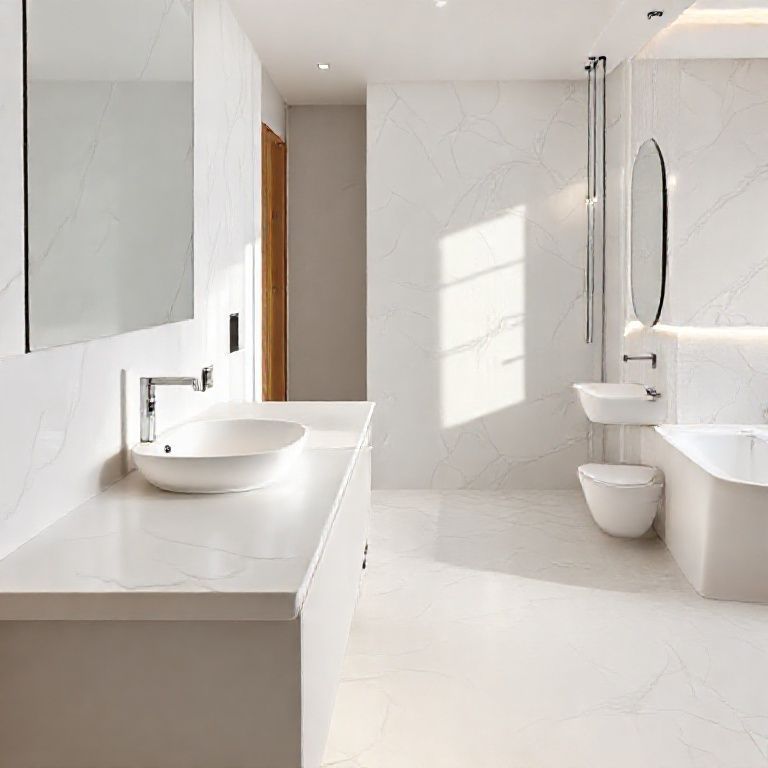
In the world of luxury flooring and countertops, marble stands out for its timeless elegance and versatility. However, not all marble is created equal. This article delves into the distinctions between engineered marble and natural marble, exploring their origins, characteristics, and uses to help you make an informed choice for your next home renovation project.
engineered marble, natural marble, marble differences, luxury flooring, countertop materials, durability, cost, maintenance, natural stone, synthetic stone
Marble is renowned for its luxurious appearance and classic appeal. However, when it comes to selecting the right type of marble for your home, understanding the distinctions between engineered marble and natural marble is crucial. This article explores the origins, characteristics, and applications of both types to guide you in choosing the perfect material for your renovation needs.
engineered marble, natural marble, marble differences, luxury flooring, countertop materials, durability, cost, maintenance, natural stone, synthetic stone
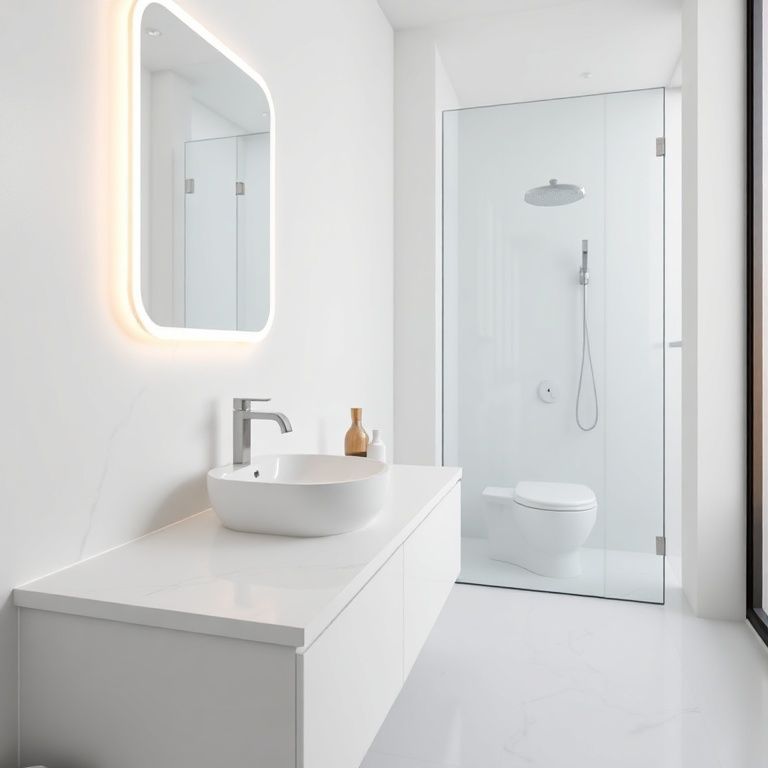
Engineered Marble vs. Natural Marble: A Detailed Comparison
When it comes to choosing the right material for your home, the decision between engineered marble and natural marble can be daunting. Both types have their unique advantages and disadvantages, and understanding their fundamental differences can help you make a more informed decision. Here, we’ll dive deep into the origins, characteristics, and applications of both engineered and natural marble.
1. Origins and Composition
Engineered Marble: Engineered marble is a composite material created by bonding a layer of natural marble veneer to a core made of resin or cement. This process begins with a thin slice of natural marble, which is sliced from a natural marble quarry. This slice is then glued to a solid core, often made from high-quality resin or cement, which provides the structural foundation. The result is a slab that has the appearance and texture of natural marble on top, with a durable core beneath.
Natural Marble: In contrast, natural marble is a genuine stone that occurs naturally in the Earth’s crust. It forms when limestone is subjected to high pressure and temperature over millions of years, causing it to recrystallize into marble. Natural marble is extracted from quarries and comes in a variety of colors and patterns, all of which are unique to each piece.
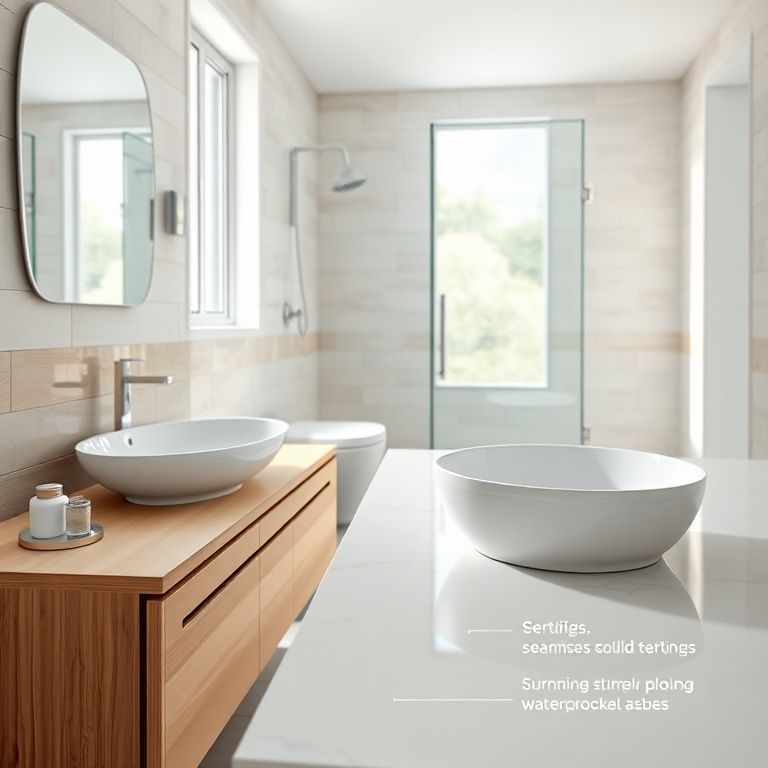
2. Durability and Strength
Engineered Marble: One of the key advantages of engineered marble is its durability. The core material is often denser and more uniform than natural stone, providing better resistance to scratches, chips, and dents. Additionally, engineered marble is impervious to water, making it an excellent choice for kitchens and bathrooms where moisture is prevalent.
Natural Marble: Natural marble, while beautiful, is inherently softer and more porous than engineered marble. This means it is more susceptible to scratches, stains, and water damage. However, natural marble’s inherent beauty comes from its unique, naturally occurring patterns and colors, which can make it a stunning choice for high-end applications.
3. Cost
Engineered Marble: Engineered marble tends to be more affordable than natural marble. The manufacturing process is less complex and generally involves fewer costs associated with mining and transporting natural stone. As a result, engineered marble offers a cost-effective alternative that closely mimics the look and feel of natural marble.
Natural Marble: Natural marble is usually more expensive due to the costs involved in mining, cutting, and transporting the stone. Additionally, the rarity of certain types of natural marble can drive up the price. However, the unique and irreplaceable nature of natural marble can justify its higher cost for those looking for a truly one-of-a-kind material.
4. Maintenance
Engineered Marble: Engineered marble is generally easier to maintain than natural marble. Its water-resistant core means it does not absorb stains or water, making it easier to clean and maintain. Regular cleaning with mild soap and water is typically sufficient to keep engineered marble looking its best.
Natural Marble: Natural marble requires more meticulous care to maintain its beauty and integrity. It is prone to staining and etching, so it needs regular sealing to protect its surface. Additionally, natural marble can be sensitive to acidic substances, so it is important to use caution with cleaning products and to avoid placing hot objects directly on its surface.
5. Applications
Engineered Marble: Engineered marble is versatile and can be used in a variety of applications, including countertops, flooring, and decorative elements. Its durability and water resistance make it ideal for high-traffic areas like kitchens and bathrooms. Engineered marble also offers a level of customization that allows manufacturers to create slabs with specific patterns and colors.
Natural Marble: Natural marble is often reserved for more decorative and high-end applications due to its beauty and exclusivity. It is commonly used in flooring, countertops, and decorative elements in homes and public spaces. Natural marble’s unique patterns and colors make it a standout choice for spaces where a touch of luxury and authenticity is desired.
In conclusion, both engineered and natural marble have their unique merits and applications. Engineered marble offers durability, affordability, and ease of maintenance, making it a practical choice for many home renovation projects. On the other hand, natural marble’s natural beauty and exclusivity make it a prized material for those looking for a truly unique and luxurious touch. Understanding these differences can help you make an informed decision that aligns with your needs and preferences.
Marble is renowned for its luxurious appearance and versatility. However, when selecting the right type for your home, understanding the distinctions between engineered marble and natural marble is crucial. This article continues the exploration of their origins, characteristics, and applications to guide you in choosing the perfect material for your renovation needs.
engineered marble, natural marble, marble differences, luxury flooring, countertop materials, durability, cost, maintenance, natural stone, synthetic stone
Advantages and Disadvantages of Engineered and Natural Marble
Having explored the origins and characteristics of engineered and natural marble, let’s delve deeper into the advantages and disadvantages of each type. This comprehensive look will help you weigh the pros and cons to make an informed decision for your home renovation project.
1. Design Flexibility
Engineered Marble: One of the significant advantages of engineered marble is its design flexibility. Manufacturers can create slabs with specific patterns, colors, and finishes, allowing for a high degree of customization. This means you can choose from a wide range of designs to match your aesthetic preferences, or even create a unique pattern that suits your vision perfectly.
Natural Marble: Natural marble’s design flexibility is inherently limited by its unique, naturally occurring patterns and colors. While this can be a beautiful and authentic feature, it also means that each piece of natural marble is one-of-a-kind. This uniqueness can be a drawback if you need multiple pieces that match perfectly.
2. Installation
Engineered Marble: Engineered marble is generally easier to install than natural marble. Its lightweight and uniform thickness make it easier to cut and shape to fit your space. Additionally, its water-resistant core means it can be used in areas where moisture is a concern, such as around sinks and showers.
Natural Marble: Natural marble is often heavier and more difficult to cut and shape due to its natural irregularities. It also requires more careful handling during installation to ensure that the unique patterns and colors are preserved. Additionally, natural marble’s susceptibility to water and staining means it may need special considerations during installation.
3. Environmental Impact
Engineered Marble: Engineered marble has a lower environmental impact compared to natural marble. The manufacturing process of engineered marble typically involves fewer steps and less waste than the extraction and transportation of natural stone. Additionally, the use of a resin or cement core means that engineered marble does not require the extensive mining that natural marble does.
Natural Marble: Natural marble’s extraction process can have a significant environmental impact. Quarrying natural marble requires extensive mining, which can lead to habitat destruction and other environmental concerns. Additionally, the transportation of natural marble from distant quarries can contribute to carbon emissions.
4. Aesthetic Appeal
Engineered Marble: Engineered marble can closely mimic the aesthetic appeal of natural marble, offering a luxurious look with a fraction of the cost. Advances in manufacturing technology have allowed for the creation of engineered marble that is nearly indistinguishable from natural marble in appearance.
Natural Marble: Natural marble’s aesthetic appeal lies in its unique, naturally occurring patterns and colors. Each piece of natural marble is one-of-a-kind, which can make it a highly desirable choice for those seeking authenticity and exclusivity. However, the variability in natural marble’s appearance means that it may not always provide the consistency that engineered marble offers.
5. Longevity and Warranty
Engineered Marble: Engineered marble typically comes with a manufacturer’s warranty that covers defects in the material and workmanship. This warranty often includes coverage for scratches, chips, and other damage, providing peace of mind for homeowners. Additionally, the durability of the core material ensures that engineered marble can last for many years with proper care.
Natural Marble: Natural marble’s longevity can vary depending on its quality and the care it receives. While high-quality natural marble can be very durable, its susceptibility to staining and etching means that it may require more frequent maintenance to preserve its appearance. Natural marble typically does not come with a warranty that covers damage, as it is considered a decorative element rather than a structural one.
Marble is renowned for its luxurious appearance and versatility. However, when selecting the right type for your home, understanding the distinctions between engineered marble and natural marble is crucial. This article continues the exploration of their origins, characteristics, and applications to guide you in choosing the perfect material for your renovation needs.
engineered marble, natural marble, marble differences, luxury flooring, countertop materials, durability, cost, maintenance, natural stone, synthetic stone
Sustainability and Long-Term Value
1. Environmental Sustainability
Engineered Marble: Engineered marble is generally more environmentally sustainable than natural marble. The manufacturing process for engineered marble typically involves fewer steps and less waste compared to the extensive mining and transportation required for natural marble. Additionally, engineered marble can be produced using recycled materials, which further reduces its environmental impact.
Natural Marble: Natural marble extraction can have a significant environmental footprint. Quarrying natural marble involves extensive mining operations that can lead to habitat destruction, deforestation, and other ecological concerns. The transportation of natural marble from distant quarries also contributes to carbon emissions, making it a less environmentally friendly option.
2. Long-Term Value
Engineered Marble: Engineered marble offers excellent long-term value due to its durability and resistance to damage. Its water-resistant core and solid foundation make it less prone to scratches, chips, and stains, which can save homeowners money on maintenance and replacements over time. Additionally, engineered marble’s consistent quality and availability mean that it can be a cost-effective choice for long-term durability.
Natural Marble: Natural marble’s long-term value lies in its rarity and unique aesthetic appeal. While high-quality natural marble can be very durable, its susceptibility to damage and maintenance can result in higher long-term costs. Additionally, the one-of-a-kind nature of natural marble means that it may not always be available in the quantities needed for large projects, potentially driving up costs.
3. Aesthetic Trends
Engineered Marble: Engineered marble has become increasingly popular due to its ability to replicate the look of natural marble while offering a more consistent and customizable aesthetic. Advances in manufacturing technology have allowed for the creation of engineered marble that closely mimics the appearance of natural marble, appealing to those who want the luxury of marble without the higher cost and maintenance requirements.
Natural Marble: Natural marble continues to be a favorite among those who value authenticity and exclusivity. The unique, naturally occurring patterns and colors of natural marble can add a touch of luxury and sophistication to any space. However, the variability in natural marble’s appearance means that it may not always provide the consistency that engineered marble offers.
4. Suitability for Different Projects
Engineered Marble: Engineered marble is highly versatile and suitable for a wide range of projects. Its durability, water resistance, and ease of installation make it an excellent choice for high-traffic areas like kitchens and bathrooms. Additionally, engineered marble can be used in both residential and commercial spaces, making it a practical and cost-effective option for many renovation projects.
Natural Marble: Natural marble is often reserved for high-end projects where authenticity and exclusivity are paramount. It is commonly used in flooring, countertops, and decorative elements in homes and public spaces where a touch of luxury and natural beauty is desired. Natural marble’s unique patterns and colors can make it a standout choice for spaces where a one-of-a-kind touch is valued.
In conclusion, both engineered and natural marble offer unique benefits and drawbacks that should be carefully considered when choosing the right material for your home renovation project. Engineered marble’s durability, cost-effectiveness, and design flexibility make it a practical choice for many applications. On the other hand, natural marble’s authenticity, unique beauty, and exclusivity make it a prized material for those seeking a truly one-of-a-kind touch. Understanding these differences can help you make an informed decision that aligns with your needs, preferences, and budget.