Origins, Aesthetics, and Practical Differences
Introduction
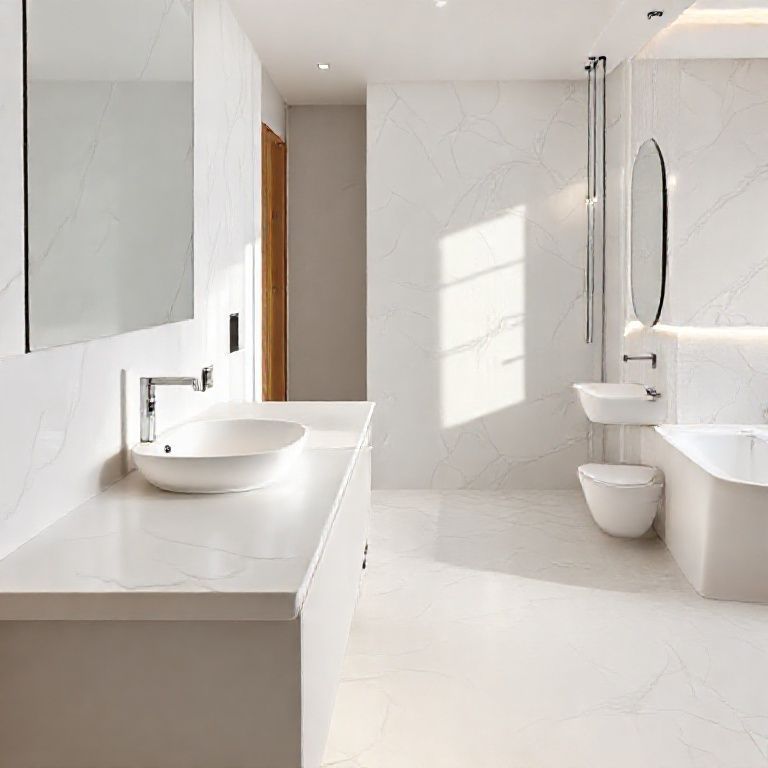
When it comes to selecting a countertop material, marble often stands out for its timeless beauty and elegance. However, the marble market offers two main options: engineered marble and natural marble. Despite their similarities, these two types have significant differences that can influence your decision based on aesthetics, practicality, and cost. This first part of our exploration will delve into the origins, aesthetics, and practical differences between engineered and natural marble.
Origins: Nature vs. Technology
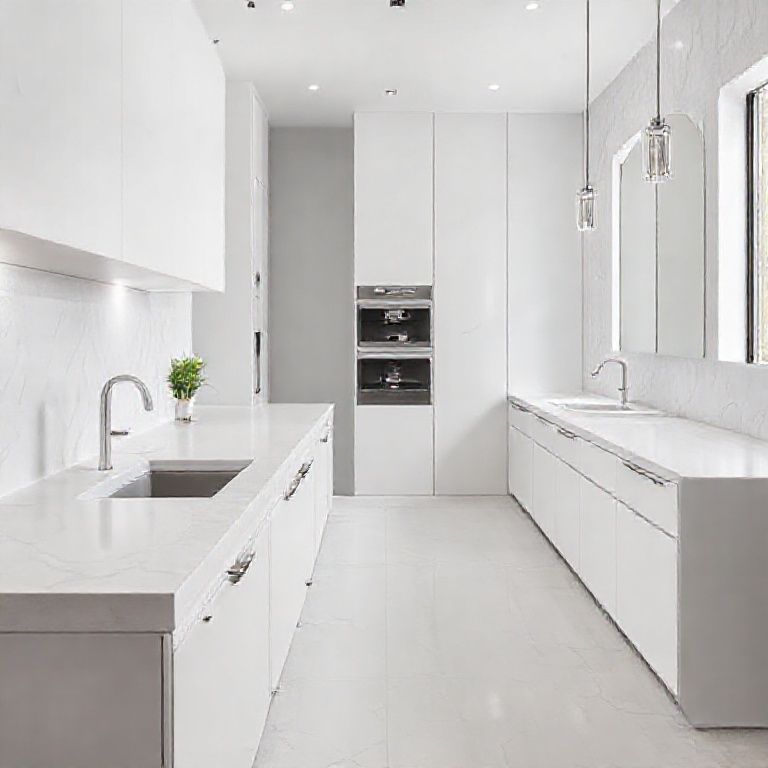
Natural marble is what most people envision when they think of marble—a stone formed from the metamorphism of limestone under intense heat and pressure over millions of years. This process gives natural marble its unique, often veined patterns and colors. It is quarried directly from the earth, which makes it a prized material for its authenticity and natural beauty.
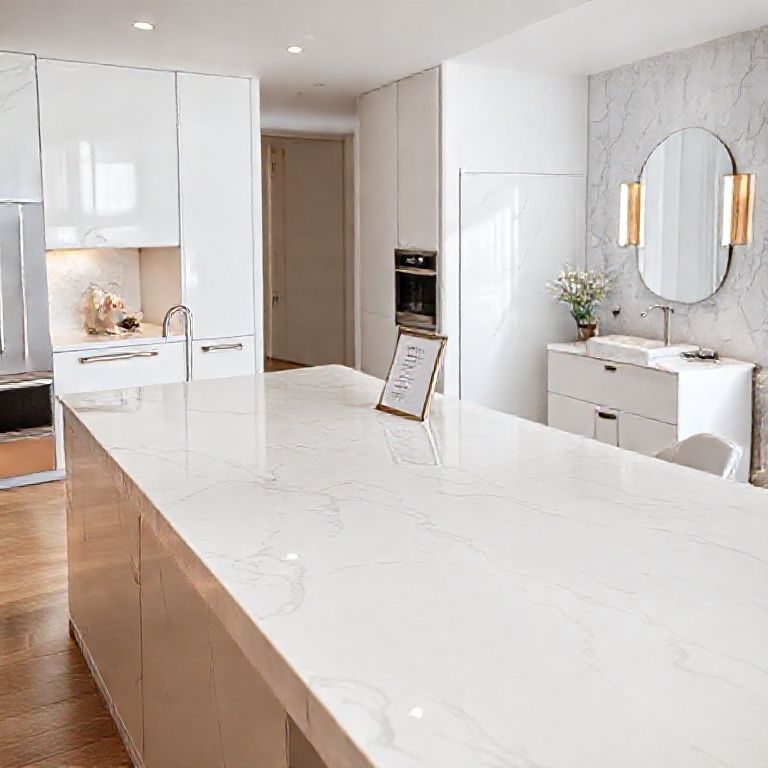
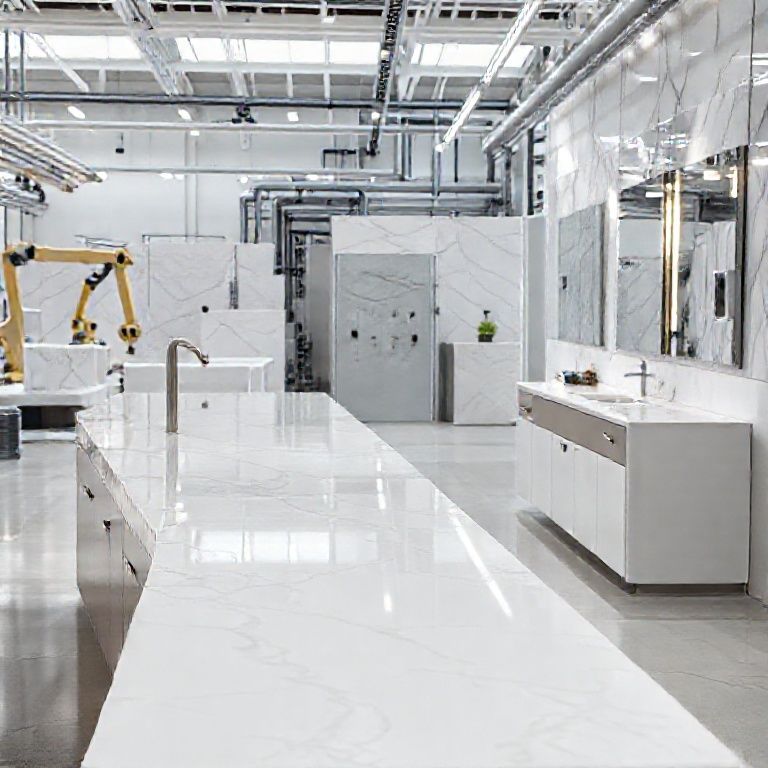
Engineered marble, on the other hand, is a relatively modern creation. This type of marble is produced in a lab by combining layers of natural stone, resin, and pigments, then bonding them together under high pressure. The result is a material that mimics the look of natural marble while offering more predictable and uniform qualities.
Aesthetics: Appearance and Patterns
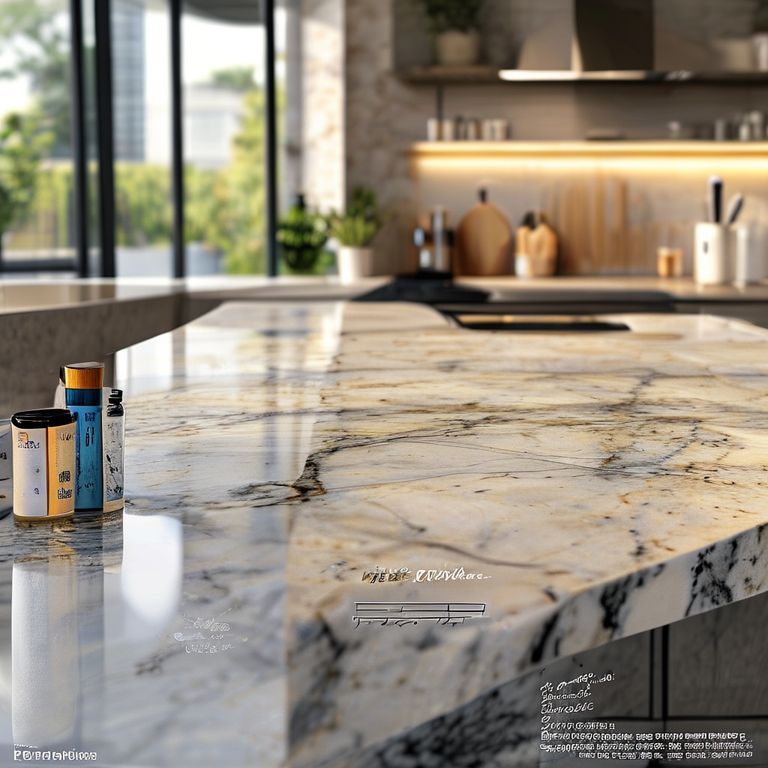
Natural marble is renowned for its unique and varied appearance. Each piece is distinct, with its own patterns and color variations that make it one-of-a-kind. This uniqueness is part of what makes natural marble so sought-after. The imperfections and irregularities in natural marble are what give it its charm and character.
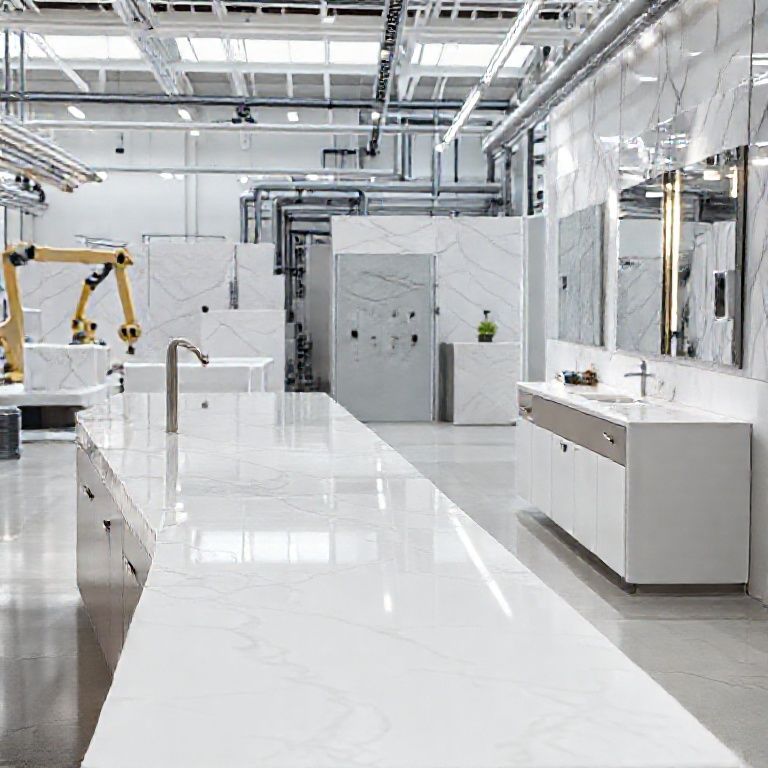
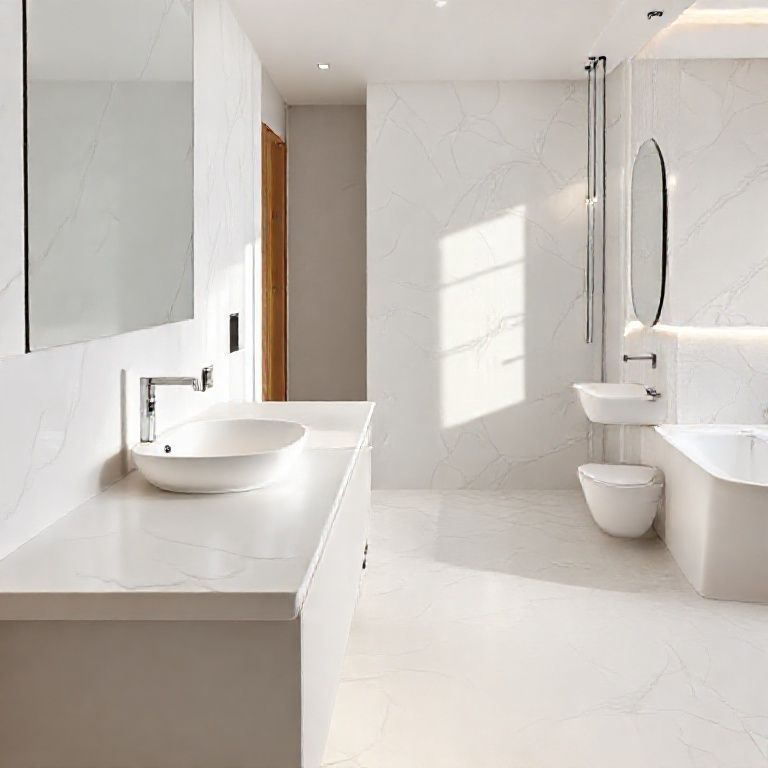
Engineered marble, while it can closely mimic the appearance of natural marble, does not possess the same level of uniqueness. Instead, it offers a more consistent and uniform look. Because it is manufactured, engineered marble can be made to exact specifications, which allows for precise color matching and pattern replication.
Practical Differences: Durability and Maintenance
When it comes to durability, natural marble has a mixed reputation. While it is a strong and long-lasting material, it is also porous, which can make it susceptible to stains and damage from acidic substances like wine, coffee, and juice. Proper maintenance, including regular sealing, is essential to prolong the life of natural marble.
Engineered marble, by contrast, is generally more durable than natural marble. Its non-porous nature means it is less susceptible to stains and etching, making it easier to clean and maintain. The high-pressure manufacturing process used in engineered marble also contributes to its enhanced strength and resistance to chipping and cracking.
Cost Considerations
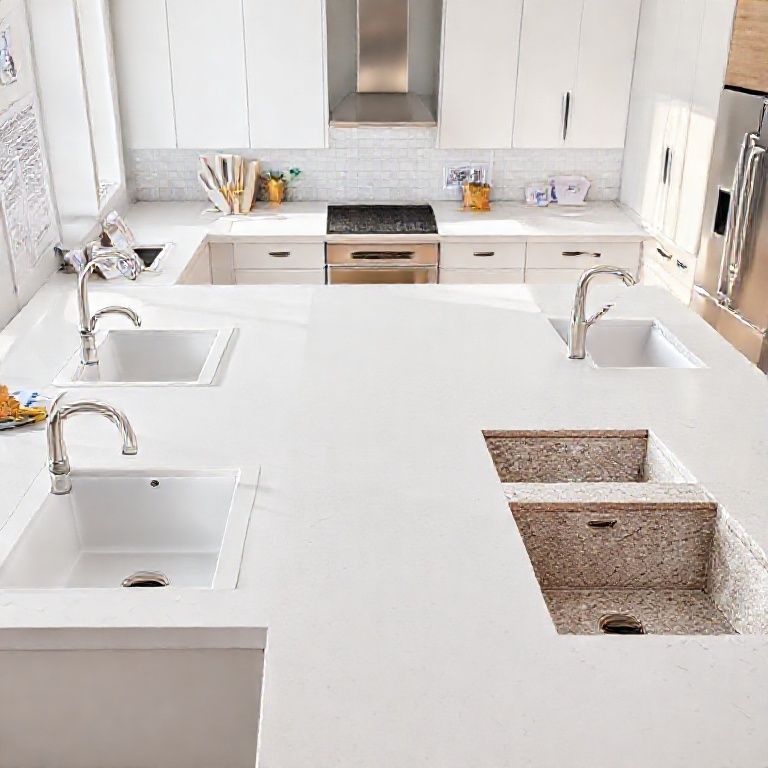
The cost of marble can vary widely based on type, quality, and customization. Natural marble typically costs more due to its rarity and the labor-intensive process of quarrying and cutting it. High-end varieties like Italian Carrara marble can be particularly expensive.
Engineered marble tends to be more affordable, especially when compared to the cost of high-quality natural marble. The manufacturing process and the ability to produce large, uniform slabs also contribute to its lower cost.
Conclusion
In summary, the choice between engineered marble and natural marble hinges on several factors, including aesthetics, practicality, and budget. Natural marble offers unparalleled beauty and uniqueness, but it requires careful maintenance to preserve its elegance. Engineered marble provides a more predictable and durable alternative, with consistent appearance and easier maintenance. Understanding these differences will help you make an informed decision for your next renovation project.
Installation, Longevity, and Environmental Impact
Introduction
Continuing our deep dive into the world of marble, this second part will focus on the installation process, longevity, and environmental impact of engineered and natural marble. While the previous section covered the foundational aspects, this part will provide a comprehensive look at how each type of marble stands up in real-world scenarios. We will also discuss their respective impacts on the environment, offering a holistic view to help you make a well-informed choice.
Installation: Ease and Expertise
Installing natural marble can be a complex and labor-intensive process. Because each piece is unique, precise cutting and fitting are required to ensure a seamless look. Additionally, natural marble’s porosity necessitates careful handling and treatment to prevent staining and damage.
Engineered marble, with its uniform and consistent slabs, makes installation much easier. It can be cut and shaped more precisely, reducing the need for intricate fitting. Moreover, its non-porous surface means it doesn’t require the same level of sealing and maintenance during installation, making it a more straightforward option for both installers and homeowners.
Longevity: How Long Will It Last?
When it comes to longevity, both types of marble have their advantages. Natural marble, with its rich history and enduring nature, is known for its long-lasting quality. However, its porosity can make it prone to stains and etching over time, which can affect its appearance and durability.
Engineered marble’s durability is one of its standout features. Its non-porous nature means it is less likely to develop stains and scratches, which can help maintain its appearance over a longer period. Additionally, the manufacturing process can enhance its resistance to wear and tear, making it a robust choice for high-traffic areas.
Environmental Impact: Sustainability and Sourcing
The environmental impact of marble is an increasingly important consideration for many consumers. Natural marble extraction involves significant environmental disruption. Quarrying natural marble can lead to habitat destruction, deforestation, and soil erosion. Additionally, the transportation of large marble blocks from distant quarries can contribute to carbon emissions.
Engineered marble offers a more sustainable alternative in many respects. Since it is produced in a lab, it avoids the environmental disruption associated with quarrying natural marble. Furthermore, engineered marble can be made using recycled materials, reducing waste and the need for additional raw material extraction.
Sourcing and Manufacturing
The sourcing of materials for natural marble is another critical environmental consideration. The process of extracting and transporting marble from its natural source can be resource-intensive and environmentally damaging.
Engineered marble’s manufacturing process, while it does require energy and materials, can be optimized to reduce its environmental footprint. Advances in manufacturing technology can lead to more efficient production processes, minimizing waste and energy use.
Water Usage
The water footprint of marble is another important aspect to consider. Natural marble requires significant water for the quarrying process, as well as for transportation and installation. The use of water in these stages can have a notable environmental impact.
Engineered marble, on the other hand, typically uses less water in its production process. While some water may be used in the manufacturing of resins and other materials, the overall water usage is generally lower compared to natural marble.
Conclusion
In conclusion, both engineered and natural marble have their own sets of benefits and drawbacks when it comes to installation, longevity, and environmental impact. Natural marble’s unparalleled beauty and enduring quality make it a prized choice, but it comes with challenges in terms of maintenance and environmental impact. Engineered marble offers a more practical, sustainable, and environmentally friendly alternative, with its ease of installation, enhanced durability, and lower environmental footprint.
When making your decision, consider your priorities—whether that’s the unique beauty and authenticity of natural marble or the practicality and sustainability of engineered marble. By understanding these aspects, you can choose the best marble option that suits your needs and values.