Material Composition and Aesthetic Differences
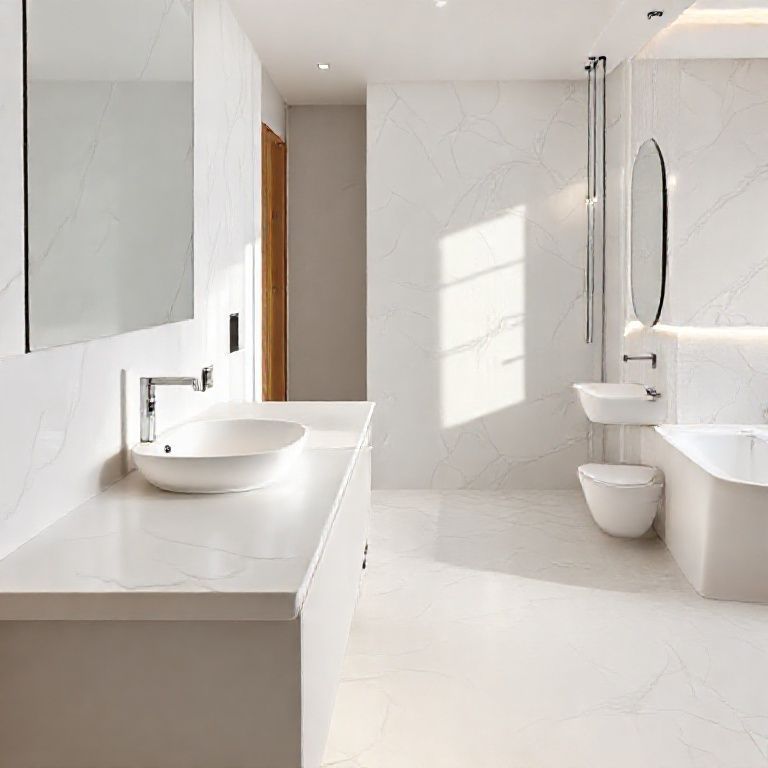
In the realm of luxury and high-end interior design, marble continues to hold a revered place. The beauty and elegance of marble have led to its widespread use in kitchens, bathrooms, and other high-traffic areas. However, not all marble is created equal. There’s a significant distinction between synthetic marble and natural marble, each offering unique advantages and drawbacks.
Material Composition:
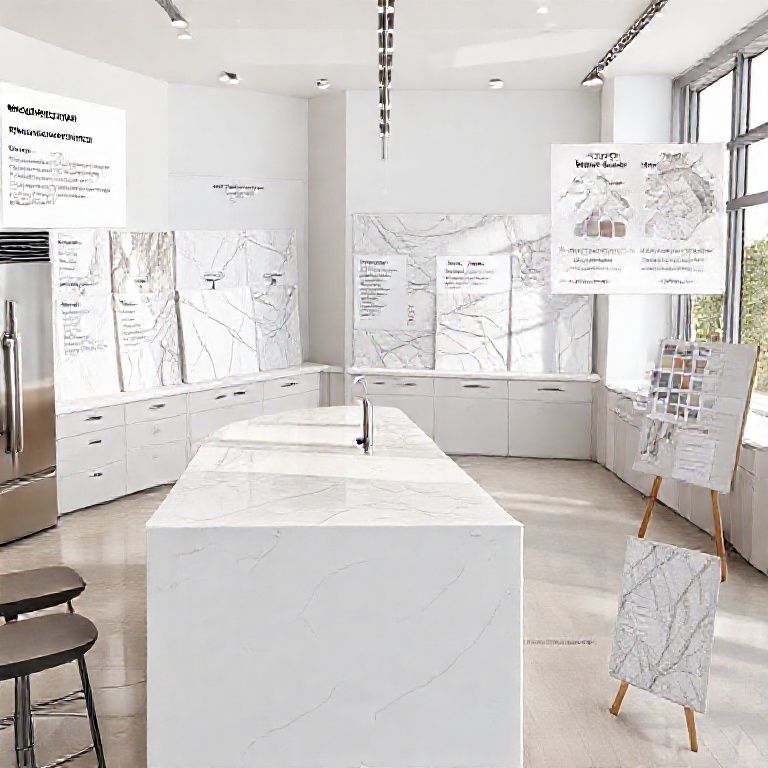
Natural Marble: Natural marble is a metamorphic rock that has been formed through the transformation of limestone due to intense heat and pressure over millions of years. This process creates a rich, veined, and uniquely patterned surface that is both beautiful and highly valued. Each piece of natural marble is one-of-a-kind, offering a distinctive pattern that can only be replicated with great difficulty. The natural veins and colors are a testament to its geological journey, making it a highly prized material in upscale construction and design.
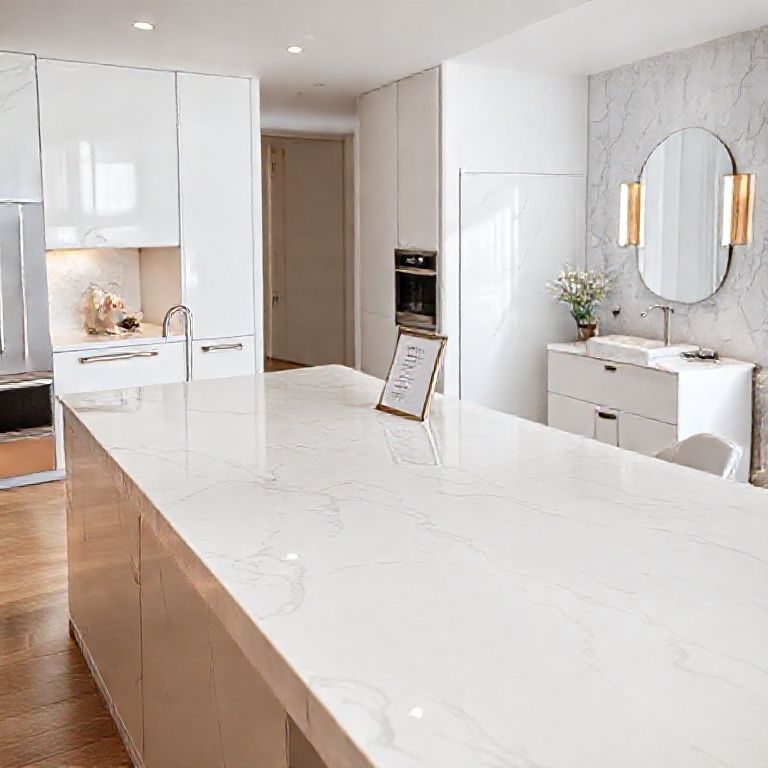
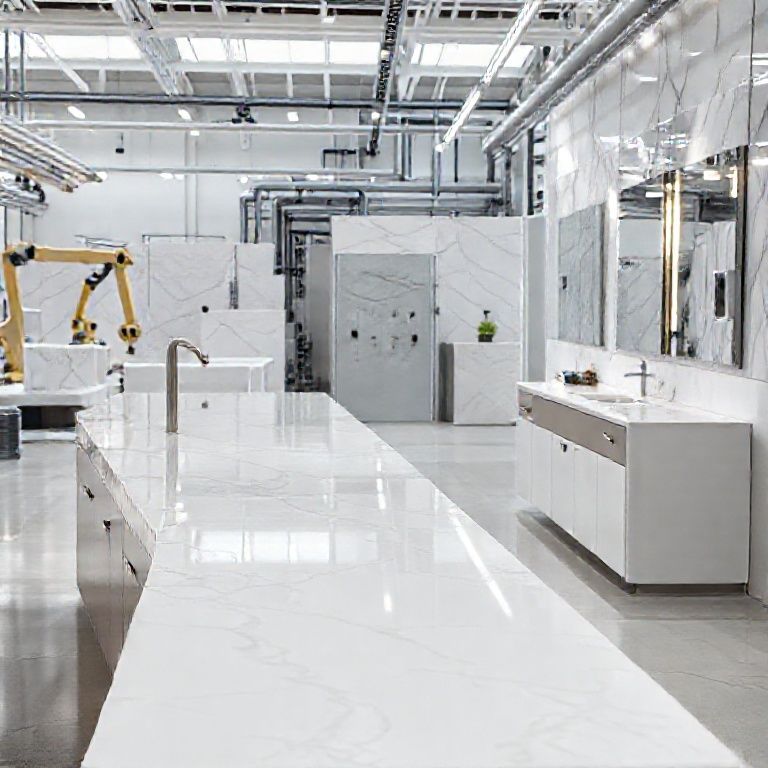
Synthetic Marble: Synthetic marble, often referred to as engineered or artificial marble, is a composite material made from a mixture of minerals, typically including calcite, which is the primary component of natural marble. The mixture is combined with resins and dyes to mimic the look and feel of natural marble. This material is then pressed and heated to form a solid block that can be cut into slabs for countertops, tiles, and other applications. While synthetic marble can replicate the appearance of natural marble, it is essentially a manufactured product with a consistent, uniform pattern.
Aesthetic Differences:
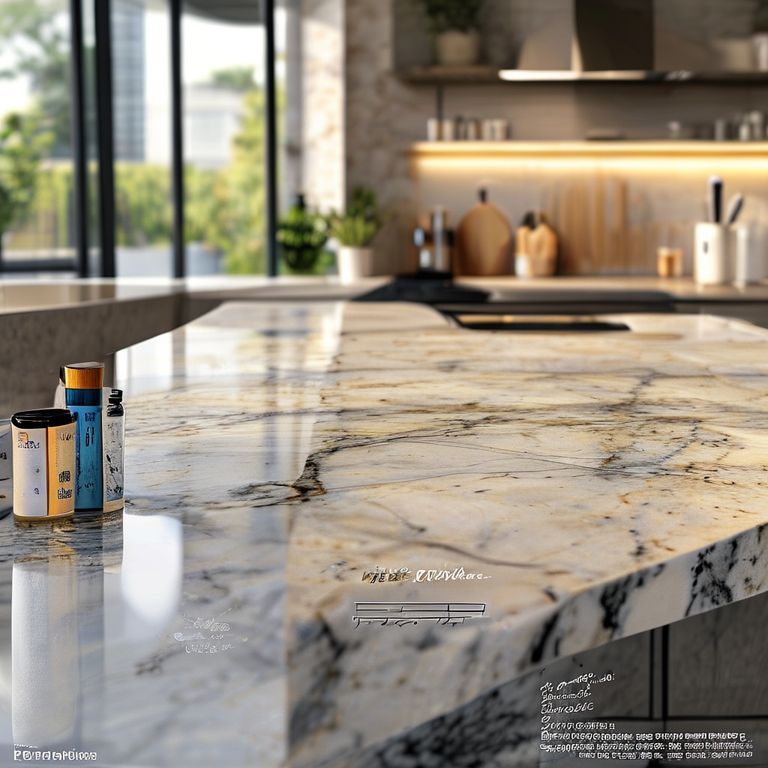
Natural Marble: The hallmark of natural marble is its unique, one-of-a-kind patterns. The natural veins and swirls provide a sense of authenticity and luxury that is difficult to replicate. These patterns are a result of natural geological processes, giving each piece a distinct character. The colors range from soft whites to deep, rich hues, depending on the specific type of marble. The visual appeal of natural marble is often enhanced by the play of light on its surface, creating dynamic and ever-changing patterns.
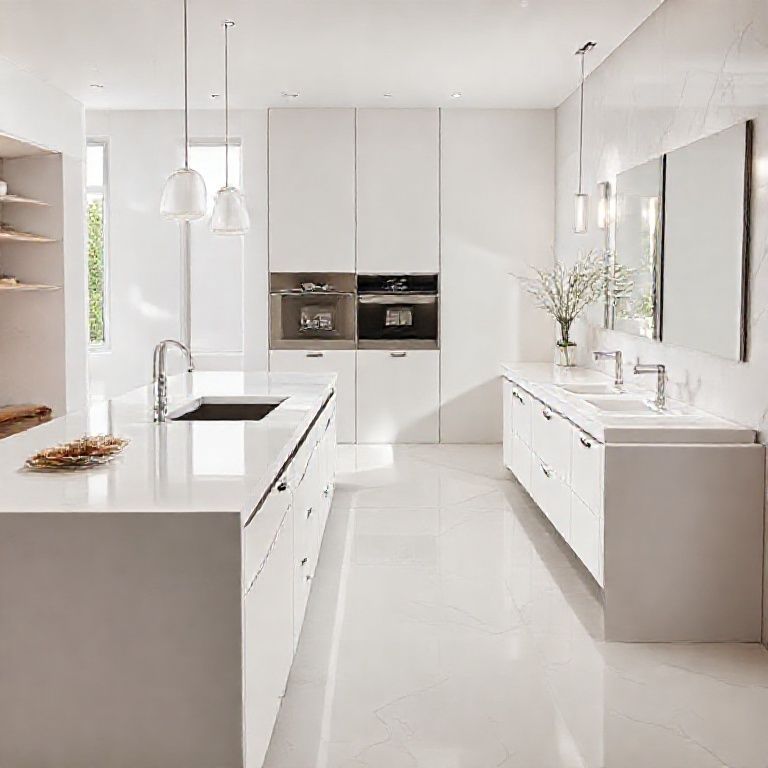
Synthetic Marble: Synthetic marble, on the other hand, offers a more uniform and consistent appearance. The manufacturing process allows for precise control over the color and pattern, resulting in a product that can be produced in large quantities. While it can closely mimic the appearance of natural marble, the patterns tend to be more uniform and less varied than those found in natural marble. Although synthetic marble can be designed to resemble various types of natural marble, it often lacks the unique character and depth of the natural veins and colors.
Durability and Maintenance:
Natural Marble: Natural marble is a beautiful but delicate material. It is softer than most other types of stone and can be easily scratched and stained. To maintain its beauty, natural marble requires regular sealing to protect against stains and acids, which can cause discoloration. Despite its care requirements, the inherent beauty and character of natural marble make it a popular choice for those seeking a luxurious and authentic look.
Synthetic Marble: Synthetic marble is far more durable than natural marble. It is harder and less prone to scratches, stains, and etching. This makes it an excellent choice for high-traffic areas where durability is a priority. While synthetic marble still requires some maintenance, such as regular cleaning and occasional polishing, it is generally easier to maintain than natural marble. The durability of synthetic marble also means it has a longer lifespan, reducing the need for frequent replacement.
Cost and Availability:
Natural Marble: Due to its rarity and the labor-intensive process required to extract and cut it, natural marble can be quite expensive. The cost varies significantly based on the type of marble, its color, and its quality. High-end varieties like Italian Carrara marble can command premium prices. Given its cost, natural marble is often reserved for special projects where its unique character and luxury are highly valued.
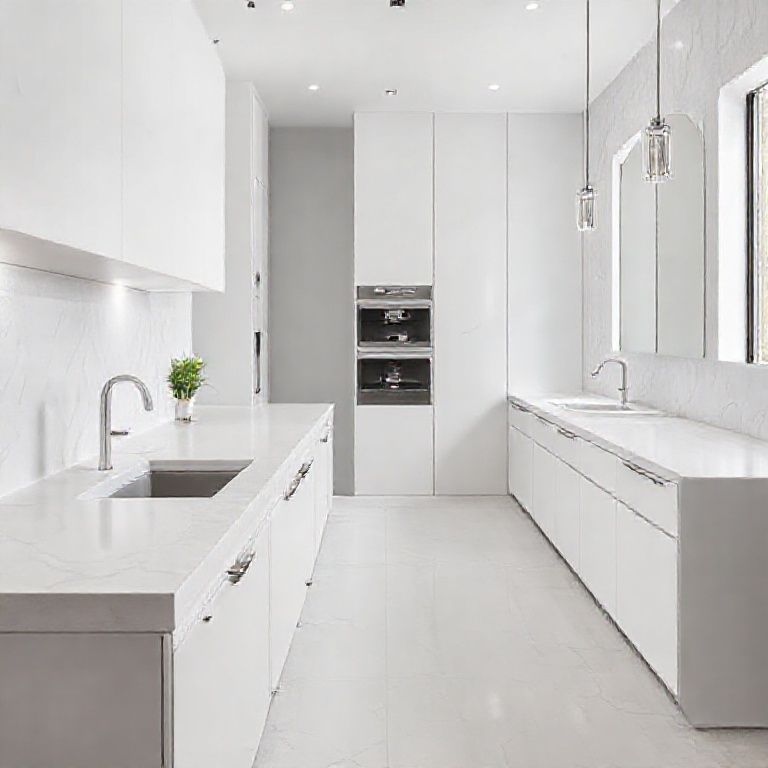
Synthetic Marble: Synthetic marble is generally more affordable than natural marble. The manufacturing process allows for consistent production at a lower cost. This makes synthetic marble an attractive option for those looking to achieve a marble-like appearance without the high price tag. Additionally, synthetic marble is widely available in various colors and patterns, making it easier to find a match for any design project.
Installation and Versatility:
Natural Marble: The installation of natural marble can be more complex due to its unique shape and size. Each piece must be carefully cut and fitted to ensure a precise fit. This can be time-consuming and requires skilled labor to achieve a flawless installation. Natural marble is versatile and can be used for countertops, tiles, flooring, and decorative elements. However, its delicate nature means it is often limited to areas where it can be protected from heavy use.
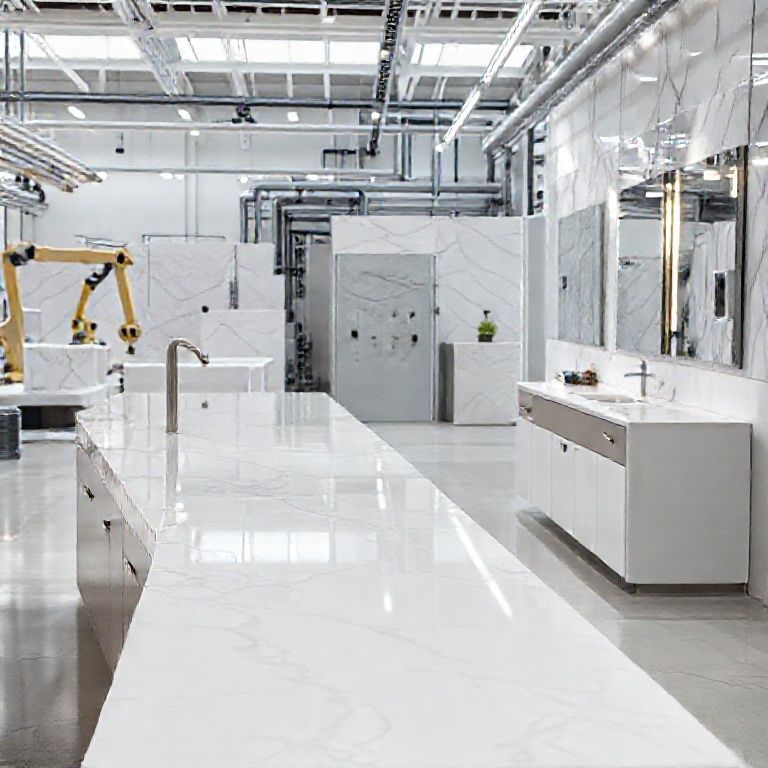
Synthetic Marble: Synthetic marble is designed for easy installation. Its uniform thickness and consistent pattern make it straightforward to cut and fit. This material can be used in various applications, from countertops and backsplashes to tiles and flooring. The versatility of synthetic marble allows for creative design possibilities without the constraints of natural stone. It is particularly popular in commercial spaces where durability and ease of installation are critical.
Long-term Value, Environmental Impact, and Sustainability
Long-term Value:
Natural Marble: The long-term value of natural marble is often tied to its aesthetic appeal and perceived luxury. While it may require more maintenance and have a higher upfront cost, the unique character and timeless beauty of natural marble can make it a worthwhile investment for those who appreciate its authenticity. The durability of high-quality natural marble can also mean a longer lifespan, reducing the need for frequent replacement. However, the cost and maintenance requirements may deter some from choosing this option.
Synthetic Marble: Synthetic marble offers a different kind of long-term value. Its durability and resistance to stains and scratches mean it can withstand heavy use and last longer than natural marble, reducing the need for frequent replacement. This makes synthetic marble an economical choice over time, despite its lower upfront cost. The consistent quality and uniform appearance also mean that synthetic marble maintains its appearance better over the long term, making it a reliable choice for both residential and commercial projects.
Environmental Impact:
Natural Marble: The extraction and processing of natural marble have significant environmental impacts. The mining process can lead to habitat destruction, soil erosion, and water pollution. Additionally, the transportation of natural marble, which often requires long distances, contributes to carbon emissions. The environmental cost of natural marble is a growing concern for many who are mindful of sustainability issues.
Synthetic Marble: Synthetic marble offers a more sustainable alternative. The manufacturing process for synthetic marble typically has a lower environmental footprint compared to the extraction and processing of natural marble. While there are emissions associated with the production of synthetic marble, the overall impact is generally less severe. Additionally, synthetic marble can be designed to use recycled materials, further reducing its environmental impact.
Sustainability:
Natural Marble: Sustainability in the context of natural marble is a complex issue. While natural marble is a natural resource, its extraction can be detrimental to the environment. Efforts to mitigate these impacts include sustainable mining practices and the use of protected quarries where possible. However, the overall sustainability of natural marble is often questioned due to its non-renewable nature and the environmental costs associated with its extraction and transportation.
Synthetic Marble: Synthetic marble presents a more sustainable option for those concerned with environmental impact. Its production can be optimized to minimize waste and emissions, and it can be made from recycled materials. The renewable nature of the materials used in synthetic marble, combined with its durability, makes it a more sustainable choice. Additionally, the ability to produce synthetic marble in various colors and patterns without the need for extensive mining contributes to its appeal as a sustainable material.
Ease of Installation and Versatility:
Natural Marble: The installation of natural marble requires skilled labor and can be time-consuming. Each piece must be carefully cut and fitted to ensure a precise fit, which can be challenging for irregular shapes and sizes. While natural marble can be used in various applications, its delicate nature means it is often limited to areas where it can be protected from heavy use. This can make installation more complex and costly, especially for large projects.
Synthetic Marble: Synthetic marble is designed for ease of installation. Its uniform thickness and consistent pattern make it straightforward to cut and fit, reducing the need for skilled labor and minimizing installation time. This makes synthetic marble an attractive option for both residential and commercial projects. Its versatility allows it to be used in a wide range of applications, from countertops and tiles to flooring and decorative elements. The ease of installation also makes synthetic marble a practical choice for large-scale renovations and new constructions.
Conclusion and Final Thoughts on Choosing Between Synthetic and Natural Marble
When deciding between synthetic and natural marble, it’s essential to consider multiple factors including material composition, aesthetic differences, durability, maintenance, cost, installation ease, long-term value, environmental impact, and sustainability. Each type of marble offers unique benefits that can influence the overall success of your interior design project.
Choosing the Right Marble for Your Project:
Natural Marble: If you prioritize authenticity and the unique beauty of one-of-a-kind patterns, natural marble is an excellent choice. Its timeless elegance and character can elevate the luxury of your space. However, natural marble’s higher cost, maintenance requirements, and potential environmental impact should be weighed against these benefits.
Synthetic Marble: Synthetic marble offers a practical and cost-effective alternative that closely mimics the appearance of natural marble. Its durability, ease of installation, and lower maintenance make it ideal for high-traffic areas where durability is crucial. Additionally, synthetic marble’s lower environmental impact and sustainability make it an attractive option for environmentally conscious consumers.
Final Considerations:
Budget and Cost: Natural marble often comes with a higher price tag due to its rarity and the labor-intensive process required for its extraction and cutting. Synthetic marble, on the other hand, is generally more affordable and widely available. Consider your budget constraints and the long-term financial implications of each option.
Maintenance and Durability: Natural marble’s beauty comes with a price—it requires regular sealing to protect against stains and acids, which can cause discoloration. Synthetic marble’s durability and resistance to scratches and stains make it easier to maintain and more suitable for high-traffic areas.
Design and Aesthetics: Natural marble’s unique patterns and colors provide a sense of authenticity and luxury that synthetic marble can emulate but rarely match in individuality. Synthetic marble offers consistent and uniform patterns that can be tailored to specific design needs.
Environmental Impact: The environmental impact of natural marble extraction and transportation is significant. Synthetic marble offers a more sustainable alternative, with lower emissions and the potential to use recycled materials.
Sustainability: Sustainability is increasingly important in modern design. Synthetic marble’s production can be optimized to minimize waste and emissions, and its durability extends its lifespan, making it a more sustainable choice.
Installation and Versatility: Synthetic marble’s uniform thickness and consistent patterns make it easier to install and fit, reducing the need for skilled labor and minimizing installation time. Its versatility allows it to be used in a wide range of applications, from countertops to flooring.
Conclusion: Choosing between synthetic and natural marble ultimately depends on your specific needs and priorities. If you value the unique beauty and authenticity of natural marble but are concerned about its maintenance and cost, synthetic marble offers a compelling alternative with many of the same aesthetic qualities at a lower price point. For those looking for durability, ease of installation, and sustainability, synthetic marble is a practical and environmentally friendly choice.
In the end, both synthetic and natural marble have their place in the world of interior design, each offering distinct advantages that can enhance the beauty and functionality of your space. By carefully considering these factors, you can make an informed decision that best suits your project’s requirements and your personal preferences.