Composition and Origin
When it comes to choosing between artificial marble and natural marble, one of the first distinctions to consider is their composition and origin. Understanding these fundamental differences can provide valuable insight into the overall quality, durability, and aesthetics of each type.
Artificial Marble: A Modern Creation
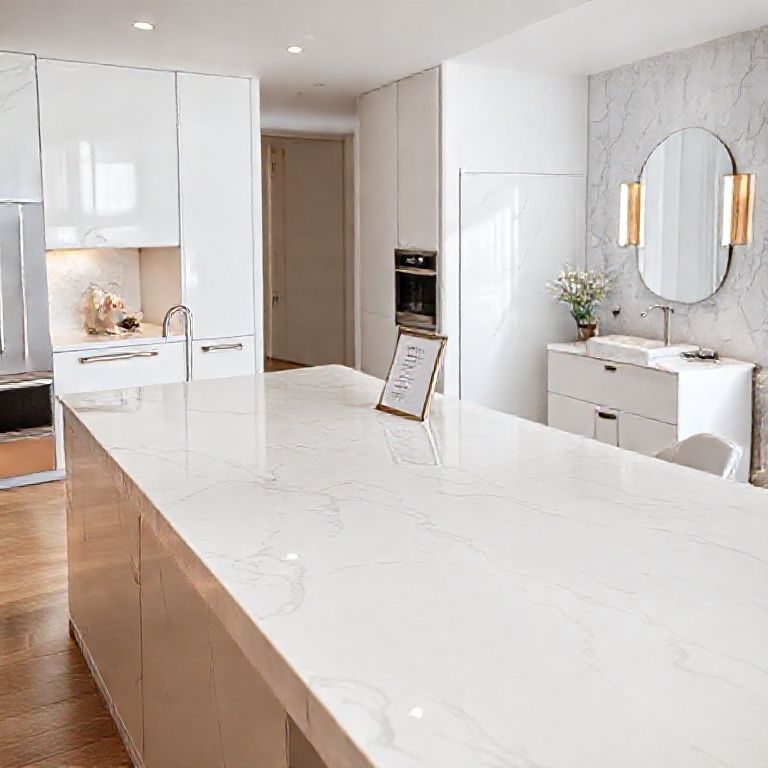
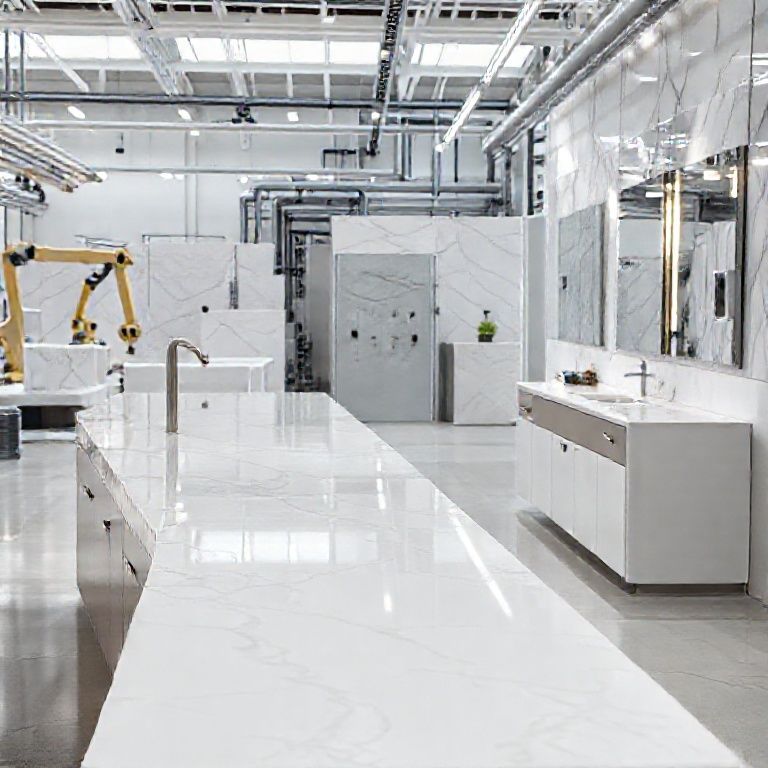
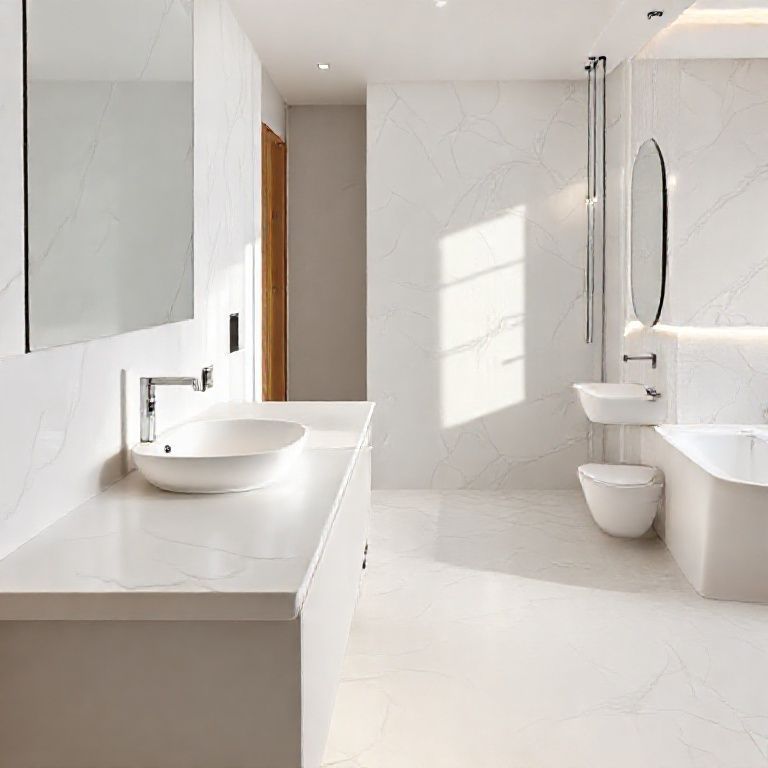
Artificial marble, often referred to as engineered marble, is a contemporary innovation in the world of luxury stone materials. It is meticulously crafted in factories using a combination of resin, quartz, and pigments to mimic the appearance of natural marble. The process begins with a base layer of resin that is reinforced with fine quartz particles. High-pressure and high-temperature processes bind these materials together, resulting in a surface that closely resembles natural marble while offering unique advantages.
One of the most significant advantages of artificial marble is its customizable nature. Manufacturers can produce a vast array of colors, patterns, and finishes, allowing designers to push creative boundaries and achieve unique designs that would be difficult or impossible with natural stone. This flexibility makes artificial marble a popular choice for custom installations and modern aesthetics.
Natural Marble: A Timeless Treasure
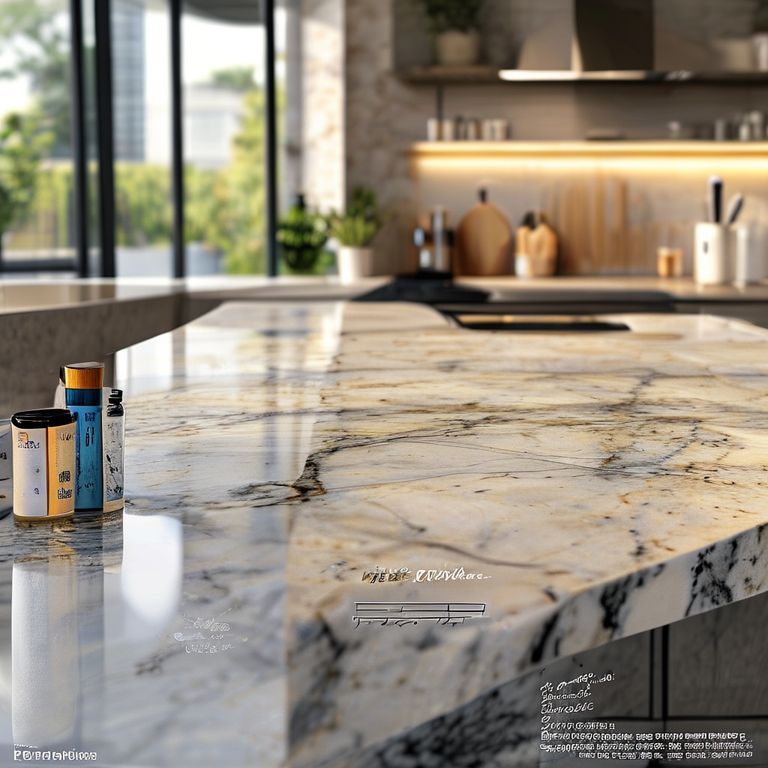
In contrast, natural marble is a natural stone that has been quarried for centuries. Its unique beauty comes from the intricate veining and coloration that result from millions of years of geological processes. Natural marble is composed primarily of calcium carbonate, which undergoes metamorphic transformation due to heat and pressure, resulting in the stunning patterns and colors that make it so desirable.
The origin of natural marble varies significantly depending on the specific type, with popular varieties including Carrara, Yule, and Bianco Carrara from Italy, and Indian White and Emperador from India and the Philippines, respectively. Each type boasts distinct characteristics that appeal to different tastes and preferences.
Durability and Longevity
While both artificial and natural marble offer impressive durability, they differ in their resilience to various factors over time. Artificial marble is known for its high resistance to scratches, stains, and chips, making it an excellent choice for high-traffic areas where durability is paramount. Its uniform composition ensures consistent performance across the entire surface, reducing the likelihood of discoloration or uneven wear.
On the other hand, natural marble, despite its beauty, can be more susceptible to stains and etchings, particularly from acidic substances such as wine, citrus, and vinegar. However, with proper care and maintenance, natural marble can maintain its elegance for decades, offering a timeless appeal that continues to grow with age.
Cost Considerations
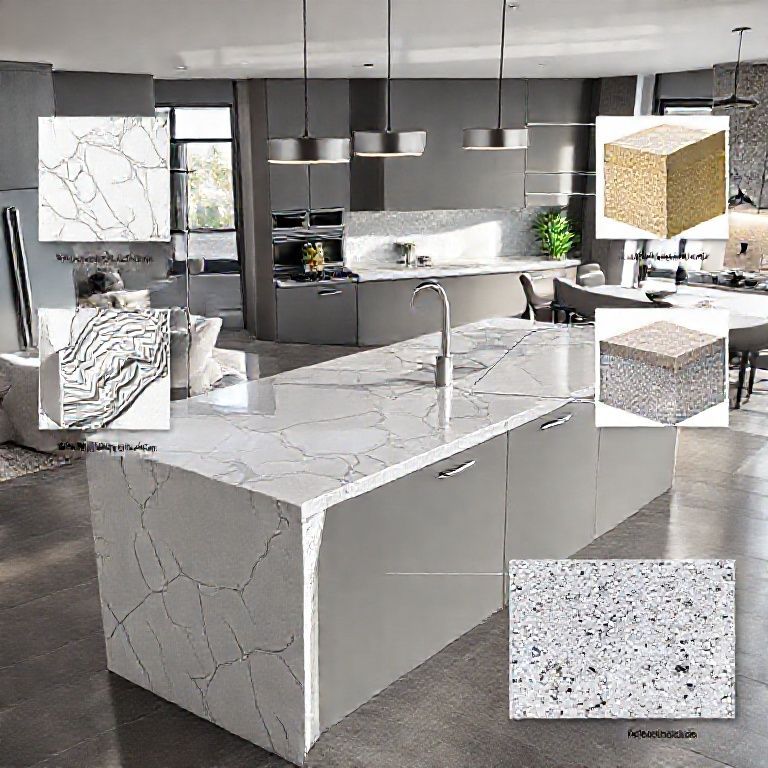
Another critical factor in distinguishing artificial marble from natural marble is cost. Artificial marble is generally more affordable due to its manufacturing process and the availability of synthetic materials. It offers a cost-effective solution for homeowners and businesses looking to achieve a marble-like appearance without the premium price tag of natural stone.
Natural marble, on the other hand, tends to be more expensive due to its rarity and the labor-intensive process of quarrying and polishing. The cost can vary significantly based on the type and quality of the marble, with some rare varieties commanding very high prices. Despite the initial investment, many find the long-term value and aesthetic appeal of natural marble to justify the cost.
Aesthetic Appeal
Both artificial and natural marble have their own unique aesthetic qualities that cater to different design preferences. Artificial marble, with its customizable options, allows for an almost limitless range of colors and patterns. This makes it an ideal choice for modern and contemporary designs where bold, unique statements are appreciated.
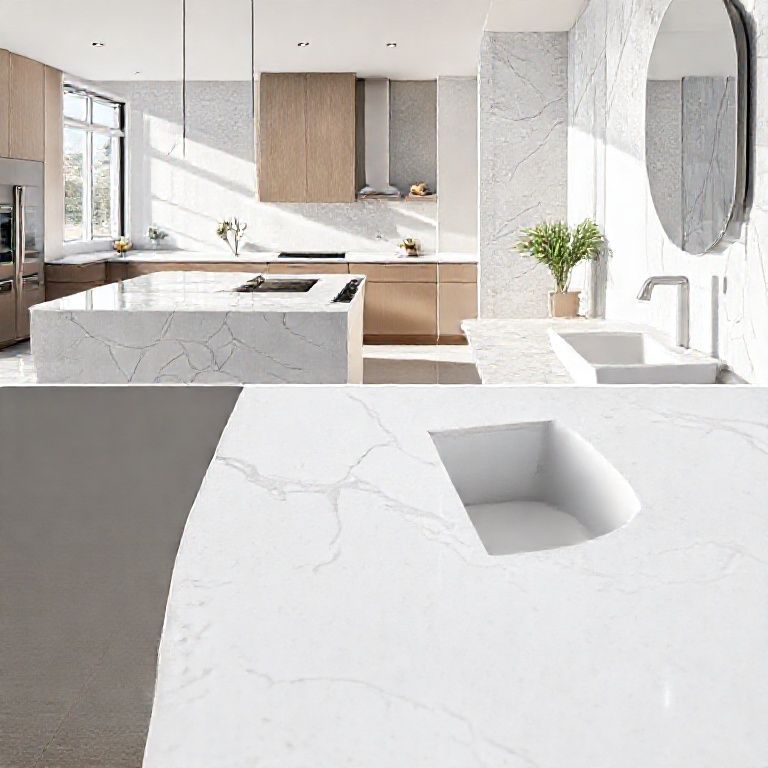
Natural marble, with its organic, one-of-a-kind patterns, offers a timeless and elegant appeal that resonates with traditional and classic design themes. The natural veining and color variations provide a sense of authenticity and luxury that many find irresistible. Each piece of natural marble is unique, adding character and history to any space.
Environmental Impact
The environmental impact of both materials is another consideration worth noting. The production of artificial marble involves synthetic materials and manufacturing processes that can have environmental implications, including energy consumption and waste generation. However, advancements in manufacturing technology are continually working to minimize these impacts.
Natural marble extraction, while more traditional, also raises environmental concerns, particularly around sustainable quarrying practices. The extraction process can have significant ecological footprints, including habitat disruption and water usage. However, responsible and sustainable quarrying practices can mitigate these impacts, ensuring that the natural beauty of marble is preserved for future generations.
Installation, Maintenance, and Versatility
Having explored the composition, origin, durability, cost, and aesthetic appeal of artificial and natural marble, we now turn our attention to the practical aspects of installation, maintenance, and versatility to further understand the distinctions between these two types of luxurious materials.
Installation
When it comes to installation, the differences between artificial and natural marble become quite apparent. Artificial marble, due to its composite nature, is typically available in large, pre-cut slabs that are relatively easy to install. This makes artificial marble an attractive option for DIY enthusiasts and professional contractors alike, as it generally requires fewer tools and less specialized knowledge to lay.
Natural marble, in contrast, often needs to be cut and shaped on-site to fit specific spaces. This process can be labor-intensive and requires skilled labor to achieve a precise fit and finish. Additionally, natural marble slabs may need to be imported from distant quarries, adding logistical complexities and additional costs to the installation process.
Maintenance
Maintenance is another area where artificial and natural marble diverge significantly. Artificial marble is known for its low maintenance requirements. Its resin-based surface is highly resistant to stains, scratches, and chips, meaning it requires minimal upkeep. Cleaning artificial marble typically involves simple wiping with a damp cloth and mild soap, followed by drying to prevent water spots.
Natural marble, however, requires more careful handling to maintain its beauty and longevity. Regular cleaning with a marble-safe cleaner and a soft cloth is essential to prevent etching and staining. It is also crucial to avoid using acidic or harsh cleaning agents, as these can damage the stone’s surface. Additionally, sealing natural marble periodically with a high-quality marble sealant can help protect against stains and maintain its luster.
Versatility
Versatility is where artificial marble shines, offering designers and homeowners a wide range of possibilities. The ability to create custom colors, patterns, and finishes means that artificial marble can seamlessly blend into various design styles, from modern and minimalist to traditional and ornate. It is particularly useful in environments where specific design elements are desired, such as custom countertops, unique backsplashes, and bespoke flooring solutions.
Natural marble’s versatility comes from its inherent beauty and timeless appeal. While it may not offer the same level of customization as artificial marble, its natural patterns and colors can add a unique and authentic touch to any space. Natural marble is particularly valued in high-end settings such as luxury kitchens, bathrooms, and living spaces where its elegance and luxury are fully appreciated.
Functionality
The functionality of marble in various applications also highlights the differences between artificial and natural marble. Artificial marble’s uniform composition and high-pressure manufacturing process make it an excellent choice for high-traffic areas where durability and resistance to wear are critical. Its ability to withstand heavy use and maintain a pristine appearance over time makes it ideal for commercial spaces, including restaurants, hotels, and office buildings.
Natural marble, while beautiful, may not be as practical for high-traffic areas due to its susceptibility to staining and etching. However, its functionality shines in settings where its natural beauty can be fully showcased without the need for constant maintenance. Bathrooms, kitchens, and decorative elements benefit greatly from the elegant and timeless appeal of natural marble.
Cost-Effectiveness Over Time
While the initial cost of artificial marble may be lower, its cost-effectiveness over time is often due to its lower maintenance requirements and durability. The need for minimal cleaning and the resistance to stains and chips mean that artificial marble can retain its appearance with minimal intervention, resulting in long-term savings.
Natural marble, despite its higher upfront cost, can offer significant value over time through its timeless beauty and elegance. While it requires more maintenance, its natural patterns and colors can become more refined and appealing with age, adding to its long-term aesthetic appeal and value.
Sustainability
Finally, sustainability is an important factor in the decision between artificial and natural marble. The production of artificial marble involves synthetic materials and manufacturing processes that can have environmental impacts. However, advancements in technology are continually working to improve the sustainability of artificial marble production.
Natural marble extraction also raises sustainability concerns, particularly around responsible quarrying practices. However, sustainable quarrying methods can help mitigate these impacts, ensuring that the natural beauty of marble is preserved for future generations. Choosing responsibly sourced natural marble can also contribute to a more sustainable design practice.
In conclusion, the distinctions between artificial and natural marble lie in their composition, origin, durability, cost, aesthetic appeal, installation, maintenance, versatility, functionality, cost-effectiveness over time, and sustainability. Both materials offer unique benefits and cater to different design preferences and practical needs. Whether you choose the customizable and durable artificial marble or the timeless and elegant natural marble, understanding these distinctions will help you make an informed decision that aligns with your aesthetic vision and practical requirements.