Origins and Composition
In the world of luxury and elegance, marble stands as a quintessential material that has adorned homes, buildings, and monuments for centuries. The beauty of marble lies not just in its aesthetic appeal but also in its intricate patterns and unique properties. However, the marble that graces high-end interiors today is often not the same as it has been in the past. This is where the distinction between natural and man-made marble becomes critical.

Natural Marble: The Timeless Classic
Natural marble is a metamorphic rock formed from limestone through the process of heat and pressure over millions of years. The result is a stunning material characterized by its intricate veining and unique color patterns. Each piece of natural marble is one-of-a-kind, making it a highly prized material for architects and designers.
The origins of natural marble can be traced back to the Earth’s geological processes. It undergoes significant transformation when subjected to high pressure and temperature, which leads to the recrystallization of calcite, creating the distinct look of marble. The natural beauty of marble is what has made it a symbol of luxury and sophistication throughout history.
Man-Made Marble: The Modern Marvel
In contrast, man-made marble, also known as engineered or artificial marble, is a composite material created in a lab. It is a blend of various substances such as resin, stone chips, and pigments. This synthetic version of marble is designed to mimic the appearance and properties of natural marble but with additional benefits like uniformity and durability.
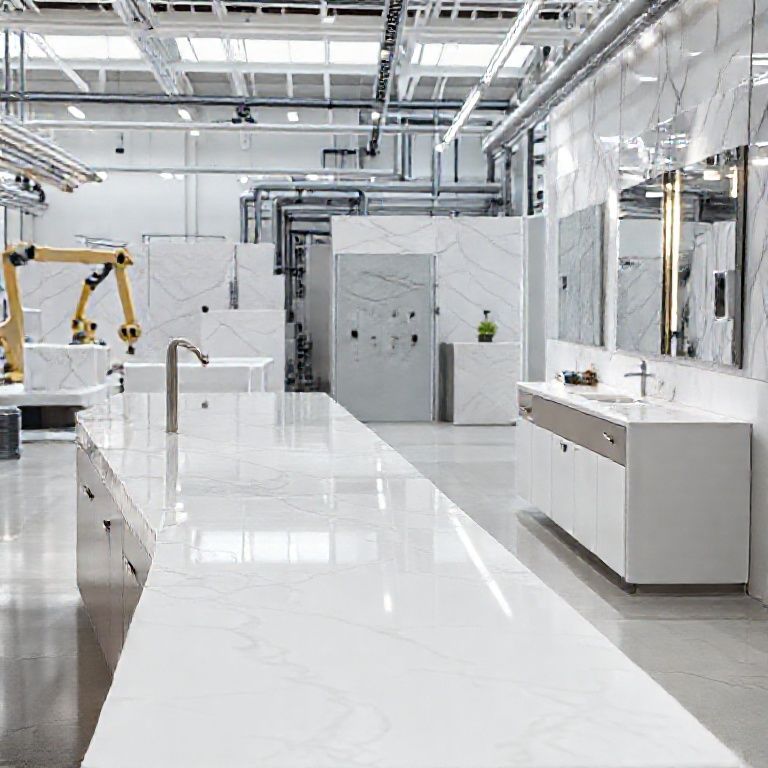
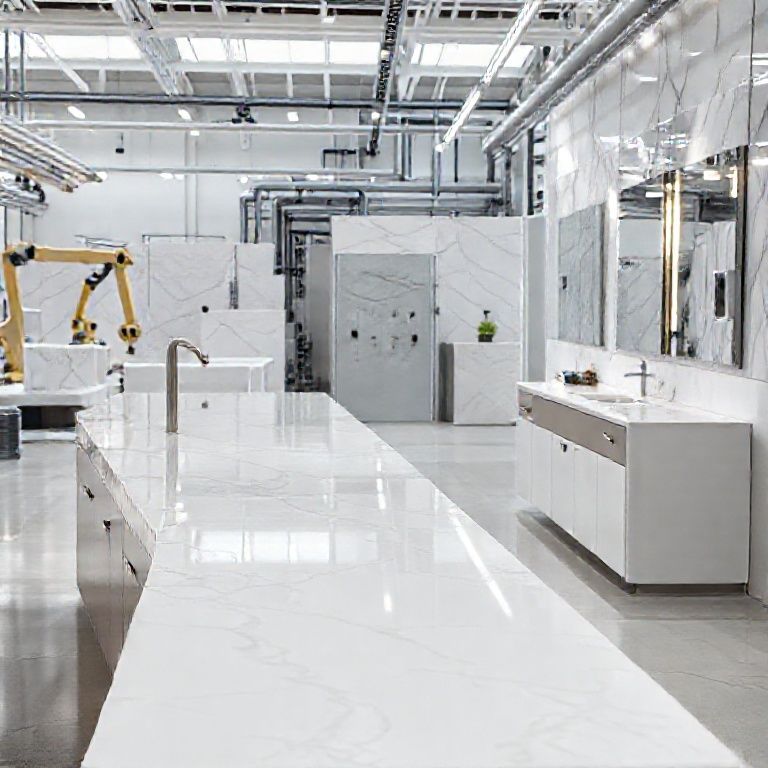
The process of creating man-made marble involves combining these materials under controlled conditions to form a solid, homogeneous material. This allows manufacturers to create slabs that are uniform in color and texture, eliminating the need for natural veining which can be inconsistent from piece to piece.
Chemical Composition and Formation
Natural marble’s formation involves a natural geological process that spans millions of years. The primary minerals in natural marble are calcite and dolomite, which undergo recrystallization under immense pressure and temperature, leading to the creation of marble’s characteristic patterns.
Man-made marble, on the other hand, is crafted in a controlled environment using a variety of synthetic materials. The resins and stone chips are carefully blended to form a material that can be molded into slabs. Pigments are added to achieve the desired color and pattern, ensuring a consistent appearance across different pieces.
Durability and Maintenance
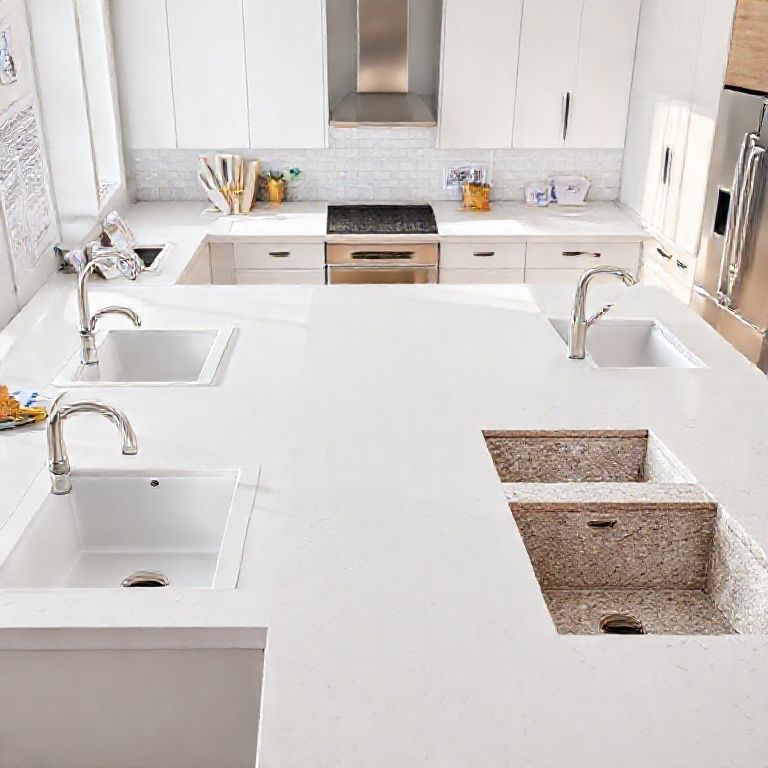
One of the most significant distinctions between natural and man-made marble lies in their durability and maintenance requirements. Natural marble, despite its beauty, is susceptible to scratches, stains, and etching from acidic substances like lemon juice or vinegar. It requires regular maintenance, including sealing and periodic reapplication of protective coatings to maintain its appearance.
In contrast, man-made marble is engineered to be more durable. It is resistant to stains and etching, making it easier to maintain. This synthetic material is designed to withstand the rigors of everyday use without showing signs of wear and tear as quickly as natural marble.
Applications and Versatility
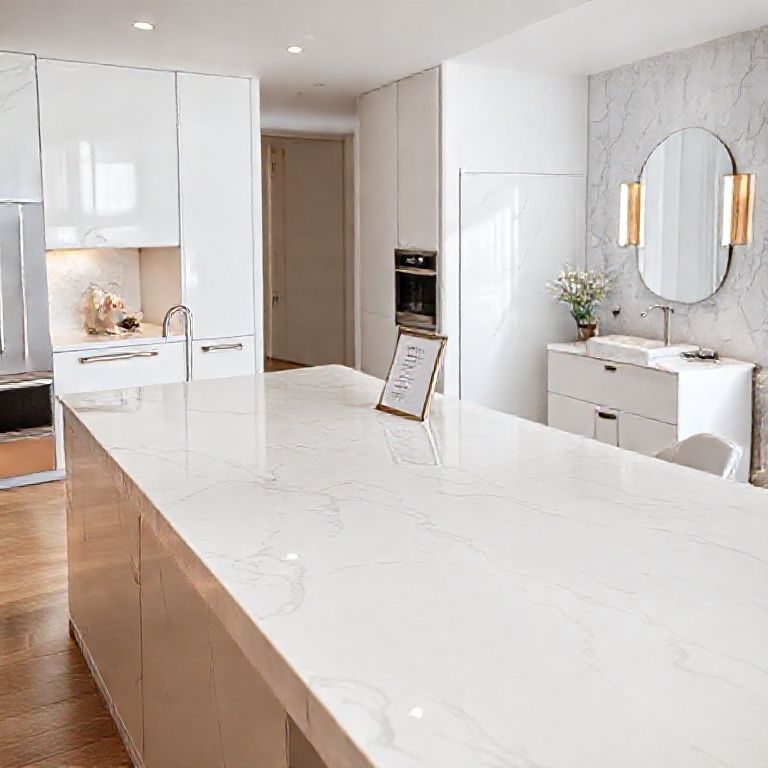
The versatility of man-made marble makes it an attractive option for modern designers and architects. Its uniform appearance allows for a wide range of applications, from countertops and backsplashes to floors and walls. The ability to create custom colors and patterns means that man-made marble can be tailored to fit any design vision.
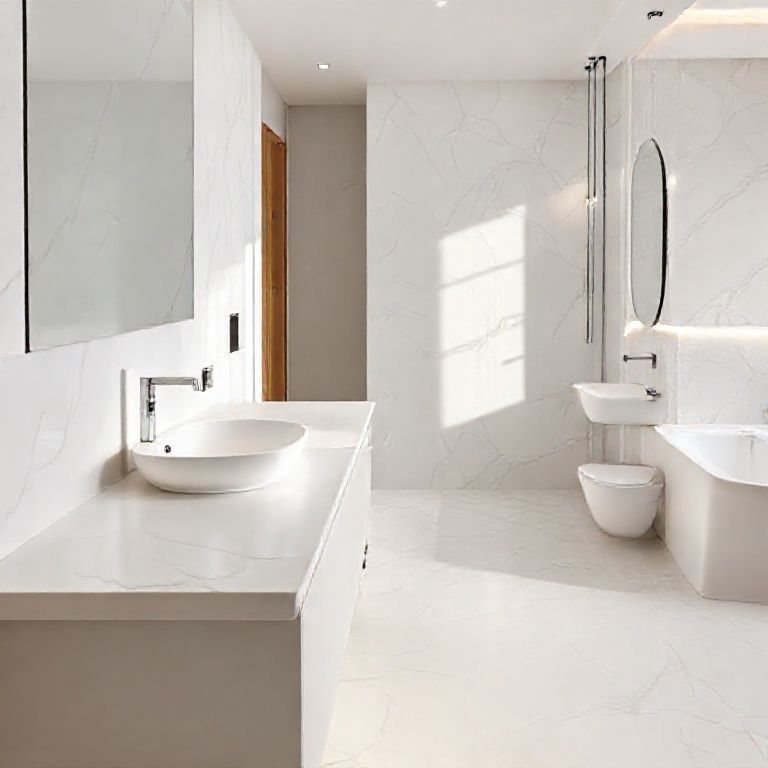
Natural marble, while versatile, is often chosen for its unique beauty and historical significance. It is frequently used in high-end interior design projects, sculptures, and architectural features where its natural patterns and textures add a touch of elegance and authenticity.
Sustainability and Environmental Impact
When considering the environmental impact, the distinction between natural and man-made marble becomes even more relevant. The extraction of natural marble involves significant environmental disruption, including land degradation and the release of greenhouse gases. It also poses ethical concerns related to the conservation of natural resources.
Man-made marble offers a more sustainable alternative. Its production process can be designed to minimize environmental impact, and it often uses recycled materials. Additionally, the controlled manufacturing process means that it can be produced in a more eco-friendly manner compared to the extensive mining required for natural marble.
Aesthetic Appeal and Design Flexibility
In the world of luxury interiors, the aesthetic appeal of materials plays a pivotal role in shaping design choices. The distinction between natural and man-made marble not only affects their durability and maintenance but also significantly influences their visual appeal and design flexibility.
The Aesthetic Appeal of Natural Marble
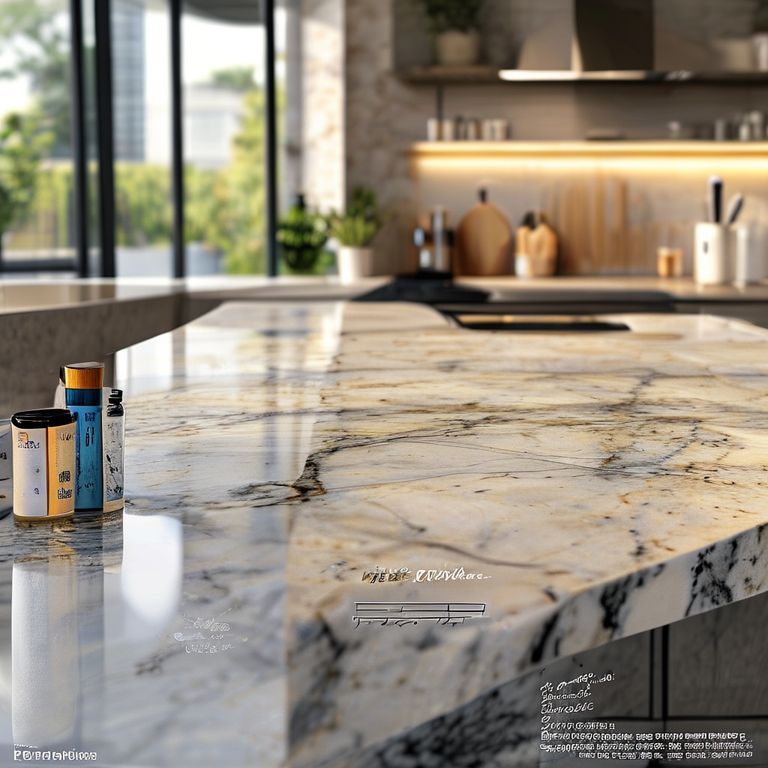
Natural marble is celebrated for its unique and beautiful patterns that are the result of millions of years of geological processes. The intricate veining and color variations found in natural marble create a sense of timelessness and authenticity. This natural beauty is what makes it a favorite among designers and architects who seek to imbue their spaces with a sense of luxury and elegance.
However, the aesthetic appeal of natural marble comes with certain limitations. The unique patterns of natural marble are inherently inconsistent from piece to piece. This means that creating a uniform look across a large project can be challenging, and matching pieces can be difficult.
Design Flexibility of Man-Made Marble
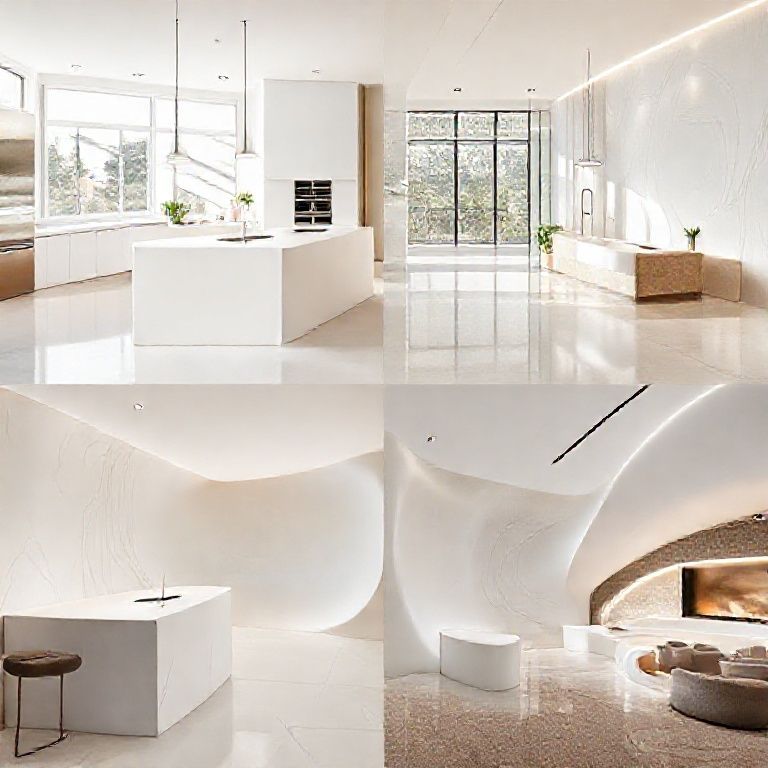
Man-made marble offers unparalleled design flexibility. The ability to create custom colors, patterns, and textures means that designers can push the boundaries of creativity. It allows for the creation of unique designs that might be impossible with natural marble due to its natural variations.
Additionally, man-made marble can be designed to mimic the appearance of various types of natural stones, including granite and quartz, giving designers even more options to choose from. This versatility makes it an ideal material for both contemporary and traditional designs.
Color and Pattern Customization
One of the most significant advantages of man-made marble is the ability to customize colors and patterns. With natural marble, the color and pattern are determined by the geological process, leading to a limited range of options. While this can be seen as a virtue for those who appreciate the natural beauty of marble, it can also be a limitation for those looking for specific designs.
Man-made marble, on the other hand, allows for a virtually limitless range of colors and patterns. Manufacturers can create custom designs that match specific aesthetic goals, ensuring a perfect fit for any design vision. This level of customization can be especially beneficial for large-scale projects where uniformity and consistency are crucial.
Texture and Finish
The texture and finish of man-made marble can also be tailored to meet specific design requirements. While natural marble has a natural, organic texture that many designers love, man-made marble can be engineered to replicate this texture precisely or to create entirely new finishes. This allows for a high degree of control over the final appearance of the material.
Installation and Versatility
The installation process for man-made marble is generally simpler and more straightforward compared to natural marble. Because man-made marble is a composite material, it can be produced in large, uniform slabs that are easier to cut and install. This makes it an excellent choice for large-scale projects where precision is important.
Natural marble, due to its unique veining and irregularities, often requires more precise cutting and fitting. This can make the installation process more complex and time-consuming. Additionally, natural marble’s weight can pose challenges in terms of installation, particularly in areas where the structural integrity of the installation surface is a concern.
Cost Considerations
Cost is another critical factor that distinguishes natural and man-made marble. Natural marble, due to its rarity and the extensive process required to extract and cut it, tends to be more expensive. The cost can vary significantly based on the type of marble, its color, and the complexity of its patterns.
Man-made marble, while still a premium material, is generally more affordable. This is due to the controlled manufacturing process and the ability to produce large quantities of uniform material. The cost of man-made marble can be further reduced by the use of recycled materials and more efficient production techniques.
Environmental and Ethical Considerations
When it comes to sustainability and ethical considerations, man-made marble offers significant advantages. The extraction of natural marble involves significant environmental disruption and can pose ethical concerns related to the conservation of natural resources. The production of man-made marble, on the other hand, can be designed to minimize environmental impact and can incorporate recycled materials.
The ethical implications of natural marble also include the impact of mining on local communities and ecosystems. Man-made marble, by contrast, can be produced in a more controlled and environmentally friendly manner, reducing the ecological footprint associated with its production.
Future Trends in Marble Design
As design trends evolve, the distinction between natural and man-made marble will continue to play a crucial role in shaping the future of luxury interiors. The growing emphasis on sustainability and ethical sourcing is likely to drive further innovation in the production of man-made marble, making it an even more attractive option for designers and architects.
The future of marble design will likely see a greater integration of technology in the production of man-made marble, allowing for even more precise control over its appearance, durability, and sustainability. This will enable designers to create more innovative and eco-friendly designs, pushing the boundaries of what is possible with this versatile material.
In conclusion, the distinction between natural and man-made marble is multifaceted, encompassing aspects of origin, composition, durability, aesthetic appeal, and sustainability. While natural marble remains a symbol of timeless beauty and authenticity, man-mademarble offers unprecedented flexibility, durability, and sustainability. The choice between these two types of marble ultimately depends on the specific needs and preferences of the project, as well as considerations related to cost, environmental impact, and ethical sourcing.
For those seeking the unique and authentic beauty of natural marble, its timeless elegance and natural patterns remain unparalleled. However, for projects where durability, uniformity, and sustainability are paramount, man-made marble provides a compelling alternative.
As the world moves towards more sustainable and ethical practices, the production and use of man-made marble are likely to increase, offering designers and builders a versatile and environmentally friendly option. The future of marble design will undoubtedly benefit from the continued innovation in both natural and man-made marble, providing a rich palette of choices for creating stunning and sustainable interiors.
In summary, whether opting for the timeless beauty of natural marble or the modern flexibility of man-made marble, both options offer unique advantages that can enhance the aesthetic and functional aspects of any interior design project. The key lies in understanding these distinctions and selecting the material that best aligns with the project’s goals and values.