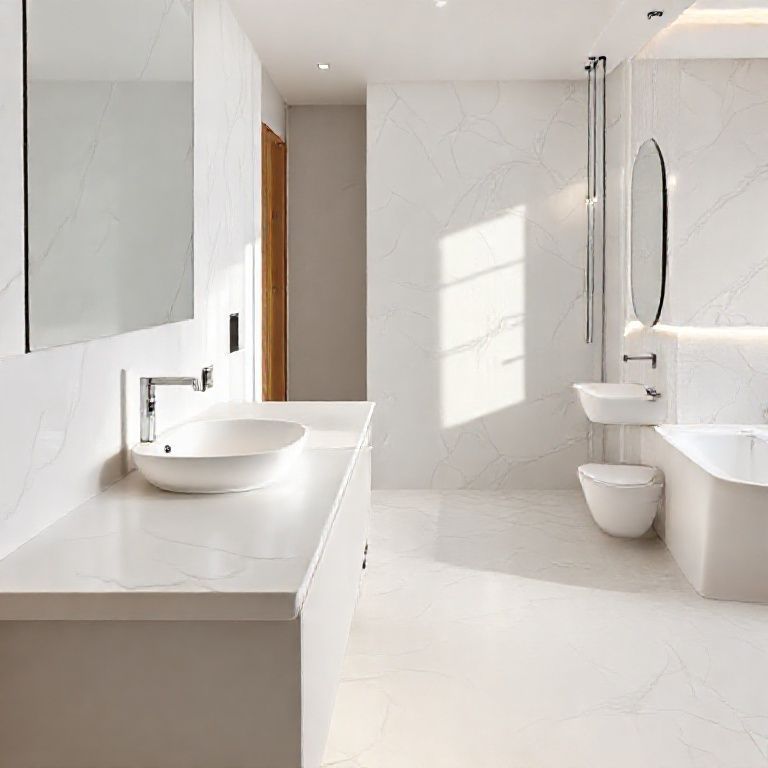
Disadvantages of Engineered Marble: A Closer Look
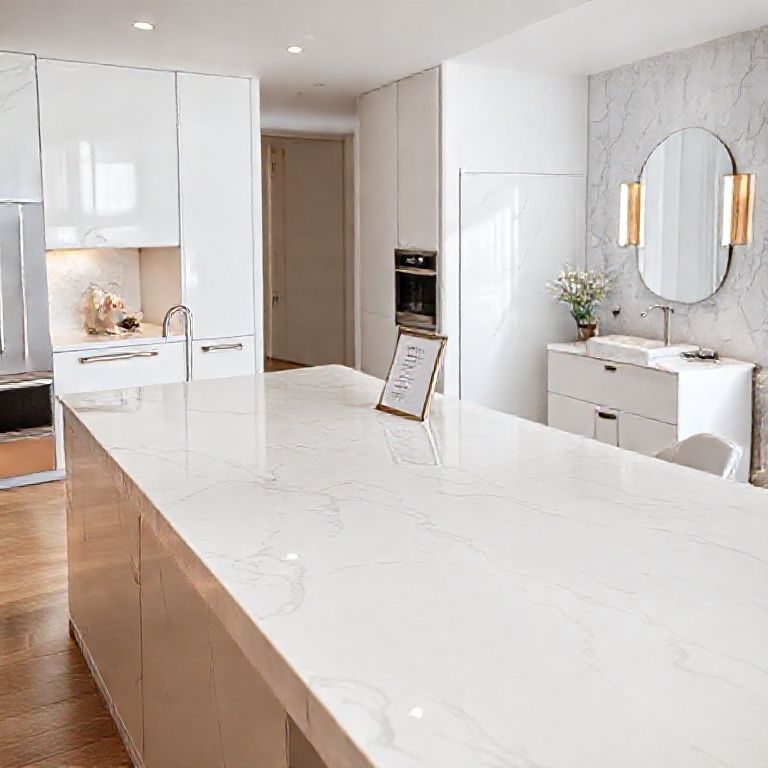
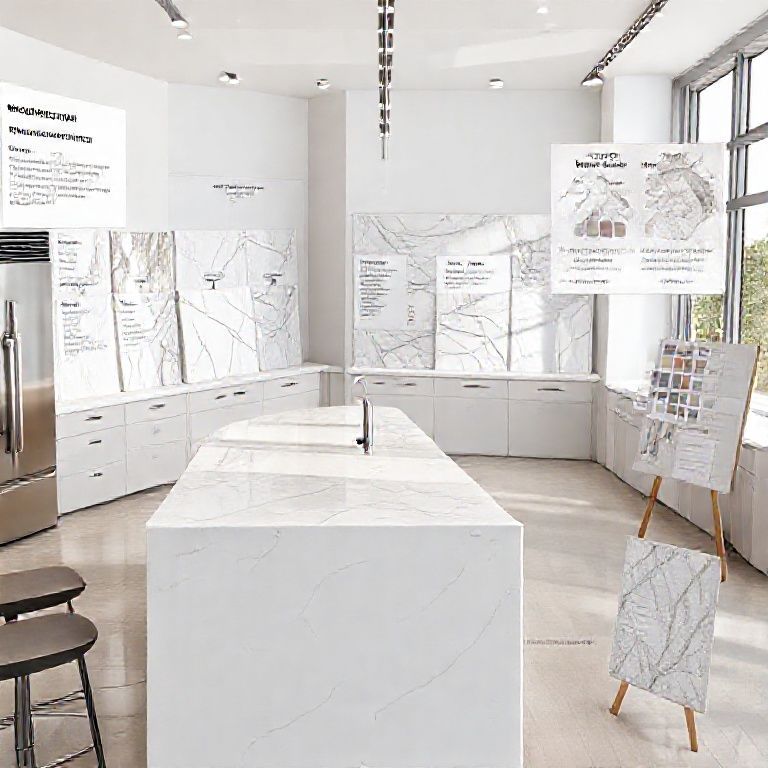
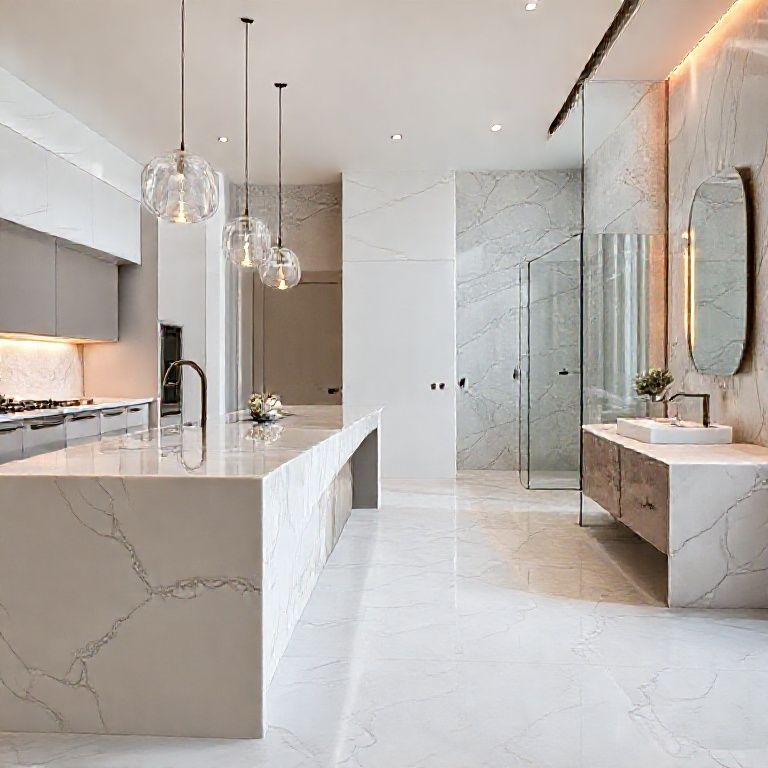
Engineered marble has carved a niche for itself in the world of countertop materials, praised for its durability, aesthetic appeal, and cost-effectiveness compared to natural marble. However, beneath its polished exterior lies a more nuanced reality that reveals certain drawbacks. Let’s explore the inherent disadvantages of engineered marble, shedding light on aspects that often go unmentioned in glossy brochures and showroom displays.
1. Durability and Scratch Resistance
One of the most touted features of engineered marble is its durability. However, this aspect requires closer scrutiny. While engineered marble does indeed offer a more consistent and uniform surface than natural stone, it is not invulnerable. Scratches can occur, albeit less frequently than with natural marble due to its denser composition. However, unlike natural marble, which can be polished to restore its shine, engineered marble’s scratches are often permanent. The surface layer, typically made of stone dust bonded with resin, can wear out over time, especially in high-traffic areas.
2. Maintenance Challenges
The maintenance of engineered marble is another area where it falls short. Although it is less prone to staining compared to other materials like wood or laminate, it is not completely impervious. Certain chemicals and solvents can leave marks on the surface, requiring careful handling. For instance, acidic substances like lemon juice or vinegar can cause etching. Unlike natural marble, which can be easily cleaned with a simple stone polish, engineered marble often requires special cleaners to maintain its pristine look. This necessitates regular upkeep and can be a deterrent for those who prefer low-maintenance surfaces.
3. Thermal Conductivity
Engineered marble is known for its excellent heat retention properties. While this makes it an attractive choice for countertops, it also poses a significant risk. Unlike natural marble, which can be polished to remove minor burns, engineered marble’s surface is more susceptible to thermal damage. Hot pots and pans can easily scorch the surface, leading to permanent marks. This necessitates careful handling to avoid accidents, especially in households with young children or in commercial kitchens where high heat is a constant.
4. Cost Implications
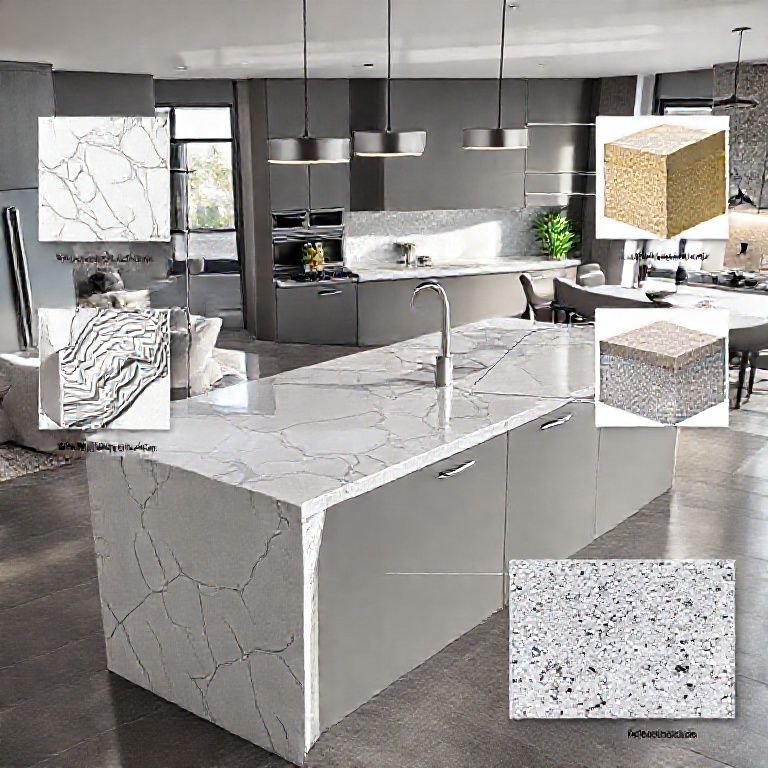
When comparing the cost of engineered marble to natural marble, the former often comes out ahead. However, this advantage can be misleading. The initial cost savings may be overshadowed by additional expenses related to maintenance and potential repairs. Over time, the need for specialized cleaning products and the risk of more frequent replacements can add up. Moreover, the aesthetic appeal of engineered marble, though impressive, may not match the unique beauty of natural marble, leading to dissatisfaction for those seeking a more authentic look.
5. Environmental Concerns
The production process of engineered marble, while more controlled than that of natural marble, is not entirely free from environmental concerns. The resin used to bond the stone dust can release volatile organic compounds (VOCs), contributing to indoor air pollution. Although manufacturers often claim low emissions, the long-term health implications are still a point of contention. Additionally, the manufacturing process consumes energy and resources, raising questions about its overall sustainability.
6. Limited Customization
Engineered marble offers a wide range of colors and patterns, which is one of its significant selling points. However, this flexibility comes with limitations. While it is possible to create custom designs, the options are more restricted compared to natural marble. The layering process involved in engineered marble production can sometimes result in uneven color distribution or imperfections that are difficult to correct. This can be a downside for those seeking a highly customized and flawless surface.
7. Longevity and Wear
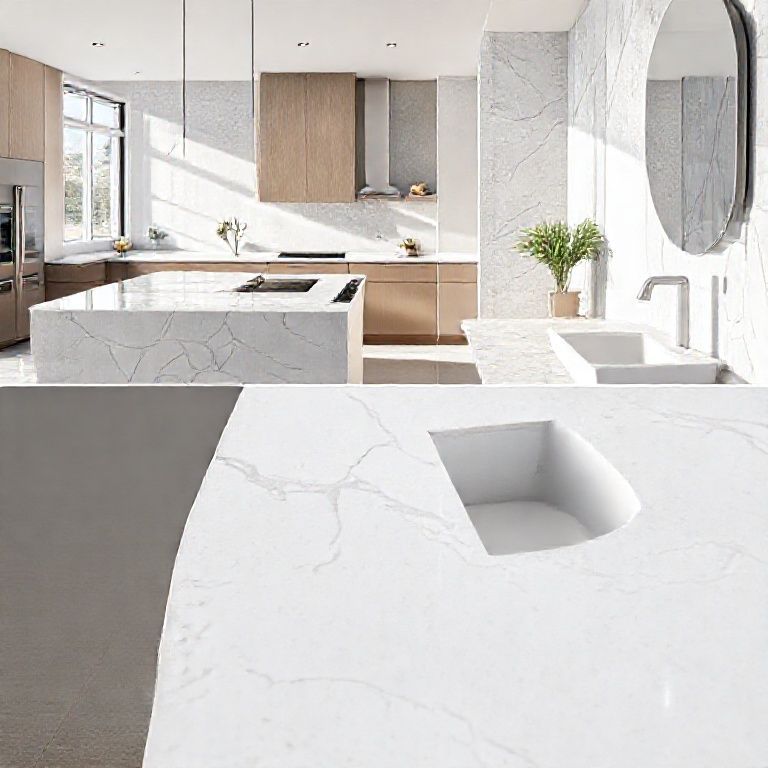
Though engineered marble is designed to be durable, it is not indestructible. The surface layer, while tougher than many alternatives, can wear out over time, especially in areas with heavy use. This wear and tear can lead to a less aesthetically pleasing appearance, requiring occasional resurfacing or replacement. In comparison, natural marble, although more prone to scratches and stains, often retains its beauty through polishing and restoration.
Conclusion
While engineered marble offers several advantages, understanding its drawbacks is crucial for making an informed decision. From durability and maintenance challenges to environmental impacts, the reality is more complex than the initial allure suggests. In the next part, we will delve deeper into specific scenarios where these disadvantages become particularly pronounced, providing a holistic view of engineered marble’s limitations.
Disadvantages of Engineered Marble: A Deeper Dive
Building on our previous discussion, this part will focus on specific scenarios where the drawbacks of engineered marble become particularly evident. Understanding these nuances can help you make an informed decision about whether engineered marble is the right choice for your space.
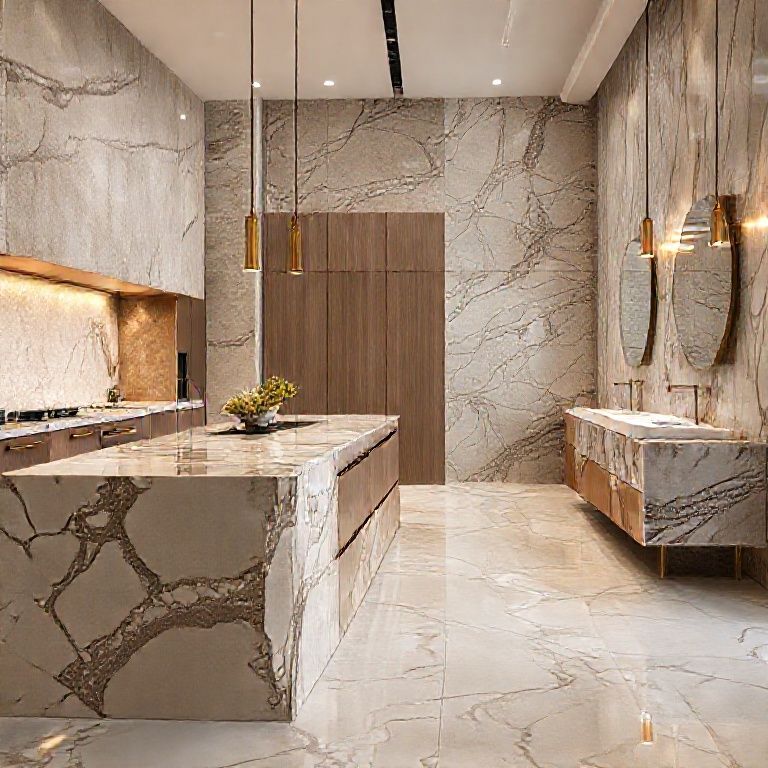
1. Installation Complications
Installing engineered marble can be more complicated than it initially appears. Unlike natural stone, which can often be cut and fitted on-site, engineered marble requires precise measurements and a professional installation process. Any discrepancies in the surface can lead to significant issues during installation, such as gaps and uneven edges. Additionally, the thickness of engineered marble slabs can sometimes pose challenges in tight spaces. This complexity often necessitates hiring a professional installer, which can add to the overall cost and time of the project.
2. Weight and Transportation
Engineered marble slabs are generally heavier than natural stone slabs of the same size and thickness. This increased weight can complicate transportation and installation, especially for large or multiple slabs. Handling heavy materials requires careful planning and the use of proper equipment to avoid damage during transit. The additional weight can also pose challenges for installation, particularly in older buildings with structural limitations. This can lead to extra costs and potential delays in a project.
3. Aesthetic Limitations
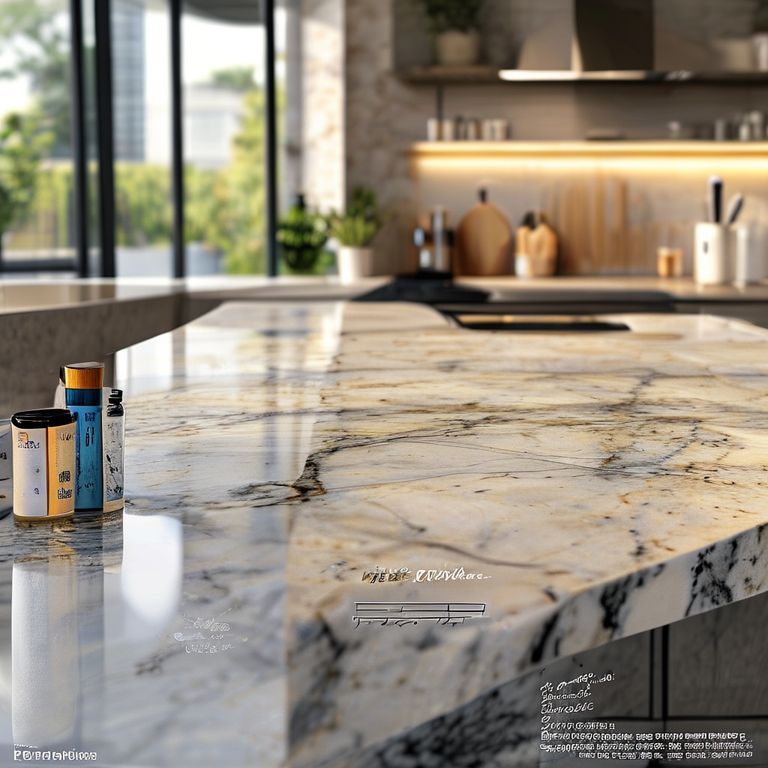
While engineered marble offers a wide range of colors and patterns, it falls short in mimicking the unique beauty of natural marble. The uniformity of engineered marble can sometimes appear artificial, lacking the natural veining and texture that make natural marble so visually appealing. For those who seek the distinctive beauty of natural stone, engineered marble may not provide the desired aesthetic experience. This can be particularly noticeable in high-traffic areas where the polished, uniform surface may not capture the same allure as natural marble.
4. Resistance to Repairs
One of the most significant drawbacks of engineered marble is its limited ability to be repaired. Unlike natural marble, which can often be polished to restore its shine and remove minor scratches, engineered marble’s surface layer is less forgiving. Deep scratches or stains may not be easily reversible, leading to a more permanent appearance of damage. This lack of repairability can be a major concern for those who anticipate frequent use and potential mishaps.
5. Water Absorption and Stain Resistance
Engineered marble is often marketed as a low-maintenance material due to its resistance to stains. However, its water absorption rate can be higher than expected, particularly if the surface is not properly sealed. While the resin used in engineered marble can provide some protection against stains, it is not completely impervious. Over time, repeated exposure to water can lead to the softening of the surface, resulting in a less durable finish. This necessitates regular maintenance to ensure the surface remains intact and stain-free.
6. Cost Over Time
While the initial cost of engineered marble is often lower than that of natural marble, the long-term costs can be a different story. The need for specialized cleaning products and the potential for increased wear and tear can lead to higher maintenance expenses over time. Additionally, if the surface does sustain damage that cannot be easily repaired, the cost of replacement can add up. This can be particularly impactful in high-traffic areas where the wear is more pronounced.
7. Limited Design Flexibility
The manufacturing process of engineered marble, while efficient, can limit design flexibility compared to natural marble. While it is possible to create custom patterns and colors, the options are more restricted. The layering process involved in creating engineered marble can sometimes result in imperfections that are difficult to correct. This can be a downside for those seeking highly customized designs and flawless finishes. In contrast, natural marble offers a more organic and varied aesthetic that can be tailored more precisely to specific design needs.
8. Environmental Impact
The environmental impact of engineered marble, while generally lower than that of natural marble mining, is not negligible. The production process involves the use of resins and other chemicals, which can contribute to environmental pollution if not managed properly. Additionally, the transportation of heavy engineered marble slabs can lead to increased carbon emissions. While the overall footprint may be smaller compared to natural marble, the environmental considerations are still relevant for those prioritizing sustainability.
Conclusion
Disadvantages of Engineered Marble: A Deeper Dive
Building on our previous discussion, this part will focus on specific scenarios where the drawbacks of engineered marble become particularly evident. Understanding these nuances can help you make an informed decision about whether engineered marble is the right choice for your space.
1. Installation Complications
Installing engineered marble can be more complicated than it initially appears. Unlike natural stone, which can often be cut and fitted on-site, engineered marble requires precise measurements and a professional installation process. Any discrepancies in the surface can lead to significant issues during installation, such as gaps and uneven edges. Additionally, the thickness of engineered marble slabs can sometimes pose challenges in tight spaces. This complexity often necessitates hiring a professional installer, which can add to the overall cost and time of the project.
2. Weight and Transportation
Engineered marble slabs are generally heavier than natural stone slabs of the same size and thickness. This increased weight can complicate transportation and installation, especially for large or multiple slabs. Handling heavy materials requires careful planning and the use of proper equipment to avoid damage during transit. The additional weight can also pose challenges for installation, particularly in older buildings with structural limitations. This can lead to extra costs and potential delays in a project.
3. Aesthetic Limitations
While engineered marble offers a wide range of colors and patterns, it falls short in mimicking the unique beauty of natural marble. The uniformity of engineered marble can sometimes appear artificial, lacking the natural veining and texture that make natural marble so visually appealing. For those who seek the distinctive beauty of natural stone, engineered marble may not provide the desired aesthetic experience. This can be particularly noticeable in high-traffic areas where the polished, uniform surface may not capture the same allure as natural marble.
4. Resistance to Repairs
One of the most significant drawbacks of engineered marble is its limited ability to be repaired. Unlike natural marble, which can often be polished to restore its shine and remove minor scratches, engineered marble’s surface layer is less forgiving. Deep scratches or stains may not be easily reversible, leading to a more permanent appearance of damage. This lack of repairability can be a major concern for those who anticipate frequent use and potential mishaps.
5. Water Absorption and Stain Resistance
Engineered marble is often marketed as a low-maintenance material due to its resistance to stains. However, its water absorption rate can be higher than expected, particularly if the surface is not properly sealed. While the resin used in engineered marble can provide some protection against stains, it is not completely impervious. Over time, repeated exposure to water can lead to the softening of the surface, resulting in a less durable finish. This necessitates regular maintenance to ensure the surface remains intact and stain-free.
6. Cost Over Time
While the initial cost of engineered marble is often lower than that of natural marble, the long-term costs can be a different story. The need for specialized cleaning products and the potential for increased wear and tear can lead to higher maintenance expenses over time. Additionally, if the surface does sustain damage that cannot be easily repaired, the cost of replacement can add up. This can be particularly impactful in high-traffic areas where the wear is more pronounced.
7. Limited Design Flexibility
The manufacturing process of engineered marble, while efficient, can limit design flexibility compared to natural marble. While it is possible to create custom patterns and colors, the options are more restricted. The layering process involved in creating engineered marble can sometimes result in imperfections that are difficult to correct. This can be a downside for those seeking highly customized designs and flawless finishes. In contrast, natural marble offers a more organic and varied aesthetic that can be tailored more precisely to specific design needs.
8. Environmental Impact
The environmental impact of engineered marble, while generally lower than that of natural marble mining, is not negligible. The production process involves the use of resins and other chemicals, which can contribute to environmental pollution if not managed properly. Additionally, the transportation of heavy engineered marble slabs can lead to increased carbon emissions. While the overall footprint may be smaller compared to natural marble, the environmental considerations are still relevant for those prioritizing sustainability.
Conclusion
Understanding the full spectrum of engineered marble’s drawbacks is essential for making an informed decision. From installation complexities and aesthetic limitations to long-term costs and environmental impact, the reality is more multifaceted than the initial appeal suggests. While engineered marble offers many advantages, weighing these disadvantages can help you choose the material that best fits your needs and values.
For those seeking a durable, cost-effective, and aesthetically pleasing countertop material, it’s important to consider all factors, including the potential for maintenance, wear, and environmental impact. Whether opting for engineered marble or exploring alternative materials, a thorough understanding of the pros and cons will guide you toward the best choice for your space.