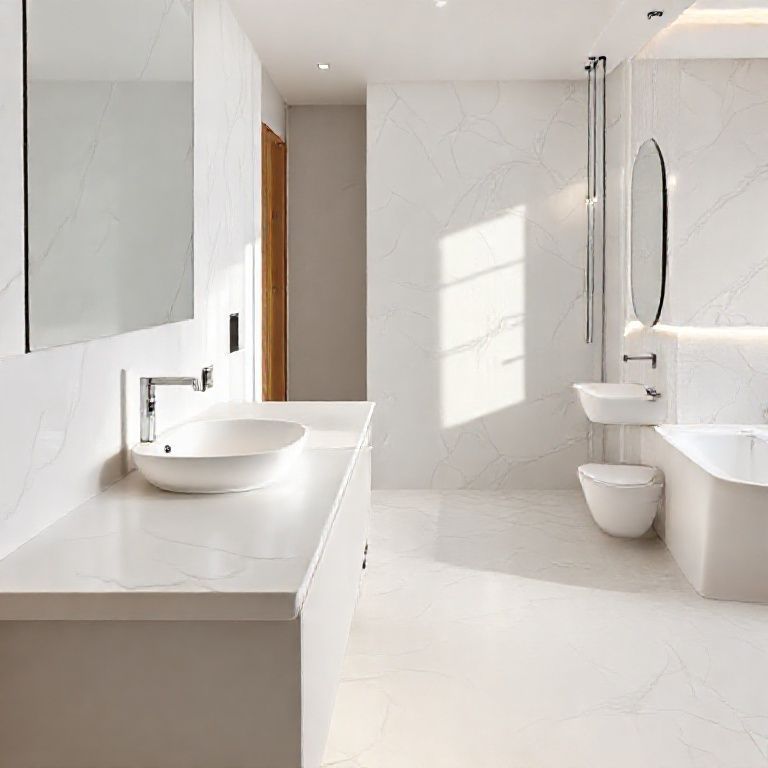
Introduction to Artificial Marble
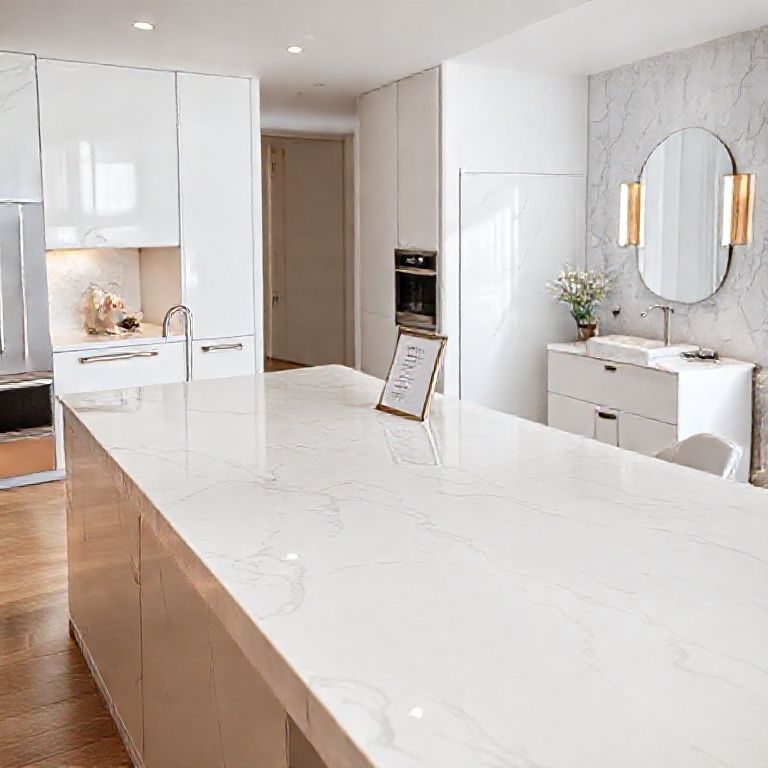
In the realm of modern interior design, artificial marble stands out as a stunning and versatile material that marries beauty with practicality. Often referred to as engineered stone or synthetic marble, this material is gaining immense popularity for its stunning aesthetics and durability. But how much does artificial marble cost, and why is it becoming a preferred choice for homeowners and designers alike?
The Composition and Quality of Artificial Marble
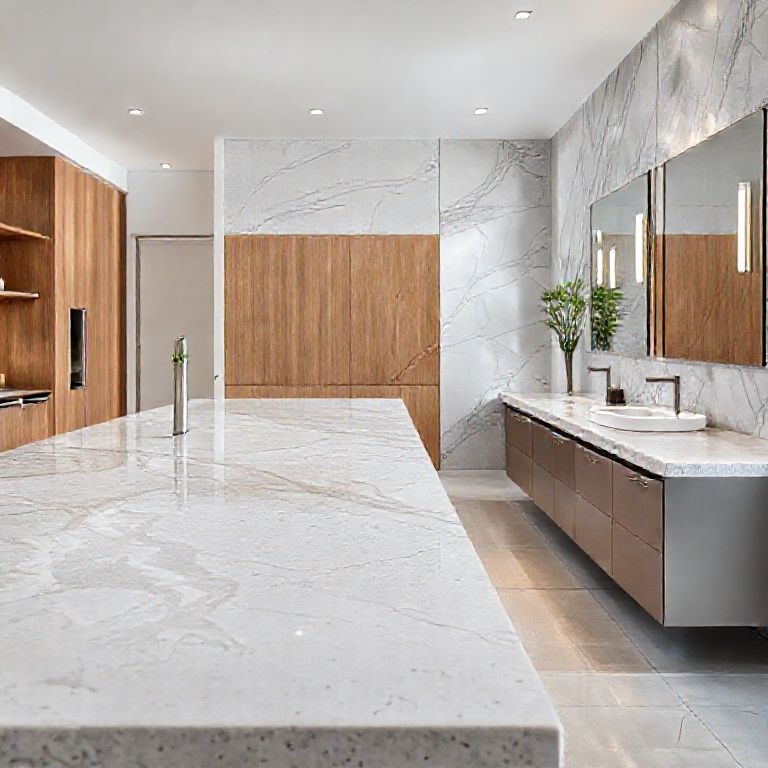
Artificial marble is made from a combination of natural stone powders, such as calcite, dolomite, and marble, which are bound together with a polymer resin. This composition results in a material that closely mimics the appearance of traditional marble while offering superior strength and resistance to scratches, stains, and heat. The quality of artificial marble varies depending on the brand and the specific formulation, but it generally offers an impressive finish that rivals its natural counterpart.
Advantages of Using Artificial Marble
Durability and Low Maintenance: Artificial marble is incredibly tough and can withstand heavy use without showing signs of wear. It is also highly resistant to scratches, stains, and thermal damage, making it an excellent choice for high-traffic areas like kitchens and bathrooms.
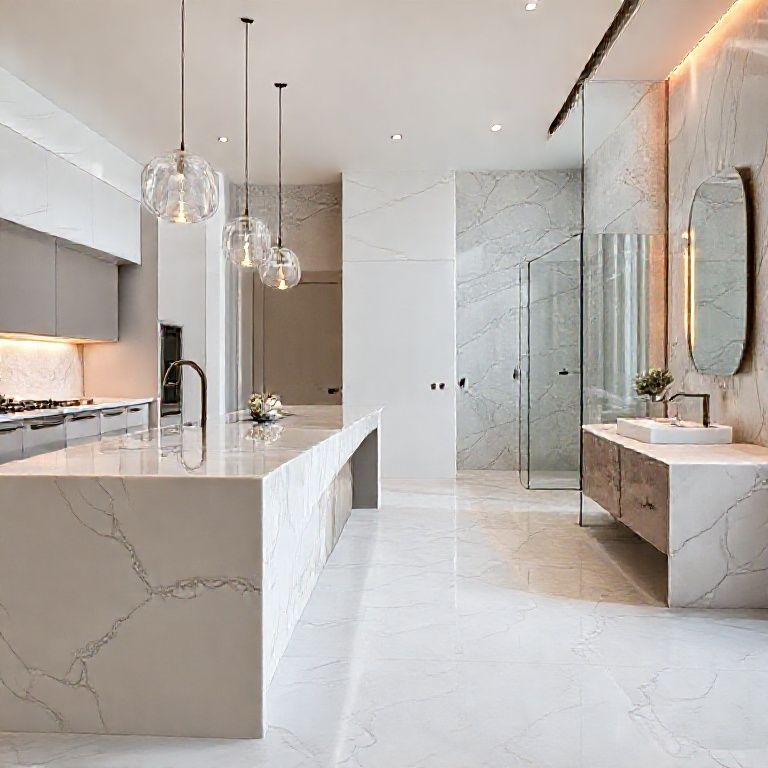
Design Versatility: The unique properties of artificial marble allow designers to create intricate patterns and colors that are virtually impossible to achieve with natural stone. This flexibility makes it an ideal material for custom designs and unique architectural elements.
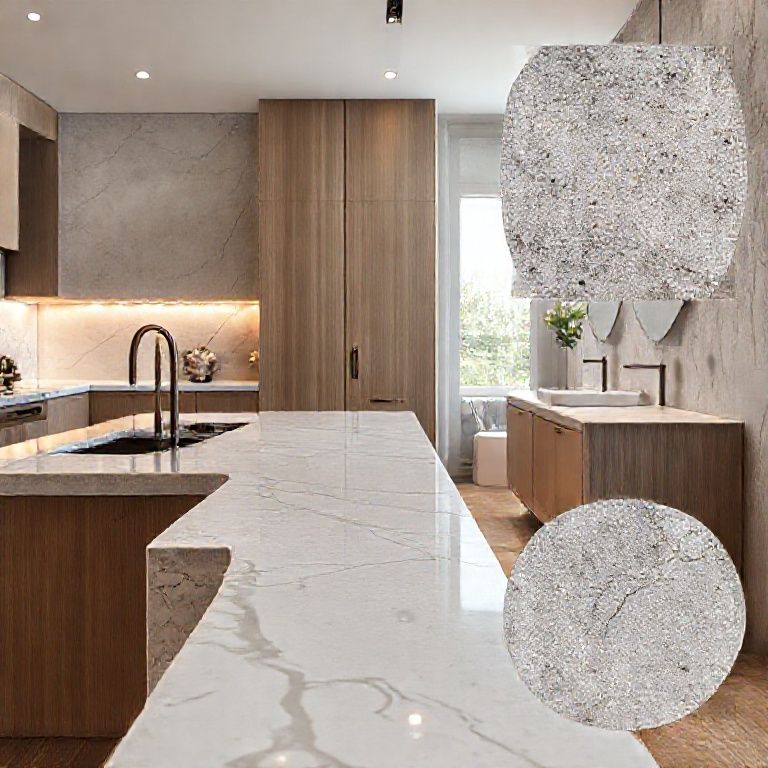
Cost-Effectiveness: One of the most compelling reasons to choose artificial marble is its cost-effectiveness. While natural marble can be prohibitively expensive, artificial marble offers a more affordable alternative that still delivers impressive visual appeal.
Factors Influencing the Cost of Artificial Marble
The price of artificial marble can vary significantly based on several factors:
Color and Design: Custom colors and intricate designs can drive up the cost. While it is possible to find basic artificial marble at a lower price, unique shades and elaborate patterns will generally cost more.
Thickness and Size: The thickness and size of the slabs can also affect the cost. Thicker slabs and larger sheets require more material and labor, thus increasing the overall price.
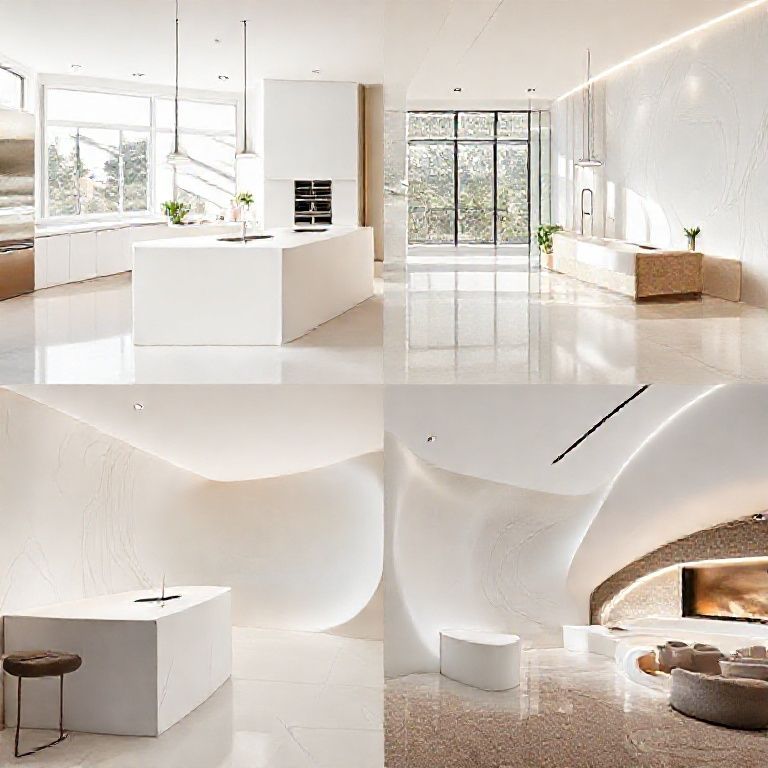
Brand and Quality: Premium brands that invest in higher-quality materials and advanced production techniques will charge more. However, this often translates to better durability and a longer lifespan for the material.
Comparing Artificial Marble to Other Countertop Materials
When considering the cost of artificial marble, it’s helpful to compare it with other popular countertop materials such as granite, quartz, and solid wood.
Granite: While granite is renowned for its durability and natural beauty, it is typically more expensive than artificial marble. The cost of granite can range from $40 to $100 per square foot, depending on the type and quality.
Quartz: Quartz is another high-end option that offers excellent durability and a wide range of colors. The cost of quartz countertops typically ranges from $30 to $60 per square foot.
Solid Wood: Wood countertops offer a warm, natural look but require regular maintenance and are prone to scratches and stains. The cost of solid wood countertops can vary widely, from $20 to $100 per square foot depending on the type of wood and craftsmanship.
Conclusion to Part 1
Artificial marble stands as a remarkable material in the world of interior design, offering a perfect blend of beauty, durability, and affordability. Despite its competitive price, it does not compromise on quality, making it an excellent choice for those looking to elevate their home without breaking the bank. In the next part, we will delve deeper into the installation process, maintenance tips, and how to choose the right artificial marble for your specific needs.
Installation and Maintenance of Artificial Marble
Having explored the various facets of artificial marble and its cost benefits, it’s essential to understand how to best install and maintain this exquisite material to ensure its longevity and beauty.
Installation Process
Preparation: The first step in installing artificial marble is to prepare the surface where it will be applied. This includes cleaning the area thoroughly and ensuring that it is level and free of any imperfections. If you are using artificial marble for countertops, make sure that the underlying structure is sturdy and can support the weight of the material.
Cutting and Fitting: Artificial marble slabs are usually cut to size using a tile saw. Precision is key to ensure a perfect fit. Once the slabs are cut, they are fitted into place using a spacer to maintain uniform gaps between the pieces.
Adhesive Application: A strong adhesive is applied to the surface where the artificial marble will be installed. This ensures that the material adheres securely and remains in place over time.
Installation: The slabs are carefully placed onto the adhesive, starting from one corner and working your way across. It’s important to keep the slabs level and use a rubber mallet to gently tap them into place, ensuring they are flush with the surface.
Grout Application: Once the slabs are in place, a grout is applied to fill the gaps between them. This not only provides a seamless finish but also adds to the durability of the installation. It’s important to choose a grout that matches the color of your artificial marble for a cohesive look.
Curing: After the grout is applied, it needs to cure properly. This typically involves leaving the area undisturbed for several days to allow the grout to set fully.
Maintenance Tips
Artificial marble is low-maintenance, but there are a few simple steps you can take to keep it looking its best:
Regular Cleaning: Use a soft cloth and mild soap or a dedicated marble cleaner to wipe down the surface regularly. Avoid using abrasive cleaners or sponges that can scratch the surface.
Immediate Stain Removal: Any spills or stains should be wiped up immediately to prevent them from setting in. If a stain does occur, use a specialized marble cleaner to remove it promptly.
Avoiding Heat and Abrasives: While artificial marble is resistant to heat, prolonged exposure to high temperatures can cause it to crack. Avoid placing hot pots or pans directly on the surface. Additionally, avoid using metal utensils or abrasive cleaning tools that can scratch the surface.
Sealing: Although artificial marble is durable, it is still a good idea to seal it periodically to protect against stains and enhance its appearance. A high-quality sealant can be applied every 6 to 12 months, depending on the level of usage and exposure.
Choosing the Right Artificial Marble
Selecting the perfect artificial marble for your project involves considering several factors:
Color and Design: Choose a color and design that complements your existing decor. Artificial marble comes in a wide range of colors and patterns, so you can find a piece that matches your vision perfectly.
Budget: Determine your budget before making a selection. While artificial marble is generally more affordable than natural stone, prices can still vary widely. Make sure to compare prices from different suppliers to find the best deal.
Durability: Consider the durability and quality of the material. Higher-quality artificial marble will last longer and look better over time. Look for brands that offer warranties on their products.
Installation Requirements: Ensure that the artificial marble you choose is suitable for your intended use. For example, if you plan to use it for countertops, make sure it can withstand heavy use and daily wear.
Conclusion to Part 2
Artificial marble is a versatile and cost-effective material that offers stunning aesthetics and practical benefits. With proper installation and maintenance, it can provide a beautiful and durable finish that enhances any space. By understanding the factors that influence its cost and how to best care for it, you can make an informed decision that will bring both beauty and value to your home.
Final Thoughts
In conclusion, artificial marble is an exceptional choice for those looking to enhance their interior design with a material that is both beautiful and affordable. Its versatility, durability, and ease of maintenance make it a preferred option for many homeowners and designers. By carefully considering the factors that influence its cost and understanding how to install and maintain it properly, you can enjoy the best of both worlds – a stunning, high-quality finish that stands the test of time.