${part1}
Unveiling the Difference Between Polycarbonate and Acrylic: A Visual Guide
In the world of advanced plastics, Polycarbonate (PC) and Acrylic (often referred to as Polymethyl methacrylate or PMMA) are two of the most commonly used materials across various industries. Both materials boast impressive properties that make them suitable for a wide range of applications. However, they have distinct differences in their characteristics, uses, and visual appeal. This article delves into these differences through a series of compelling images and detailed descriptions.

Polycarbonate: The High-Strength Marvel
Polycarbonate is renowned for its exceptional strength and durability. It is often used in applications where safety and impact resistance are paramount. Here’s a closer look at some of its standout features:
1. Impact Resistance Polycarbonate is incredibly resistant to impacts. This makes it a popular choice for safety equipment, such as bulletproof windows and high-impact sports gear. A visual comparison with other materials will show how much more robust polycarbonate is.
2. Transparency and Light Transmission Although polycarbonate is strong, it maintains a high level of transparency. This is ideal for applications requiring clear visibility, such as lenses and canopies.

3. Thermal Properties Polycarbonate can withstand a broad range of temperatures, making it versatile for both hot and cold environments. Visual comparisons often highlight how polycarbonate maintains its structural integrity under varying thermal conditions.
4. Chemical Resistance Polycarbonate can resist a wide array of chemicals, which makes it suitable for use in laboratories and chemical processing industries.
Acrylic: The Versatile and Versatile Clear Plastic
Acrylic, or PMMA, is another high-performance plastic known for its versatility and optical clarity. Here’s an exploration of its unique attributes:

1. Optical Clarity Acrylic is highly transparent, often surpassing polycarbonate in clarity. This makes it ideal for applications where visibility is crucial, such as lighting fixtures and displays.
2. Weather Resistance Acrylic has excellent UV resistance, which helps it maintain its color and clarity over long periods of exposure to sunlight. Visual comparisons often highlight how acrylic remains vibrant and clear compared to other materials.
3. Lightweight Acrylic is significantly lighter than many other plastics, which makes it practical for applications where weight is a critical factor, such as in automotive and aerospace industries.
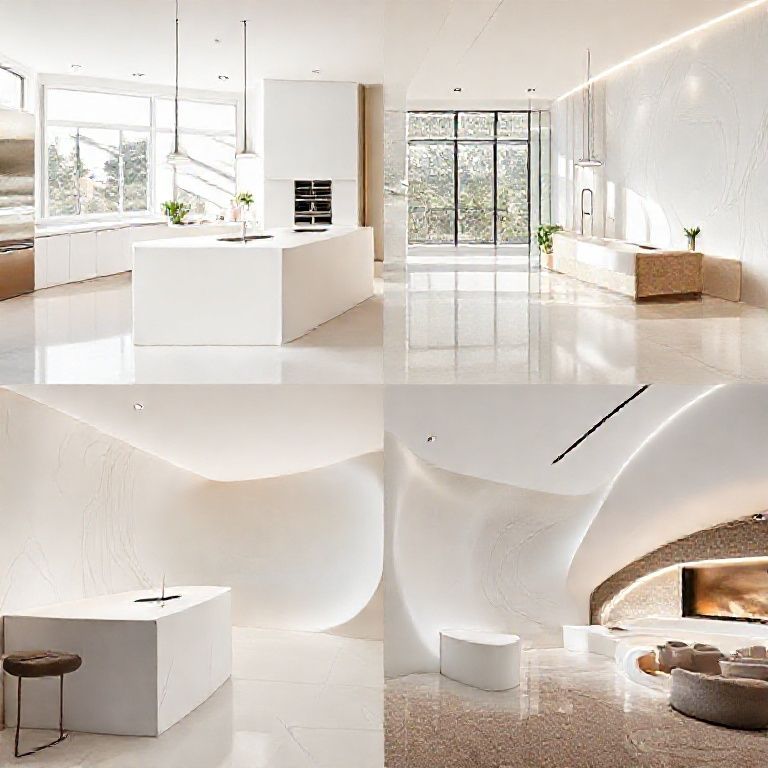
4. Flexibility and Moldability Acrylic can be easily molded into various shapes and sizes, which adds to its versatility. Visual demonstrations often showcase the myriad forms acrylic can take.
Applications and Use Cases
Understanding the differences between polycarbonate and acrylic becomes crucial when considering their applications:
Polycarbonate Applications:
Safety Equipment: Bulletproof glass, helmets, and protective lenses. Automotive: Headlights, taillights, and interior components. Consumer Electronics: Protective covers for devices.
Acrylic Applications:
Signage: Transparent displays and signage. Medical: Surgical instruments and medical equipment. Interior Design: Decorative panels and lighting fixtures.
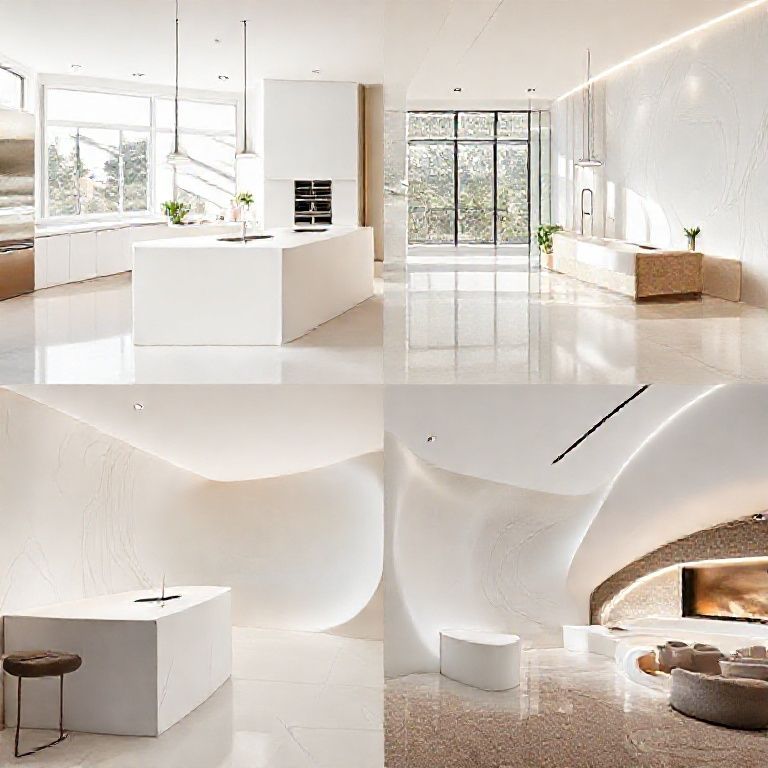
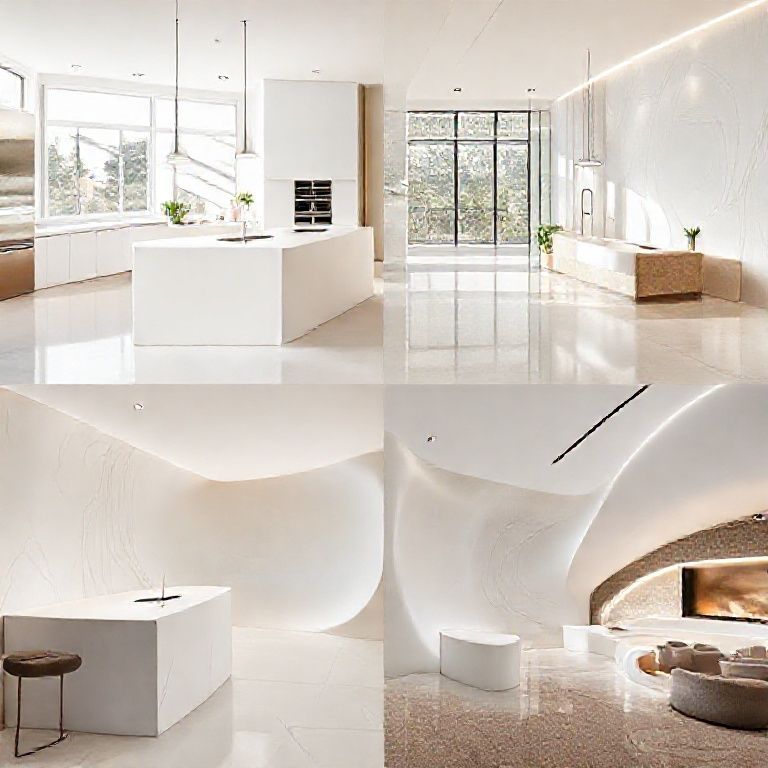
Through the provided images, you can see the diverse applications of both materials, emphasizing their unique strengths.
Conclusion
Both Polycarbonate and Acrylic are indispensable materials in the modern world, each bringing unique properties to the table. While polycarbonate shines with its strength and impact resistance, acrylic stands out with its clarity, lightweight nature, and versatility. Understanding these differences helps in choosing the right material for specific needs.
In the next part, we will delve deeper into the manufacturing processes, environmental impacts, and future trends of these two materials.
${part2}
Unveiling the Difference Between Polycarbonate and Acrylic: A Visual Guide
2. Manufacturing Processes and Environmental Impact
Manufacturing Processes
Polycarbonate: Polycarbonate is typically manufactured through the condensation polymerization of carbon dioxide and bisphenol-A. The process involves several steps:
Synthesis: Bisphenol-A reacts with phosgene to form polycarbonate prepolymer. Polymerization: The prepolymer is then further polymerized to achieve the desired molecular weight. Processing: The polycarbonate can be processed into sheets, films, or molded into parts through techniques like injection molding and extrusion.
Acrylic: Acrylic is synthesized through the polymerization of methyl methacrylate (MMA). The process involves:
Emulsion Polymerization: MMA monomers are emulsified and polymerized to form acrylic resin. Bulk Polymerization: Alternatively, MMA can be polymerized in bulk. Processing: Acrylic sheets, rods, and other forms are produced using techniques like extrusion and injection molding.
Environmental Impact
Polycarbonate: Polycarbonate production involves the use of bisphenol-A (BPA), which has raised concerns regarding its environmental and health impacts. BPA is an endocrine disruptor and can leach into products, especially when exposed to heat.
Recycling: Polycarbonate can be recycled, but it is less commonly recycled due to its low market value and difficulty in separating from other plastics. Biodegradability: Polycarbonate is not biodegradable and can persist in the environment for long periods.
Acrylic: Acrylic production is generally considered to have a lower environmental impact compared to polycarbonate, primarily because it does not involve BPA.
Recycling: Acrylic can be recycled, and there is a growing market for recycled PMMA. Biodegradability: Acrylic is also not biodegradable, but its recycling potential is better compared to polycarbonate.
Future Trends
Polycarbonate: Innovations in polycarbonate focus on improving its sustainability. Research is directed towards developing bio-based polycarbonates and enhancing recycling technologies.
Bio-based Polycarbonates: Efforts are underway to create polycarbonates from renewable resources, reducing reliance on fossil fuels. Advanced Recycling: Technologies are being developed to improve the recycling of polycarbonate and reduce its environmental footprint.
Acrylic: Acrylic’s future trends include advancements in its manufacturing processes to reduce environmental impact and the development of more sustainable alternatives.
Eco-friendly Production: Efforts to minimize the environmental impact of acrylic production are ongoing. Renewable Alternatives: Research is exploring the use of renewable resources in acrylic production.
Conclusion
In conclusion, Polycarbonate and Acrylic each have their own unique set of properties, applications, and environmental impacts. Polycarbonate’s strength and durability make it ideal for safety-critical applications, while Acrylic’s clarity and lightweight nature cater to diverse uses in signage, medical equipment, and interior design.
Understanding these differences not only aids in selecting the appropriate material for specific applications but also highlights the importance of considering environmental impacts and future trends in material selection.
As we continue to innovate and develop more sustainable alternatives, both Polycarbonate and Acrylic will likely play crucial roles in the future of advanced plastics. The visual guide provided in this article aims to offer a comprehensive understanding of these materials, ensuring informed decisions in their application and use.
This two-part article provides a thorough examination of the differences between Polycarbonate and Acrylic, enriched with visual comparisons and detailed insights to help you make informed choices based on your specific needs.