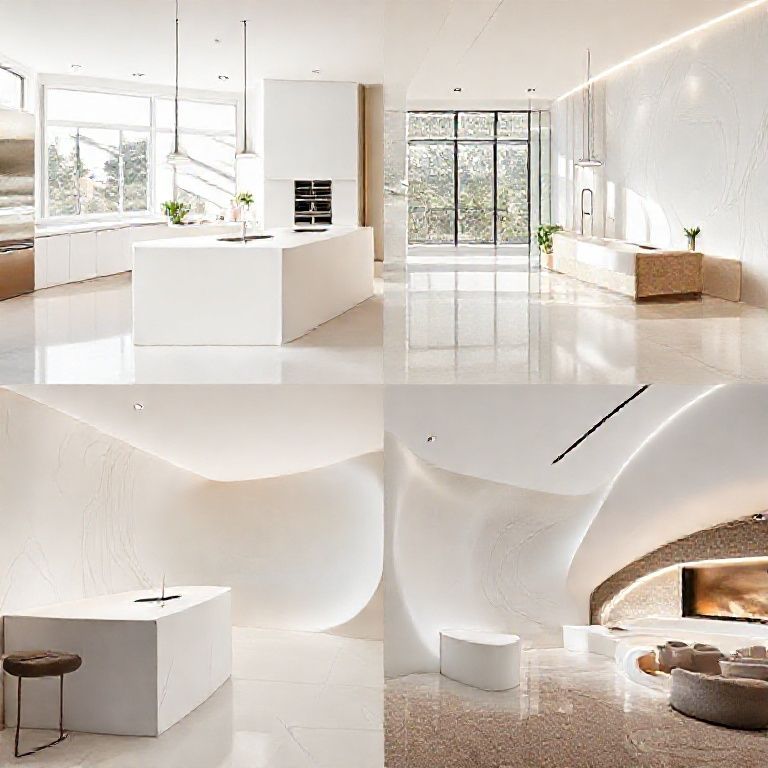
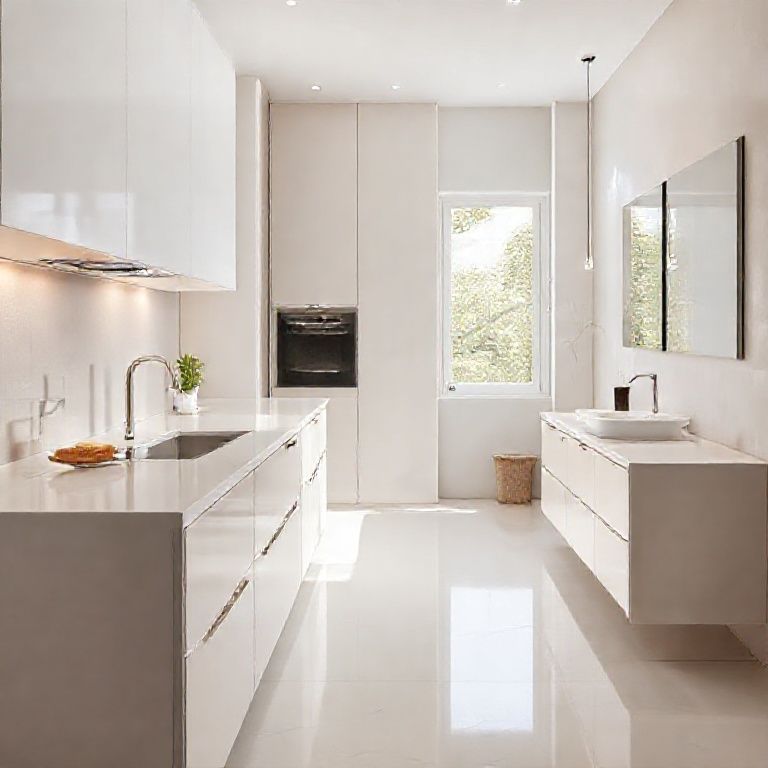
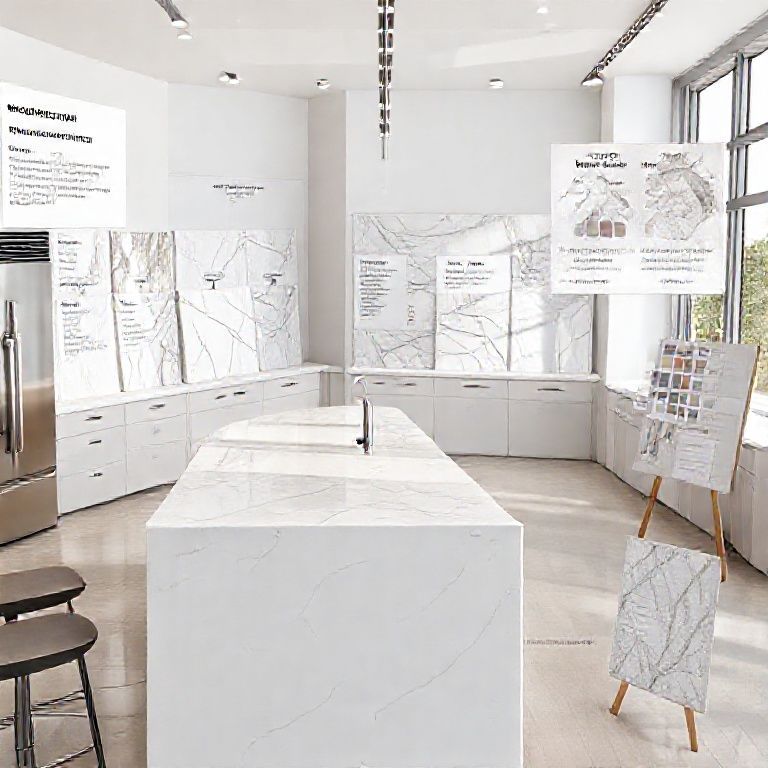
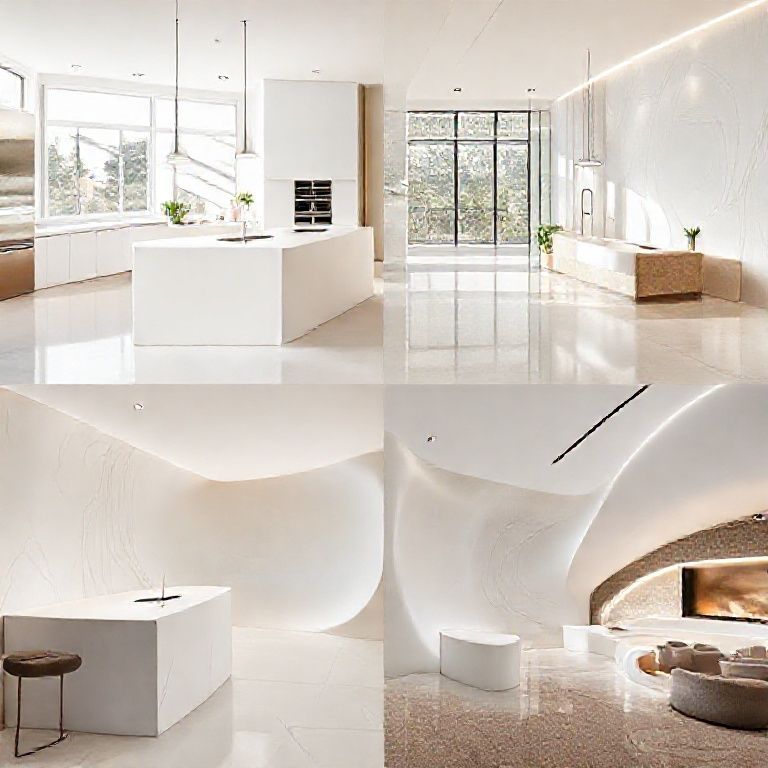
Dive into the world of high-end countertops with our comprehensive visual guide on Corian vs. Acrylic. Explore stunning images and in-depth comparisons to help you make an informed decision for your next renovation project. Discover the unique features, benefits, and applications of both materials.

Corian, Acrylic, countertop materials, renovation, durability, design, kitchen, bathroom, high-end, visual guide, comparison
Corian vs. Acrylic: Exploring the Foundations
In the realm of modern kitchen and bathroom design, Corian and Acrylic are two of the most prominent countertop materials that stand out due to their unique characteristics and versatility. Both materials offer excellent functionality and aesthetic appeal, but they differ significantly in composition, durability, and application. To help you understand these differences better, we have compiled an extensive visual guide that showcases the unique features of Corian and Acrylic.
What is Corian?
Corian is a high-performance, solid surface material made from a unique blend of acrylic resin and other ingredients. Manufactured by DuPont, Corian boasts an array of distinctive qualities that make it a favorite among designers and homeowners alike. Its primary attributes include:
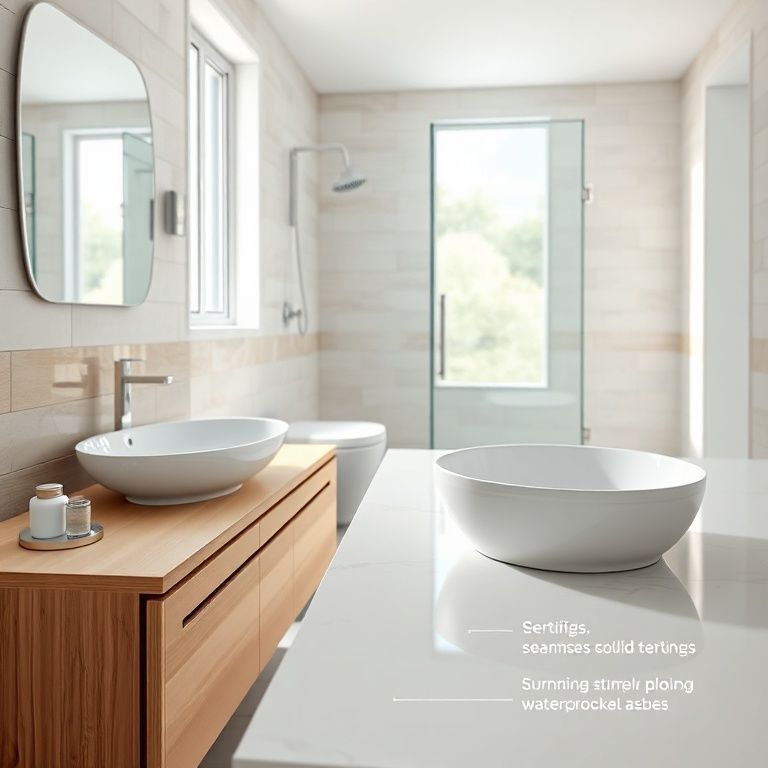
Unmatched Durability: Corian is known for its exceptional strength, making it highly resistant to scratches, dents, and impact. This means it can withstand daily wear and tear without losing its pristine appearance. Chemical Resistance: Corian is highly resistant to chemicals, including alcohol, bleach, and other household cleaning agents. This makes it an ideal choice for kitchens where various cleaning products are used regularly. Non-Porous Surface: The non-porous nature of Corian prevents the penetration of liquids and stains, ensuring that spills do not seep into the material. This makes cleaning and maintenance a breeze. Variety of Colors and Textures: Corian offers an extensive range of colors and textures, allowing designers to create unique and custom designs that perfectly match any aesthetic.
What is Acrylic?
Acrylic is a versatile plastic made from polymethyl methacrylate (PMMA) and is widely used in various industries for its lightweight and transparent properties. When it comes to countertops, acrylic is known for:
Transparency: Acrylic offers a clear, transparent finish that can mimic natural stone, glass, and other materials. This allows for a wide range of design possibilities. Impact Resistance: Acrylic is relatively impact-resistant, though it is more prone to scratches and chips compared to Corian. Lightweight: Being a lightweight material, acrylic is easy to install and can be fabricated into various shapes and forms. Cost-Effectiveness: Acrylic countertops are generally more affordable than Corian, making them a popular choice for budget-conscious consumers.
Visual Comparison
To help you visualize the differences between Corian and Acrylic, we have curated an extensive collection of images that highlight their distinct features:
Durability Test: Corian: Images showing Corian countertops in high-traffic areas, withstanding years of use without visible wear. Acrylic: Pictures of acrylic countertops subjected to various impacts and showing scratches and chips. Chemical Resistance: Corian: Before-and-after photos of Corian countertops after exposure to harsh chemicals, showing no discoloration or damage. Acrylic: Acrylic countertops showing slight discoloration and damage after similar chemical exposure. Aesthetic Versatility: Corian: A gallery of Corian countertops in different colors and textures, showcasing its ability to match various design styles. Acrylic: Transparent acrylic countertops with different shapes and finishes, demonstrating its versatility in design. Maintenance: Corian: Easy cleaning process images, showing how spills and stains do not affect the surface. Acrylic: Photos of acrylic countertops after spills, showing how liquids and stains can affect the material.
Corian vs. Acrylic: Practical Applications and Real-Life Scenarios
Having delved into the foundational differences between Corian and Acrylic, it’s time to explore their practical applications and how they fare in real-life scenarios. This comprehensive visual guide will provide you with the insights needed to make an informed decision for your next renovation project.
Design Flexibility and Customization
Both Corian and Acrylic offer unique design opportunities, but they cater to different needs and preferences:
Corian:
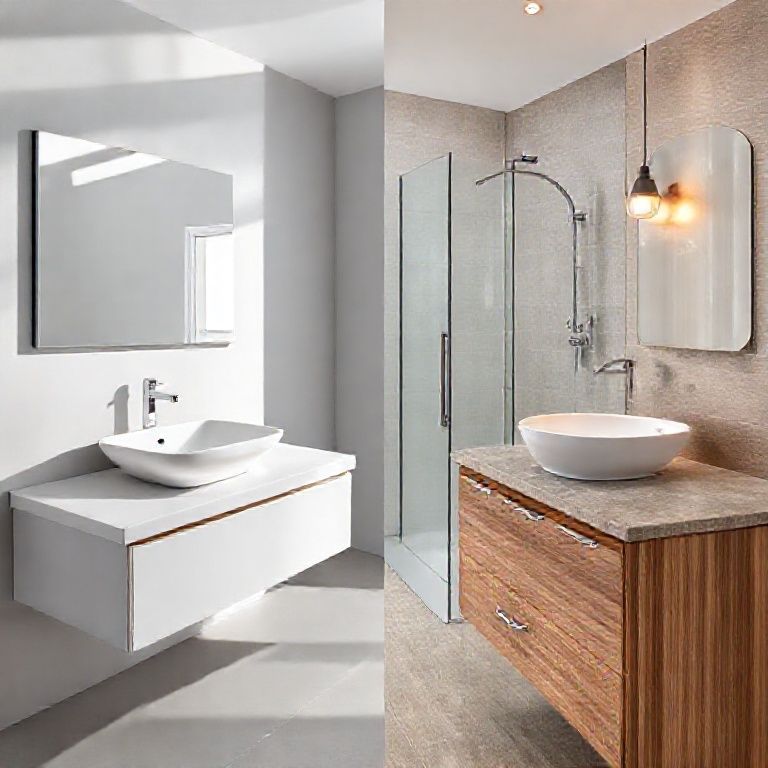
Custom Designs: Corian’s versatility allows for custom shapes, curves, and colors that can be tailored to fit any design vision. Whether it’s a unique kitchen island or a bespoke bathroom vanity, Corian can be molded to create stunning custom designs.
Integration with Natural Elements: Corian’s non-porous nature and wide color palette make it an excellent choice for integrating natural elements like wood, stone, and metal, providing a cohesive and harmonious look.
Acrylic:
Transparent and Opaque Options: Acrylic’s transparency allows it to mimic natural stone or glass, creating sleek and modern designs. The opaque variants can be used to create bold, statement pieces.
Ease of Fabrication: Acrylic’s lightweight and malleable nature make it easy to fabricate into various shapes, making it ideal for intricate designs and custom forms.
Installation and Maintenance
When it comes to installation and maintenance, both materials have their unique advantages:
Corian:
Installation: Corian’s solid surface nature makes it relatively easy to install. However, it’s heavier than acrylic, requiring careful handling during installation.
Maintenance: Corian’s non-porous surface means it’s easy to clean and maintain. Regular cleaning with mild soap and water is sufficient to keep it looking pristine.
Acrylic:
Installation: Acrylic’s lightweight and flexible nature make it easier to install, especially when custom shapes are involved.
Maintenance: Acrylic countertops are also relatively easy to clean but are more prone to scratches and chips. Regular cleaning with a gentle cleaner is recommended to maintain its appearance.
Real-Life Applications
To provide you with a better understanding of how Corian and Acrylic perform in different environments, we have gathered real-life examples:
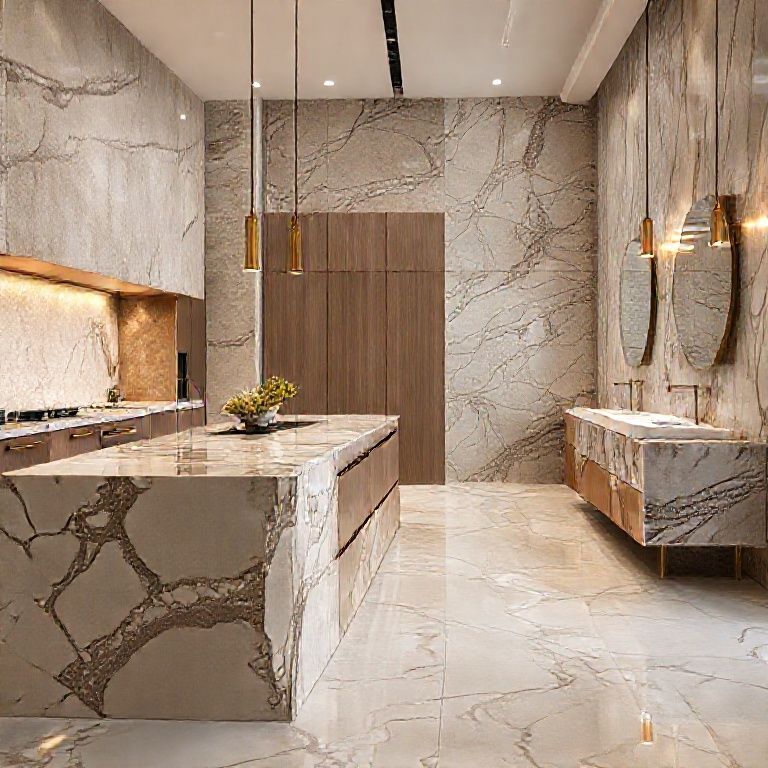
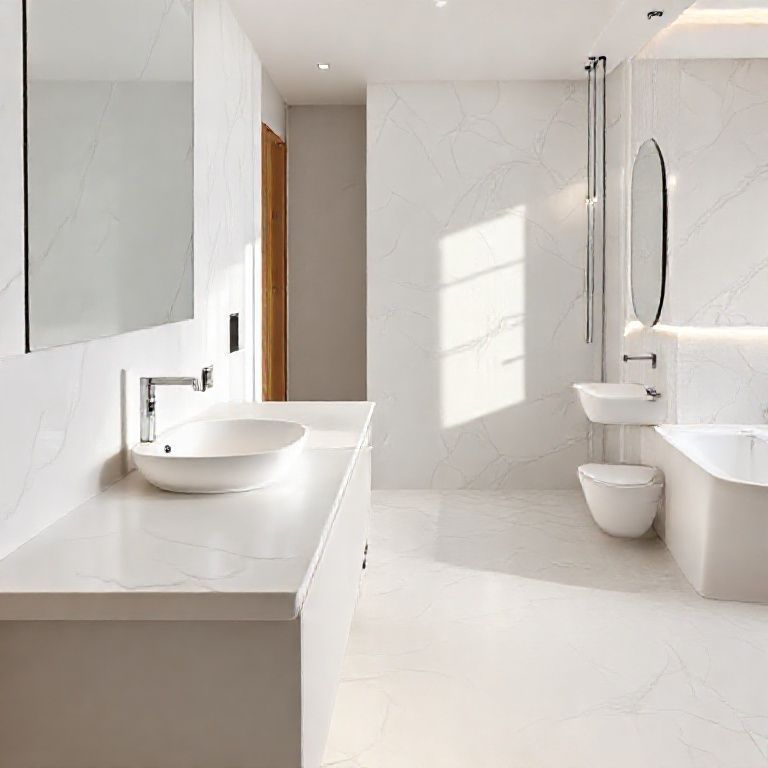
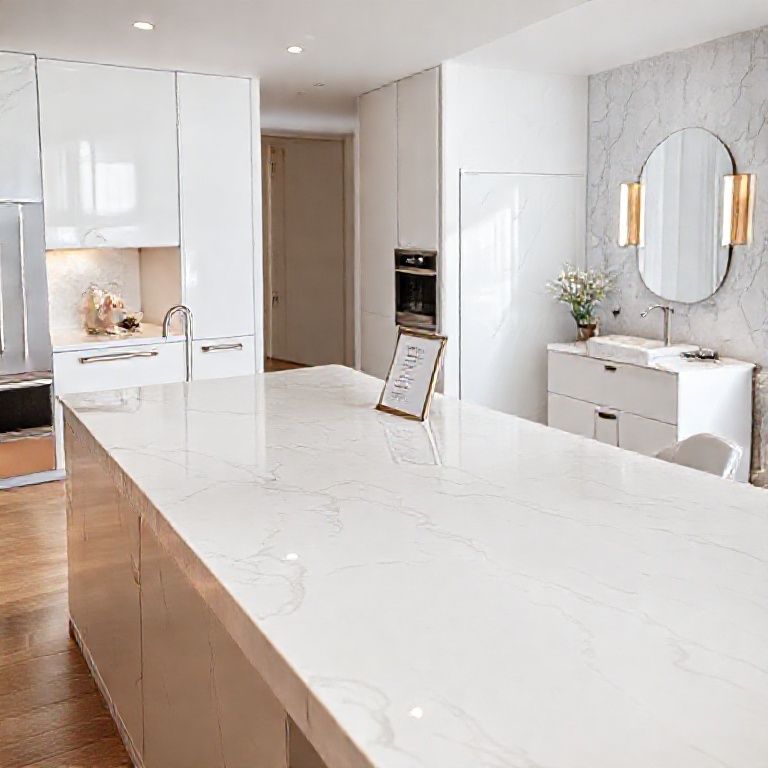
Kitchens: Corian: Photos of Corian countertops in high-traffic kitchen areas, showing durability over time. Images of Corian island setups with seamless integration of appliances and storage. Acrylic: Pictures of acrylic countertops in kitchens, showcasing their transparency and ability to mimic marble or granite. Bathrooms: Corian: Images of Corian vanities and sinks in bathrooms, highlighting its resistance to moisture and stains. Corian bathtubs and shower surrounds showing its durability and easy maintenance. Acrylic: Photos of acrylic bathroom vanities and sinks, demonstrating their sleek, modern look and ease of fabrication into various shapes. Commercial Spaces: Corian: Images of Corian countertops in commercial kitchens, reception areas, and waiting rooms, showing its ability to withstand heavy use and maintain its appearance. Acrylic: Pictures of acrylic countertops in commercial spaces, showcasing their transparency and lightweight nature, making them ideal for display cases and partitions.
Conclusion
In conclusion, both Corian and Acrylic offer unique advantages that cater to different design needs and preferences. Corian’s unmatched durability, chemical resistance, and versatile color options make it ideal for high-traffic areas and custom designs. On the other hand, Acrylic’s transparency, lightweight nature, and cost-effectiveness make it a popular choice for modern, sleek designs and budget-conscious projects.
By exploring our comprehensive visual guide, you can see firsthand how these materials perform in various applications and real-life scenarios. Whether you’re renovating a kitchen, bathroom, or commercial space, this guide will help you make an informed decision that meets your design goals and practical needs. Dive into the world of Corian and Acrylic, and discover the perfect material for your next project.