Introduction to Corian and Acrylic
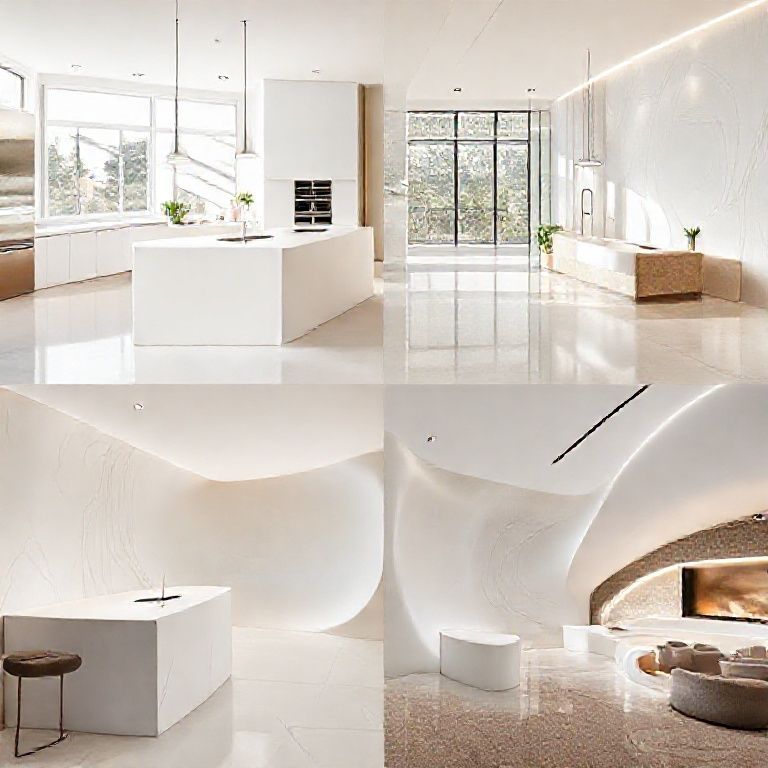
In the world of modern materials for home renovation and design, Corian and Acrylic are two of the most popular choices. Both materials have revolutionized the way we think about surfaces like countertops, bathtubs, and sinks. However, despite their similarities, they have distinct differences that can influence your decision when it comes to choosing the perfect material for your project.

Corian: The Innovation of the Modern Era
Corian, a brand of solid surface material, is a co-polyester created by the manufacturer DuPont. This material is known for its versatility, durability, and aesthetic appeal. Corian is composed of fine particles of quartz and other minerals, which are bonded together using a polyester resin. This unique composition gives Corian its exceptional properties.
Key Features of Corian:
Durability and Strength: Corian is incredibly tough, with a high resistance to scratches, stains, and heat. It can withstand temperatures up to 212°F (99.4°C), making it perfect for kitchen and bathroom applications.
Customizability: Corian can be molded into any shape and size, offering endless design possibilities. It also comes in a wide range of colors and finishes, allowing for a high level of customization to match any decor style.
Low Maintenance: One of the biggest advantages of Corian is its low maintenance. It does not require sealing, and it’s resistant to most chemicals, bacteria, and mold, ensuring a hygienic and easy-to-clean surface.
Eco-Friendly: Corian is made from recycled materials, and it is formaldehyde-free, making it an environmentally friendly choice.
Acrylic: The Classic Choice
Acrylic, on the other hand, is a type of plastic made from acrylic acid or acrylic resin. It has been used for decades in various applications due to its versatility and ease of manufacturing. Acrylic is known for its transparency, vibrant colors, and smooth finish.
Key Features of Acrylic:
Transparency and Color Variety: Acrylic is highly transparent, allowing for a wide range of color options, from clear to opaque. Its ability to be colored during the manufacturing process gives it a unique appeal.
Ease of Manufacturing: Acrylic is easy to mold and shape, making it a popular choice for custom applications. It can be cut, drilled, and polished to create intricate designs.
Affordability: Acrylic tends to be more affordable compared to Corian. This makes it a cost-effective option for many renovation projects.
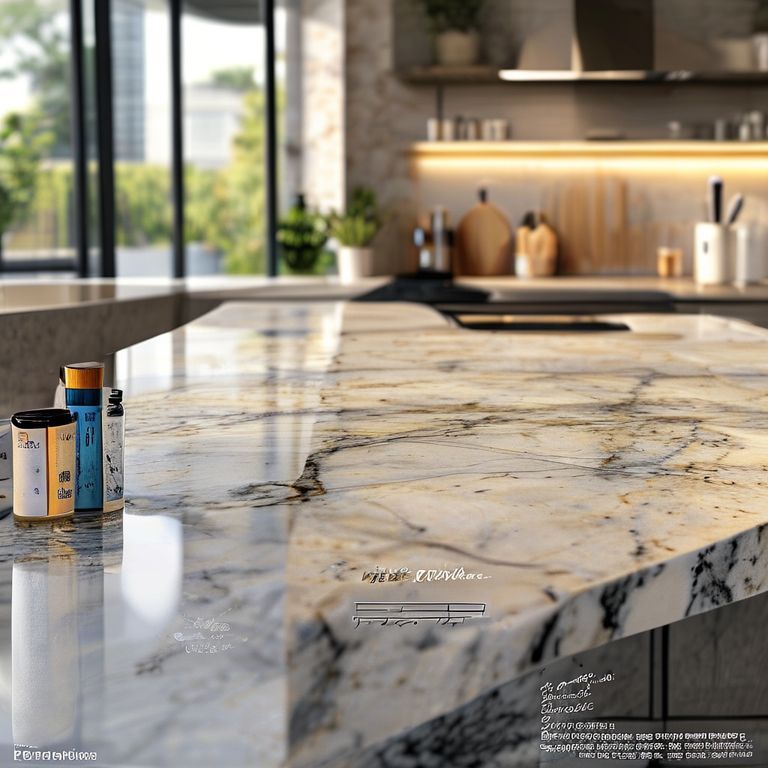
Heat Resistance: Acrylic has a moderate level of heat resistance, making it suitable for countertops and other surfaces that require some degree of thermal resilience.
Visual Comparison: Corian vs. Acrylic
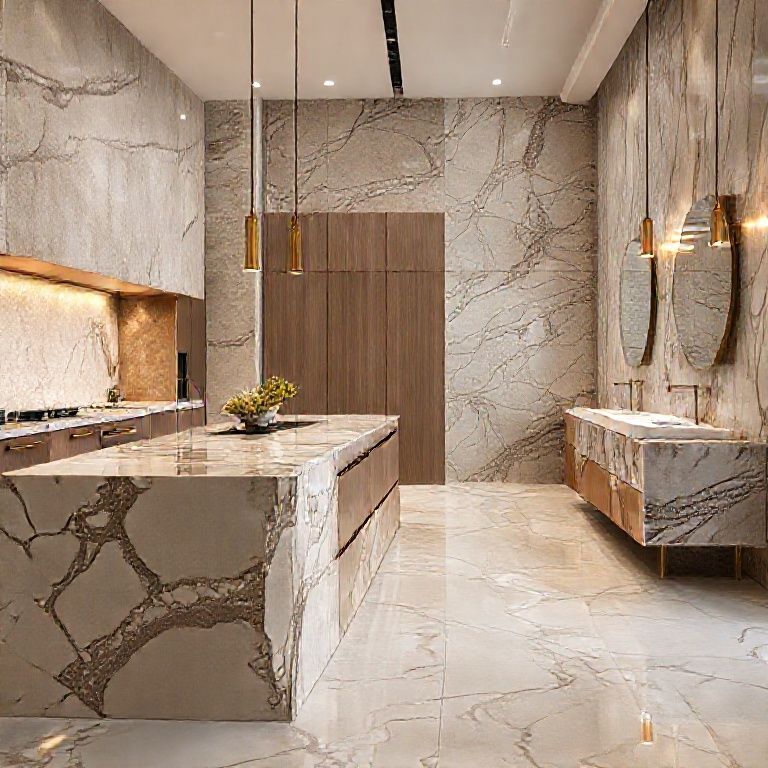
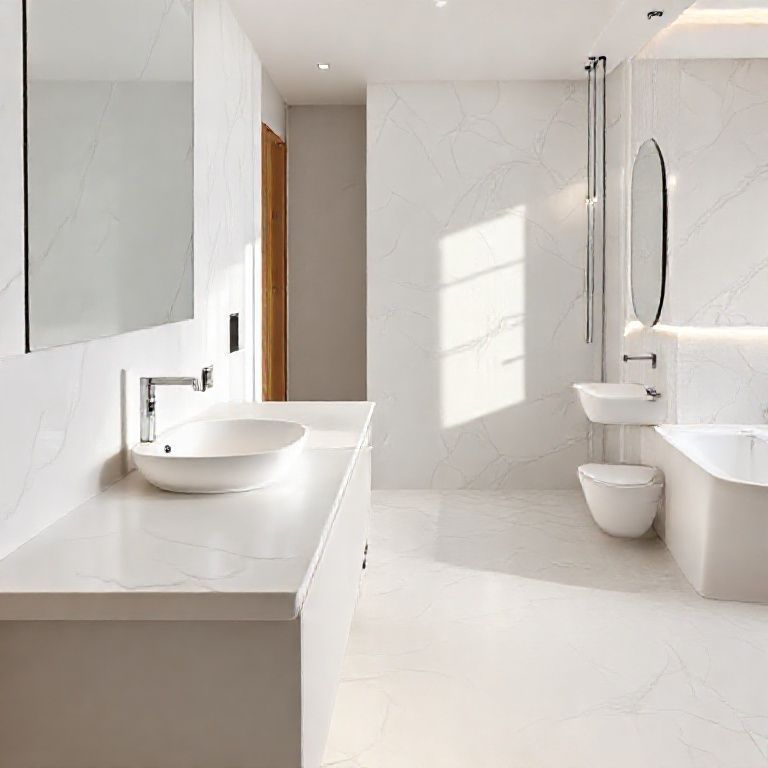
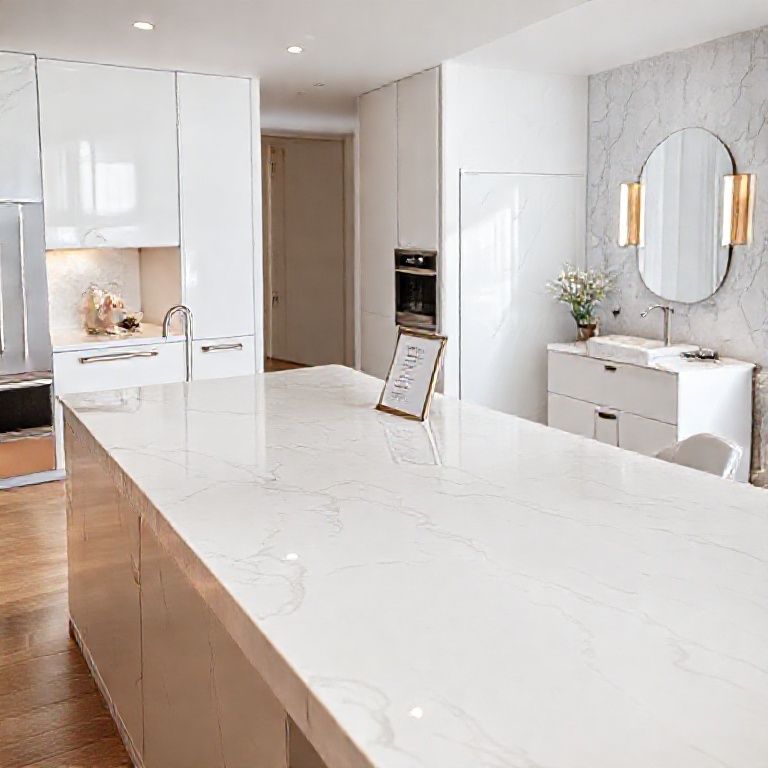
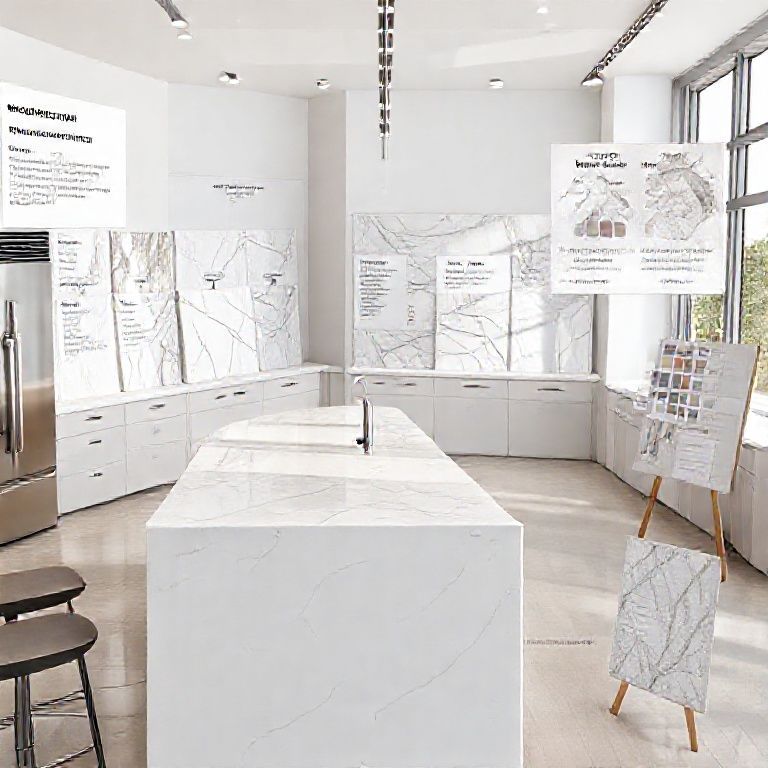
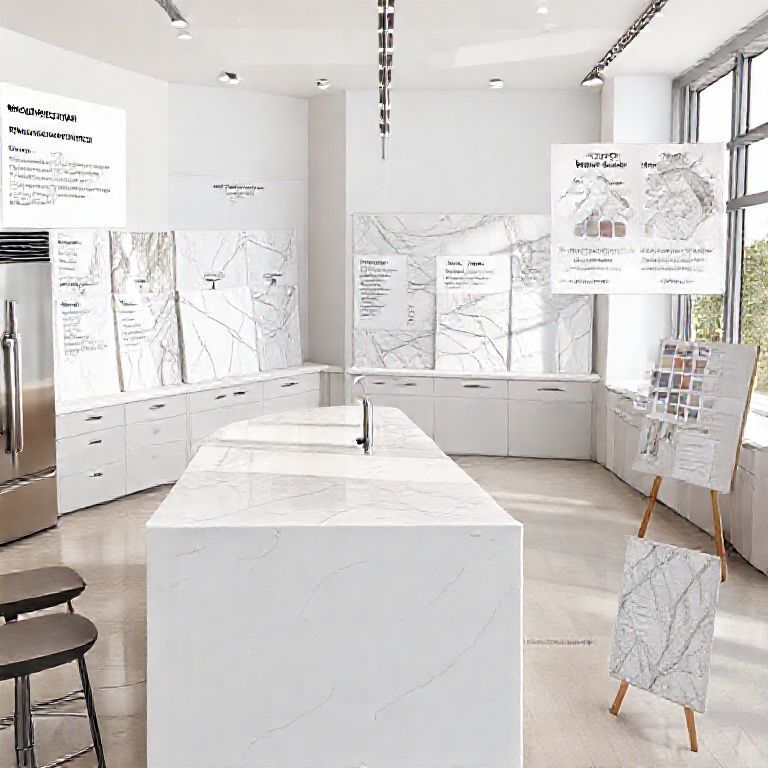
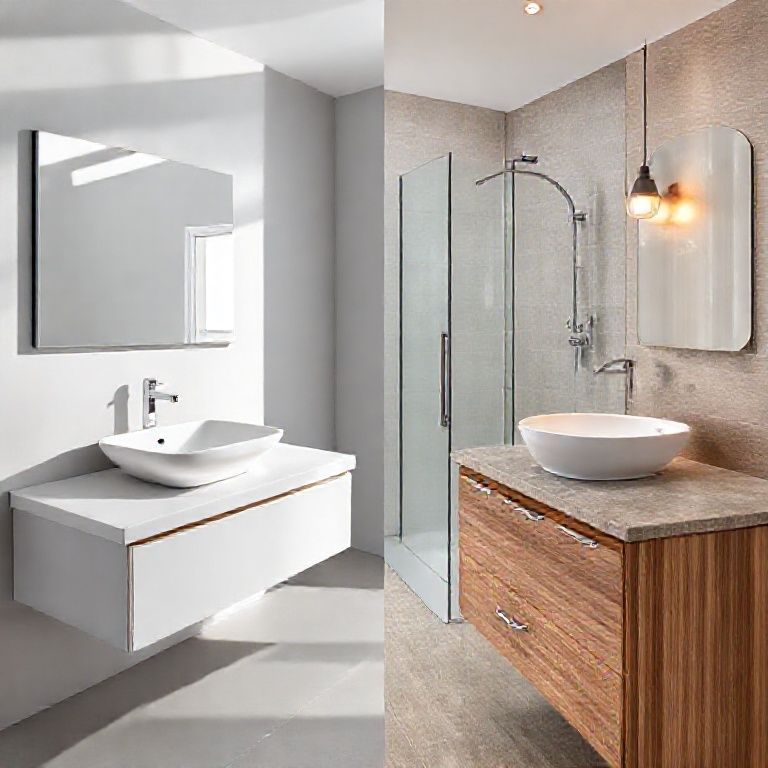
When comparing Corian and Acrylic side by side, the differences in texture, color, and finish become apparent. Corian’s surface is smooth and slightly matte, while acrylic can have a glossy or matte finish depending on the manufacturer’s process.
Corian vs. Acrylic: Aesthetic Appeal
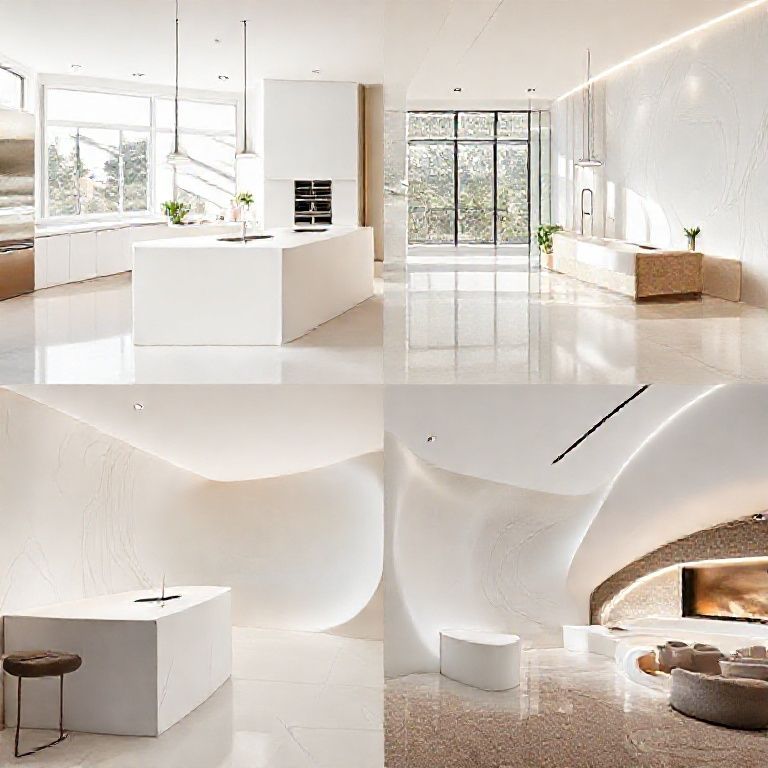
Corian’s aesthetic appeal lies in its seamless, uniform look, which can mimic the appearance of natural stone, wood, and even metals. Its range of colors and finishes allows for a high degree of design flexibility.
Acrylic, with its transparent and vibrant options, offers a unique aesthetic appeal that can create a modern, sleek look. It can be used to create stunning visual effects like light refraction and can be particularly striking when used in combination with other materials.
Applications: Corian vs. Acrylic
Corian Applications:
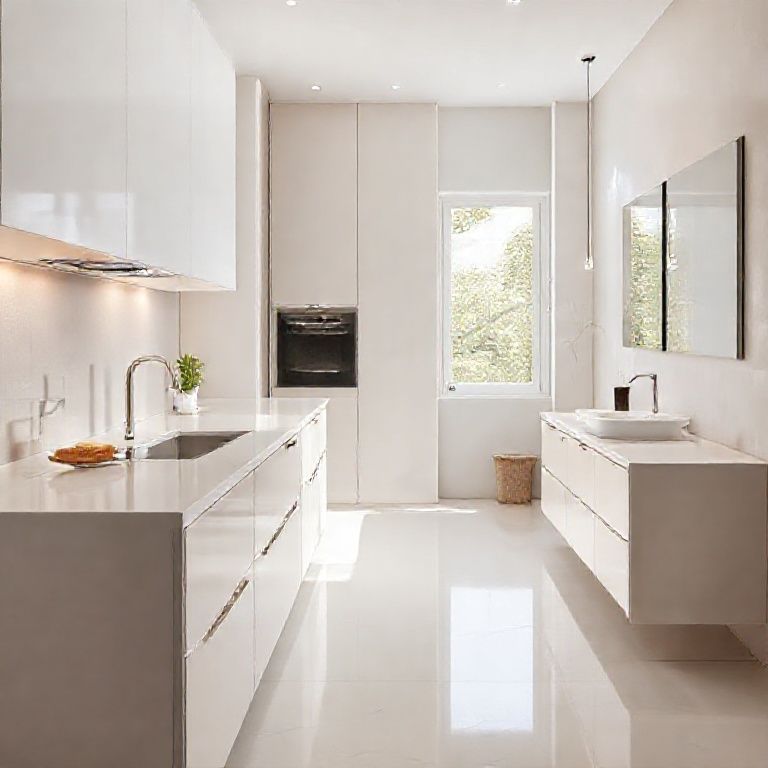
Countertops: Corian’s durability and non-porous nature make it ideal for kitchen and bathroom countertops. Its resistance to heat and stains ensures longevity and ease of maintenance.
Bathrooms: Corian’s low maintenance and resistance to moisture make it perfect for bathroom vanities, sinks, and showers.
Backsplashes: Corian’s aesthetic versatility allows it to be used creatively in backsplashes, offering both durability and design flexibility.
Acrylic Applications:
Showers and Bathtubs: Acrylic’s transparency and heat resistance make it a popular choice for shower enclosures and bathtubs.
Kitchen Countertops: While not as durable as Corian, acrylic’s affordability and aesthetic appeal make it a suitable option for kitchen countertops in certain budgets.
Signage and Displays: Acrylic’s transparency and ease of shaping make it ideal for signage, displays, and other decorative elements.
Corian vs. Acrylic: Maintenance and Longevity
Maintenance:
Corian: Requires minimal maintenance. It’s scratch-resistant, stain-resistant, and mold-resistant, so regular cleaning with mild soap and water is usually sufficient. It doesn’t require sealing, unlike some other materials.
Acrylic: Requires regular cleaning to maintain its shine and prevent scratches. It can be more susceptible to staining compared to Corian, though it still maintains a relatively low maintenance requirement. It’s important to avoid using abrasive cleaners or sharp objects on acrylic surfaces.
Longevity:
Corian: Corian’s durability and resistance to wear and tear contribute to its long lifespan. It can last for decades with proper care.
Acrylic: While acrylic is durable, it is generally less scratch-resistant and more prone to wear compared to Corian. It still offers good longevity but may require more frequent repairs or replacements over time.
Cost Considerations
When comparing the cost, acrylic is typically more affordable than Corian. The price difference can vary significantly based on the specific application and customization required. However, Corian’s higher initial cost is often offset by its long-term durability and low maintenance requirements.
Conclusion
Both Corian and Acrylic offer unique benefits that cater to different design needs and preferences. Corian’s superior durability, low maintenance, and versatility make it a top choice for high-traffic areas like kitchens and bathrooms. Acrylic, with its affordability and aesthetic versatility, is ideal for applications where durability is less of a concern and design flexibility is paramount.
In the next part of our comparison, we will delve deeper into the specific applications, benefits, and use cases of Corian and Acrylic, helping you decide which material best suits your renovation or design project. Stay tuned for a detailed look at how these materials stand up in real-world applications!