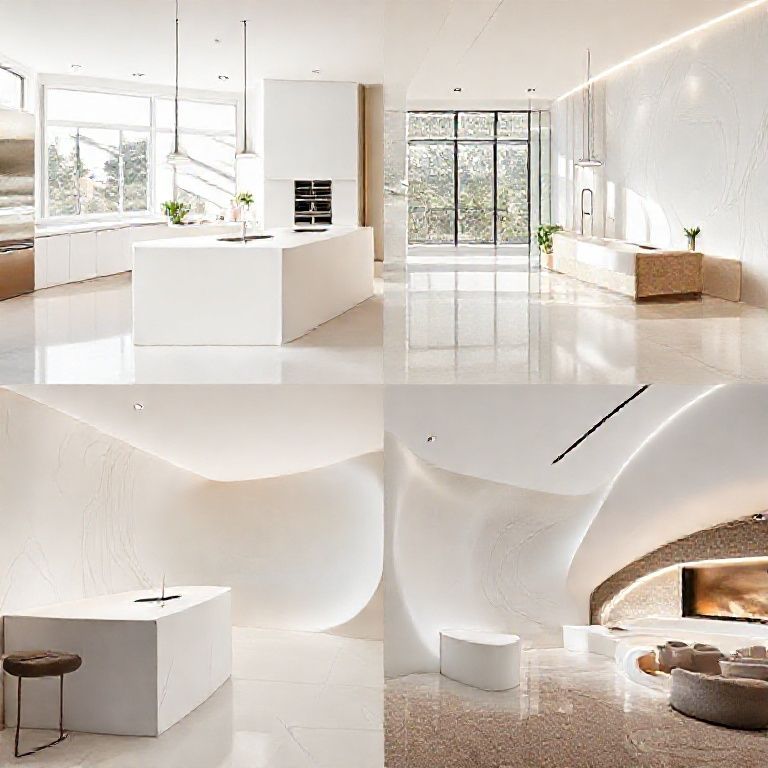
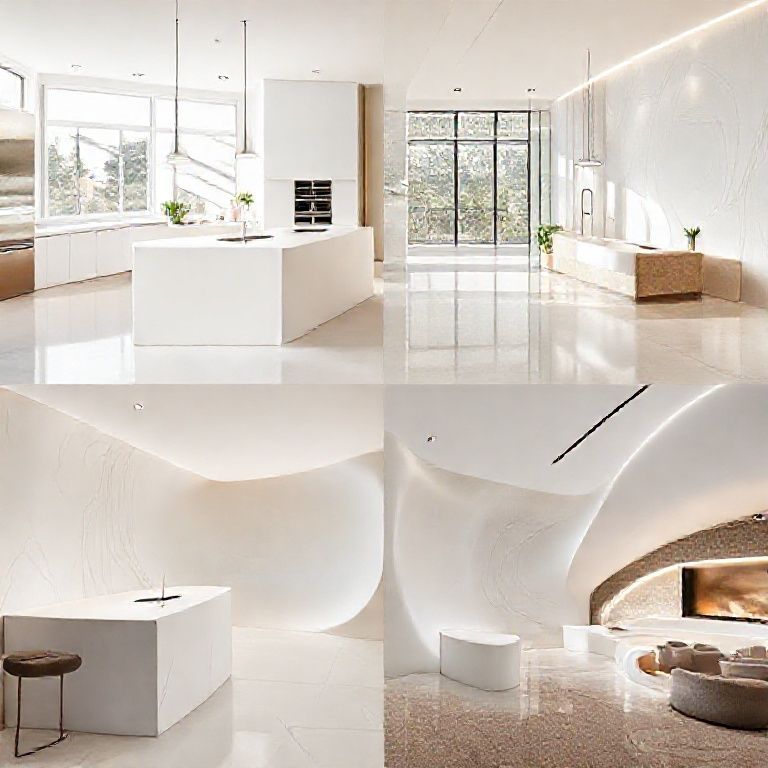
Explore the fascinating world of marble in this detailed comparison between man-made and natural marble. Understand their differences through visual aids, benefits, and uses. Perfect for architects, interior designers, and homeowners seeking the best choice for their projects.

Man-made marble, natural marble, marble differences, marble comparison, synthetic marble, artificial marble, marble visual guide, marble benefits, marble uses, marble selection
Man-Made Marble vs. Natural Marble: Understanding the Differences
When it comes to selecting materials for interior and exterior design, marble is often at the top of the list. Renowned for its elegance and timeless beauty, marble remains a favored choice for architects, designers, and homeowners worldwide. However, the market today offers two primary types of marble: man-made (synthetic) marble and natural marble. Both have their unique attributes, advantages, and disadvantages. This article delves into the distinctions between these two types of marble, providing a comprehensive visual guide to help you make an informed decision.
What is Man-Made Marble?
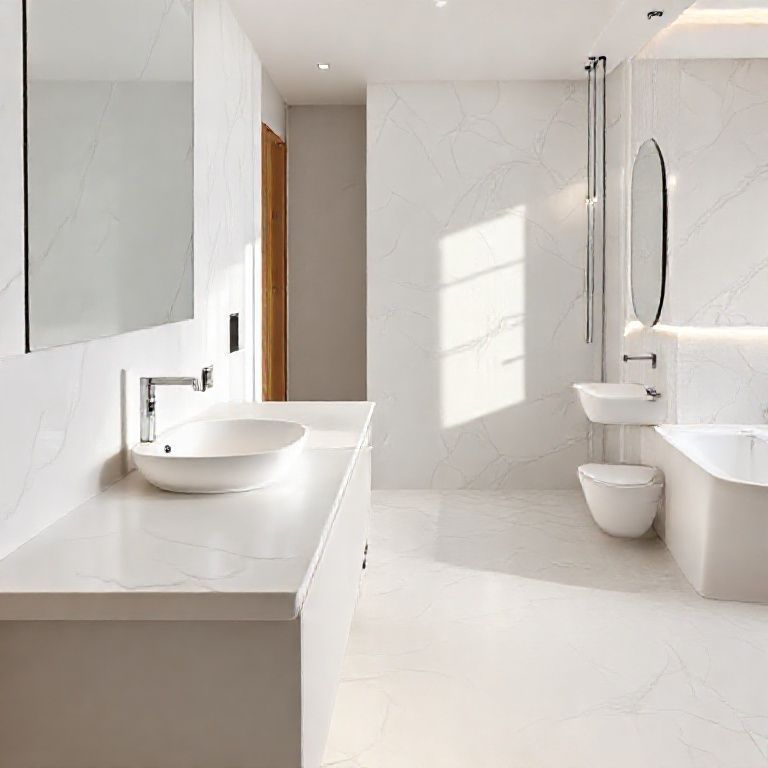
Man-made marble, also known as artificial or synthetic marble, is a composite material crafted from a mixture of minerals and resins. The process involves combining mica, quartz, and other mineral particles with a polymer resin binder. The mixture is then poured into molds, where it hardens and takes on the appearance of natural marble.
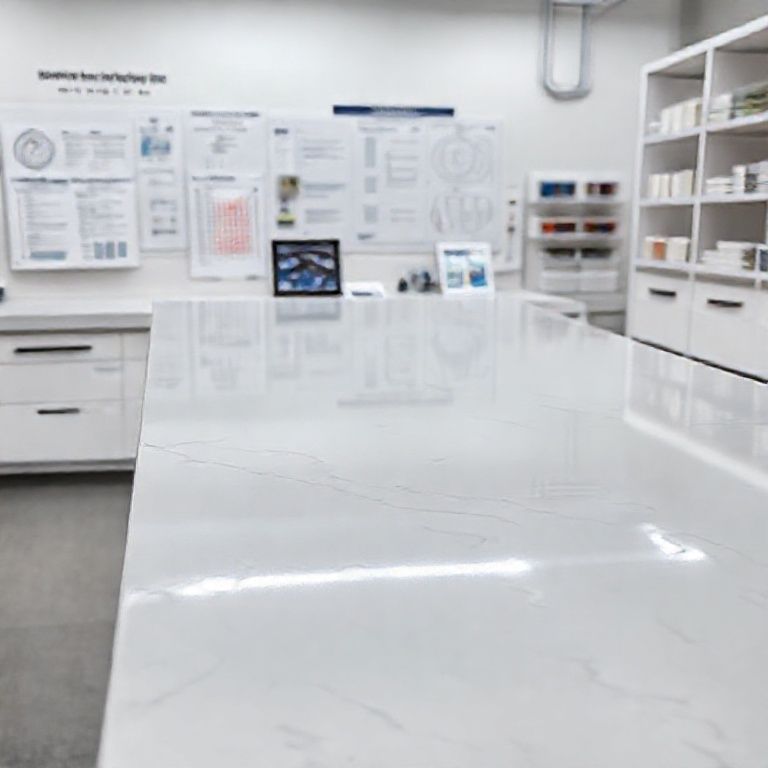
Advantages of Man-Made Marble:
Durability and Low Maintenance: Man-made marble is highly durable and resistant to scratches, chips, and stains. It’s an excellent choice for high-traffic areas such as kitchens and bathrooms where durability is crucial. Additionally, it requires minimal maintenance, simply wiping it clean with a damp cloth and mild detergent.
Cost-Effective: Compared to natural marble, man-made marble is significantly more affordable. This makes it accessible for a wider range of budgets without compromising on aesthetics.
Customizability: The resin-based composition allows manufacturers to customize the color, texture, and pattern of man-made marble to match specific design requirements. This flexibility can be particularly beneficial for unique and bespoke projects.
Environmentally Friendly: Since it doesn’t require the extraction of natural stone, man-made marble is a more sustainable option, reducing the environmental impact associated with quarrying.
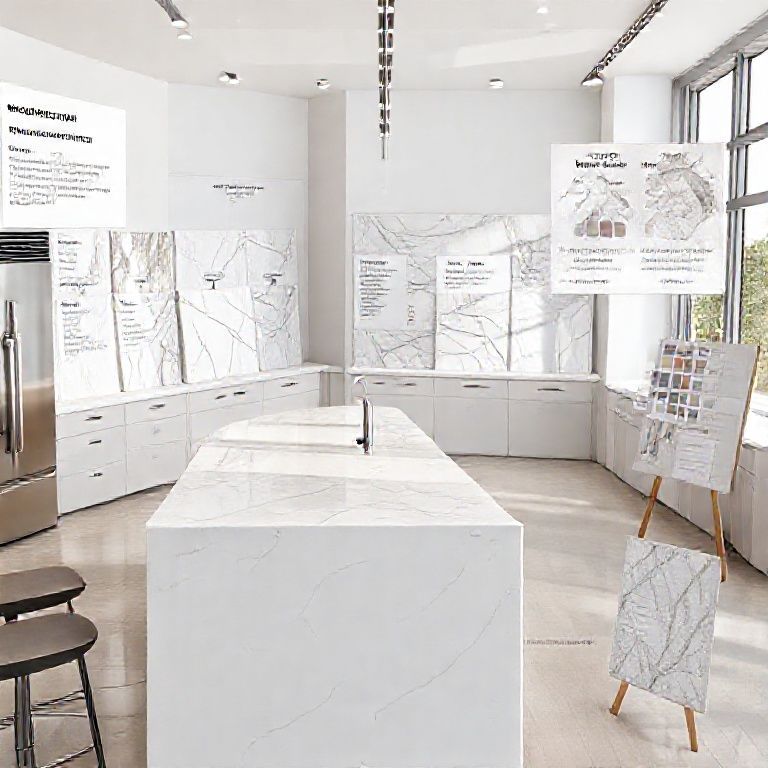
Visual Guide to Man-Made Marble:
What is Natural Marble?
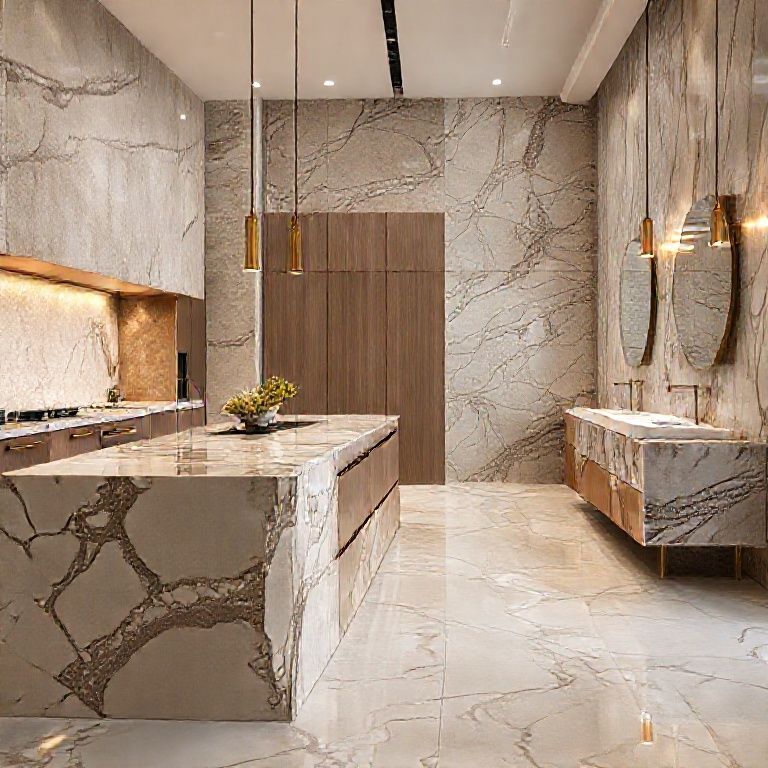
Natural marble, on the other hand, is a metamorphic rock formed from the heat and pressure transformation of limestone. Its intricate patterns and colors are the result of natural geological processes, making each piece unique.
Advantages of Natural Marble:
Unmatched Aesthetic Appeal: Natural marble boasts a unique and often stunning visual appeal with its intricate patterns and colors. This natural beauty makes it a popular choice for high-end architectural and interior design projects.
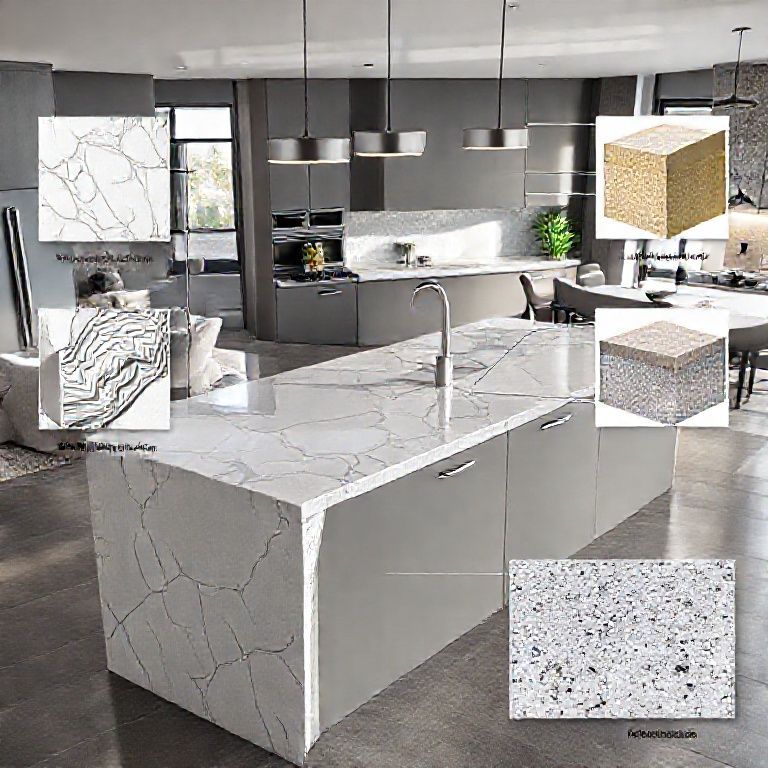
Luxury and Prestige: The rarity and natural origin of natural marble lend it an aura of luxury and prestige. Using natural marble can elevate the overall aesthetic and perceived value of a space.
Timelessness: The timeless beauty of natural marble has made it a staple in architectural and interior design for centuries. Its enduring appeal ensures that it remains a favorite among those who appreciate classic and traditional aesthetics.
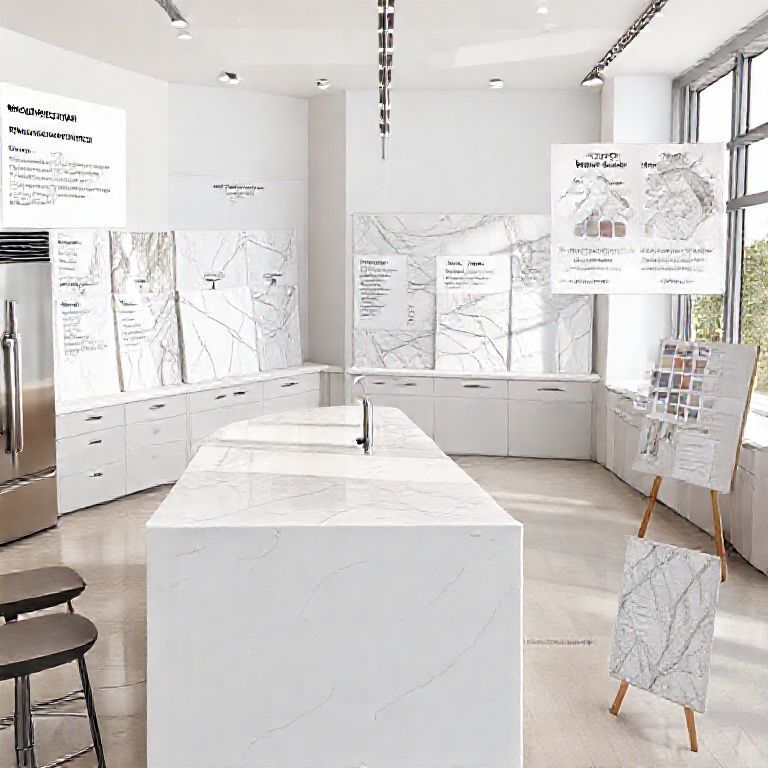
Visual Guide to Natural Marble:
Comparing Man-Made and Natural Marble
1. Appearance: Man-made marble can closely mimic the appearance of natural marble, but it often lacks the subtle variations and imperfections found in natural stone. Natural marble’s unique patterns and colors are a result of its natural formation process, offering a one-of-a-kind aesthetic.
2. Durability: While natural marble is naturally durable, it is also prone to staining and scratching, requiring regular maintenance. Man-made marble, with its synthetic composition, is more resistant to these issues.
3. Maintenance: Man-made marble requires less upkeep compared to natural marble, which often needs sealing and periodic cleaning to maintain its beauty and integrity.
4. Cost: Natural marble is typically more expensive due to its natural origin and the labor-intensive process required to carve and shape it. Man-made marble, being a manufactured product, is generally more affordable.
5. Sustainability: From an environmental perspective, man-made marble is more sustainable since it doesn’t require the extraction of natural stone. However, the production process for man-made marble involves the use of resins and other chemicals.
6. Installation: Both types of marble require professional installation to ensure longevity and aesthetic appeal. However, the installation process for man-made marble may be slightly simpler due to its more uniform composition.
Conclusion
Both man-made and natural marble offer distinct advantages that cater to different design needs and budgets. Man-made marble’s durability, low maintenance, and cost-effectiveness make it a practical choice for many projects. Meanwhile, natural marble’s unique beauty and timeless appeal continue to attract those seeking a luxurious and authentic finish.
By understanding the differences between these two types of marble, you can make an informed decision that aligns with your design vision and practical requirements.
Choosing Between Man-Made and Natural Marble: Practical Insights and Applications
Having explored the fundamental differences between man-made and natural marble, it’s essential to consider their practical applications and the specific scenarios where each type of marble shines. This part of the article will provide practical insights into how to choose the right marble for your project, highlighting various real-life applications and design tips.
Applications of Man-Made Marble
1. Kitchens and Bathrooms: Man-made marble’s durability and resistance to stains and scratches make it an ideal choice for kitchens and bathrooms. It’s perfect for countertops, backsplashes, and bathroom vanities where it will endure daily wear and tear.
2. Commercial Spaces: Commercial spaces such as restaurants, cafes, and office buildings benefit from the low maintenance and durability of man-made marble. Its consistent appearance also makes it a good choice for flooring and wall cladding.
3. Outdoor Projects: While natural marble is often preferred for outdoor applications due to its natural beauty, man-made marble offers a practical alternative. It’s resistant to the elements, making it suitable for outdoor furniture, garden paths, and patios.
Applications of Natural Marble
1. High-End Interior Design: Natural marble’s unique beauty and luxury appeal make it a favorite in high-end interior design projects. It’s often used for statement pieces such as fireplaces, staircases, and custom furniture.
2. Architectural Projects: Due to its timeless elegance, natural marble is frequently used in architectural projects, including building facades, monuments, and historical restorations. Its natural patterns add a touch of authenticity and grandeur.
3. Decorative Elements: Natural marble’s intricate patterns and colors make it ideal for decorative elements such as tabletops, columns, and wall cladding. It adds a touch of elegance and sophistication to any space.
Design Tips for Using Marble
1. Matching Colors and Patterns: When choosing between man-made and natural marble, consider the overall color scheme and design theme of your space. Man-made marble offers more color and pattern options, allowing for greater flexibility in design. Natural marble’s unique patterns can provide a cohesive and authentic look if chosen carefully.
2. Scale and Proportion: Consider the scale and proportion of the marble in relation to the size of the space. Larger areas might benefit from the consistent appearance of man-made marble, while smaller areas can make use of the unique beauty of natural marble.
3. Budget Considerations: Assess your budget and prioritize what’s most important to your project. If durability and low maintenance are primary concerns, man-made marble may be the better choice. If aesthetic appeal and luxury are your priorities, natural marble might be the way to go.
4. Maintenance Requirements: Understand the maintenance requirements of the marble type you choose. Man-made marble’s low maintenance makes it convenient for busy households and commercial spaces, while natural marble’s higher maintenance needs should be factored into your design and operational plans.
5. Sustainability: If sustainability is a key factor, man-made marble offers a more environmentally friendly option as it doesn’t require the extraction of natural stone. However, consider the environmental impact of its production process.
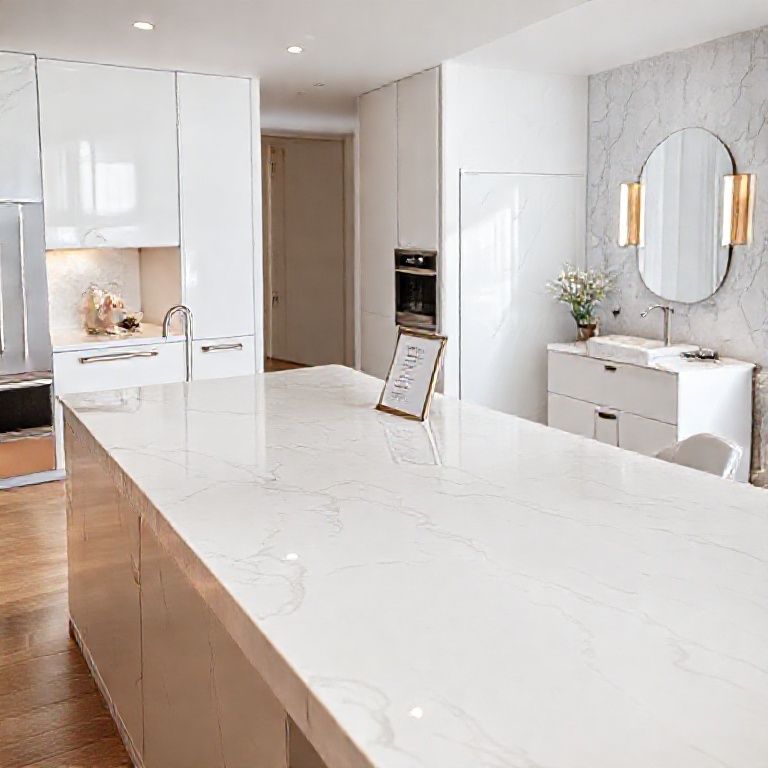
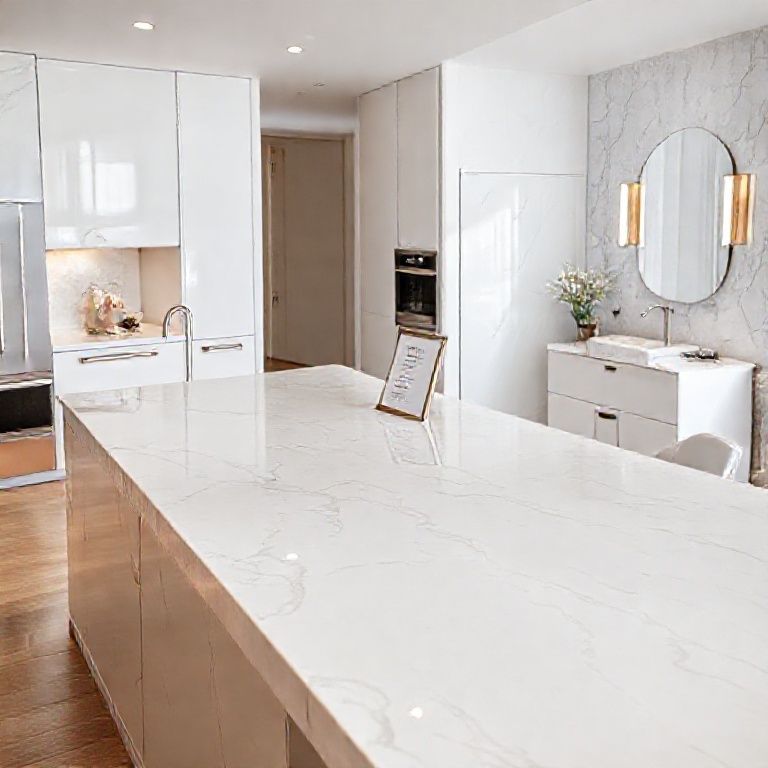
Visual Guide to Marble Applications:
Case Studies
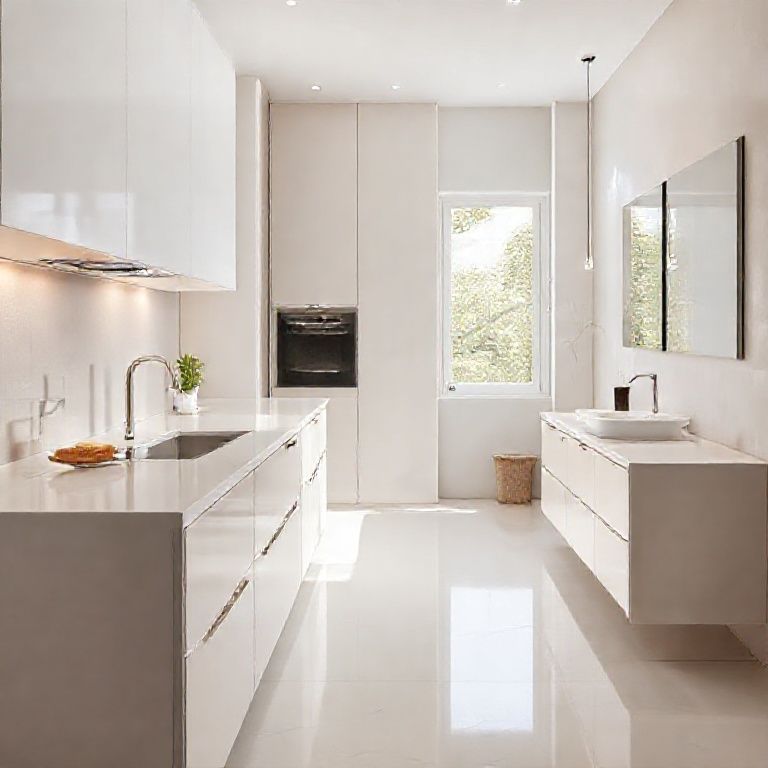
1. Modern Kitchen with Man-Made Marble: A contemporary kitchen featuring man-made marble countertops provides a sleek and modern look. The durability and ease of maintenance make it an excellent choice for a busy family kitchen.
细节与应用
1. 硬度与耐磨性
人造大理石: 由于其合成材料的特性,人造大理石通常具有较高的硬度和耐磨性。它不容易受到划伤,因此非常适合高频使用的区域,如厨房和浴室。 天然大理石: 尽管天然大理石在视觉上更为迷人,但其硬度相对较低,更容易受到划伤和压痕。需要定期进行保养和密封以防止污渍和损坏。
2. 耐污性
人造大理石: 由于其材质不吸水,人造大理石对污渍和油污的抵抗力较强。只需简单的擦拭即可保持清洁。 天然大理石: 天然大理石具有吸水性,污渍和油渍容易渗入其结构,需要使用专门的密封剂进行保护,并定期清洁以防止污渍积累。
3. 价格
人造大理石: 由于生产工艺相对简单,成本较低,因此人造大理石的价格普遍比天然大理石便宜。 天然大理石: 天然大理石矿藏有限,其价格通常较高,尤其是某些稀有品种。由于其天然美观,高档项目中更倾向于使用天然大理石。
4. 热性能
人造大理石: 由于其材料的特性,人造大理石在热传导方面表现良好,不容易烫伤。但由于其合成材料的特性,长期暴露在高温环境中可能会导致变形。 天然大理石: 天然大理石对热的反应较为敏感,长期暴露在高温环境中可能会导致开裂或变形。
5. 环保性
人造大理石: 由于其生产过程中涉及化学成分和能源的消耗,人造大理石在环保性上可能不如天然大理石。但其耐用性较高,减少了更换频率,从长远来看可能更为环保。 天然大理石: 天然大理石是天然资源,其开采和加工对环境的影响相对较小。但需考虑其稀有性和可持续性。
应用场景
1. 厨房
人造大理石: 厨房台面常用人造大理石,因其耐刮擦、耐油污、易清洁等特性,适合高频使用的厨房环境。 天然大理石: 高端厨房可能会选择天然大理石,因其独特的美观和质感,但需注意其维护需求。
2. 浴室
人造大理石: 浴室地板、墙面和洗手台常用人造大理石,因其防水性好、不易受潮、易清洁等特点。 天然大理石: 高端浴室可能会选择天然大理石,但需要定期进行密封和保养以防水渗。
3. 室内装饰
人造大理石: 由于其多样的颜色和图案选择,人造大理石在室内装饰中应用广泛,适合各种风格的设计。 天然大理石: 高档室内装饰项目中,天然大理石常用于营造奢华和高端氛围,如壁炉、楼梯、墙面等。
总结
选择人造大理石还是天然大理石,取决于具体的使用场景、预算、对美观和维护的需求。人造大理石在耐用性和易维护性上有明显优势,而天然大理石则以其独特的自然美观和质感吸引高端市场。无论选择哪一种,都应充分考虑其特性和长期使用的影响。